
When it comes to my health, I believe in nourishing my body with high quality nutrient dense foods. Making healthy food choices is crucial for maintaining a balanced, nutrient-dense diet. By incorporating nutrient-rich foods into my meals, I can ensure that my body receives the wholesome nutrition it needs to thrive.
One of the keys to a nutrient-dense diet is selecting foods that are packed with essential vitamins, minerals, and beneficial compounds. By opting for high-quality ingredients, I can create nutrient-packed meals that fuel my body and support overall well-being.
Superfoods play a significant role in my clean eating routine. These nutrient-dense foods provide an abundance of vitamins, minerals, and antioxidants, making them an excellent addition to any wholesome nutrition plan.
Throughout this article, I’ll be exploring some of my favorite nutrient-dense foods, highlighting their health benefits and why I choose to include them in my diet. From omega-3-rich salmon to nutrient-packed kale, each of these foods offers a unique set of nutrients that contribute to a healthier and more vibrant life.
Key Takeaways:
- Choosing nutrient-dense foods is vital for optimal health and well-being.
- Healthy food choices provide the necessary vitamins, minerals, and beneficial compounds.
- Including superfoods in your diet can enhance the nutrient content of your meals.
- A varied diet with high-quality ingredients ensures you receive a broad range of nutrients.
- Wholesome nutrition is the foundation for a vibrant and nourished life.
Salmon – A Nutrient-Packed Superfood
Salmon is a high-quality nutrient-dense food that offers a multitude of health benefits. It is not only delicious but also provides essential nutrients that support brain, heart, and overall body health. Incorporating salmon into your diet can be a smart choice for those aiming to nourish their bodies with high-quality, nutrient-packed meals.
One of the key reasons why salmon is considered a superfood is its rich content of omega-3 fatty acids. These essential fatty acids play a crucial role in promoting cardiovascular health, reducing inflammation, and supporting brain function.
In addition to omega-3 fatty acids, salmon is also a great source of various vitamins and minerals. It contains important micronutrients such as magnesium, potassium, selenium, and B vitamins, including vitamin B12 and vitamin D. These vitamins and minerals contribute to overall well-being and support various bodily functions.
Furthermore, salmon is an excellent source of high-quality protein. Protein is essential for tissue repair, muscle growth, and the production of enzymes and hormones. Adding salmon to your meals can help meet your protein needs and maintain optimal body function.
It’s important to choose salmon from sustainable sources to minimize the impact on the environment and ensure its availability for future generations. When purchasing salmon, look for certifications like the Marine Stewardship Council (MSC) label, which signifies that the fish is sourced from a sustainable fishery.
| Nutrients Found in Salmon | Benefits |
|---|---|
| Omega-3 fatty acids |
|
| Vitamins (Vitamin B12, Vitamin D) |
|
| Minerals (Magnesium, Potassium, Selenium) |
|
| Protein |
|
By incorporating salmon into your regular diet, you can enjoy the numerous health benefits it offers. Ensure you choose salmon from sustainable sources, allowing you to enjoy this nutrient-packed superfood guilt-free while supporting the preservation of our oceans and environment.
Sardines – A Nutritious Small Fish
When it comes to high quality nutrient dense foods, sardines are a standout choice. These small, oily fish pack a powerful nutritional punch that can benefit your overall health. Not only are they delicious, but they also offer a wide range of essential nutrients that your body needs to thrive.
One of the key nutrients found in sardines is omega-3 fatty acids. These heart-healthy fats are known for their anti-inflammatory properties and are crucial for brain health, reducing the risk of heart disease, and supporting overall wellbeing. By incorporating sardines into your diet, you can easily boost your intake of these essential omega-3 fatty acids.
What sets sardines apart from other types of fish is that they are typically eaten whole. This means you get to enjoy the benefits of consuming the organs, bones, and other nutritious parts of the fish. From calcium-rich bones to nutrient-dense organs, sardines provide almost every essential nutrient your body needs.
Why Choose Sardines?
Sardines are not only a sustainable seafood choice, but they are also an excellent source of high-quality nutrients. Let’s take a closer look at some of the key nutrients found in sardines:
- Omega-3 fatty acids: Sardines are rich in omega-3 fatty acids, particularly EPA (eicosapentaenoic acid) and DHA (docosahexaenoic acid), which have numerous health benefits.
- Protein: Sardines are a good source of protein, which is essential for building and repairing tissues in the body.
- Calcium: Consuming sardines with bones provides a significant amount of calcium, promoting strong bones and teeth.
- Vitamin D: Sardines are an excellent natural source of vitamin D, which is crucial for maintaining bone health and supporting immune function.
- Vitamin B12: Sardines are a great source of vitamin B12, which is necessary for proper red blood cell formation and neurological function.
- Iron: Sardines contain iron, a mineral essential for the production of red blood cells and oxygen transport throughout the body.
With their rich nutrient profile, sardines offer a convenient and accessible way to incorporate high-quality nutrients into your diet. Whether enjoyed on their own, added to salads, or included in recipes, sardines can elevate the nutritional value of any meal.
“Sardines are a nutritional powerhouse. Packed with omega-3 fatty acids, protein, and an array of essential vitamins and minerals, they offer a wide range of health benefits. Add them to your meal plan and experience the difference!”
To increase your intake of nutrient-dense sardines, consider trying these delicious recipe ideas:
| Recipe | Description |
|---|---|
| Sardine Salad | A refreshing salad packed with sardines, mixed greens, cherry tomatoes, and a tangy vinaigrette. |
| Sardine Pasta | A simple yet flavorful pasta dish featuring sardines, garlic, olive oil, and fresh herbs. |
| Sardine Toast | A quick and easy snack or light meal with sardines, whole grain bread, avocado, and a squeeze of lemon. |
By incorporating sardines into your diet, you can enjoy the benefits of their high-quality nutrients, particularly omega-3 fatty acids, protein, and various vitamins and minerals.
Next, we’ll explore another nutrient-dense food that deserves a place in your diet: kale.
Kale – The King of Nutrient-Dense Greens
Kale is a green leafy vegetable that is packed with vitamins, minerals, fiber, antioxidants, and bioactive compounds. It contains vitamins C, A, K, and B6, along with minerals like potassium, calcium, magnesium, and manganese. Kale is known for its high nutrient density and is considered one of the most nutrient-dense vegetables available.
Adding kale to your diet can provide a range of health benefits. The combination of vitamins, minerals, and antioxidants in kale supports various bodily functions and helps protect against chronic diseases. Let’s take a closer look at some of the key nutrients found in kale:
| Nutrient | Amount per 100g of Kale |
|---|---|
| Vitamin C | 93.4mg |
| Vitamin A | 9,990 IU |
| Vitamin K | 705μg |
| Vitamin B6 | 0.147mg |
| Potassium | 491mg |
| Calcium | 150mg |
| Magnesium | 47mg |
| Manganese | 0.549mg |
Kale is also rich in antioxidants, such as beta-carotene and flavonoids, which help reduce inflammation and oxidative stress in the body. These powerful antioxidants play a crucial role in promoting overall health and may help lower the risk of chronic diseases, including heart disease and certain types of cancer.
Did you know? One study found that steaming kale actually increases its cholesterol-lowering ability by binding bile acids in the digestive tract.
Incorporating kale into your meals is easy and can add a nutritious boost to your diet. Whether you enjoy it raw in salads, sautéed as a side dish, or blended into a smoothie, kale offers a delicious way to reap the benefits of its high nutrient content.
Seaweed – The Nutrient-Packed Sea Vegetable
When it comes to high quality nutrient dense foods, seaweed is a true powerhouse. This highly nutritious sea vegetable is not only a staple in sushi, but it also offers a wealth of essential minerals that are crucial for optimal health.
Seaweed is packed with minerals such as calcium, iron, magnesium, and manganese. These minerals play vital roles in various bodily functions, including bone health, muscle function, and energy production. Incorporating seaweed into your diet is a fantastic way to boost your mineral intake and support overall well-being.
One mineral that seaweed is particularly rich in is iodine. Iodine is a crucial mineral for thyroid function, as it is necessary for the production of thyroid hormones. These hormones play a vital role in regulating metabolism, growth, and development. By consuming seaweed, you can ensure you are getting an adequate supply of iodine to support optimal thyroid function.
But the benefits of seaweed don’t stop there. Some varieties of seaweed also contain polysaccharides and other nutrients that have antioxidant properties. Antioxidants help protect the body against oxidative stress and inflammation, reducing the risk of chronic diseases and promoting overall well-being.
So why not add some seaweed to your meals? Whether you enjoy it in sushi, soups, or salads, incorporating seaweed into your diet can provide an array of essential minerals, iodine for thyroid health, and valuable antioxidants.
The Nutrient Profile of Seaweed
| Nutrient | Per 100g |
|---|---|
| Calcium | 168mg |
| Iron | 2.8mg |
| Magnesium | 104mg |
| Manganese | 2.5mg |
| Iodine | 1000-3000mcg* |
*The iodine content varies depending on the seaweed variety and source.

“Incorporating seaweed into your diet is a fantastic way to boost your mineral intake and support overall well-being.”
Garlic – A Nutritious and Flavorful Ingredient
Garlic is a tasty and healthy ingredient that is highly nutritious. It contains a variety of vitamins, minerals, and compounds that contribute to its healing properties. Incorporating garlic into your meals not only adds flavor but also provides numerous health benefits.
Garlic is rich in several vitamins, including vitamin C, vitamin B1 (thiamine), and vitamin B6 (pyridoxine). These vitamins play essential roles in maintaining overall health and supporting various bodily functions.
In terms of minerals, garlic contains calcium, potassium, copper, manganese, and selenium. These minerals are vital for proper cellular function, bone health, and antioxidant defense.
One of the key compounds found in garlic is allicin. Allicin is a sulfur compound that is responsible for garlic’s distinct aroma and taste. It is also known to have potent disease-fighting properties.
“Garlic has been used for centuries in traditional medicine for its potential health benefits.”
Research suggests that garlic may help reduce the risk of heart disease by lowering blood pressure and improving cholesterol levels. It has also been found to have antimicrobial and antiviral properties, which can support immune function and help fight off infections.
Adding garlic to your meals is a simple way to boost the flavor and nutritional content of your dishes. Whether you use it in soups, stir-fries, or salad dressings, garlic can elevate the taste while providing you with essential vitamins, minerals, and disease-fighting properties.
Shellfish – Nutrient-Packed Ocean Delicacies
Shellfish, such as clams, oysters, scallops, and mussels, are highly nutritious ocean delicacies. They offer a wide array of vitamins, minerals, and other essential nutrients that contribute to a high quality nutrient dense foods diet. Let’s explore the nutritional benefits of shellfish:
Vitamins and minerals
Shellfish contain a range of vitamins and minerals that are beneficial for overall health and wellbeing. They are particularly rich in vitamin B12, which is essential for proper brain function, the formation of red blood cells, and the maintenance of the nervous system. Additionally, shellfish are a good source of vitamin C, which supports a healthy immune system, as well as potassium, selenium, and iron.
A source of zinc
One standout nutrient found in shellfish, especially clams, is zinc. Zinc plays a crucial role in various bodily functions, including immune system function, wound healing, and DNA synthesis. Incorporating shellfish into your diet can help ensure you meet your zinc requirements.
Here is an overview of the important nutrients found in shellfish:
| Shellfish | Nutrients |
|---|---|
| Clams | Vitamin B12, Zinc, Potassium, Iron |
| Oysters | Vitamin B12, Zinc, Selenium, Iron |
| Scallops | Vitamin B12, Zinc, Potassium, Magnesium |
| Mussels | Vitamin B12, Zinc, Selenium, Iron |
When incorporating shellfish into your diet, it is essential to choose sustainable and safe options. Some seafood may contain toxins, so ensure you purchase shellfish from reliable sources. Now, let’s continue exploring other nutrient-dense foods!
Potatoes – Versatile and Nutrient-Rich Tubers
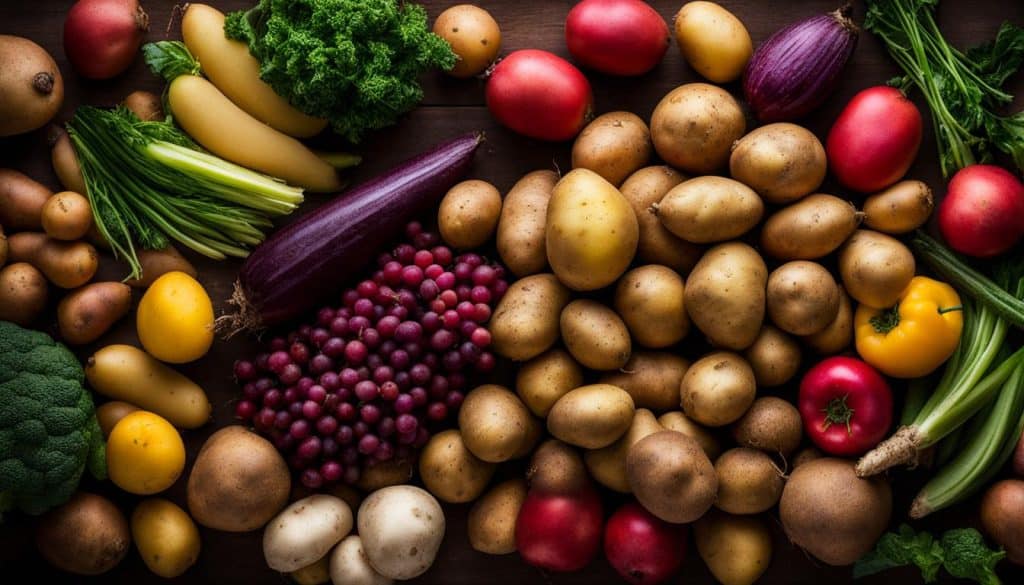
Potatoes are a versatile and nutrient-rich food that can be incorporated into a variety of dishes. They offer a range of vitamins, minerals, fiber, and resistant starch, making them an excellent addition to a high-quality nutrient-dense diet.
When it comes to vitamins, potatoes are a good source of potassium, magnesium, iron, copper, manganese, vitamin C, and most B vitamins. These nutrients play important roles in various bodily functions, such as maintaining healthy blood pressure, promoting a strong immune system, and supporting energy production.
Additionally, potatoes, especially when consumed with their jackets, are rich in fiber. Fiber is beneficial for digestive health, as it promotes regular bowel movements, helps control blood sugar levels, and can contribute to a feeling of fullness, aiding in weight management.
Furthermore, potatoes contain resistant starch, a type of starch that resists digestion in the small intestine. Instead, it reaches the large intestine, where it acts as a prebiotic, providing nourishment for beneficial gut bacteria. Resistant starch has been associated with various health benefits, such as improved insulin sensitivity, reduced inflammation, and enhanced satiety.
| Nutrient | Amount per 100 grams |
|---|---|
| Potassium | 429 mg |
| Magnesium | 23 mg |
| Iron | 0.81 mg |
| Copper | 0.089 mg |
| Manganese | 0.081 mg |
| Vitamin C | 19.7 mg |
| Vitamin B6 | 0.295 mg |
Incorporating potatoes into your meals can be a delicious and satisfying way to enjoy the benefits of these nutrient-dense tubers. Whether baked, boiled, mashed, or roasted, potatoes can be transformed into a variety of tasty dishes that provide nourishment and contribute to a well-rounded diet.
Liver – A Highly Nutritious Organ Meat
Liver is a highly nutritious organ meat that is packed with vitamins and minerals. It contains significant amounts of vitamin B12, vitamin B5, vitamin B6, niacin, folate, vitamin B2, vitamin A, copper, iron, phosphorus, zinc, selenium, and high-quality animal protein.
Consuming liver once per week is a great way to ensure you are getting optimal amounts of these vital nutrients. Whether it’s beef liver, chicken liver, or lamb liver, they all offer a wide range of essential nutrients that contribute to your overall health and well-being.
Liver is particularly known for its high amounts of vitamin B12, which is essential for red blood cell production, brain function, and DNA synthesis. It’s also a great source of iron, which is crucial for oxygen transport in the body.
| Nutrient | Amount | % Daily Value |
|---|---|---|
| Vitamin B12 | 70.7 mcg | 1178% |
| Vitamin B5 | 7.5 mg | 75% |
| Vitamin B6 | 1.33 mg | 67% |
| Niacin | 12.5 mg | 62% |
| Folate | 320 mcg | 80% |
| Vitamin B2 | 4.6 mg | 271% |
| Vitamin A | 49109 IU | 982% |
| Copper | 12.8 mg | 640% |
| Iron | 49.5 mg | 275% |
| Phosphorus | 563 mg | 56% |
| Zinc | 33.5 mg | 223% |
| Selenium | 135 mcg | 193% |
| Protein | 27.4 g | 55% |
Conclusion
In conclusion, incorporating high quality nutrient dense foods into your diet is essential for maintaining optimal health and well-being. By choosing a nutrient-dense diet, you can ensure that your body receives the necessary vitamins, minerals, and beneficial compounds it needs to function properly.
Wholesome nutrition plays a crucial role in supporting overall health and reducing the risk of chronic diseases. By including nutrient-dense foods like salmon, sardines, kale, seaweed, garlic, shellfish, potatoes, liver, berries, and eggs in your meals, you provide your body with a wide range of essential nutrients.
These nutrient-packed foods not only supply your body with vital nutrients but also offer various health benefits. They can support brain health, heart health, immune function, and promote healthy bodily processes.
Make a conscious effort to prioritize nutrient-dense foods in your daily diet and enjoy the benefits of a vibrant and nourished life. Remember, wholesome nutrition is the key to fueling your body with the high-quality ingredients it needs to thrive.
FAQ
What are nutrient-dense foods?
Nutrient-dense foods are foods that provide a high amount and variety of essential nutrients, including vitamins, minerals, and other beneficial compounds. These foods offer a wide range of health benefits and support overall well-being.
Why is it important to include nutrient-dense foods in my diet?
Including nutrient-dense foods in your diet is vital for optimal health. These foods provide the necessary nutrients your body needs for various bodily functions, reduce the risk of chronic diseases, and support overall well-being.
What are some examples of nutrient-dense foods?
Some examples of nutrient-dense foods include salmon, sardines, kale, seaweed, garlic, shellfish, potatoes, liver, berries, and eggs. These foods are rich in vitamins, minerals, protein, and other beneficial compounds.
How can I incorporate salmon into my diet?
You can incorporate salmon into your diet by grilling, baking, or poaching it. Opt for salmon from sustainable sources to ensure high quality and avoid harming the environment.
What makes sardines a nutritious food choice?
Sardines are a nutritious food choice as they are high in heart-healthy omega-3 fatty acids and provide almost every nutrient your body needs. By eating sardines, you consume the whole fish, including its organs, bones, and other nutritious parts.
How can I enjoy kale as a nutrient-dense green?
You can enjoy kale by including it in salads, smoothies, stir-fries, or as a side dish. Kale can also be added to soups and stews for an extra nutritional boost.
What are the nutritional benefits of seaweed?
Seaweed is highly nutritious as it provides essential minerals like calcium, iron, magnesium, and iodine. Some varieties of seaweed contain antioxidants and polysaccharides, which offer protection against oxidative stress and inflammation.
How can I use garlic in my cooking?
Garlic can be used in various dishes to add flavor and nutrition. It can be included in sauces, marinades, dressings, or used as a seasoning in stir-fries, roasted vegetables, or soups.
Which shellfish are considered nutrient-dense?
Clams, oysters, scallops, and mussels are all considered nutrient-dense shellfish. They are rich in vitamins such as B12 and C, minerals like potassium and iron, and provide high-quality protein.
How can I make potatoes a nutrient-rich addition to my meals?
When preparing potatoes, keep the skin on to maximize fiber intake. You can cook potatoes in various ways such as baking, boiling, or roasting. Avoid adding excessive amounts of fat or unhealthy toppings.
How often should I consume liver for its nutrient benefits?
Consuming liver once per week is a suggested way to ensure you are getting optimal amounts of B vitamins, minerals, and high-quality animal protein. Liver can be enjoyed in various recipes, like pate, stir-fries, or stews.