
Top nutrient rich foods examples for health – When it comes to maintaining a healthy diet, it’s important to make sure you’re getting enough nutrients. Nutrient-rich foods are essential for nourishing our bodies and supporting optimal health. These foods are packed with vitamins, minerals, and other important compounds that support various bodily functions.
A healthy diet should include a variety of foods to ensure you’re getting all the nutrients your body needs. In this article, I will introduce you to some examples of nutrient-rich foods that you can incorporate into your diet to boost your overall health and well-being.
These foods are not only packed with essential nutrients but also offer a range of health benefits. From heart-healthy fish to antioxidant-rich fruits and vegetables, this nutrient-dense foods list will help you make informed decisions about your diet.
Key Takeaways – Nutrient Rich Foods Examples
- Salmon and sardines are nutrient-rich fish that provide omega-3 fatty acids and high-quality protein.
- Kale and seaweed are nutrient-dense vegetables that offer a wide range of vitamins, minerals, and antioxidants.
- Garlic and shellfish are nutrient-rich ingredients known for their potential health benefits, including cardiovascular support.
- Potatoes and liver are nutrient-rich foods that provide a variety of vitamins, minerals, and high-quality animal protein.
- Berries and bitter melon are nutrient-rich fruits and vegetables that offer antioxidants and other beneficial compounds.
Salmon
Salmon is a nutrient-rich fish that offers a multitude of health benefits. With its distinctive pink color and delicate flavor, salmon is not only delicious but also packed with essential nutrients. One of the standout features of salmon is its high content of omega-3 fatty acids, which are crucial for various aspects of our well-being.
Omega-3 fatty acids are considered essential fats that our bodies cannot produce on their own. They play a vital role in brain function, heart health, and inflammation control. Including salmon in your diet is an excellent way to ensure you are getting an adequate intake of these beneficial omega-3 fatty acids.
Furthermore, salmon is a valuable source of high-quality animal protein, making it a smart choice for individuals looking to maintain or build muscle mass. In addition to protein, salmon contains a range of vitamins and minerals that contribute to overall health.
The Nutritional Profile of Salmon
Salmon is rich in several essential vitamins and minerals that support optimal health. Here are some key nutrients found in salmon:
- Omega-3 fatty acids: These beneficial fats are known for their anti-inflammatory properties and have been associated with a reduced risk of heart disease, improved brain health, and better mental well-being.
- Protein: Salmon is an excellent source of high-quality protein, providing all the essential amino acids our bodies need for various functions, such as building and repairing tissues.
- Magnesium: This mineral is involved in numerous biochemical reactions in the body and plays a crucial role in supporting muscle function, energy production, and bone health.
- Potassium: Salmon is a good source of potassium, an essential mineral that helps regulate blood pressure, maintain proper heart function, and support overall cardiovascular health.
- Selenium: This trace mineral acts as a powerful antioxidant, protecting our cells from oxidative damage and supporting thyroid function.
- Vitamin B: Salmon contains various B vitamins, including niacin, vitamin B12, and vitamin B6, which all play important roles in energy production, nerve function, and metabolism.
Adding salmon to your diet is an excellent way to enjoy a delicious meal while reaping the numerous nutritional benefits. Whether grilled, baked, or pan-seared, salmon offers a versatile and heart-healthy option that is both satisfying and nourishing.
Sardines
Sardines are a true powerhouse when it comes to nutrition. These small, oily fish are not only delicious but also packed with a wide range of nutrients that can benefit your overall health.
One of the key nutrients found in sardines is omega-3 fatty acids. These essential fats play a crucial role in brain function, heart health, and reducing inflammation in the body. Including sardines in your diet can be an excellent way to increase your intake of omega-3 fatty acids, which are often lacking in modern diets.
Sardines are also a fantastic source of protein. They provide high-quality, bioavailable protein, meaning that your body can easily absorb and utilize the amino acids found in sardines to support various bodily functions, including muscle repair and growth.
In addition to omega-3s and protein, sardines contain an impressive array of vitamins and minerals. They are rich in vitamin B12, which is essential for nerve function and the production of red blood cells. Sardines also provide significant amounts of vitamin D, calcium, selenium, and phosphorus, all of which contribute to strong bones and a healthy immune system.
Here is a table summarizing the nutritional profile of sardines:
| Nutrient | Amount per 100g serving |
|---|---|
| Protein | 25g |
| Omega-3 fatty acids | 2.2g |
| Vitamin B12 | 8.9mcg |
| Vitamin D | 312IU |
| Calcium | 382mg |
| Selenium | 36.2mcg |
| Phosphorus | 490mg |
Adding sardines to your diet is a great way to enjoy the delicious taste while reaping the numerous health benefits. Whether grilled, baked, or added to salads and pasta dishes, sardines are a versatile and nutrient-dense option that can boost your overall well-being.
https://www.youtube.com/watch?v=IPNHz4xN_hM
Kale
Kale is an incredibly nutritious and nutrient-dense vegetable that offers a wide range of health benefits. It is one of the most popular leafy greens and is often referred to as a superfood due to its outstanding nutritional profile.
Rich in vitamins, minerals, fiber, and antioxidants, kale is an excellent addition to any diet seeking to maximize nutrient intake. It is particularly high in vitamins C, A, K, and B6, as well as potassium, calcium, magnesium, copper, and manganese.
Adding kale to your meals can provide a significant boost in essential nutrients that support overall health. Vitamins C, A, and K are vital for immune function, vision, bone health, and blood clotting. B vitamins play a crucial role in energy metabolism, while potassium, calcium, magnesium, copper, and manganese contribute to various bodily functions such as muscle function, nerve transmission, and antioxidant defense. The fiber content in kale can promote digestive health and help maintain a healthy weight.
Did you know? Kale contains more vitamin C than an orange and more calcium than a glass of milk.
Furthermore, kale is rich in antioxidants, such as beta-carotene and flavonoids, which neutralize harmful free radicals in the body and may help reduce the risk of chronic diseases, including heart disease and certain types of cancer.
Whether you enjoy kale in smoothies, salads, sautéed dishes, or as a crispy snack when baked, incorporating this nutrient-rich vegetable into your diet can contribute to improved overall health and well-being.
| Nutrient | Amount per 100g |
|---|---|
| Vitamin C | 93.4 mg |
| Vitamin A | 681 mcg |
| Vitamin K | 704.8 mcg |
| Vitamin B6 | 0.147 mg |
| Potassium | 228 mg |
| Calcium | 150 mg |
| Magnesium | 47 mg |
| Copper | 0.283 mg |
| Manganese | 0.659 mg |
Table: Nutritional values of kale per 100g
Seaweed
When it comes to nutrient-dense sea vegetables, seaweed takes the spotlight. This oceanic plant is not only delicious but also packed with vital minerals that promote optimal health. From calcium to iron, magnesium to manganese, seaweed is a treasure trove of essential nutrients.
One of the standout nutrients in seaweed is iodine, which plays a crucial role in thyroid function. The thyroid gland relies on iodine to produce the hormones that regulate metabolism, growth, and development. Including seaweed in your diet can help ensure you’re getting an adequate intake of this important mineral.
But seaweed’s benefits don’t stop there. It also contains a wide range of antioxidants, which help protect your cells from damage caused by harmful molecules called free radicals. These antioxidants, along with other nutrients found in seaweed, may have anti-inflammatory properties and contribute to overall well-being.
If you’re wondering how to incorporate seaweed into your meals, there are plenty of options. You can enjoy it in its natural form, such as nori sheets used for sushi rolls, or try dried seaweed snacks for a crunchy and nutritious treat. Seaweed can also be added to soups, salads, stir-fries, and even smoothies for an extra boost of flavor and nutrients.
Embrace the power of seaweed and reap the benefits of its nutrient-rich profile. Whether you’re looking to diversify your meals or enhance your iodine intake, seaweed is an excellent addition to a healthy and well-balanced diet.
Garlic
Garlic, a nutrient-rich spice, is not only known for its delicious flavor but also for its exceptional nutritional value. It contains a range of essential vitamins and minerals that contribute to overall health and well-being. Garlic is packed with vitamins C, B1, and B6, which play crucial roles in supporting various bodily functions. It is also a good source of important minerals such as calcium, potassium, copper, manganese, and selenium.
One of the key components in garlic that provides not only its distinctive aroma but also its health benefits is allicin. Allicin is a sulfur compound that has been shown to have potent disease-fighting properties. Research suggests that allicin may help lower the risk of heart disease by promoting cardiovascular health. It may also have anti-cancer properties, particularly in reducing the risk of certain types of cancer.
Here are the essential nutrients found in garlic:
- Vitamins: Garlic is a good source of vitamins C, B1 (thiamine), and B6 (pyridoxine).
- Minerals: It contains important minerals such as calcium, potassium, copper, manganese, and selenium.
To fully enjoy the benefits of garlic, it is best consumed in its raw form as heat can deactivate the allicin compound. However, the distinct taste and pungent smell of raw garlic may not be appealing to everyone. If that’s the case, incorporating garlic into your meals by using it in cooking or adding it to dressings and sauces can still provide health benefits.
To summarize, garlic is not only a flavorful spice but also a nutrient-rich ingredient that can enhance your overall health. Its vitamins, minerals, and the powerful allicin compound contribute to its disease-fighting properties and potential benefits for heart health and cancer prevention.
Let the fragrant and nutritious garlic spice up your meals as you indulge in its savory taste and reap its healthful benefits.
Shellfish
When it comes to nutrient-dense seafood, shellfish is a standout. Clams, oysters, scallops, and mussels are among the many varieties that offer exceptional nutritional value. These shellfish are not only delicious but also packed with vitamins, minerals, and quality protein.
One notable nutrient found in shellfish, especially clams, is vitamin B12. This vital vitamin plays a crucial role in maintaining nerve function and producing red blood cells. Including shellfish in your diet can help ensure you’re getting an adequate intake of vitamin B12.
However, it’s important to consider sustainability and food safety when choosing shellfish. Opt for sustainable sources and ensure that the shellfish you consume are safe to eat.

| Shellfish | Health Benefits |
|---|---|
| Clams | Excellent source of vitamin B12; supports nerve function and red blood cell production. |
| Oysters | Rich in zinc, which supports immune function and promotes healthy skin and hair. |
| Scallops | High in omega-3 fatty acids and magnesium, which support heart health and promote relaxation. |
| Mussels | Packed with iron and selenium, essential for oxygen transport and antioxidant defense. |
Potatoes
Potatoes are a versatile and nutrient-rich food that can be a delicious and nutritious addition to your diet. These nutrient-rich tubers offer a wide range of health benefits.
One of the key nutrients found in potatoes is potassium, which plays a crucial role in maintaining proper heart function and blood pressure levels. Potatoes are actually one of the best natural sources of potassium, with one medium-sized potato providing about 900 milligrams of this essential mineral.
Potassium helps to balance the fluids and electrolytes in your body, supports proper muscle and nerve function, and aids in the regulation of heartbeat and blood pressure.
In addition to potassium, potatoes contain other important nutrients such as magnesium, iron, copper, and manganese. These minerals are essential for various bodily functions, including energy production, immune system support, and the formation of red blood cells.
Moreover, potatoes are a good source of vitamin C, which acts as an antioxidant and helps to strengthen the immune system. Vitamin C is also involved in collagen production, wound healing, and the absorption of iron from plant-based foods. In fact, one medium-sized potato provides about 27 mg of vitamin C, which is roughly 30% of the recommended daily intake for adults.
Furthermore, potatoes are rich in most B vitamins, including thiamine (B1), riboflavin (B2), niacin (B3), pantothenic acid (B5), pyridoxine (B6), and folate (B9). These vitamins are essential for energy production, brain function, and the metabolism of nutrients in your body.
Another benefit of potatoes is their fiber content, particularly when you consume them with the skin on. The skin is the most nutritious part of the potato and contains a significant amount of dietary fiber. Fiber is important for digestive health, as it helps to promote regular bowel movements and can contribute to a feeling of fullness and satiety.
It’s important to note that the way you prepare and cook potatoes can impact their nutritional content. Boiling or steaming potatoes with the skin on is generally recommended to preserve the vitamins and minerals.
Overall, potatoes are a nutrient-rich and satisfying food that can be enjoyed in various ways. Whether baked, boiled, mashed, or roasted, they can be a delicious and versatile addition to any meal.
| Nutrient | Amount |
|---|---|
| Calories | 77 |
| Carbohydrates | 17.5g |
| Protein | 2g |
| Fat | 0.1g |
| Fiber | 2.2g |
| Potassium | 429mg |
| Vitamin C | 19.7mg |
| Vitamin B6 | 0.3mg |
Liver
When it comes to nutrient-dense organ meat, liver takes the prize. It is packed with a variety of essential nutrients that contribute to overall health and well-being. Just a small serving of liver can provide significant amounts of vitamin B12, vitamin A, vitamin B2, copper, iron, phosphorus, zinc, and selenium.
One of the standout nutrients in liver is vitamin B12, an essential nutrient needed for numerous bodily functions. Vitamin B12 is crucial for red blood cell production, nerve function, and DNA synthesis. Including liver in your diet can be an excellent way to ensure you are getting optimal levels of this important nutrient.
In addition to vitamin B12, liver is rich in vitamin A, which is essential for vision, immune function, and cell growth. It also contains high-quality animal protein, providing all the essential amino acids needed for muscle growth, repair, and maintenance.
The mineral content of liver is also notable. Copper, iron, phosphorus, zinc, and selenium are all essential minerals that play crucial roles in various bodily processes, ranging from energy production to immune function.
When choosing liver, opt for grass-fed or pasture-raised sources to ensure you are getting the highest quality product. It is recommended to consume liver in moderation, about once a week, as part of a balanced and varied diet.
Here are the key nutrients found in liver:
| Nutrient | Amount per 100g |
|---|---|
| Vitamin B12 | 1110% DV |
| Vitamin A | 634% DV |
| Vitamin B2 | 170% DV |
| Copper | 661% DV |
| Iron | 97% DV |
| Phosphorus | 70% DV |
| Zinc | 53% DV |
| Selenium | 52% DV |
| Protein | 28g |
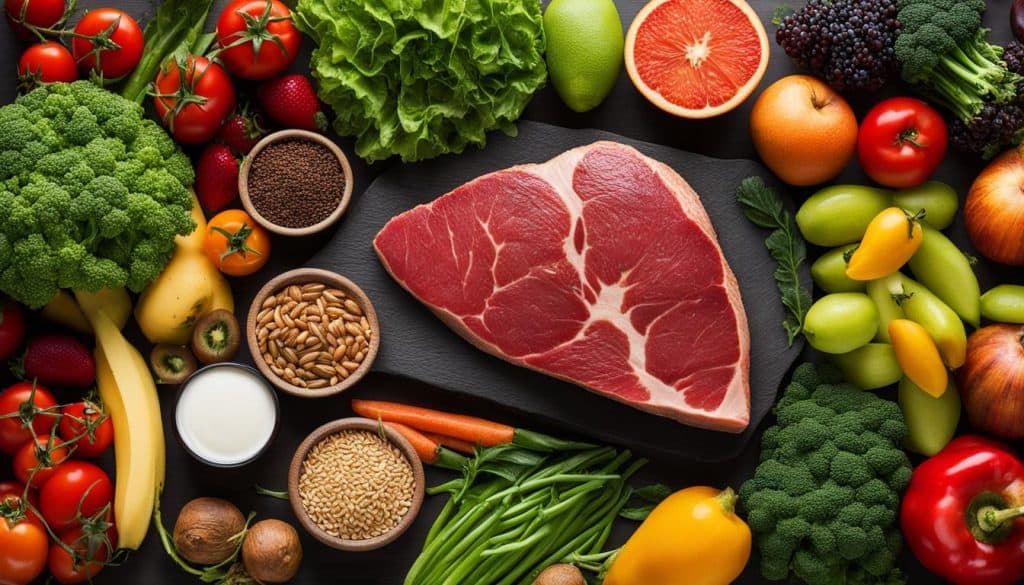
Including liver in your diet can be a flavorful and nutrient-dense addition. Whether you enjoy it as pate, in stews, or grilled, it can provide a wide range of essential nutrients that support your overall health and well-being.
Berries
When it comes to nutrient-rich fruits, berries are hard to beat. Packed with antioxidants, they are considered one of the healthiest and most nutritious options available. Take blueberries, for example. They contain powerful compounds like anthocyanins and polyphenols, which have been shown to offer a range of health benefits.
One notable benefit of berries is their potential neuroprotective effects. Research suggests that the antioxidants found in berries may help improve thinking and mood. Additionally, these compounds could potentially inhibit the growth of cancer cells. Incorporating berries into your diet is a delicious way to enhance your overall well-being.
Whether enjoyed fresh, in smoothies, or as a topping for yogurt or oatmeal, berries are a versatile and tasty addition to any balanced diet. Their natural sweetness makes them a satisfying and guilt-free treat. So, go ahead and indulge in the vibrant flavors and health benefits that berries have to offer!
Bitter Melon
Bitter melon, also known as bitter gourd, is a nutrient-rich vegetable that offers numerous health benefits. It is packed with antioxidants, making it an excellent addition to a balanced diet.
One of the key advantages of bitter melon is its potential in blood sugar management. Research suggests that bitter melon may help regulate blood sugar levels, making it a promising option for individuals with diabetes or those looking to manage their blood sugar levels.
In addition to its role in blood sugar management, bitter melon is also believed to support brain health. Some studies have shown that the antioxidants found in bitter melon may have neuroprotective effects and could potentially help improve cognitive function and memory.
Furthermore, bitter melon has shown potential in anti-cancer properties. It contains compounds that have been studied for their ability to inhibit the growth and spread of cancer cells. While more research is needed in this area, bitter melon holds promise as a natural addition to cancer-fighting strategies.
Not only is bitter melon nutrient-rich, but it is also low in calories, making it an excellent choice for those looking to maintain a healthy weight. It provides essential nutrients such as fiber, calcium, magnesium, potassium, B vitamins, and vitamins C, K, and A, all of which play crucial roles in supporting overall health and well-being.
FAQ
What are some examples of nutrient-rich foods?
Some examples of nutrient-rich foods include salmon, sardines, kale, seaweed, garlic, shellfish, potatoes, liver, berries, and bitter melon.
Why are salmon and sardines considered nutrient-rich?
Salmon and sardines are considered nutrient-rich because they are high in omega-3 fatty acids, which are essential for brain function and heart health. They also provide high-quality animal protein, as well as a variety of vitamins and minerals.
What makes kale a nutrient-rich vegetable?
Kale is a nutrient-dense vegetable packed with vitamins, minerals, fiber, and antioxidants. It is especially high in vitamins C, A, K, and B6, as well as potassium, calcium, magnesium, copper, and manganese.
How is seaweed a nutrient-dense food?
Seaweed, also known as sea vegetables, is highly nutritious and rich in minerals like calcium, iron, magnesium, and manganese. It is particularly high in iodine, which is essential for thyroid function. Seaweed also contains antioxidants and other nutrients that may have anti-inflammatory and protective properties.
What nutrients does garlic provide?
Garlic is not only flavorful but also highly nutritious. It contains vitamins C, B1, and B6, as well as calcium, potassium, copper, manganese, and selenium. Garlic’s sulfur compound, allicin, has shown to have disease-fighting properties and may help lower the risk of heart disease and certain types of cancer.
Why are shellfish considered nutrient-rich?
Shellfish, such as clams, oysters, scallops, and mussels, are incredibly nutritious. They are rich in vitamins, minerals, and quality protein. For example, clams are an excellent source of vitamin B12, which is important for nerve function and producing red blood cells. It’s important to choose sustainable and safe-to-eat shellfish.
What nutrients can be found in potatoes?
Potatoes are a versatile and nutrient-rich food. They contain potassium, magnesium, iron, copper, manganese, vitamin C, and most B vitamins. Leaving the skin on can provide additional fiber. Potatoes can be a filling and satiating food, and research suggests they may be more filling than other high-carb foods.
What nutrients are found in liver?
Liver is a highly nutritious organ meat that contains significant amounts of vitamin B12, vitamin A, vitamin B2, copper, iron, phosphorus, zinc, selenium, and high-quality animal protein. Consuming liver once a week can help ensure you are getting optimal amounts of these vital nutrients.
Why are berries considered nutrient-rich fruits?
Berries, such as blueberries, are packed with antioxidants and are considered one of the most nutrient-dense fruits. Blueberries, for example, contain anthocyanins and other polyphenols that may have neuroprotective effects, improve thinking and mood, and potentially inhibit cancer cell growth.
What makes bitter melon a nutrient-rich vegetable?
Bitter melon, also known as bitter gourd, is a nutrient-rich vegetable with antioxidant properties. It is traditionally used as a medicinal food and has shown potential benefits in blood sugar management, brain health, and even anti-cancer properties. Bitter melon is low in calories and provides fiber, calcium, magnesium, potassium, B vitamins, and vitamins C, K, and A.