
Most people don’t wake up one morning and think, My gut health is falling apart.
It happens slowly.
You feel heavy after meals that never used to bother you. Your stomach bloats by the afternoon. Energy crashes hit harder. Sleep feels lighter. Your skin changes. Your mood shortens. Cravings become louder than your discipline.
And somewhere underneath all of it, your body starts sending signals that something inside is off balance.
The strange part is this: many of those symptoms don’t begin in your head, your hormones, or even your metabolism.
They begin in your gut.
Inside your digestive system lives an entire ecosystem — trillions of bacteria constantly shaping how you digest food, absorb nutrients, regulate inflammation, manage stress, and even produce mood-related chemicals like serotonin.
When that ecosystem thrives, you feel clearer, lighter, calmer, more energized.
When it doesn’t, your whole body notices.
The good news? Your microbiome responds surprisingly well to the right foods.
Not trendy detoxes. Not starvation diets. Not expensive wellness gimmicks.
Just real food that quietly helps your body repair itself from the inside out.
Why Gut Health Affects Far More Than Digestion
Most people associate gut health with bloating or bathroom habits. But the microbiome reaches much deeper than that.
Researchers now understand that the gut communicates constantly with the brain through the gut-brain axis — a direct connection influencing mood, focus, stress response, cravings, and inflammation.
That’s why poor gut health can sometimes feel like:
- Mental fog that won’t lift
- Random fatigue
- Increased anxiety
- Skin flare-ups
- Sugar cravings
- Poor sleep
- Low motivation
Your digestive system is not isolated. It’s connected to nearly everything.
And modern life isn’t exactly helping.
Highly processed foods, chronic stress, poor sleep, antibiotics, excess sugar, and artificial additives slowly reduce microbial diversity inside the gut. Over time, beneficial bacteria shrink while inflammatory strains begin taking over.
The body adapts for a while. Then the symptoms start getting louder.
What Actually Makes a Food Good for Gut Health?
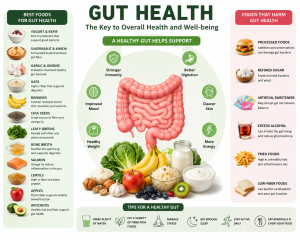
The best foods for gut health usually do one of three things:
- They introduce beneficial bacteria into the microbiome.
- They feed the healthy bacteria already living there.
- They reduce inflammation that damages the gut lining.
The strongest gut-supporting foods tend to contain probiotics, prebiotics, fiber, antioxidants, or anti-inflammatory compounds.
And when those foods become part of your routine consistently, the effects compound.
Not overnight. But steadily.
-
Yogurt
There’s a reason yogurt keeps showing up in gut health conversations.
Quality yogurt contains live probiotic cultures that help replenish beneficial bacteria in the digestive tract. Those bacteria support smoother digestion and may help reduce bloating over time.
The key is choosing the right kind.
Many flavored yogurts are packed with added sugar, which can work against the microbiome instead of helping it. Plain Greek yogurt or unsweetened probiotic yogurt tends to offer the biggest benefit.
Adding berries, chia seeds, or cinnamon gives it even more gut-friendly value.
-
Kefir
If yogurt is helpful, kefir is often considered the next level.
Kefir is a fermented milk drink loaded with diverse probiotic strains — often far more than traditional yogurt. It has a slightly tangy taste and a thinner texture, but its impact on digestion can be surprisingly noticeable.
Many people struggling with bloating or irregular digestion find kefir easier to tolerate than other dairy products.
It also supports microbial diversity, which is one of the strongest indicators of long-term gut resilience.
-
Sauerkraut
Raw sauerkraut does something powerful: it combines probiotics and fiber in the same food.
Because it’s fermented cabbage, it naturally delivers beneficial bacteria while also feeding the good microbes already living inside the gut.
Just make sure it’s refrigerated and unpasteurized.
Shelf-stable versions often lose the live cultures during processing.
A few forkfuls alongside meals can go a long way.
-
Kimchi
Kimchi brings heat, fermentation, fiber, and anti-inflammatory compounds together in one intensely flavorful food.
Made from fermented vegetables, garlic, ginger, and spices, kimchi supports digestion while helping increase microbial diversity.
Its bold flavor profile also tends to stimulate digestive enzymes naturally, which may help food break down more efficiently.
For many people, kimchi becomes one of those foods the body gradually starts craving once the gut begins healing.
-
Garlic
Garlic is one of the quiet heroes of gut health.
Not because it contains probiotics — but because it feeds the bacteria you actually want more of.
Garlic acts as a prebiotic, meaning it nourishes beneficial microbes already living inside the digestive system. It also contains sulfur compounds linked to immune support and inflammation control.
Even small amounts added regularly to meals can make a meaningful difference over time.
-
Onions
Onions are packed with prebiotic fibers like inulin, which beneficial gut bacteria thrive on.
They also support digestion, blood sugar balance, and nutrient absorption.
Raw onions usually provide the strongest prebiotic effect, although lightly cooked onions still offer benefits.
The goal isn’t perfection. It’s frequency.
Your gut responds to repeated signals.
-
Bananas
Bananas are one of the gentlest gut-supportive foods available.
Slightly green bananas contain resistant starch — a type of fiber that feeds healthy bacteria without irritating the digestive tract.
They can help support:
- Regular digestion
- Satiety
- Recovery after digestive upset
- Reduced stomach irritation
For people beginning a gut-healing journey, bananas are often an easy place to start.
-
Oats
Oats contain beta-glucan fiber, which helps beneficial bacteria produce compounds called short-chain fatty acids.
Those compounds help strengthen the gut lining and reduce inflammation inside the digestive tract.
Simple rolled oats or steel-cut oats usually work best.
The heavily sweetened instant packets? Not so much.
Pairing oats with berries, flaxseed, or chia creates an even stronger microbiome-supportive meal.
-
Chia Seeds
Tiny food. Massive impact.
Chia seeds absorb water and create a gel-like texture that supports smoother digestion while delivering fiber, antioxidants, and omega-3 fats.
That fiber becomes fuel for beneficial gut bacteria.
Many people also notice improved fullness and steadier energy when chia becomes part of their routine.
-
Bone Broth
Bone broth feels different when your digestion is struggling.
Warm. Calming. Easy on the stomach.
It contains amino acids like glutamine and glycine that may help support the gut lining, particularly during periods of digestive stress.
Whether homemade or high quality store-bought, bone broth often becomes a comforting reset food when the gut feels inflamed or overwhelmed.
-
Salmon
Gut health is deeply connected to inflammation.
And salmon is one of the best anti-inflammatory foods you can eat.
Rich in omega-3 fatty acids, salmon helps calm inflammatory pathways that can disrupt microbial balance over time.
It also supports brain health, mood regulation, and cardiovascular health — all systems connected to the microbiome in some way.
Wild-caught varieties typically offer the strongest nutrient profile.
-
Apples
There’s something deceptively powerful about apples.
They contain pectin, a type of prebiotic fiber linked to improved microbial diversity and digestive health.
Eating apples regularly may help:
- Improve bowel regularity
- Support beneficial bacteria
- Reduce digestive sluggishness
Keeping the skin on matters. That’s where much of the fiber lives.
-
Lentils
Lentils feed the microbiome while also helping stabilize blood sugar and appetite.
They’re rich in:
- Plant protein
- Resistant starch
- Fiber
- Minerals
For people with sensitive digestion, soaking lentils before cooking can make them easier to tolerate.
The payoff is worth it. Gut bacteria love fiber diversity.
-
Avocados
Avocados support gut health in a different way.
They combine healthy fats and fiber together — a rare combination that helps reduce inflammation while improving digestion and nutrient absorption.
They’re also satisfying, which helps reduce the cycle of constant snacking on processed foods that quietly damage the microbiome.
-
Dark Leafy Greens
Spinach, kale, arugula, and Swiss chard feed beneficial bacteria while delivering antioxidants, magnesium, and plant compounds linked to lower inflammation.
Leafy greens support:
- Digestive regularity
- Detoxification pathways
- Microbial diversity
- Nervous system balance
And because stress directly impacts the gut, that magnesium support matters more than most people realize.
The Foods That Quietly Damage Gut Health
Some foods constantly work against the microbiome, even when the rest of your diet looks healthy.
The biggest offenders tend to be:
- Ultra-processed foods
- Excess sugar
- Artificial sweeteners
- Excess alcohol
- Low-fiber convenience foods
These foods reduce bacterial diversity while increasing inflammatory strains linked to digestive dysfunction.
The issue usually isn’t one meal.
It’s repetition.
Your microbiome adapts to what you feed it most often.
Small Daily Habits That Strengthen the Gut
Healing the gut rarely comes from extreme restriction.
More often, it comes from consistency.
A few habits that genuinely help:
- Eating more fiber gradually
- Including fermented foods several times weekly
- Drinking water before caffeine
- Slowing down while eating
- Sleeping properly
- Managing chronic stress
- Reducing ultra-processed foods
The body wants balance. The microbiome responds when it finally gets the environment it needs.
FAQs
What is the best food for gut health overall?
Kefir is often considered one of the strongest gut-supportive foods because of its high probiotic diversity and digestive benefits.
How long does it take to improve gut health?
Some people notice less bloating and better digestion within days. Deeper microbiome changes typically happen over several weeks or months of consistency.
Can poor gut health affect mood?
Yes. The gut and brain communicate constantly through the nervous system and inflammatory pathways. An imbalanced microbiome may contribute to anxiety, low mood, and mental fatigue.
Are probiotics enough on their own?
Not really. Probiotics work best when paired with prebiotic fiber and anti-inflammatory whole foods that help beneficial bacteria survive long term.
What foods should I avoid for better gut health?
Highly processed foods, excess sugar, artificial sweeteners, and chronic alcohol intake tend to disrupt microbial balance over time.
- Plain Greek yogurt with live cultures
- High-quality kefir drinks
- Refrigerated raw sauerkraut
- Kimchi with minimal additives
- Chia seeds and ground flaxseed
- Steel-cut oats
- Wild-caught salmon
- Glass food containers for meal prep
- Probiotic supplements with multiple strains
- Prebiotic fiber powders
- Bone broth protein
- Fermentation starter kits for homemade probiotic foods