
Are you wondering is rice and fish a good diet choice? Look no further! In this article, I’ll explore the benefits of incorporating rice and fish into your daily meals. From promoting weight loss and heart health to managing diabetes and supporting brain function, this nutritious combination has a lot to offer. But, as with any diet, it’s important to consult with a healthcare professional or registered dietitian before making significant changes to your eating habits.
Key Takeaways – Is Rice And Fish a Good Diet?
- A rice and fish diet can be beneficial for weight loss, heart health, brain function, and diabetes management.
- Consult with a healthcare professional or registered dietitian before adopting any new dietary changes.
- Enjoy the nutritious benefits of rice and fish as part of a well-balanced diet.
- Include a variety of vegetables to complement your rice and fish meals for added nutrients.
- Remember to listen to your body and make adjustments to your diet as needed.
The Benefits of a Fish, Rice, and Vegetable Diet for Optimal Health
A fish, rice, and vegetable diet offers a multitude of advantages for both your body and mind. By incorporating these nutritious foods into your daily meals, you can experience significant improvements in your overall well-being. Let’s explore the various benefits:
Promotes Heart Health
The omega-3 fatty acids present in fish play a vital role in supporting heart health. These fatty acids help reduce the risk of heart disease and lower blood pressure, making them an essential component of a healthy diet. By consuming fish regularly, you can safeguard your cardiovascular system and maintain a healthy heart.
Enhances Digestive Health
Fish, known for its easy digestibility, is an excellent choice for promoting a healthy digestive system. It aids in preventing digestion-related issues like bloating and constipation, ensuring smooth bowel movements. Additionally, the gentle nature of rice further contributes to maintaining digestive health, making this diet ideal for individuals with sensitive stomachs.
Improves Brain Function
The omega-3 fatty acids found in fish are not only beneficial for the heart but also for overall brain function. They have been shown to enhance memory, brain health, and cognitive function. Combined with the antioxidants present in vegetables, the fish and vegetable combination offers optimal brain health benefits, reducing the risk of cognitive decline.
Aids in Weight Loss
For individuals looking to shed excess pounds, a fish, rice, and vegetable diet can be an effective choice. Fish provides a lean source of protein that helps you feel fuller for longer, reducing cravings and promoting satiety. Rice and vegetables, on the other hand, are low in calories but high in fiber, creating a calorie deficit and facilitating weight loss.
Packed with Essential Nutrients
A fish, rice, and vegetable diet ensures you receive essential nutrients for overall health and well-being. Fish is an excellent source of protein, vitamins, and minerals, including vitamin D and selenium. Rice provides carbohydrates for energy, while vegetables offer a rich supply of vitamins, minerals, and antioxidants to support optimal health.
Prevents Chronic Diseases
Consuming a fish, rice, and vegetable diet is a proactive approach to safeguarding your health against chronic diseases. This diet has been associated with a decreased risk of chronic conditions such as heart disease, diabetes, and certain types of cancer. By prioritizing these nutritious foods, you’re taking a significant step towards a healthier future.
| Benefits | |
|---|---|
| Heart Health | Promotes heart health, reduces the risk of heart disease, and lowers blood pressure. |
| Digestive Health | Aids in digestion, prevents digestive issues, and promotes regular bowel movements. |
| Brain Function | Improves cognitive function, memory, and overall brain health. |
| Weight Loss | Assists in weight loss by providing a lean source of protein and low-calorie options. |
| Essential Nutrients | Provides essential nutrients such as protein, vitamins, and minerals. |
| Prevents Chronic Diseases | Reduces the risk of chronic diseases such as heart disease, diabetes, and certain types of cancer. |
By adopting a fish, rice, and vegetable diet, you can reap the remarkable rewards it offers for your optimal health. Remember, it’s always beneficial to consult with a healthcare professional or registered dietitian before making any significant changes to your diet plan.
Promoting Heart Health with a Fish, Rice, and Vegetable Diet
One of the key benefits of a fish, rice, and vegetable diet is its ability to promote heart health. Fish, such as salmon and tuna, are rich in omega-3 fatty acids, which have been shown to reduce the risk of heart disease and lower blood pressure. Additionally, the high fiber content in rice and vegetables can help lower cholesterol levels and improve overall cardiovascular function.
| Fish | Rice | Vegetables |
|---|---|---|
| Rich in omega-3 fatty acids | High in fiber | Contain heart-healthy antioxidants |
| Reduces risk of heart disease | Helps lower cholesterol levels | Improves cardiovascular function |
| Low in saturated fats | Promotes healthy blood pressure | Supports overall heart health |
By incorporating a fish, rice, and vegetable diet into your lifestyle, you can provide your body with the necessary nutrients to improve heart health and reduce the risk of cardiovascular diseases. The omega-3 fatty acids found in fish have anti-inflammatory properties that can support healthy blood vessels and lower the risk of blood clots. Additionally, the high fiber content in rice and vegetables helps to decrease cholesterol levels and maintain a healthy weight, further benefiting heart health.
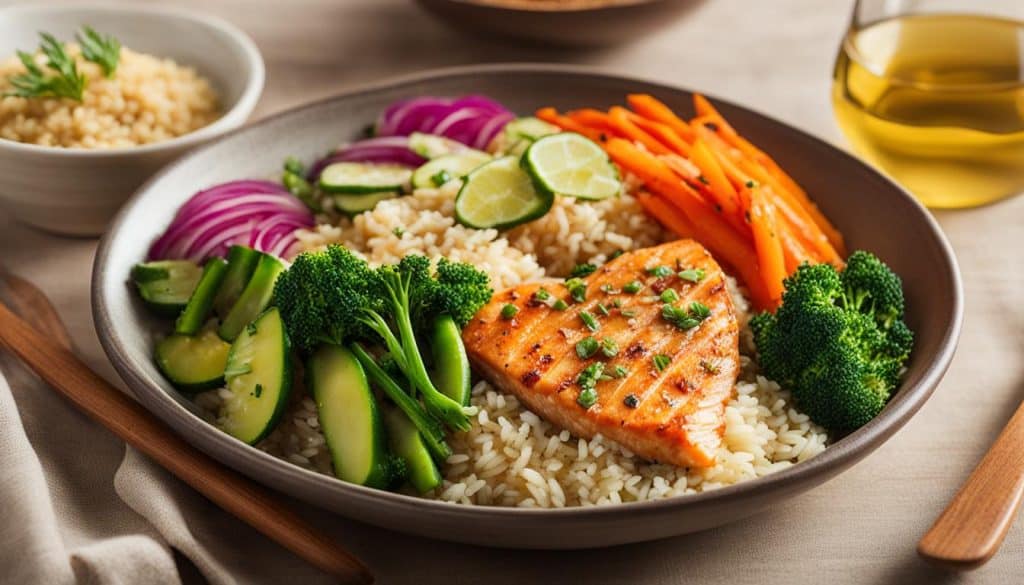
The combination of fish, rice, and vegetables in a balanced diet can improve cardiovascular function and contribute to a healthier heart. Try incorporating fish into your meals a few times a week, choosing options such as salmon, mackerel, and sardines, which are particularly rich in omega-3 fatty acids. Enjoy rice as a nutritious carbohydrate source, and fill your plate with an assortment of colorful vegetables to obtain an array of essential vitamins, minerals, and antioxidants that benefit heart health.
Supporting Weight Loss with a Fish, Rice, and Vegetable Diet
If you’re looking to shed a few pounds, incorporating a fish, rice, and vegetable diet into your daily routine can be a great option. This combination of nutrient-dense foods can help you achieve your weight loss goals while providing essential nutrients for optimal health.
Fish is a lean source of protein that can help you feel full and satisfied, reducing the likelihood of overeating. It is also low in calories, making it an excellent choice for weight loss. By including fish in your diet, you can create a calorie deficit, a key factor in achieving weight loss.
Rice and vegetables are low in calories and high in fiber, which can further support your weight loss journey. The high fiber content of rice and vegetables promotes satiety, helping you feel fuller for longer periods and reducing the urge to snack on high-calorie foods. Additionally, fiber aids digestion, promotes regular bowel movements, and helps maintain a healthy gut.
Including fish, rice, and vegetables in your diet not only helps you create a calorie deficit but also ensures that your body receives the essential nutrients it needs for overall well-being. This combination of lean protein, low-calorie options, and high fiber content can support your weight loss efforts and contribute to a healthier lifestyle.
Benefits of a Fish, Rice, and Vegetable Diet for Weight Loss:
- Lean source of protein to reduce overeating
- Low in calories
- High in fiber for satiety
- Aids digestion and promotes regular bowel movements
- Provides essential nutrients for overall health
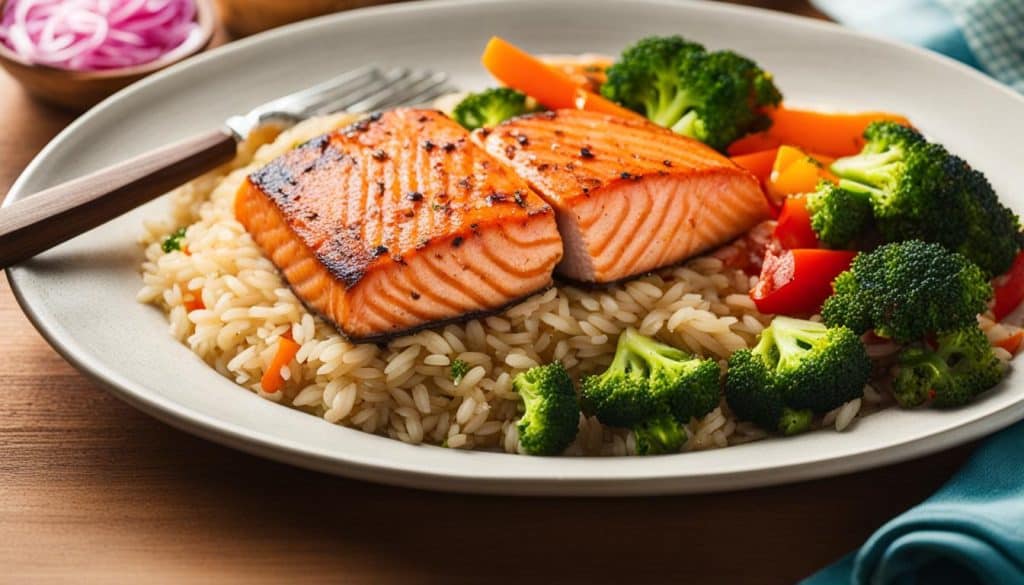
By incorporating fish, rice, and vegetables into your diet, you can create a calorie deficit and achieve your weight loss goals. Remember to consult with a healthcare professional or registered dietitian before making any significant changes to your diet.
Boosting Brain Function with a Fish, Rice, and Vegetable Diet
When it comes to supporting brain health, the benefits of a fish, rice, and vegetable diet are hard to ignore. Not only do fish and vegetables provide essential nutrients, but they also contain compounds that can enhance cognitive function, improve memory, and protect brain cells from damage.
The key players in this brain-boosting diet are the omega-3 fatty acids found in fish. These essential fats have been shown to improve cognitive function and memory, making them crucial for maintaining optimal brain health. Incorporating fish into your diet, such as salmon or tuna, can provide a rich source of omega-3 fatty acids.
In addition to omega-3 fatty acids, vegetables play a vital role in protecting the brain. They are packed with antioxidants that help combat free radicals, which can cause damage to brain cells. By including a variety of vegetables in your diet, such as leafy greens, broccoli, and bell peppers, you can ensure your brain receives the necessary antioxidants to stay healthy and protected.
By combining fish, rice, and vegetables in your diet, you can create a nutritional powerhouse that supports brain function, improves memory, and reduces the risk of cognitive decline. The omega-3 fatty acids in fish and the antioxidants in vegetables work together to provide a comprehensive approach to brain health.
Enhancing Digestive Health with a Fish, Rice, and Vegetable Diet
A fish, rice, and vegetable diet can be a game-changer for your digestive health. I’m thrilled to share with you how this nutritious combination of foods can prevent digestive issues, reduce bloating, relieve constipation, and promote regular bowel movements.
Firstly, let’s talk about fish. It’s easily digestible, making it gentle on the stomach and preventing any discomfort after meals. The omega-3 fatty acids found in fish are known to aid in digestion and reduce inflammation in the gut, promoting a healthy digestive system.
Next up, rice. This gluten-free grain is a staple in many diets and can work wonders for your digestive health. It’s easy on the stomach and can help regulate bowel movements, preventing constipation. The fiber content in rice adds bulk to your stool, making it easier to pass and reducing the chances of constipation.
Now, let’s not forget about the star of the vegetable world. Rich in fiber, vegetables play a crucial role in maintaining healthy digestion. Fiber adds bulk to the stool and promotes regular bowel movements, preventing digestive disorders such as constipation and irritable bowel syndrome (IBS). Incorporating a variety of vegetables in your fish and rice-based meals will ensure you’re getting all the essential nutrients and fiber your digestive system needs.
By following a fish, rice, and vegetable diet, you’re giving your digestive system the nutrients it needs to function optimally. This gentle and easily digestible combination of foods can prevent digestive disorders and keep your gut in excellent condition.
Incorporating fish, rice, and vegetables into your meals is easy and delicious. Here’s a simple meal idea using these ingredients:
| Meal Idea | Ingredients | Preparation |
|---|---|---|
| Fish and Vegetable Stir-Fry |
|
|
Enjoy this delicious and nutritious meal that’s gentle on your stomach and promotes digestive health.
Remember, if you have any pre-existing digestive conditions or concerns, it’s always best to consult with a healthcare professional or registered dietitian before making significant changes to your diet. They can provide personalized guidance and ensure that a fish, rice, and vegetable diet aligns with your specific needs.
Providing Essential Nutrients with a Fish, Rice, and Vegetable Diet
When it comes to fueling your body with essential nutrients, a fish, rice, and vegetable diet is an excellent choice. This combination is packed with vitamins, minerals, and antioxidants that support overall health and well-being. Let’s take a closer look at the nutritional benefits of each component:
The Nutritional Power of Fish:
Fish is not only a delicious addition to your diet, but it also provides essential nutrients that are vital for optimal health. In particular, fish is an excellent source of protein, which is essential for building and repairing tissues in the body. It also contains omega-3 fatty acids, which promote heart health, reduce inflammation, and support brain function.
The Nutritional Value of Rice:
Rice is a versatile grain that serves as a valuable source of carbohydrates, providing the energy your body needs to fuel its daily activities. Additionally, rice contains important vitamins and minerals, such as vitamin B complex, which plays a crucial role in energy production. It also contains fiber, which supports digestive health and helps maintain a healthy weight.
The Nutrient-Rich Benefits of Vegetables:
Vegetables are a treasure trove of essential nutrients, packed with vitamins, minerals, and antioxidants. They provide a wide range of vitamins, including vitamin A, vitamin C, and vitamin K, which are important for maintaining a healthy immune system, promoting healthy skin, and supporting bone health. Vegetables also contain minerals like potassium, magnesium, and folate, which are essential for various bodily functions.
“A fish, rice, and vegetable diet is a nutrient powerhouse that helps nourish your body, providing the essential vitamins, minerals, and antioxidants it needs to function at its best.”
By incorporating fish, rice, and vegetables into your diet, you can ensure that your body receives a balanced array of essential nutrients. Whether it’s the protein from fish, the energy from rice, or the vitamins and minerals from vegetables, each component plays a vital role in supporting your overall health and well-being.
| Nutrient | Fish | Rice | Vegetables |
|---|---|---|---|
| Protein | ✓ | ||
| Vitamins | ✓ | ✓ | |
| Minerals | ✓ | ✓ | |
| Omega-3 Fatty Acids | ✓ | ||
| Carbohydrates | ✓ | ||
| Antioxidants | ✓ |
Note: This table highlights the presence of essential nutrients in each component of a fish, rice, and vegetable diet.
With all these nutrient-packed ingredients, a fish, rice, and vegetable diet is an excellent way to nourish your body from within. Remember to make sustainable choices when selecting fish and opt for a variety of vegetables to maximize your nutrient intake. Your health and well-being will thank you!
Frequently Asked Questions about the Fish, Rice, and Vegetable Diet
During my research on the benefits of a fish, rice, and vegetable diet, I encountered several common questions. Here, I’ll address these queries to provide you with a clearer understanding of this nutritious eating plan.
1. Is a fish, rice, and vegetable diet suitable for vegetarians?
No, a fish, rice, and vegetable diet is not suitable for vegetarians as it includes fish, which is an animal product. However, vegetarians can still embrace the health benefits of a plant-based diet consisting of rice and vegetables. Protein-rich alternatives like tofu and legumes can be used as substitutes for fish.
2. How frequently should fish, rice, and vegetables be consumed?
The frequency of consuming fish, rice, and vegetables depends on individual dietary goals and preferences. However, the American Heart Association recommends eating at least two servings of fish per week. As for rice and vegetables, they can constitute a substantial portion of your daily meals.
3. Can fish, rice, and vegetables be combined with other foods?
Absolutely! The fish, rice, and vegetable diet can be complemented by a variety of food combinations. You can incorporate whole grains, different types of fish, and an assortment of vegetables to ensure a diverse and balanced meal plan. Be mindful of portion sizes and nutritional requirements to optimize the benefits of this diet.
4. Are there any potential drawbacks to a fish, rice, and vegetable diet?
While a fish, rice, and vegetable diet offers numerous health benefits, there are a few potential drawbacks to consider. Some individuals may have allergies or sensitivities to fish, and rice consumption should be moderated for those with diabetes or blood sugar management concerns. Additionally, variation and moderation are key to prevent nutrient deficiencies.
5. Can a fish, rice, and vegetable diet help prevent chronic diseases?
Yes, a fish, rice, and vegetable diet has been associated with a reduced risk of chronic diseases. The omega-3 fatty acids in fish promote heart health and may help prevent heart disease. The high fiber content in rice and vegetables supports digestive health and can reduce the risk of conditions like colorectal cancer. Additionally, this diet provides essential nutrients that contribute to overall well-being and help prevent chronic diseases.
| Benefits | Drawbacks |
|---|---|
| Improved heart health | Potential fish allergies or sensitivities |
| Weight loss support | Moderation needed for diabetes management |
| Enhanced brain function | Importance of variation to prevent nutrient deficiencies |
| Promoted digestive health | |
| Prevention of chronic diseases |
It’s always advisable to consult with a healthcare professional or registered dietitian before making any significant changes to your diet, ensuring it aligns with your specific health needs and dietary goals.
Conclusion
Incorporating a fish, rice, and vegetable diet into your daily routine can have significant health benefits and contribute to optimal well-being. This combination of nutritious foods not only promotes heart health, supports weight loss, boosts brain function, and enhances digestive health, but also provides essential nutrients that are vital for overall health.
By including fish, such as salmon and tuna, you can benefit from the omega-3 fatty acids that improve heart health and reduce the risk of heart disease. Rice and vegetables, with their high fiber content, help lower cholesterol levels and improve cardiovascular function. Additionally, the omega-3 fatty acids in fish enhance brain function and memory, while the antioxidants in vegetables protect brain cells from damage and reduce the risk of cognitive decline.
A fish, rice, and vegetable diet is also beneficial for digestive health. Fish is easily digestible, preventing digestive issues like bloating and constipation. Rice, being gentle on the stomach, promotes regular bowel movements. The rich fiber content found in vegetables aids digestion and helps prevent digestive disorders.
Before making any significant changes to your diet, it is essential to consult with a healthcare professional or registered dietitian. They can provide personalized guidance and ensure that the fish, rice, and vegetable diet aligns with your specific health needs and goals. Remember, the advice of a healthcare professional is crucial, as they have the expertise to design a diet plan that optimizes your health.
FAQ
Is a fish, rice, and vegetable diet suitable for vegetarians?
No, a fish, rice, and vegetable diet is not suitable for vegetarians as it includes fish, which is an animal product. However, vegetarians can still benefit from a rice and vegetable diet by substituting fish with plant-based protein sources such as tofu or legumes.