
Eating healthy long term effectsNo matter how old you are, or how much junk food you consume, it’s never too late to start undoing the damage caused by a poor diet. Scientists have found that people can gain sizable health benefits at any age by cutting back on highly processed foods loaded with salt, sugar, and additives and replacing them with more nutritious foods like fruits, vegetables, nuts, beans, lentils, seafood, and whole grains.
Following a healthy diet from a young age leads to the greatest gains in life expectancy, but even people who wait until middle age or later to improve their eating habits still can add years to their lives. Small changes, like adding a handful of nuts to your daily diet and cutting back on processed meats, can have a significant impact on your health.
Key Takeaways – Eating Healthy Long Term Effects
- Eating healthy has long-term benefits for both your body and mind.
- A balanced diet that includes fruits, vegetables, whole grains, lean proteins, and healthy fats can improve your overall health.
- By prioritizing a healthy diet, you can reduce the risk of chronic diseases.
- Making small changes to your diet can have a significant impact on your long-term health outcomes.
- Start making positive changes today and unlock the long-lasting benefits of eating well.
The Benefits of Eating Well at Any Age
Eating a healthy diet has long-lasting benefits for individuals of all ages. Whether you’re young or older, making positive changes to your eating habits can have a significant impact on your long-term health outcomes. Research has shown that even small improvements in diet can lead to a reduction in mortality and a decreased risk of chronic diseases.
In a study published in the New England Journal of Medicine, it was found that individuals with consistently high diet scores were up to 14% less likely to die from any cause compared to those with consistently poor diets. By incorporating more nutritious foods like fruits, vegetables, whole grains, lean proteins, and healthy fats into your diet, you can experience a range of health benefits.
“Even small improvements in diet scores, such as a 20% increase, resulted in an 8% reduction in mortality and a 7-15% decrease in the likelihood of dying from heart disease.”
These benefits are not limited to specific age groups. It is never too late to start prioritizing a healthy diet and reap the rewards. Even gradual changes over time can lead to weight loss, lower cholesterol levels, improved cardiovascular health, and a reduced risk of chronic diseases.
So take charge of your health and start adopting a healthy diet today. Making small changes to your eating habits can have a big impact on your long-term well-being, no matter your age or current eating habits.
The Role of Diet in Preventing Chronic Diseases
Eating a healthy diet can have a profound impact on preventing chronic diseases and promoting long-term health. By making simple changes to your diet and adopting a nutritious eating pattern, you can reduce the risk of developing conditions such as heart disease, type 2 diabetes, and certain types of cancer.
The Link Between Diet and Chronic Diseases
Evidence shows that maintaining a diet rich in fruits, vegetables, whole grains, lean proteins, and healthy fats can decrease the likelihood of chronic diseases. Consuming foods low in sodium and saturated fats while increasing the intake of nutrient-dense options can lower the risk of high blood pressure, high blood cholesterol, and other health complications.
According to the American Heart Association, a diet that includes an abundance of fruits and vegetables, whole grains, lean proteins, and healthy fats can significantly reduce the risk of heart disease. Incorporating these heart-healthy foods into your daily meals can improve cholesterol levels, lower blood pressure, and reduce inflammation in the body.
| Foods to Limit | Foods to Include | |
|---|---|---|
| 1 | Processed meats | Lean proteins like poultry, fish, and legumes |
| 2 | Sugary beverages | Water, herbal tea, and unsweetened beverages |
| 3 | Highly processed snacks | Whole fruits, raw nuts, and natural yogurt |
Adopting a healthy eating pattern is a proactive approach to disease prevention. By prioritizing a diet rich in nutritious foods and avoiding excessive intake of unhealthy options, you can significantly improve your health outcomes and reduce the risk of chronic diseases.
To further reduce the risk of chronic diseases, it is essential to engage in regular physical activity, manage stress levels, get quality sleep, and avoid smoking. By adopting a holistic approach to your overall well-being and incorporating healthy eating habits, you can promote a long and healthy life.
The Impact of Healthy Eating on Heart Health
Eating a healthy diet has a significant impact on heart health. Studies have shown that a Mediterranean-style diet, which includes fruits, vegetables, whole grains, lean proteins, and healthy fats, can reduce the risk of heart disease and stroke. Small changes like adding nuts, increasing legume intake, and opting for whole grains can improve cholesterol levels, lower blood pressure, and reduce inflammation in the body. By prioritizing heart-healthy foods, you can improve your cardiovascular health and reduce the risk of heart disease and stroke.
Research has consistently demonstrated the positive effects of a healthy diet on cardiovascular health. A study published in the American Journal of Clinical Nutrition found that individuals who adhered to a heart-healthy diet had a 35% lower risk of developing cardiovascular disease. Another study published in the Journal of the American College of Cardiology showed that a diet rich in fruits, vegetables, fish, and whole grains was associated with a 28% reduced risk of heart failure.
| Dietary Factor | Benefit |
|---|---|
| Increased intake of fruits and vegetables | Lower risk of heart disease and stroke |
| Incorporation of healthy fats | Improvement in cholesterol levels |
| Consumption of whole grains | Reduction in blood pressure |
By following a heart-healthy eating pattern, you can improve your overall cardiovascular health. This not only reduces the risk of developing heart disease and stroke but also promotes longevity and a higher quality of life. It’s never too late to start making positive changes to your diet and reaping the long-lasting benefits of eating well for your heart.
The Link Between Diet and Weight Management
Eating a healthy diet is crucial for weight management and maintaining a healthy body weight. By choosing nutrient-dense foods and controlling portion sizes, you can achieve and maintain a healthy weight. Focusing on whole, unprocessed foods, and incorporating regular physical activity into your routine can help with weight loss and weight maintenance. A healthy diet not only supports weight management but also provides essential nutrients for overall health and well-being.
The Importance of Portion Control
One key aspect of weight management is portion control. It’s important to be mindful of the amount of food you consume, as even healthy foods can contribute to weight gain if consumed in excess. Using smaller plates, bowls, and cups can help you manage portion sizes. Additionally, listening to your body’s hunger and fullness cues can help you avoid overeating.
The Role of Nutrient-Dense Foods
When it comes to weight management, not all calories are created equal. Choosing nutrient-dense foods that are rich in vitamins, minerals, and fiber can help you feel satisfied and reduce the temptation to overeat. Include a variety of fruits, vegetables, whole grains, lean proteins, and healthy fats in your diet to ensure you’re getting the essential nutrients your body needs while managing your weight.
The Benefits of Regular Physical Activity
In addition to a healthy diet, regular physical activity is vital for weight management. Engaging in activities you enjoy, such as walking, swimming, or dancing, can help burn calories and increase muscular strength. Aim for at least 150 minutes of moderate-intensity aerobic activity or 75 minutes of vigorous-intensity aerobic activity each week, along with muscle-strengthening exercises twice a week.
| Benefits of a Healthy Diet for Weight Management |
|---|
| 1. Provides essential nutrients for overall health |
| 2. Helps control portion sizes |
| 3. Reduces the temptation to overeat |
| 4. Supports feelings of satiety and satisfaction |
| 5. Contributes to weight loss and weight maintenance |
| 6. Improves overall energy levels and well-being |
By adopting a healthy diet and incorporating regular physical activity into your lifestyle, you can effectively manage your weight and improve your overall health. Remember that small, sustainable changes are key to long-term success. Start by incorporating more whole, unprocessed foods into your diet and finding enjoyable ways to stay active. Your body will thank you for it!
Dietary Habits and Chronic Disease Prevention
When it comes to our health, the long-lasting benefits of eating well cannot be overstated. By adopting a healthy diet and making long-term changes to our dietary habits, we can significantly reduce the risk of chronic diseases such as cardiovascular disease, type 2 diabetes, and certain types of cancer. It is never too late to prioritize our health and prevent these conditions.
Research has shown that consuming a diet rich in fruits, vegetables, whole grains, lean proteins, and healthy fats can have a profound impact on our well-being. By avoiding excessive intake of sodium, saturated fats, and added sugars, we can lower our risk of developing these chronic diseases and improve our overall health outcomes.
By making small but sustainable changes to our eating habits, such as incorporating more nutritious options and reducing processed food intake, we can significantly improve our health. It is important to remember that healthy eating is a journey, and every positive choice we make contributes to our long-term well-being.
The Importance of Nutrient-Rich Foods
One of the key aspects of adopting a healthy diet is focusing on nutrient-rich foods. These foods provide essential vitamins, minerals, and other nutrients that our bodies need to function optimally. By incorporating a variety of fruits, vegetables, whole grains, lean proteins, and healthy fats into our daily meals, we can ensure that we are meeting our nutritional needs.
Unfortunately, many people do not consume the recommended amounts of fruits and vegetables each day, leading to nutritional deficiencies that can contribute to chronic diseases. By understanding the importance of nutrient-rich foods and making them a priority in our diets, we can take control of our health and prevent these conditions.
The Power of Long-Term Healthy Eating
The positive effects of a healthy diet are not temporary – they have a lasting impact on our overall well-being. By committing to long-term healthy eating habits, we can protect ourselves against chronic diseases and improve our quality of life. It is never too late to start prioritizing our health and reap the benefits of a nutritious diet.
| Chronic Disease | Risk Reduction |
|---|---|
| Cardiovascular Disease | Lowered risk through improved cholesterol levels and blood pressure |
| Type 2 Diabetes | Reduced risk through weight management and improved blood sugar control |
| Certain Types of Cancer | Decreased risk through the consumption of antioxidant-rich foods |
By making conscious choices about the foods we eat and prioritizing a balanced diet, we can take control of our health and prevent the onset of chronic diseases. The power to improve our well-being is in our hands, and it starts with the choices we make every day.
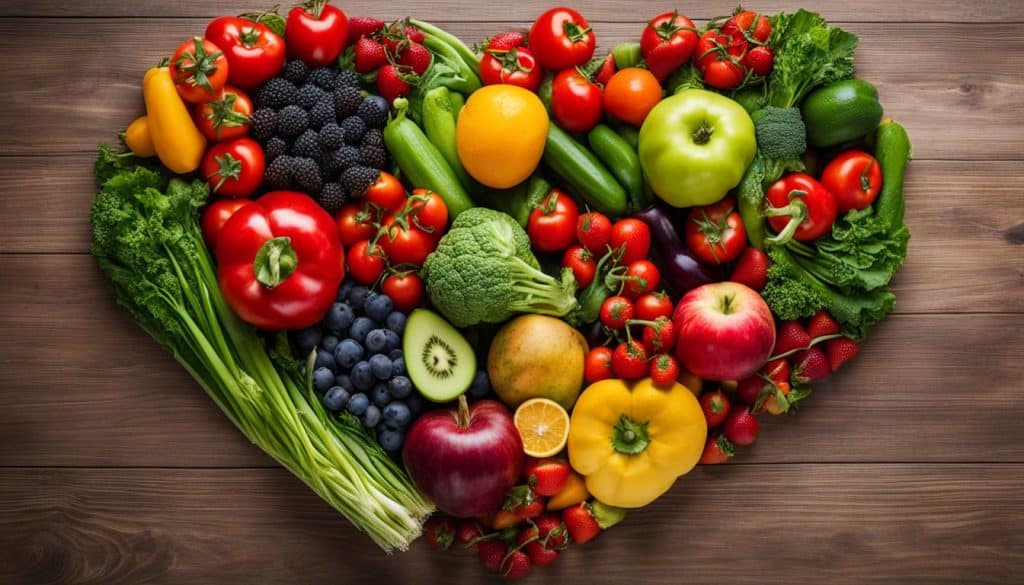
The Importance of Nutrition Basics
A balanced diet that includes a variety of fruits, vegetables, whole grains, low-fat dairy products, and lean meats is crucial for optimal nutrition. Many Americans do not consume the recommended amounts of fruits and vegetables each day, which can lead to nutritional deficiencies. Understanding the daily calorie requirements and food groups can help individuals make informed choices about their diet and ensure they are meeting their nutritional needs.
Eating a variety of fruits and vegetables provides essential vitamins, minerals, and fiber that promote overall health and well-being. These nutrient-dense foods are low in calories and high in antioxidants, which help protect against chronic diseases and support a strong immune system. Incorporating whole grains into your diet provides complex carbohydrates for energy and fiber to aid in digestion.
| Nutrient | Recommended Daily Amount |
|---|---|
| Calcium | 1,000 to 1,300 milligrams |
| Vitamin C | 75 to 90 milligrams |
| Potassium | 2,600 to 3,100 milligrams |
| Fiber | 25 to 30 grams |
In addition to fruits and vegetables, incorporating lean proteins, such as poultry, fish, and legumes, provides essential amino acids for muscle growth and repair. Low-fat dairy products are excellent sources of calcium, which is essential for strong bones and teeth. The combination of these food groups creates a well-rounded diet that supports optimal nutrition.
By prioritizing a balanced diet that includes all the necessary food groups and nutrients, individuals can reap the benefits of healthy eating. A nutritious diet provides the body with the fuel it needs to function properly, boosts energy levels, improves concentration, and enhances overall well-being. Making informed choices about your diet and incorporating nutrition basics into your daily routine is a simple yet effective way to prioritize your health and long-term well-being.
The Impact of Healthy Eating on Overall Well-being
When it comes to healthy eating, the benefits go far beyond just physical health. A nutritious diet plays a crucial role in enhancing overall well-being, including mental and emotional health. By fueling your body with the right nutrients, you can improve energy levels, cognitive function, mood, and sleep quality.
Research has shown that certain foods can have a positive effect on mental well-being. For example, foods rich in omega-3 fatty acids, such as fatty fish and walnuts, have been found to support brain health and mood regulation. Additionally, a diet that includes a variety of fruits, vegetables, whole grains, and lean proteins provides essential vitamins and minerals that support the nervous system and promote optimal brain function.
Furthermore, adopting a healthy eating pattern can have a profound impact on emotional well-being. By avoiding processed foods that are high in refined sugars and unhealthy fats, and instead choosing nutrient-dense options, you can help stabilize blood sugar levels and promote a more stable mood. A well-balanced diet can also provide the necessary building blocks for the production of neurotransmitters, such as serotonin, which play a key role in regulating mood and promoting feelings of happiness.
In essence, healthy eating is about more than just physical health. It is a powerful tool for nourishing both the body and mind, and improving overall well-being. By making conscious choices to prioritize nutritious foods and avoid those that can negatively impact mental and emotional health, you can unlock the long-lasting benefits of eating well.

The Impact of Healthy Eating on Overall Well-being
Healthy eating is not just about physical health but also has a significant impact on overall well-being. A nutritious diet can improve energy levels, cognitive function, mood, and sleep quality. By fueling your body with the right nutrients, you can enhance your mental and emotional well-being and improve your overall quality of life.
“Let food be thy medicine and medicine be thy food.” – Hippocrates
Research has shown that certain foods can have a positive effect on mental well-being. For example, foods rich in omega-3 fatty acids, such as fatty fish and walnuts, have been found to support brain health and mood regulation. Additionally, a diet that includes a variety of fruits, vegetables, whole grains, and lean proteins provides essential vitamins and minerals that support the nervous system and promote optimal brain function.
Furthermore, adopting a healthy eating pattern can have a profound impact on emotional well-being. By avoiding processed foods that are high in refined sugars and unhealthy fats, and instead choosing nutrient-dense options, you can help stabilize blood sugar levels and promote a more stable mood. A well-balanced diet can also provide the necessary building blocks for the production of neurotransmitters, such as serotonin, which play a key role in regulating mood and promoting feelings of happiness.
In essence, healthy eating is about more than just physical health. It is a powerful tool for nourishing both the body and mind, and improving overall well-being. By making conscious choices to prioritize nutritious foods and avoid those that can negatively impact mental and emotional health, you can unlock the long-lasting benefits of eating well.
The Role of Healthy Eating in Disease Prevention
Eating a healthy diet plays a crucial role in preventing chronic diseases such as heart disease, type 2 diabetes, and certain types of cancer. By making long-term changes to your eating habits, you can significantly reduce your risk of developing these conditions and promote long-term health.
One of the key benefits of long-term healthy eating is the reduction in the risk of heart disease. By prioritizing heart-healthy foods such as fruits, vegetables, whole grains, lean proteins, and healthy fats, you can improve your cardiovascular health. Studies have shown that a Mediterranean-style diet, which includes these nutrient-rich foods, can reduce the risk of heart disease and stroke.
In addition to heart health, a healthy diet can also help prevent type 2 diabetes. By consuming a diet rich in fruits, vegetables, whole grains, and lean proteins, you can lower your risk of developing this chronic condition. These foods are low in sugar and high in fiber, which helps regulate blood sugar levels and promotes insulin sensitivity.
Furthermore, adopting a healthy eating pattern can reduce the risk of certain types of cancer. Consuming a diet that is high in fruits, vegetables, whole grains, and lean proteins provides the body with essential antioxidants, vitamins, and minerals that can help prevent the development of cancer cells.
The role of healthy eating in disease prevention can be summarized as follows:
- Reduces the risk of heart disease and stroke
- Prevents type 2 diabetes
- Reduces the risk of certain types of cancer
By prioritizing a nutrient-rich diet and avoiding excessive intake of sodium, saturated fats, and added sugars, you can protect yourself from the development of chronic diseases and improve your overall health outcomes in the long term.
| Disease | Risk Factors | Prevention Strategies |
|---|---|---|
| Heart Disease | High cholesterol, high blood pressure, obesity, smoking | Consume a Mediterranean-style diet, exercise regularly, avoid smoking, maintain a healthy weight |
| Type 2 Diabetes | Obesity, sedentary lifestyle, poor dietary choices | Eat a balanced diet, engage in regular physical activity, maintain a healthy weight |
| Certain Types of Cancer | Unhealthy diet, tobacco use, exposure to carcinogens | Consume a diet rich in fruits, vegetables, whole grains, and lean proteins, avoid tobacco use, minimize exposure to carcinogens |
Conclusion
Eating healthy has a multitude of long-term effects that benefit both your body and mind. By adopting a balanced diet that includes a variety of fruits, vegetables, whole grains, lean proteins, and healthy fats, you can reap the rewards of improved overall health and well-being. The positive outcomes of adopting a healthy diet are far-reaching and encompass various aspects of your life.
One of the key benefits of healthy eating is the long-term impact it has on your health. By prioritizing nutritious foods, you can reduce the risk of chronic diseases such as heart disease, type 2 diabetes, and certain types of cancer. These diseases can have significant consequences, but by making small changes to your diet, you can proactively prevent their development and promote long-term health.
In addition to disease prevention, eating well also plays a crucial role in maintaining a healthy weight. By choosing nutrient-dense foods and controlling portion sizes, you can achieve and sustain a healthy body weight. Moreover, a healthy diet supports optimal nutrition, providing essential nutrients for overall physical and mental well-being.
Don’t wait to start reaping the benefits of healthy eating. Regardless of your age or current eating habits, making positive changes to your diet can have a substantial impact on your long-term health outcomes. Prioritize a balanced diet, incorporate a variety of nutritious foods, and unlock the long-lasting benefits of eating well for a healthier and happier life.
FAQ
What are the long-term effects of eating healthy?
Eating healthy can have numerous long-term benefits, including a reduced risk of chronic diseases, improved heart health, weight management, and overall well-being.
Can I start eating healthy at any age?
Absolutely! It’s never too late to start eating healthy. Making small changes to your diet can have a significant impact on your health, no matter your age or current eating habits.
How does a healthy diet prevent chronic diseases?
A healthy diet that includes fruits, vegetables, whole grains, lean proteins, and healthy fats can lower the risk of chronic diseases such as heart disease, type 2 diabetes, and certain types of cancer.
What is the link between diet and heart health?
Following a heart-healthy diet, such as the Mediterranean-style diet, can reduce the risk of heart disease and stroke. Adding nuts, increasing legume intake, and opting for whole grains can improve cholesterol levels, lower blood pressure, and reduce inflammation in the body.
How does eating healthy help with weight management?
By choosing nutrient-dense foods and controlling portion sizes, you can achieve and maintain a healthy weight. Focusing on whole, unprocessed foods and incorporating regular physical activity into your routine can also aid in weight loss and weight maintenance.
Can a healthy diet prevent chronic diseases?
Yes, adopting a healthy eating pattern can help prevent chronic diseases such as heart disease, type 2 diabetes, and certain types of cancer. Prioritizing nutrient-rich foods and avoiding excessive intake of sodium, saturated fats, and added sugars is crucial in reducing the risk of developing these conditions.
What are the nutrition basics I should know?
A balanced diet that includes a variety of fruits, vegetables, whole grains, low-fat dairy products, and lean meats is crucial for optimal nutrition. Understanding your daily calorie requirements and food groups can help you make informed choices about your diet and ensure you are meeting your nutritional needs.
How does healthy eating impact overall well-being?
A nutritious diet can improve energy levels, cognitive function, mood, and sleep quality. By fueling your body with the right nutrients, you can enhance your mental and emotional well-being and improve your overall quality of life.
How does healthy eating help prevent diseases?
Consuming a diet rich in fruits, vegetables, whole grains, lean proteins, and healthy fats can reduce the risk of chronic diseases such as heart disease, type 2 diabetes, and certain types of cancer. Making long-term changes to your eating habits can significantly improve your health outcomes and prevent these conditions.
What are the benefits of eating healthy in the long term?
By prioritizing a balanced diet that includes fruits, vegetables, whole grains, lean proteins, and healthy fats, you can improve your overall health, reduce the risk of chronic diseases, maintain a healthy weight, and enhance your well-being. Eating healthy has long-lasting benefits for both your body and mind.