
Is it healthy to eat kimchi everyday? Greetings! Today, I want to delve into the topic of kimchi and its health benefits. As a fan of this flavorful Korean dish, I often find myself wondering if it’s truly healthy to indulge in it every day. Well, I’ve done some research and found some fascinating information that I’d love to share with you.
Is It Healthy to Eat Kimchi Everyday
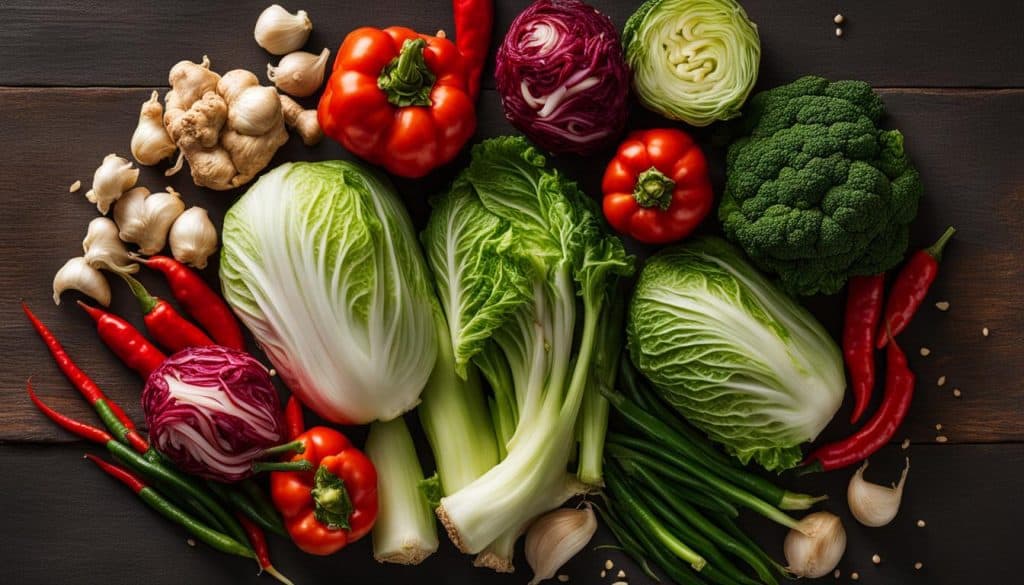
Kimchi is a traditional Korean dish that consists of salted fermented vegetables, such as cabbage and radish, combined with an assortment of seasonings. It not only tantalizes the taste buds but also packs a punch when it comes to nutrition. Here’s what I discovered about the daily benefits of eating kimchi:
Nutrient-dense and Low in Calories
Kimchi is not only delicious but also a nutritional powerhouse. Packed with vitamins, minerals, and antioxidants, it offers numerous health benefits. Let’s take a closer look at the nutritional value of kimchi.
One cup of kimchi contains approximately 23 calories, making it a low-calorie food choice. Despite its low calorie count, kimchi is rich in essential nutrients. It is a great source of vitamin A, which is important for maintaining healthy vision and supporting immune function. Additionally, kimchi is loaded with vitamin C, which is known for its antioxidant properties and role in collagen synthesis.
When it comes to minerals, kimchi doesn’t disappoint. It contains significant amounts of iron, which plays a vital role in oxygen transport and energy production. Kimchi is also a good source of folate, a B-vitamin necessary for cell division and DNA synthesis. Other minerals found in kimchi include calcium, potassium, and magnesium.
| Nutrient | Amount per 1 cup serving |
|---|---|
| Calories | 23 |
| Vitamin A | 800 IU |
| Vitamin C | 11 mg |
| Iron | 0.6 mg |
| Folate | 6.6 mcg |
| Calcium | 22 mg |
| Potassium | 147 mg |
| Magnesium | 7.7 mg |
The fermentation process further enhances the nutritional value of kimchi, making its nutrients more easily absorbed by the body. So not only does kimchi taste great, but it also provides a wide range of health-promoting nutrients.
Probiotic Benefits of Kimchi
When it comes to probiotic-rich foods, kimchi stands out as a top contender. This traditional Korean dish undergoes a fermentation process that produces beneficial bacteria known as probiotics. These live microorganisms offer a range of health benefits when consumed regularly.
Kimchi contains Lactobacillus bacteria, which are known to promote a healthy gut microbiome and improve digestion. These probiotics can aid in the prevention and treatment of certain conditions, such as constipation, gastrointestinal issues, and even some skin conditions. While further research is needed to fully understand the specific effects of probiotics from fermented foods like kimchi, they are believed to be responsible for many of its health benefits.
“The probiotics found in kimchi can promote a healthy gut microbiome and improve digestion.”
Incorporating kimchi into your diet can be a delicious way to support your gut health and overall well-being. Whether enjoyed as a standalone side dish or added to various recipes, kimchi offers a flavorful and probiotic-packed addition to your meals. Remember, individual results may vary, so it’s always a good idea to consult with a healthcare professional before making any significant changes to your diet.
Immune System Support
Kimchi has been traditionally praised for its potential benefits in supporting the immune system. The presence of Lactobacillus bacteria in kimchi is believed to have a positive impact on immune function. While studies have mainly been conducted on animals, they have shown promising results in terms of reduced inflammation and improved immune response.
Research suggests that the anti-inflammatory properties of kimchi may contribute to its immune system support. Inflammation is a natural response of the immune system, but chronic inflammation can lead to various health issues. By reducing inflammation, kimchi may help support overall immune function.
It is important to note that further research is needed to fully understand the effects of kimchi on the human immune system. However, incorporating kimchi into a balanced diet can be a flavorful way to potentially boost immune health.
| Benefit | Explanation |
|---|---|
| Reduced inflammation | Kimchi’s anti-inflammatory properties may help reduce inflammation in the body, supporting overall immune function. |
| Promotes gut health | The probiotics found in kimchi support a healthy gut microbiome, which plays a crucial role in immune system function. |
| Enhanced immune response | Animal studies suggest that kimchi consumption can improve immune response and potentially protect against certain infections. |
| Rich in antioxidants | The antioxidants in kimchi may help reduce oxidative stress and support immune health. |
Gut-Friendly Benefits of Kimchi
If you’re looking to improve your digestive health, kimchi may be just what you need. This traditional Korean dish is packed with probiotics, which are live microorganisms that promote a healthy gut microbiome. The probiotics found in kimchi, such as Lactobacillus bacteria, can help improve digestion and support regular bowel movements.
One of the key benefits of kimchi for digestion is its ability to relieve constipation. The fermentation process of kimchi breaks down carbohydrates in the vegetables, making them easier to digest and promoting smooth bowel movements. By incorporating kimchi into your diet, you can enjoy the benefits of a gut-friendly food that keeps your digestive system running smoothly.
Table 1 showcases the nutritional composition of kimchi, highlighting its high fiber content, which further aids digestion. With just a 1-cup serving of kimchi, you can fuel your body with essential nutrients while promoting a healthy gut.
| Nutrient | Amount per 1-cup serving |
|---|---|
| Calories | 23 |
| Carbohydrates | 4g |
| Protein | 2g |
| Fiber | 2g |
With its gut-friendly benefits, kimchi is a delicious and nutritious addition to your diet. Enjoy it as a side dish or incorporate it into various recipes to support your digestive health.
The Impact of Kimchi on Weight Loss and Body Weight
Eating kimchi everyday can have positive effects on weight management. This traditional Korean dish is low in calories and high in fiber, making it a satisfying addition to a balanced diet. The combination of low calorie content and high fiber can help promote weight loss by increasing feelings of fullness and reducing overall calorie intake.
Kimchi’s impact on body weight has been studied, and research has shown promising results. In a study on individuals with excess weight, consuming fresh or fermented kimchi led to reductions in body weight, body mass index (BMI), and body fat. The participants who consumed fermented kimchi experienced even greater improvements, including reductions in blood pressure and body fat percentage.
While the exact mechanisms behind these effects are not fully understood, kimchi’s low calorie count, high fiber content, and probiotics are believed to play a role in its weight management benefits. Incorporating kimchi into your daily meals can be a flavorful and nutritious way to support your weight loss goals.
Kimchi and Weight Loss Study Results:
| Group | Weight Loss (lbs) | BMI Reduction | Body Fat Reduction |
|---|---|---|---|
| Fresh Kimchi | 5.2 | 1.1 | 1.8% |
| Fermented Kimchi | 7.6 | 1.5 | 2.6% |
Table: Results from a study on the effects of kimchi on weight loss and body weight. Participants who consumed fermented kimchi experienced greater improvements compared to those who consumed fresh kimchi.
Kimchi’s Effect on Heart Health
When it comes to heart health, kimchi has shown promising potential. Research suggests that regular kimchi consumption may have a positive impact on cholesterol levels, reduce inflammation, and improve factors associated with heart disease risk. The combination of kimchi’s anti-inflammatory properties, probiotics, and other active compounds may contribute to its heart-healthy effects.
One study found that individuals who consumed kimchi regularly had lower total cholesterol and LDL cholesterol levels, known as the “bad” cholesterol. Additionally, kimchi consumption was associated with higher levels of HDL cholesterol, known as the “good” cholesterol. Maintaining a healthy balance of cholesterol is crucial for cardiovascular health, as high levels of LDL cholesterol and low levels of HDL cholesterol are linked to an increased risk of heart disease.
“Regular kimchi consumption has been shown to lower total cholesterol and LDL cholesterol levels, while increasing HDL cholesterol levels.”
In addition to its impact on cholesterol levels, kimchi’s anti-inflammatory properties may further contribute to heart health. Chronic inflammation is believed to play a role in the development of heart disease, and reducing inflammation is an important aspect of maintaining a healthy cardiovascular system. Kimchi contains compounds that have been shown to inhibit the production of inflammatory markers, potentially reducing the risk of heart disease.
While these findings are promising, more human research is needed to fully understand the mechanisms behind kimchi’s effect on heart health. It’s also important to note that individual responses may vary. However, incorporating kimchi into a heart-healthy diet may be beneficial for those looking to support their cardiovascular well-being.
Table: Kimchi’s Impact on Cholesterol Levels
| Study | Participants | Duration | Results |
|---|---|---|---|
| Lee et al. (2015) | 60 adults with high cholesterol | 12 weeks | Significant decrease in total cholesterol and LDL cholesterol levels, increase in HDL cholesterol levels |
| Kim et al. (2008) | 40 adults with high cholesterol | 8 weeks | Reduction in total cholesterol and LDL cholesterol levels |
| Park et al. (2011) | 200 middle-aged women | 6 months | Lower levels of total cholesterol and LDL cholesterol in kimchi consumers compared to non-consumers |

Antioxidant and Anti-Aging Properties
Kimchi is not only a delicious and flavorful dish but also a powerhouse of antioxidants that can benefit your health. Antioxidants help protect your cells from damage caused by free radicals, which are unstable molecules that can lead to various health issues, including aging and chronic diseases.
One of the key antioxidants found in kimchi is beta-carotene, which gives it its vibrant red color. Beta-carotene is a precursor to vitamin A and has been linked to a reduced risk of certain cancers, heart disease, and age-related macular degeneration. By consuming kimchi regularly, you can increase your intake of this beneficial antioxidant.
In addition to beta-carotene, kimchi also contains other antioxidants, such as vitamin C and flavonoids, which further contribute to its anti-aging properties. These antioxidants help neutralize free radicals and protect your cells from oxidative stress, potentially slowing down the aging process and reducing the risk of age-related diseases.
Table: Antioxidant Content in Kimchi (per 100g serving)
| Antioxidant | Amount |
|---|---|
| Beta-carotene | 1,360 mcg |
| Vitamin C | 11.7 mg |
| Flavonoids | 45.6 mg |
“The antioxidants found in kimchi can help protect your cells from damage and potentially slow down the aging process.”
While more research is needed to fully understand the extent of kimchi’s anti-aging properties, incorporating this nutritious dish into your diet can be a tasty way to boost your antioxidant intake and support overall health.
Conclusion
In summary, incorporating kimchi into your daily diet can have a multitude of health benefits. Not only is kimchi packed with essential nutrients, but it is also low in calories, making it a great addition to a balanced diet. The fermentation process enhances its nutritional value and makes it easier for the body to absorb the nutrients.
One of the key advantages of kimchi is its probiotic content, which can support a healthy gut and improve digestion. Additionally, the presence of Lactobacillus bacteria in kimchi may boost the immune system and reduce inflammation. These properties contribute to overall well-being and may even have a positive impact on heart health.
Kimchi’s antioxidant-rich composition is another reason to enjoy it regularly. The antioxidants help protect cells from damage and may even slow down the aging process. While further research is needed to confirm these effects, kimchi’s potential anti-aging properties are certainly promising.
Remember, individual results may vary, so it’s always advisable to consult with a healthcare professional before making significant changes to your diet. With its delicious flavor and potential health benefits, kimchi can be a delightful addition to your everyday meals. So, go ahead and enjoy your tangy, spicy kimchi knowing that it’s contributing to your overall health and well-being!
FAQ
Is it healthy to eat kimchi everyday?
Yes, eating kimchi everyday can provide numerous health benefits. Kimchi is nutrient-dense, low in calories, and packed with vitamins, minerals, and antioxidants.
What is the nutritional value of kimchi?
Kimchi is a good source of vitamins A, C, and K, as well as folate and iron. It is also low in calories and high in fiber.
Does kimchi contain probiotics?
Yes, kimchi contains probiotics that can improve digestion and support the immune system. These probiotics are formed during the fermentation process.
How does kimchi support the immune system?
Kimchi contains Lactobacillus bacteria that can enhance immune function and reduce levels of inflammatory markers.
Can kimchi improve digestive health?
Yes, the probiotics found in kimchi can promote a healthy gut microbiome and relieve constipation. Kimchi is considered a gut-friendly food that can support overall digestive health.
Does kimchi help with weight management?
While individual results may vary, kimchi’s low calorie count, high fiber content, and probiotics may contribute to its potential weight loss and weight management effects.
What are the heart health benefits of kimchi?
Research suggests that kimchi consumption can lower cholesterol levels, reduce inflammation, and improve factors associated with heart disease risk.
Does kimchi have antioxidant and anti-aging properties?
Yes, kimchi is rich in antioxidants that can help reduce oxidative stress, protect cells from damage, and potentially slow down the aging process.
Why should I eat kimchi everyday?
Eating kimchi everyday can provide numerous health benefits, but it’s always best to consult with a healthcare professional before making any significant dietary changes.