
Is Fish Good for Keto Diet? When it comes to the ketogenic diet, choosing the right foods is key. This high-fat, low-carb eating plan has gained popularity for its ability to promote weight loss and improve blood sugar control. But what about fish? Is it a good option for those following a keto diet? The answer is yes! Fish is not only delicious but also a keto-friendly choice that offers a multitude of health benefits.
Fish is low in carbs and high in protein, making it an ideal food for those on a keto diet. It is also packed with essential vitamins and minerals that support overall health and wellbeing. Incorporating fish into a ketogenic diet can provide numerous advantages, such as improved brain health and reduced risk of disease.
Key Takeaways – Is Fish Good for Keto Diet?
- Fish is a keto-friendly choice for those following a ketogenic diet.
- It is low in carbs and high in protein.
- Fish is rich in vitamins and minerals that support overall health.
- Incorporating fish into a keto diet can provide numerous health benefits.
- Some of the best fish options for a keto diet include salmon, mackerel, sardines, and shellfish.
Benefits of Fish on Keto Diet
Fish offers several benefits when incorporated into a keto diet. Firstly, fish is a rich source of protein, which is essential for maintaining muscle mass during a low carb diet. Protein plays a crucial role in repairing and building tissues, supporting immune function, and producing enzymes and hormones.
In addition to being a great protein source, fish also contains healthy omega-3 fats. Omega-3 fats have been shown to have numerous health benefits, including reducing inflammation, improving heart health, and supporting brain function. These fats have also been associated with lower insulin levels and increased insulin sensitivity, which is particularly beneficial for individuals following a keto diet.
Fish offers several benefits on a keto diet, such as providing protein for muscle maintenance and healthy omega-3 fats that support heart health and insulin sensitivity.”
The combination of protein and omega-3 fats in fish can contribute to weight loss and improved blood sugar control on a keto diet. Protein helps to increase satiety and reduce appetite, which can aid in weight loss. Omega-3 fats have been shown to enhance insulin sensitivity, allowing for better blood sugar control.
Furthermore, fish is packed with important vitamins and minerals that support overall health and wellbeing. Some examples include B vitamins, which are essential for energy production and brain function, potassium, which helps regulate blood pressure, and selenium, which has antioxidant properties.
Incorporating fish into a keto diet can provide a wide range of health benefits, including but not limited to weight loss, improved blood sugar control, heart health, brain function, and overall wellbeing.
Best Fish Options for Keto
When following a keto diet, it is important to choose fish that is low in carbs and high in healthy fats. Incorporating fatty fish into your meals can provide essential nutrients and help you stay on track with your keto goals. Here are some of the best fish options for a keto diet:
| Fish | Net Carbs per 100g | Fat Content per 100g |
|---|---|---|
| Salmon | 0g | 13g |
| Tuna | 0g | 0.5g |
| Sardines | 0g | 11g |
| Mackerel | 0g | 18g |
| Trout | 0g | 7g |
These fish options are not only low in carbs, but they also provide a good source of omega-3 fats, which have been linked to various health benefits, including improved heart health and reduced inflammation. Incorporating these fish into your keto meals can help you meet your protein and fat requirements while keeping your carb intake in check.
Incorporating Fish into a Keto Diet Plan
Looking to add more fish to your keto diet? Here are some ideas for incorporating fish into your meal plan:
- Grilled Salmon: Season a salmon fillet with herbs and spices, then grill it to perfection. Serve with a side of roasted vegetables for a complete keto-friendly meal.
- Baked Cod with Lemon Butter: Place a cod fillet in a baking dish, drizzle with melted butter and lemon juice, and bake until flaky. Enjoy alongside a crisp green salad.
- Seared Tuna Steak: Sear a tuna steak in a hot skillet for a quick and flavorful meal. Pair it with cauliflower rice and sautéed spinach for a low-carb, high-protein dinner.
- Fish Tacos: Swap out the tortillas for lettuce wraps and fill them with grilled fish, avocado, and salsa for a keto-friendly twist on a classic dish.
- Keto-Friendly Fish Curry: Simmer white fish in a creamy coconut milk curry sauce with spices like turmeric, ginger, and cumin. Serve over cauliflower rice for a deliciously satisfying meal.
These are just a few ideas to get you started. Feel free to experiment with different types of fish and flavors to keep your keto meals exciting and diverse.
Quick and Easy Fish Recipe: Baked Lemon Pepper Tilapia
If you’re in need of a simple and delicious fish recipe for your keto diet, try this Baked Lemon Pepper Tilapia:
- Preheat your oven to 400°F (200°C) and line a baking sheet with parchment paper.
- Place tilapia fillets on the baking sheet and drizzle with olive oil.
- Squeeze fresh lemon juice over the fillets and sprinkle with lemon pepper seasoning.
- Bake for 12-15 minutes, or until the fish is opaque and flakes easily with a fork.
- Serve with a side of steamed broccoli or sautéed spinach.
| Fish | Carbs per 100g | Protein per 100g | Fat per 100g |
|---|---|---|---|
| Salmon | 0g | 22g | 10g |
| Tuna | 0g | 30g | 1g |
| Cod | 0g | 17g | 1g |
| Tilapia | 0g | 20g | 2g |
The Benefits of a Keto Diet
The keto diet offers a variety of benefits beyond just weight loss. It has been shown to improve blood sugar control and insulin sensitivity, making it a potential option for managing diabetes. In fact, a keto diet may help stabilize blood sugar levels and reduce the need for insulin or other diabetes medications.
Additionally, the keto diet has been found to have neuroprotective effects, which means it may help protect the brain from damage and improve cognitive function. Some studies suggest that the ketogenic diet may even be beneficial for individuals with neurodegenerative diseases, such as Alzheimer’s disease.
Furthermore, research is ongoing to explore the potential of the keto diet in treating certain types of cancer. Some studies indicate that a low-carb, high-fat diet like keto may inhibit tumor growth and improve the effectiveness of chemotherapy. However, it’s important to note that more research is needed to fully understand the role of the keto diet in cancer treatment.
While the benefits of the keto diet are promising, it’s essential to consult with a healthcare professional before starting this diet, especially if you have any underlying health conditions or are taking medications. A qualified healthcare provider can provide personalized guidance and ensure the diet is safe and appropriate for your individual needs.
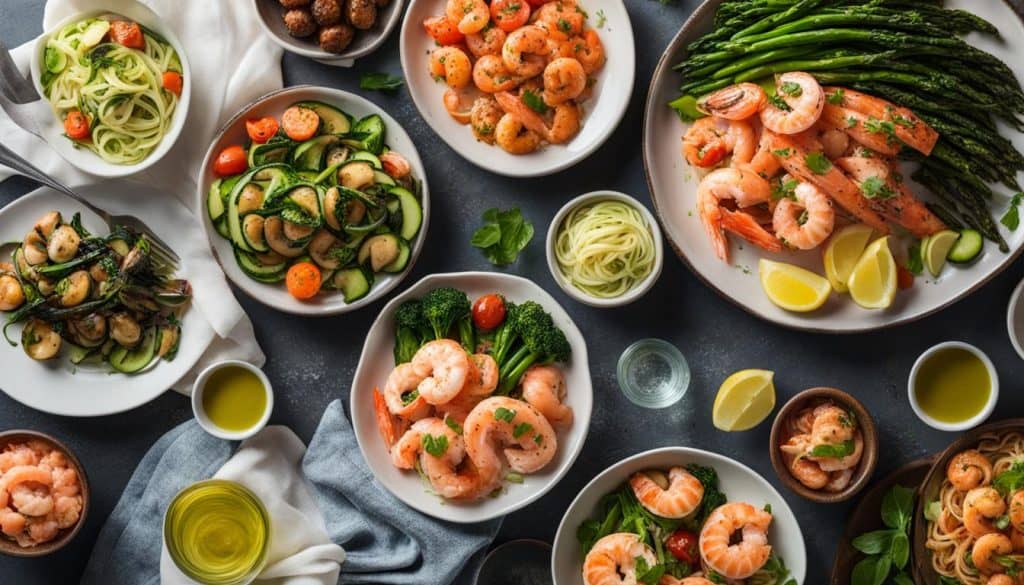
“The keto diet offers a variety of benefits beyond just weight loss. It has been shown to improve blood sugar control and insulin sensitivity, making it a potential option for managing diabetes.”
Other Keto-Friendly Food Choices
In addition to fish, there are many other keto-friendly food options that can be incorporated into your ketogenic diet plan. These choices are low in carbs and can help you stay on track with your low carb lifestyle. Whether you’re looking for alternatives to dairy products or a variety of vegetables to enjoy, there are plenty of delicious and nutritious options available.
Dairy on Keto
Dairy products can be a great addition to a ketogenic diet as they are low in carbs and high in fat. However, it’s important to choose keto-friendly dairy options that are low in lactose and sugar. Some dairy choices that are suitable for a keto diet include:
- Full-fat cheese
- Greek yogurt
- Heavy cream
- Butter
- Ghee
Keto-Friendly Vegetables
Vegetables are an important part of any balanced diet, and they can be enjoyed on a ketogenic diet as well. While some vegetables are higher in carbs, there are plenty of low carb options that are perfect for keto. Some keto-friendly vegetables include:
- Leafy greens like spinach, kale, and arugula
- Cruciferous vegetables like broccoli, cauliflower, and Brussels sprouts
- Zucchini
- Asparagus
- Mushrooms
These vegetables are low in carbs and high in fiber, making them a great choice for keto. They can be enjoyed as side dishes, added to salads, or incorporated into keto-friendly recipes.
The Science Behind the Keto Diet
The keto diet operates on the principle of reducing carbohydrate intake to stimulate the body’s utilization of stored fat for energy. By restricting carbs, the body enters a metabolic state known as ketosis, where it generates ketone bodies as an alternative fuel source. These ketone bodies can be utilized by most cells in the absence of glucose, including the brain. This shift in fuel utilization can result in weight loss and improved blood sugar control.
During ketosis, the liver produces ketones through the breakdown of fats. These ketones serve as an efficient energy source, especially for the brain, which typically relies on glucose. By substituting glucose with ketones, the body can conserve lean muscle mass while actively burning fat. This metabolic process not only facilitates weight loss but also offers benefits such as enhanced mental clarity and sustained energy levels.
It is crucial to note that the keto diet may not be suitable for everyone. Consulting with a healthcare professional is vital to determine if it is a safe and appropriate approach for individual needs. Furthermore, it’s essential to establish an individualized plan that includes proper monitoring to ensure optimal health during the adherence to the keto diet.
Ketosis and Weight Loss
Ketosis plays a significant role in the weight loss aspect of the keto diet. When the body enters ketosis, it becomes highly efficient at burning stored fat for fuel. This process leads to a reduction in body fat, resulting in weight loss over time. By maintaining a state of ketosis through appropriate dietary choices, individuals can experience sustained fat burning and overall positive weight management outcomes.
Ketone Bodies for Energy
Ketone bodies serve as a valuable energy source for the body, particularly during ketosis. These organic compounds can efficiently fuel various bodily processes, such as brain function, muscle activity, and cellular metabolism. By relying on ketone bodies for energy, the body bypasses the need for continuous carbohydrate consumption, ultimately promoting weight loss and improved energy levels.
Potential Risks and Considerations
While the keto diet can be effective for weight loss and blood sugar control, it’s essential to be aware of the potential risks and considerations involved. It’s important to note that individual experiences on the keto diet may vary.
Side Effects of Keto
Some people may experience side effects when starting the keto diet, commonly known as “keto flu.” These side effects can include fatigue, headache, brain fog, nausea, and difficulty sleeping. These symptoms are usually temporary and can be minimized by staying hydrated, managing electrolyte levels, and gradually transitioning into the diet.
Long-Term Safety of Keto
The long-term safety and effectiveness of the keto diet are still being studied. While short-term studies show promising results for weight loss and blood sugar control, the effects of sustained ketosis on the body are not yet fully understood. It’s important to consult with a healthcare professional or registered dietitian before starting the keto diet, especially if you have any underlying health conditions or concerns.
Keto and Nutrient Deficiencies
The strict carb restrictions of the keto diet can potentially lead to nutrient deficiencies if not planned carefully. Carbohydrates are a primary source of many important vitamins, minerals, and fiber. Therefore, it’s crucial to ensure adequate intake of essential nutrients from other sources, such as low-carb vegetables and supplements if necessary.
To minimize the risk of nutrient deficiencies, it’s recommended to include a variety of nutrient-dense foods in your keto diet plan and work with a healthcare professional or registered dietitian who can provide personalized guidance and monitoring.
Quote: “To minimize the risk of nutrient deficiencies, it’s recommended to include a variety of nutrient-dense foods in your keto diet plan and work with a healthcare professional or registered dietitian who can provide personalized guidance and monitoring.”
| Potential Risks | Considerations |
|---|---|
|
|
| Long-Term Safety | Effects of Sustained Ketosis |
|
|
Illustrative image:
Tips for Success on a Keto Diet
Starting and maintaining a keto diet can be challenging, but with the right approach, you can achieve success and reach your health goals. Here are some valuable tips to help you navigate your keto journey:
1. Determine Your Keto Goals
Before starting a keto diet, it’s important to clearly define your goals. Whether you’re aiming for weight loss, improved blood sugar control, or other health benefits, having a specific objective in mind will help you stay motivated and focused.
2. Educate Yourself
Take the time to learn about the principles and guidelines of the keto diet. Understand the macronutrient ratios, food choices, and potential challenges. This knowledge will empower you to make informed decisions and adapt your diet to your preferences and needs.
3. Gradually Reduce Carbohydrates
Transitioning to a low-carb lifestyle can be easier if you gradually reduce your carbohydrate intake. Start by cutting back on processed sugars and refined grains, and gradually reduce starchy vegetables and high-carb fruits. This approach will help your body adjust to a lower carbohydrate intake.
4. Focus on Whole, Nutrient-Dense Foods
Build your meals around whole, nutrient-dense foods that are low in carbs. Prioritize high-quality protein sources like fish, poultry, and grass-fed meats. Include plenty of non-starchy vegetables, healthy fats like avocados and olive oil, and small amounts of low-carb fruits and nuts.
5. Plan and Prep Your Meals
Keto meal planning is essential for staying on track. Set aside time each week to plan and prep your meals, ensuring that you have keto-friendly options readily available. Having pre-prepared meals and snacks will prevent impulsive food choices and help you stick to your dietary goals.
6. Stay Hydrated
Drinking enough water is crucial on a keto diet. It helps support digestion, keeps you energized, and aids in maintaining proper electrolyte balance. Aim to drink at least eight glasses of water per day and consider adding electrolytes to your water or consuming keto-friendly beverages like bone broth.
7. Seek Support and Accountability
Enlist the support of friends, family, or a keto community to help you stay accountable and motivated. Share your goals, challenges, and successes, and seek advice and encouragement from others who have experience with the keto diet.
8. Focus on Non-Scale Victories
While weight loss is often a primary goal on a keto diet, it’s important to recognize and celebrate non-scale victories as well. Pay attention to improvements in energy levels, mental clarity, physical performance, and overall well-being. These non-scale victories can be powerful motivators to keep you on track.
“Success is not final, failure is not fatal: It is the courage to continue that counts.” – Winston Churchill
Remember, everyone’s journey on the keto diet is unique. Experiment with different approaches, listen to your body, and make adjustments as needed. With patience, consistency, and the right mindset, you can achieve success on your keto diet.
Conclusion
In conclusion, fish is an excellent choice for those following a keto diet. Not only is it low in carbs, but it is also packed with protein and healthy fats, making it a fantastic addition to a ketogenic meal plan. Incorporating fish into your diet can support your weight loss journey, help control blood sugar levels, and promote overall health and well-being. Some of the best fish options for a keto diet include nutrient-dense selections such as salmon, mackerel, sardines, and shellfish.
However, it’s important to remember that a successful keto diet is not solely reliant on fish. To ensure a balanced and nutritious diet, it’s essential to incorporate other keto-friendly foods such as meat, poultry, vegetables, and healthy fats. By doing so, you can enjoy a wide variety of flavors and optimize your nutrient intake while staying within the parameters of the ketogenic lifestyle.
Before embarking on a keto diet or making any significant dietary changes, it is highly recommended to consult with a healthcare professional or registered dietitian. They can provide personalized guidance, evaluate your individual needs and goals, and help you navigate any potential challenges or considerations specific to your situation. With their expertise and support, you can confidently embrace the benefits of fish and the keto diet, fueling your wellness goals and embracing a healthier lifestyle.
FAQ
Is fish good for a keto diet?
Yes, fish is a keto-friendly option as it is low in carbs and high in protein and healthy fats.
What are the benefits of fish on a keto diet?
Incorporating fish into a keto diet can provide numerous health benefits, including improved brain health and reduced risk of disease.
What are the best fish options for a keto diet?
Some of the best fish options for a keto diet include salmon, mackerel, sardines, and shellfish.
How can I incorporate fish into a keto diet plan?
There are several ways to incorporate fish into a keto diet plan, such as grilling, baking, or steaming fish and pairing it with keto-friendly vegetables and fats.
What are the benefits of a keto diet?
The keto diet offers several benefits beyond weight loss, including improved blood sugar control and potential neuroprotective effects.
What other keto-friendly food choices are there?
In addition to fish, other keto-friendly food choices include meat, poultry, vegetables, and healthy fats.
How does the keto diet work?
The keto diet works by reducing carbohydrate intake, forcing the body to use stored fat for energy and entering a metabolic state called ketosis.
What are the potential risks and considerations of the keto diet?
While the keto diet can be effective for weight loss and blood sugar control, there are potential risks and considerations, such as side effects and nutrient deficiencies.
What are some tips for success on a keto diet?
Some tips for success on a keto diet include meal planning, staying hydrated, and seeking support from healthcare professionals or registered dietitians.
Can you summarize the benefits of fish on a keto diet?
Fish is a low carb, high protein, and healthy fat option that provides numerous health benefits when incorporated into a keto diet, such as improved brain health and reduced disease risk.