
Are you following a keto diet and wondering what fish are good for keto diet? Look no further! In this article, I’ll reveal the best keto-friendly fish choices that will keep you on track with your ketogenic goals.
Keto seafood options like oysters, shrimp, and crab are perfect for a keto diet due to their low carb content and high fat and protein content. These seafood options provide essential nutrients like zinc, vitamin C, and omega-3 fatty acids, making them a healthy choice for a ketogenic diet.
Key Takeaways – What Fish Are Good for Keto Diet?
- Keto-friendly fish choices are crucial for maintaining a low-carb, high-fat ketogenic diet.
- Oysters, shrimp, and crab are excellent seafood options that are low in carbs and high in fat and protein.
- These keto seafood choices provide essential nutrients like zinc, vitamin C, and omega-3 fatty acids.
- Incorporating these fish into your ketogenic diet can help you stay on track with your nutritional goals.
- Remember to consult with your healthcare professional before making any significant changes to your diet.
How to Choose The Best Keto Seafood
When selecting fish for a keto diet, it’s important to choose seafood options that are high in fat and low in carbs. Adding healthy fats like butter, ghee, and coconut oil is also recommended. It’s also important to consider the macronutrient ratios of the seafood to ensure it aligns with the keto diet guidelines.
To help you make the best choices, here are some key tips:
- Look for fatty fish that are rich in omega-3 fatty acids, such as salmon, mackerel, and sardines. These fish are not only low in carbs but also provide essential nutrients for overall health.
- Consider shellfish like shrimp, crabs, and lobster, which are low in carbs and high in protein. These options add variety to your keto diet and offer an array of vitamins and minerals.
- Include fatty seafood like trout, halibut, and tuna, which are excellent sources of healthy fats and essential fatty acids.
- Don’t forget about canned fish like tuna and salmon, which can be convenient options for a keto-friendly meal. Just make sure to choose those packed in oil or water rather than sugary sauces.
| Seafood Option | Fat Content (per 100g) | Protein Content (per 100g) | Carb Content (per 100g) |
|---|---|---|---|
| Salmon | 13g | 22g | 0g |
| Mackerel | 20g | 18g | 0g |
| Shrimp | 1g | 24g | 0g |
| Crab | 2g | 17g | 0g |
Choosing the best keto-friendly fish options ensures that you are getting the right balance of macros for a successful keto diet. Remember, higher fat content and lower carb content are key. By incorporating these seafood options into your meals, you can enjoy delicious flavors while staying in ketosis.
It’s worth noting that the macronutrient ratios may vary slightly depending on the specific type of fish and its preparation method. Always read labels and nutrition information to make an informed decision.
Fat to Protein Ratio in Popular Keto Seafoods
When following a keto diet, it’s crucial to choose seafood options that have a high fat content and moderate protein content. This ensures that you meet the macronutrient requirements of the diet while enjoying delicious and nutritious meals. Here are some examples of keto seafood with favorable fat to protein ratios:
1. Salmon
Salmon is a popular choice for those on a low carb keto diet. It is not only high in healthy fats but also an excellent source of omega-3 fatty acids. These fatty acids provide numerous health benefits, including improved heart health and reduced inflammation. With its rich flavor and versatile cooking options, salmon is a perfect addition to any low-carb keto meal.
2. Mackerel
Mackerel is another oily fish that is highly recommended for a keto diet. It is packed with omega-3 fatty acids, which support brain health and reduce the risk of heart disease. Mackerel also offers a good amount of fat and a moderate protein content, making it an ideal choice for a low-carb, high-protein keto meal.
3. Oysters
Oysters are not only delicious but also a great option for a keto diet. They have a favorable fat to protein ratio and are rich in essential minerals like zinc, iron, and selenium. Oysters are also low in carbohydrates, making them a perfect choice for a low-carb keto meal.
By incorporating these seafood options into your keto meal plan, you can enjoy a variety of flavors while maintaining the desired fat to protein ratio. Remember to prioritize seafood with high fat content and moderate protein content to stay on track with your low carb keto diet.
| Keto Seafood | Fat Content | Protein Content |
|---|---|---|
| Salmon | 13g per 100g | 20g per 100g |
| Mackerel | 18g per 100g | 19g per 100g |
| Oysters | 2g per 100g | 9g per 100g |
Top 5 Keto Seafoods
When it comes to a ketogenic diet, choosing the right seafood is vital. Not only should it be low in carbs, but it should also offer a high fat content to support your dietary needs. These top 5 keto-approved fish varieties not only meet these criteria, but they also provide a wide range of essential nutrients and health benefits.
Salmon Roe
Salmon roe is a true powerhouse when it comes to a keto diet. Packed with vitamins A, B, D, and K2, as well as zinc, iodine, and omega-3 fatty acids, it offers an array of incredible health benefits. From supporting brain function to boosting immune health, incorporating salmon roe into your meals is a delicious and nutritious choice.
Oysters
Oysters are not just a delicacy; they are also a fantastic addition to a ketogenic diet. Rich in zinc, vitamin D, vitamin B12, and selenium, these mollusks bring a plethora of health benefits to the table. Whether you prefer them raw, grilled, or in a delicious seafood stew, oysters are a fantastic choice for satisfying your cravings while staying in ketosis.
Dungeness Crab
If you’re looking for a keto-friendly seafood option, Dungeness crab is an excellent choice. Loaded with selenium, which has anti-inflammatory properties and potential cancer-fighting benefits, this crab variety is a nutritional powerhouse. Plus, it contains B12 and omega-3 fatty acids, supporting brain and cardiovascular health while keeping your carb intake in check.
Atlantic Mackerel
Atlantic mackerel is a fatty fish that provides an abundance of omega-3 fatty acids and vitamin D. With its low mercury content and affordable price, it is a great addition to your keto meal plan. The health benefits of Atlantic mackerel extend to immune function, reduced inflammation, and improved omega-3 to omega-6 ratio in the body.
Mussels
Mussels are a delicious and nutritious choice for a keto diet. Packed with vitamin B12 and omega-3 fatty acids, these shellfish offer numerous health benefits. From supporting fetal development to promoting cardiovascular health and cognitive function, mussels are an excellent addition to your keto-friendly seafood options.
| Seafood | Nutrients | Health Benefits |
|---|---|---|
| Salmon Roe | Vitamins A, B, D, K2, zinc, iodine, omega-3 fatty acids | Neuroprotection, improved fertility, anti-inflammatory, boosted immune health |
| Oysters | Zinc, vitamin D, vitamin B12, selenium | Supports brain function, promotes immune health |
| Dungeness Crab | Selenium, B12, omega-3 fatty acids | Anti-inflammatory, potential cancer-fighting benefits, supports brain and cardiovascular health |
| Atlantic Mackerel | Omega-3 fatty acids, vitamin D | Supports immune function, reduces inflammation, rebalances omega-3 to omega-6 ratio |
| Mussels | Vitamin B12, omega-3 fatty acids | Promotes fetal development, supports cardiovascular health and cognitive function |
By including these top 5 keto seafood options in your diet, you can enjoy delicious meals that align with your ketogenic goals while reaping the benefits of essential nutrients. From the nutrient-dense salmon roe to the versatile mussels, these fish varieties are sure to satisfy your cravings and support your health on your keto journey.
Keto Seafood #1: Salmon Roe
Salmon roe is a highly nutrient-dense superfood that is perfect for a keto diet. It is rich in vitamins A, B, D, and K2, zinc, iodine, and omega-3 fatty acids. The combination of these essential nutrients makes salmon roe an excellent choice for those following a ketogenic diet.
Salmon roe offers various health benefits, including:
- Neuroprotection: The omega-3 fatty acids found in salmon roe are known to support brain health, improving cognitive function and reducing the risk of neurological disorders.
- Improved fertility: The vitamins and minerals present in salmon roe, such as vitamin D and zinc, are crucial for reproductive health in both men and women.
- Elevated cognitive ability: The omega-3 fatty acids in salmon roe are essential for brain development and function, promoting better memory, focus, and overall cognitive performance.
- Anti-inflammatory properties: The omega-3 fatty acids and other bioactive compounds in salmon roe have anti-inflammatory effects, reducing inflammation in the body and supporting overall health.
- Boosted immune health: Salmon roe is rich in vitamins A and D, which play a vital role in supporting a strong immune system and protecting against infections and diseases.
With its exceptional nutritional profile and numerous health benefits, salmon roe is a fantastic addition to a keto diet. It not only helps you meet your macronutrient requirements but also provides essential nutrients that promote overall health and vitality.
Keto Seafood #2: Oysters
When it comes to healthy fish to eat on a keto diet, oysters are undoubtedly an excellent choice. These keto-approved fish varieties are not only delicious but also offer numerous health benefits.
One of the standout features of oysters is their high zinc content. In fact, they provide over 600% of the recommended daily value per serving, making them one of the best natural sources of this essential mineral.
In addition to zinc, oysters also pack a nutritional punch with vitamins D, B12, and selenium. Vitamin D is crucial for maintaining strong bones and supporting the immune system, while vitamin B12 contributes to energy production and neurological health. Selenium, on the other hand, has antioxidant properties and plays a role in thyroid function.
What makes oysters even more appealing for those following a keto diet is their low carb content. With minimal carbohydrates, they fit perfectly into the macronutrient requirements of a ketogenic diet.
Whether enjoyed raw on the half-shell or cooked in various dishes, oysters offer a unique flavor and a wealth of nutrients. Don’t miss out on this keto-friendly seafood option!
Benefits of Oysters:
“Oysters are a fantastic source of zinc, offering over 600% of the recommended daily value per serving.”
Nutritional Content of Oysters:
| Nutrient | Amount per Serving |
|---|---|
| Protein | 8g |
| Fat | 2g |
| Carbohydrates | 4g |
| Zinc | 600% DV |
| Vitamin D | 100% DV |
| Vitamin B12 | 330% DV |
| Selenium | 175% DV |
Keto Seafood #3: Dungeness Crab
Dungeness crab is a delicious and healthy fish to eat on the keto diet. This keto-approved fish variety is not only flavorful but also offers a range of health benefits.
One standout feature of Dungeness crab is its rich selenium content. Selenium is a mineral with anti-inflammatory properties that may offer protection against prostate cancer. Incorporating Dungeness crab into your keto meal plan can provide an excellent source of this essential nutrient.
In addition to selenium, Dungeness crab is also a good source of vitamin B12 and omega-3 fatty acids. Vitamin B12 is important for brain health, while omega-3 fatty acids contribute to cardiovascular health. By including Dungeness crab in your diet, you can enjoy these health benefits while following a keto regimen.
Furthermore, Dungeness crab has a low carb content, making it suitable for a keto diet. It is a seafood option that is both flavorful and compliant with the macronutrient ratios of a ketogenic diet.
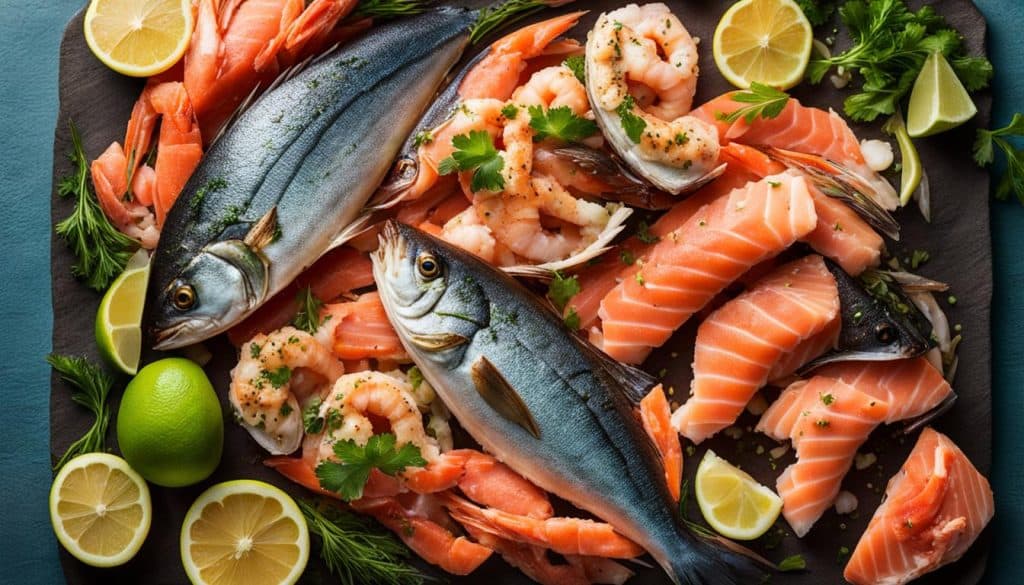
For a visual representation of the nutritional content of Dungeness crab, refer to the table below:
| Nutrient | Amount per 100g |
|---|---|
| Protein | 18g |
| Fat | 2g |
| Carbohydrate | 0g |
| Selenium | 60.5mcg |
| Vitamin B12 | 10.2mcg |
| Omega-3 Fatty Acids | 0.2g |
Dungeness crab is a versatile and nutritious seafood option that adds a delightful taste to your keto meals while providing essential nutrients. It’s an excellent choice for those following a ketogenic diet and looking to enjoy healthy fish varieties.
Keto Seafood #4: Atlantic Mackerel
When it comes to healthy fish to eat on keto, Atlantic mackerel is a top choice. This fatty fish is not only rich in flavor but also packed with essential nutrients that support a ketogenic diet.
Atlantic mackerel is an excellent source of omega-3 fatty acids, which are known for their numerous health benefits. These fatty acids are essential for brain health, reducing inflammation, and supporting cardiovascular function. Incorporating Atlantic mackerel into your keto meal plan can help rebalance the omega-3 to omega-6 ratio in your body.
Another benefit of Atlantic mackerel is its high vitamin D content. Vitamin D is crucial for optimal immune function and plays a role in maintaining strong bones and muscles.
What makes Atlantic mackerel even more appealing for keto enthusiasts is its low mercury content. Unlike some other fish, Atlantic mackerel is not high in mercury, making it a safe and healthy choice for regular consumption.
Not only is Atlantic mackerel a nutritional powerhouse, but it is also budget-friendly. This affordable fish allows you to enjoy the benefits of keto-approved fish varieties without breaking the bank.
Whether you grill, bake, or pan-sear it, Atlantic mackerel is a versatile option that can be enjoyed in various delicious recipes. Its firm and flavorful flesh makes it a favorite among seafood lovers.
Include Atlantic mackerel in your keto meal plan and reap the benefits of its omega-3 fatty acids, vitamin D, and budget-friendly nature. It’s a fish that ticks all the boxes for a healthy and satisfying ketogenic diet.
| Nutrient | Amount per 100g serving |
|---|---|
| Calories | 305 |
| Protein | 22g |
| Fat | 25g |
| Omega-3 Fatty Acids | 4,107mg |
| Vitamin D | 400IU (67% of the Daily Value) |
Keto Seafood #5: Mussels
Mussels are an excellent choice when it comes to finding healthy fish to eat on a keto diet. These keto-approved fish varieties are packed with important nutrients that offer numerous health benefits.
Mussels are a rich source of vitamin B12, which plays a crucial role in maintaining nerve and blood cell health. They are also high in omega-3 fatty acids, which are essential for brain function and cardiovascular health. Incorporating mussels into your keto diet can support fetal development, protect against cardiovascular diseases, and improve cognitive function.
One of the great advantages of mussels is their high protein content, which is important for muscle growth and repair. In addition, they are low in carbs, making them an ideal choice for those following a keto diet.
Incorporating mussels into your keto meal plan is not only a tasty choice but also a nutritious one. Whether you enjoy them in a soup, pasta, or steamed with garlic and butter, mussels offer a delicious way to add variety to your keto seafood options.
So, the next time you’re considering healthy fish to eat on keto, don’t overlook mussels! Their abundance of nutrients, high protein content, and low carb profile make them a perfect addition to your keto-approved seafood repertoire.
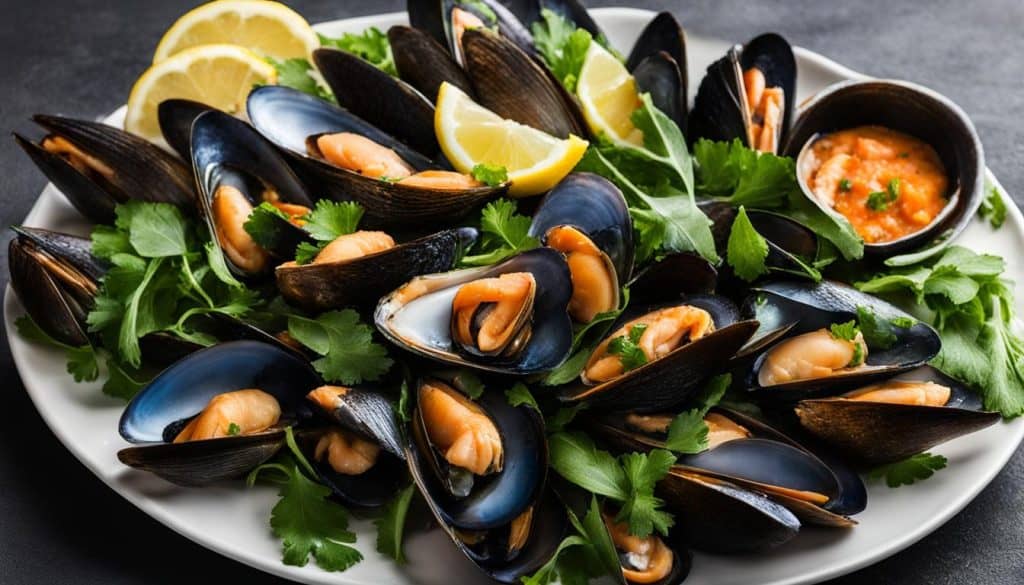
Benefits of Mussels on a Keto Diet:
- High in protein for muscle growth and repair
- Rich source of vitamin B12 for nerve and blood cell health
- Loaded with omega-3 fatty acids for brain function and cardiovascular health
- Promote fetal development
- Support cardiovascular health
- Improve cognitive function
Possible Downsides to Seafood on Keto
While seafood is generally a healthy choice for a keto diet, it’s important to be aware of the potential downsides. One of the concerns when it comes to seafood is the presence of heavy metals, particularly mercury. Industrial waste that finds its way into the oceans can contaminate certain fish and shellfish with mercury. Consuming seafood with high levels of mercury can have negative health effects, especially for pregnant women and young children.
To mitigate the risks associated with mercury in seafood, it is advisable to choose low-mercury keto seafood options. These options have lower levels of mercury and can still provide the necessary nutrients without compromising on taste. Some low-mercury keto seafood options include:
- Anchovies
- Catfish
- Clams
- Flounder
By opting for these low-mercury alternatives, you can enjoy the health benefits of seafood while minimizing the potential risks associated with mercury consumption.
Keto Seafood: The Takeaway
When following a keto diet, incorporating seafood into your meals can be a beneficial choice. Seafood is not only delicious but also offers a combination of high fat and protein content, along with low carbs. By including keto-friendly fish options like salmon roe, oysters, dungeness crab, Atlantic mackerel, and mussels, you can enjoy a variety of flavors while staying in ketosis.
These seafood options provide a range of essential nutrients and health benefits. For example, salmon roe is packed with vitamins A, B, D, and K2, zinc, iodine, and omega-3 fatty acids, offering neuroprotection, anti-inflammatory properties, and improved fertility. Oysters are an excellent source of zinc, vitamins D and B12, and selenium, contributing to immune system support and various health benefits.
Dungeness crab is rich in selenium, B12, and omega-3 fatty acids, offering anti-inflammatory properties and cardiovascular health benefits. Atlantic mackerel is a fatty fish that’s high in omega-3 fatty acids and vitamin D, supporting immune function and reducing inflammation. Mussels provide vitamin B12 and omega-3 fatty acids, promoting fetal development and improving cognitive function.
It’s important to choose seafood options with favorable fat to protein ratios to align with the macronutrient requirements of a keto diet. Additionally, considering the potential downsides of mercury in seafood is crucial. Choosing fish varieties with low mercury levels, such as anchovies, catfish, clams, and flounder, can help mitigate this concern.
Overall, incorporating keto-friendly seafood into your diet can provide both taste and nutritional benefits. It’s essential to choose a variety of seafood options that offer the nutrients your body needs while maintaining a proper macronutrient balance.
The Benefits of Keto Seafood:
- High fat and protein content
- Low carb content
- Essential nutrients like vitamins, minerals, and omega-3 fatty acids
- Neuroprotection and improved fertility
- Anti-inflammatory properties
- Improved immune system and cardiovascular health
- Cognitive function improvement
Potential Downsides of Mercury in Seafood:
- Industrial waste can result in heavy metals, including mercury, in some seafood
- Choose fish varieties with low mercury levels
- Consider low mercury options like anchovies, catfish, clams, and flounder
Conclusion
Incorporating keto seafood options into your diet can provide a delicious and healthy way to meet the fat and protein requirements of a ketogenic diet. By choosing seafood like salmon roe, oysters, dungeness crab, Atlantic mackerel, and mussels, you can enjoy a variety of flavors and nutrients while staying in ketosis.
These seafood options not only offer favorable fat to protein ratios but also provide essential nutrients and health benefits. For example, salmon roe is rich in vitamins A, B, D, and K2, zinc, iodine, and omega-3 fatty acids, which support neuroprotection, improved fertility, elevated cognitive ability, anti-inflammatory properties, and boosted immune health.
While incorporating seafood into your keto diet, remember to consider any potential downsides, such as the presence of heavy metals and mercury in some seafood. However, there are low mercury options available, such as anchovies, catfish, clams, and flounder, that still align with the keto diet guidelines.
Overall, adding keto seafood options to your meals can provide a satisfying and nutritious way to maintain ketosis and support your health goals. So go ahead and explore these delicious seafood choices to enjoy the benefits of a ketogenic diet.
FAQ
What fish are good for a keto diet?
Some fish that are good for a keto diet include salmon, mackerel, oysters, dungeness crab, and mussels. These fish have a favorable fat to protein ratio and are low in carbs, making them suitable for a ketogenic diet.
What are some keto-friendly fish options?
Keto-friendly fish options include salmon, mackerel, oysters, dungeness crab, and mussels. These fish are high in fat, low in carbs, and provide essential nutrients, making them great choices for a keto diet.
What are the best fish for a ketogenic diet?
The best fish for a ketogenic diet include salmon, mackerel, oysters, dungeness crab, and mussels. These fish have a high fat content and are low in carbs, meeting the macronutrient requirements of a keto diet.
What is the fat to protein ratio in popular keto seafood options?
Popular keto seafood options such as salmon, mackerel, and oysters have a favorable fat to protein ratio. This means they are higher in fat than protein and align with the macronutrient ratios of a ketogenic diet.
What makes salmon roe a healthy fish to eat on a keto diet?
Salmon roe is highly nutrient-dense and provides essential nutrients like vitamins A, B, D, and K2, zinc, iodine, and omega-3 fatty acids. It offers various health benefits, making it a healthy choice for a keto diet.
Why are oysters a good choice for a keto diet?
Oysters are low in carbs and high in nutrients. They are an excellent source of zinc, vitamins D and B12, and selenium, offering various health benefits. Oysters are a great addition to a keto diet.
What are the health benefits of dungeness crab on a keto diet?
Dungeness crab is rich in selenium, B12, and omega-3 fatty acids, which promote brain health and protect cardiovascular health. It also has anti-inflammatory properties and is low in carbs, making it suitable for a keto diet.
Why is Atlantic mackerel a good fish for a ketogenic diet?
Atlantic mackerel is a fatty fish packed with omega-3 fatty acids and vitamin D. It supports immune function, reduces inflammation, and rebalances the omega-3 to omega-6 ratio in the body. It is also low in mercury and affordable, making it an excellent choice for a keto diet.
What makes mussels a suitable choice for a keto diet?
Mussels are high in protein and low in carbs, making them a suitable choice for a keto diet. They are also an excellent source of vitamin B12 and omega-3 fatty acids, providing various health benefits.
Are there any downsides to seafood on a keto diet?
Some seafood may contain heavy metals and mercury due to industrial waste in the oceans. However, there are low mercury keto seafood options available, such as anchovies, catfish, clams, and flounder.
What is the takeaway when it comes to keto-friendly seafood?
Keto-friendly seafood options like salmon, mackerel, oysters, dungeness crab, and mussels provide a range of essential nutrients and health benefits. It’s important to choose seafood with favorable fat to protein ratios and be mindful of the potential downsides of mercury in seafood.
What is the conclusion on fish for a keto diet?
Fish, such as salmon, mackerel, oysters, dungeness crab, and mussels, can be excellent choices for a keto diet. They are high in fat and protein, low in carbs, and provide essential nutrients. However, it’s important to choose seafood with favorable fat to protein ratios and be aware of the potential downsides of mercury in seafood.