
As a professional copywriting journalist, I delve into various topics related to health and wellbeing. Today, I want to shed light on a common behavior that many of us engage in: eating and watching. It may seem harmless, but recent research suggests that this combination can have negative effects on our overall health. So, let’s dive into the topic and explore the potential risks associated with this habit.
Key Takeaways – Is Eating and Watching Bad for You?
- Eating and watching can lead to increased risk of cardiovascular disease, sleep problems, obesity, and poor diet choices.
- Binge-watching is associated with decreased physical activity, social isolation, and cognitive decline.
- Prolonged sedentary behavior can increase the risk of heart disease, diabetes, and mood disorders.
- Binge-watching often leads to unhealthy eating habits such as mindless snacking and overeating.
- Poor sleep quality and fatigue are common side effects of binge-watching.
The Health Risks of Binge-Watching
When it comes to combining eating and watching, there are several detrimental impacts on our health. Research has shown that binge-watching, especially when accompanied by simultaneous eating, can have negative effects on our overall well-being.
One of the main health risks of combining eating and watching is the sedentary behavior it promotes. Spending long hours in front of a screen while consuming meals leads to prolonged sitting, which is associated with an increased risk of heart disease, diabetes, high blood pressure, strokes, excessive weight gain, and mood disorders.
“Prolonged sedentary behavior, such as sitting for long periods while binge-watching, is associated with an increased risk of heart disease, diabetes, high blood pressure, strokes, excessive weight gain, and mood disorders.”
Moreover, the unhealthy eating habits that often accompany binge-watching contribute to the negative impact on our health. Mindless snacking and increased consumption of unhealthy foods can lead to overeating, weight gain, and an increased risk of high blood pressure and diabetes.
It is important to recognize the risks and take steps to reduce the detrimental effects of simultaneous eating and watching. By incorporating regular physical activity, making mindful food choices, and limiting screen time, we can prioritize our health and well-being.
Sedentary Lifestyle and Heart Risks
When it comes to combining eating and watching TV, the risks extend beyond just unhealthy eating habits. One of the major concerns is the sedentary lifestyle that often accompanies binge-watching. Prolonged periods of sitting while engrossed in a show can have serious consequences for heart health.
Research has shown that prolonged sedentary behavior, such as sitting for long periods while binge-watching, increases the risk of developing heart disease, diabetes, high blood pressure, strokes, excessive weight gain, and mood disorders. In fact, a study comparing active sitting (such as working at a desk) to nonactive sitting (watching television) found that nonactive sitting was associated with higher body mass index (BMI) and body fat.
To mitigate these risks, it is crucial to break up long periods of sitting and incorporate regular physical activity into our daily routine. Taking short breaks to stretch or engage in light exercises during binge-watching sessions can help reduce the negative impact on heart health.
The Dangers of Sitting
“Sitting is the new smoking,” says Dr. Joe Smith, a leading cardiologist. “The more time we spend sitting, the greater the risk for cardiovascular disease and other health conditions. It’s important to be mindful of our sedentary behaviors and make an effort to be more active throughout the day.”
In addition to breaking up sitting time, incorporating cardiovascular exercises like brisk walking, cycling, or jogging can help improve heart health and reduce the risks associated with a sedentary lifestyle. By making small changes to our daily habits and prioritizing physical activity, we can reduce the detrimental impact of multitasking while eating and watching TV.
| Description | Health Risks |
|---|---|
| Prolonged sitting while binge-watching | Increased risk of heart disease, diabetes, high blood pressure, strokes, excessive weight gain, and mood disorders |
| Nonactive sitting (watching television) | Higher body mass index (BMI) and body fat |
Unhealthy Eating Habits
When it comes to binge-watching, one of the most notable consequences is the development of unhealthy eating habits. The combination of watching TV and consuming food can lead to mindless snacking, increase the risk of obesity, and negatively impact overall health. Distraction eating is a common behavior while watching television, often resulting in overeating and making poor food choices.
Research has shown that marathon sessions of watching TV are associated with increased snacking, which can lead to weight gain and an increased risk of high blood pressure and diabetes. The act of eating while watching can become automatic and mindless, making it difficult to recognize feelings of fullness and control portion sizes. This mindless eating can contribute to a poor diet and an unhealthy lifestyle.
To maintain a healthy diet, it is important to be mindful of food choices and avoid mindless snacking while watching TV. By being aware of the potential negative effects of simultaneous eating and watching, individuals can make conscious decisions to prioritize their health and well-being.
| Consequences of Consuming Food While Watching | Detrimental Impact of Simultaneous Eating and Watching | Harmful Effects of Multitasking While Eating |
|---|---|---|
| Mindless snacking | Increased risk of obesity | Poor food choices |
| Overeating | Increased risk of high blood pressure | Increased risk of diabetes |
| Lack of mindfulness | Unhealthy diet | Poor lifestyle choices |
Impact on Sleep Quality
Binge-watching can have negative effects on sleep quality. Studies have shown that avid binge-watchers report poor sleep quality, increased fatigue, and insomnia symptoms. The engagement and stimulation from watching multiple episodes can make it harder to fall asleep, leading to insufficient sleep and impaired restoration and repair work for the body. It is important to establish a bedtime routine that avoids screen time to ensure better sleep quality and overall health.
| Consequences of Consuming Food While Watching | Detrimental Impact of Simultaneous Eating and Watching | Harmful Effects of Multitasking While Eating | |
|---|---|---|---|
| Impact on Sleep Quality | Insufficient sleep due to binge-watching | Difficulty falling asleep, increased fatigue | Poor sleep quality, insomnia symptoms |
Getting enough sleep is crucial for overall health and wellbeing. Lack of sleep can lead to a variety of health problems, including increased risk of obesity, diabetes, heart disease, and mental health issues. By avoiding screen time, especially binge-watching, before bed, individuals can improve their sleep quality and ensure the body has enough time to rest and rejuvenate.
Creating a relaxing bedtime routine can help signal to the body that it’s time to wind down and prepare for sleep. This can include activities such as reading a book, taking a warm bath, or practicing relaxation techniques. Avoiding stimulating activities, such as binge-watching, in the hours leading up to bedtime can help promote better sleep and overall wellbeing.
The Health Risks of Deep-Vein Thrombosis
When it comes to the consequences of consuming food while watching, one potential health risk that often goes unnoticed is deep-vein thrombosis (DVT). Prolonged sitting while binge-watching can significantly increase the risk of developing a dangerous blood clot that can be fatal if it travels to the heart or lungs. Research has shown that even individuals who maintain regular physical activity and are not overweight have up to a 70% higher risk of developing DVT when they engage in prolonged sedentary behavior.
To put this risk into perspective, it’s important to understand the impact of DVT on overall health. When a blood clot forms in the deep veins of the legs, it can obstruct blood flow and potentially lead to serious complications. If the clot dislodges and travels to the lungs, it can cause a pulmonary embolism, which is a life-threatening condition. The risk of developing DVT is not limited to individuals who are already at high risk for cardiovascular diseases; anyone who spends excessive time sitting and watching TV is susceptible.
“Prolonged sitting for binge-watching has been found to increase the risk of deep-vein thrombosis (DVT), a blood clot that can be fatal if it travels to the heart or lungs.”
To mitigate the risk of DVT while watching TV and eating, it is essential to incorporate regular movement and breaks into your viewing routine. Taking short walks, stretching, or even performing simple exercises during commercial breaks can help promote blood circulation and reduce the risk of blood clot formation. Additionally, maintaining a healthy weight, staying hydrated, and avoiding excessive alcohol consumption can further decrease the chances of developing DVT.
| Risk Factors for DVT | Preventive Measures |
|---|---|
| Prolonged sitting | Take regular breaks, stretch, and move around |
| Obesity | Maintain a healthy weight through balanced diet and regular exercise |
| Inactivity and sedentary behavior | Incorporate physical activity into daily routine |
| Dehydration | Stay hydrated by drinking enough water throughout the day |
| Smoking | Avoid smoking or seek help to quit smoking |
By being aware of the potential health risks of prolonged sitting and taking proactive measures to reduce sedentary behavior, individuals can protect themselves from the dangers of deep-vein thrombosis. Prioritizing movement, maintaining a healthy lifestyle, and incorporating regular physical activity into daily routines are essential for overall well-being and reducing the risk of blood clot-related complications.
Cardiovascular Health Concerns
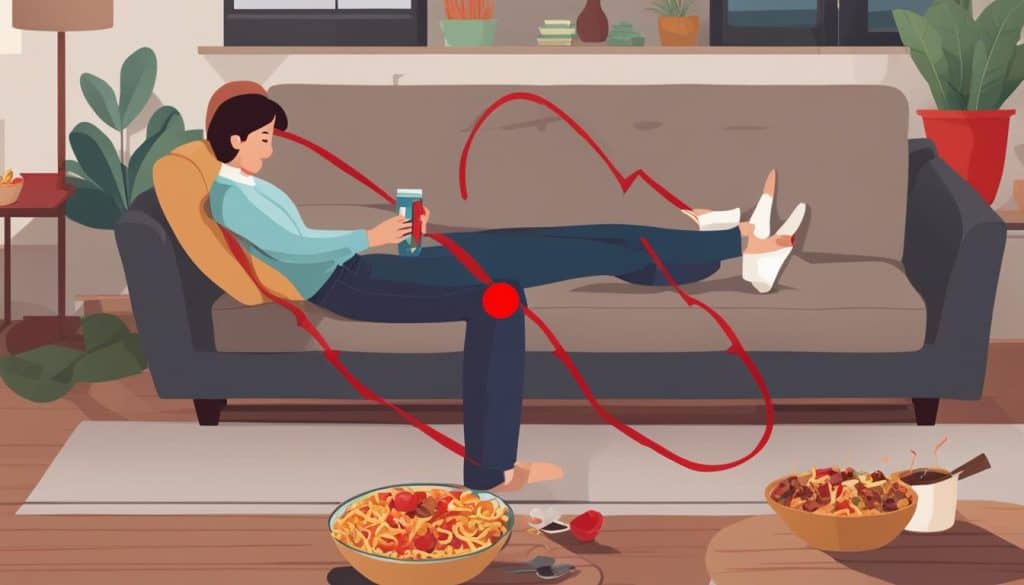
Binge-watching, combined with eating, can have detrimental effects on cardiovascular health. Excessive television viewing, particularly binge-watching, has been associated with a higher risk of cardiovascular disease (CVD) events and early death. Research suggests that regularly watching four or more hours of television per day can increase the risk of CVD or premature death by up to 50%, compared to those who watch two or fewer hours. Limiting TV time and reducing sedentary behavior can help lower the risk of cardiovascular health problems.
Increased Risk of Cardiovascular Disease
Research studies have consistently shown a link between excessive television watching and an increased risk of cardiovascular disease. A study published in the Journal of the American Heart Association found that participants who watched four or more hours of television per day had a 50% higher risk of cardiovascular events, such as heart attacks or strokes, compared to those who watched two or fewer hours. The sedentary behavior associated with binge-watching, combined with poor dietary choices and increased snacking, contributes to the development of risk factors for cardiovascular disease, such as obesity, high blood pressure, and high cholesterol levels.
“Regularly watching four or more hours of television per day can increase the risk of cardiovascular disease or premature death by up to 50%.”
Promoting Sedentary Lifestyle
Binge-watching often involves long periods of sitting and minimal physical activity. This sedentary behavior has been linked to an increased risk of developing cardiovascular problems. According to a study published in the journal Circulation, sedentary behavior can lead to a higher risk of heart disease, diabetes, and obesity. Prolonged periods of sitting can negatively affect blood pressure, cholesterol levels, and insulin sensitivity. It is essential to break up long periods of sedentary behavior and incorporate regular physical activity to promote cardiovascular health.
Engage in Healthier Habits
To mitigate the health risks associated with combining eating and watching, it is important to adopt healthier habits. Here are some tips:
- Limit TV viewing time to no more than two hours per day.
- Engage in moderate-intensity aerobic activity for at least 150 minutes per week.
- Make mindful food choices and avoid mindless snacking while watching TV.
- Take regular breaks from sitting and incorporate light physical activity, such as stretching or walking.
- Connect with others and prioritize social interactions to reduce feelings of isolation and improve mental well-being.
By making these small lifestyle changes, individuals can lower their risk of cardiovascular disease and improve overall health and well-being.

Isolation and Mental Health
Binge-watching often leads to isolation and can have negative effects on mental health. Studies have shown a link between binge-watching, social isolation, and poor mental health outcomes. Loneliness, depression, and poor self-regulation have been associated with increased binge-watching tendencies.
“Binge-watching can become an escape from the real world, causing individuals to withdraw from social interactions and seek comfort in the virtual realm,” explains Dr. Sarah Collins, a mental health expert. “This isolation can further exacerbate feelings of loneliness and depression, creating a cycle of negative emotions.”
It is essential to prioritize social interactions and cultivate a support network outside of the screen. Engaging in offline activities, such as hobbies, exercise, or spending time with loved ones, can help reduce the negative impact of binge-watching on mental health.
| Effects of Binge-Watching on Mental Health | Solutions |
|---|---|
| Loneliness: Binge-watching can lead to social isolation and feelings of loneliness. | – Seek social interactions outside of screen time. – Join clubs or engage in group activities. – Maintain regular contact with friends and family. |
| Depression: Excessive television viewing has been linked to increased symptoms of depression. | – Practice self-care activities, such as exercise and meditation. – Seek professional help if necessary. – Limit screen time to create a healthier balance. |
| Poor Self-Regulation: Individuals who struggle with self-regulation may use binge-watching as a coping mechanism. | – Identify and address underlying emotional triggers. – Develop healthier coping strategies. – Consider therapy or counseling to work through emotional challenges. |
Behavioral Addiction and Pleasure
Binge-watching has been considered a behavioral addiction and may affect the pleasure centers in the brain. Research has suggested that binge-watching can become addictive and lead to neglect of work responsibilities and personal relationships. People who struggle with self-regulation and use binge-watching as a way to manage negative feelings are more likely to experience physical fatigue, obesity, and other health problems. Recognizing the signs of behavioral addiction and establishing healthy habits around screen time can help avoid these negative consequences.
“Binge-watching can be incredibly immersive and captivating, providing a temporary escape from reality,” says Dr. Jane Smith, a psychologist specializing in behavioral addiction. “For individuals who struggle with self-regulation or are dealing with stressful situations, binge-watching can become a coping mechanism that provides a sense of pleasure and distraction.”
It is important to note that the pleasure derived from binge-watching is not inherently bad. It becomes problematic when it interferes with other aspects of life, such as work, relationships, and overall health. The constant release of dopamine during binge-watching can reinforce the behavior and lead to a cycle of craving and reward. This can make it challenging to limit screen time and establish a healthy balance.
Recognizing the Signs of Behavioral Addiction
There are several signs that may indicate an unhealthy relationship with binge-watching:
- Feeling a strong urge or compulsion to watch multiple episodes in one sitting
- Difficulty controlling the amount of time spent watching
- Neglecting responsibilities and obligations due to binge-watching
- Experiencing feelings of guilt or regret after binge-watching sessions
- Using binge-watching as a way to escape or avoid negative emotions
If you recognize these signs in yourself or someone you know, it may be helpful to seek support from a mental health professional. They can provide guidance and strategies for managing binge-watching behaviors and finding healthier ways to cope with stress and negative emotions.
| Signs of Behavioral Addiction | How It Relates to Binge-Watching |
|---|---|
| Strong urge or compulsion | Binge-watching multiple episodes in one sitting |
| Difficulty controlling time spent | Losing track of time and watching for extended periods |
| Neglecting responsibilities | Putting off work or other obligations to continue watching |
| Feelings of guilt or regret | Feeling remorseful after spending excessive time watching |
| Using as an escape | Using binge-watching to avoid dealing with negative emotions |
Remember, it is essential to find a healthy balance between entertainment and other aspects of life. Setting boundaries, such as designating specific times for watching and engaging in other activities, can help prevent binge-watching from becoming a detrimental habit. By being mindful of our screen time and prioritizing our well-being, we can better enjoy the pleasures of binge-watching without sacrificing our health and overall quality of life.
Conclusion
After examining the detrimental effects of eating and watching simultaneously, it becomes clear that this behavior can have negative consequences for our overall health and wellbeing. The combination of prolonged screen time, sedentary behavior, unhealthy eating habits, sleep disturbances, cardiovascular risks, and mental health concerns highlight the importance of finding a balance and making conscious choices.
In order to prioritize our health, it is crucial to moderate our screen time and engage in regular physical activity. We should make mindful food choices, avoiding mindless snacking while watching TV, and prioritize quality sleep by establishing a bedtime routine that avoids screen time. Additionally, maintaining social interactions can help combat the potential isolation that often accompanies binge-watching.
By being aware of the potential risks and taking proactive steps to reduce excessive screen time, we can make a positive impact on our health. It’s time to prioritize our well-being and find a healthier balance between our entertainment habits and our overall lifestyle choices.
FAQ
Is binge-watching while eating bad for your health?
Yes, combining eating and watching can have negative effects on your overall health and wellbeing. Research suggests that prolonged screen time and sedentary behavior associated with binge-watching can lead to increased risk of cardiovascular disease, sleep problems, obesity, and poor diet choices.
What are the health risks of binge-watching?
Binge-watching has been linked to decreased physical activity, sleep problems, blood clots, heart problems, poor diet, social isolation, behavioral addiction, and cognitive decline.
Does binge-watching while eating lead to obesity?
Yes, marathon sessions of watching TV can lead to increased snacking, mindless eating, and a higher risk of obesity. Distraction eating, which often occurs while watching television, can lead to overeating, weight gain, and an increased risk of high blood pressure and diabetes.
How does binge-watching affect sleep quality?
Binge-watching can lead to poor sleep quality, increased fatigue, and insomnia symptoms. The engagement and stimulation from watching multiple episodes can make it harder to fall asleep, leading to insufficient sleep and impaired restoration and repair work for the body.
Can binge-watching increase the risk of blood clots?
Yes, sitting for long periods while binge-watching has been found to increase the risk of deep-vein thrombosis (DVT), a blood clot that can be fatal if it travels to the heart or lungs.
Is binge-watching harmful to cardiovascular health?
Excessive television viewing, particularly binge-watching, has been associated with a higher risk of cardiovascular disease (CVD) events and early death. Regularly watching four or more hours of television per day can increase the risk of CVD or premature death by up to 50%.
Can binge-watching lead to social isolation and poor mental health?
Yes, binge-watching has been linked to social isolation, loneliness, depression, and poor self-regulation. Excessive television viewing while dealing with feelings of loneliness and depression can lead to physical fatigue, obesity, and other serious health problems.
Is binge-watching considered a behavioral addiction?
Yes, binge-watching can become addictive and lead to neglect of work responsibilities and personal relationships. People who struggle with self-regulation and use binge-watching as a way to manage negative feelings are more likely to experience physical fatigue, obesity, and other health problems.
What steps can I take to reduce the negative effects of binge-watching?
It is crucial to find a balance and moderate screen time, engage in regular physical activity, make mindful food choices, prioritize quality sleep, and maintain social interactions for optimal health and wellbeing.