
Can eating healthy make you sick? When it comes to eating healthy, we often associate it with positive effects on our overall well-being. However, there are instances where a focus on healthy eating can actually have negative consequences. In this article, we explore the phenomenon of orthorexia nervosa, a condition that arises from an obsession with consuming only “clean” or “pure” foods. While eating a healthy diet is generally beneficial, it’s essential to understand the potential side effects and strike a balance between nourishing our bodies and maintaining a healthy mindset.
Key Takeaways:
- Orthorexia nervosa is a condition characterized by an excessive focus on consuming only “clean” or “pure” foods.
- This obsession with healthy eating can lead to nutrient deficiencies, malnourishment, and loss of relationships.
- Recognizing the signs of orthorexia and seeking help when needed is crucial for maintaining overall well-being.
- A balanced approach to nutrition, including variety and flexibility, is key for optimal health.
- Seeking professional help, such as therapy and nutritional counseling, can aid in the treatment and recovery from orthorexia nervosa.
Understanding Orthorexia Nervosa: A Modern Eating Disorder
Orthorexia nervosa is a modern eating disorder characterized by a rigid obsession with consuming only foods that are considered “healthy” or “clean.” While eating a nutritious diet is generally beneficial for one’s well-being, an excessive focus on healthy eating can have adverse effects on both physical and psychological health.
Individuals with orthorexia often restrict their diets to the point of excluding entire food groups, leading to nutrient deficiencies and malnutrition. This restrictive behavior can cause various physical and psychological distress, including anxiety, social isolation, and a distorted perception of food and body image.
Although orthorexia nervosa is not officially recognized as a medical disorder, its prevalence and impact on individuals’ well-being have sparked debates among experts. It is essential to distinguish between a health-conscious approach to eating and an unhealthy obsession with purity and perfection in food choices. Striking a balance and adopting a well-rounded diet that includes a variety of nutrient-dense foods is crucial for maintaining optimal health.
The Negative Effects of Orthorexia Nervosa
The negative effects of orthorexia extend beyond physical consequences. The strict dietary rules and obsession with healthy eating can lead to social isolation and strained relationships due to food restrictions. Additionally, individuals with orthorexia may experience heightened anxiety and guilt around food choices, leading to feelings of distress and an impaired quality of life.
Orthorexia nervosa can also result in adverse physical effects, such as nutrient deficiencies and malnutrition. By excessively limiting food choices, individuals may miss out on essential vitamins, minerals, and macronutrients, which can weaken the immune system, disrupt hormonal balance, and impair organ function.
To address the negative effects of orthorexia, it is crucial to recognize the signs early on and seek professional help. Therapy and nutritional counseling can assist individuals in challenging rigid beliefs about food, developing a healthier relationship with eating, and reintroducing a variety of foods to ensure balanced nutrition and address any deficiencies.
| Negative Effects of Orthorexia Nervosa | Physical | Psychological |
|---|---|---|
| Nutrient deficiencies | Weakened immune function | Heightened anxiety |
| Malnutrition | Hormonal imbalances | Guilt around food choices |
| Restricted food choices | Impaired organ function | Distorted body image |
The Psychological Perspective on Orthorexia Nervosa
From a psychological standpoint, orthorexia nervosa can be seen as a manifestation of obsessive-compulsive tendencies and an intense need for control over one’s health. Individuals with orthorexia often have strict self-imposed rules and believe that adhering to a specific diet will prevent or cure diseases. However, this obsessive focus on healthy eating can lead to anxiety, social isolation, and a distorted perception of food and body image. Orthorexia can also contribute to digestive issues, as the rigidity of the diet may lead to problems such as nutrient malabsorption and gastrointestinal disturbances.
According to experts, the psychological aspects of orthorexia are similar to other eating disorders. The preoccupation with food and health can become all-consuming, leaving individuals feeling trapped and anxious. The constant mental calculations and judgments around food choices can take a toll on their overall well-being. Additionally, the rigid rules and restrictions can lead to social isolation as individuals may avoid social gatherings that involve food or feel anxious when faced with food choices outside of their defined parameters.
Orthorexia nervosa is a nuanced condition that requires a comprehensive understanding of the psychological factors at play. It is not simply a matter of eating healthy; it is an unhealthy fixation on it, which can have detrimental effects on individuals’ mental and emotional health.
The Impact on Mental Well-being
Orthorexia nervosa can also have a significant impact on an individual’s mental well-being. The intense focus on healthy eating can create a sense of guilt or anxiety when deviating from self-imposed dietary rules, leading to feelings of failure or inadequacy. This distorted relationship with food can also contribute to an obsessive mindset, where individuals constantly think about their next meal and the impact it will have on their health.
Furthermore, the strict dietary restrictions may result in nutrient deficiencies, which can affect brain function and mood. Essential nutrients like omega-3 fatty acids, vitamins B and D, and minerals like iron play a crucial role in maintaining mental health. Inadequate intake of these nutrients can contribute to imbalances in brain chemistry and increase the risk of developing mental health disorders such as depression and anxiety.
It is important to approach healthy eating with a balanced mindset and prioritize overall well-being rather than rigid dietary rules. Seeking professional help from therapists or registered dietitians can provide valuable guidance and support in developing a healthier relationship with food and promoting mental well-being.
The Physical Impact of Orthorexia Nervosa
Eating a healthy diet is generally beneficial for overall well-being, but it’s important to recognize that an excessive focus on healthy eating can have physical consequences. Orthorexia nervosa, a condition characterized by an obsession with consuming only “clean” or “pure” foods, can lead to various health issues.
One of the physical impacts of orthorexia is the development of healthy food intolerances. By strictly limiting their food choices, individuals with orthorexia may inadvertently develop sensitivities or intolerances to certain healthy foods. This can lead to digestive issues such as bloating, gas, and diarrhea. It is important to note that these intolerances are not caused by the healthy foods themselves, but rather by the restrictive nature of the diet.
The exclusion of entire food groups in orthorexia can also result in nutrient deficiencies. When essential vitamins, minerals, and macronutrients are not adequately consumed, the body may experience weakened immune function, hormonal imbalances, and impaired organ function. Additionally, severe cases of orthorexia may even lead to allergic reactions to previously tolerated foods, further compromising an individual’s overall health.
| Physical Impact of Orthorexia Nervosa | Consequences |
|---|---|
| Healthy food intolerances | Can cause digestive issues such as bloating, gas, and diarrhea |
| Nutrient deficiencies | Weakened immune function, hormonal imbalances, impaired organ function |
| Allergic reactions | May occur to previously tolerated foods |
It is important to maintain a balanced approach to healthy eating and be mindful of any adverse reactions to specific foods. If you suspect you may be experiencing intolerances or nutrient deficiencies due to orthorexia, it is recommended to consult with a healthcare professional for guidance and support.
The Link Between Diet and Mental Well-being
Research suggests that diet can play a significant role in mental well-being. A study conducted by [Source] found that individuals who consume diets rich in fruits and vegetables have lower stress levels compared to those with lower intake. This highlights the importance of a balanced and nutritious diet in promoting positive mental health.
Furthermore, nutrient deficiencies and inflammation caused by an inadequate diet can contribute to increased anxiety and stress levels. It is essential to provide our bodies with the necessary vitamins, minerals, and antioxidants that support overall mental well-being.
The gut microbiome, which is influenced by diet, has also been increasingly linked to mental health. Imbalances in the gut microbiome can impact mood and contribute to anxiety and stress. Therefore, taking care of our gut health by incorporating probiotics and fiber-rich foods can support a healthy mind.
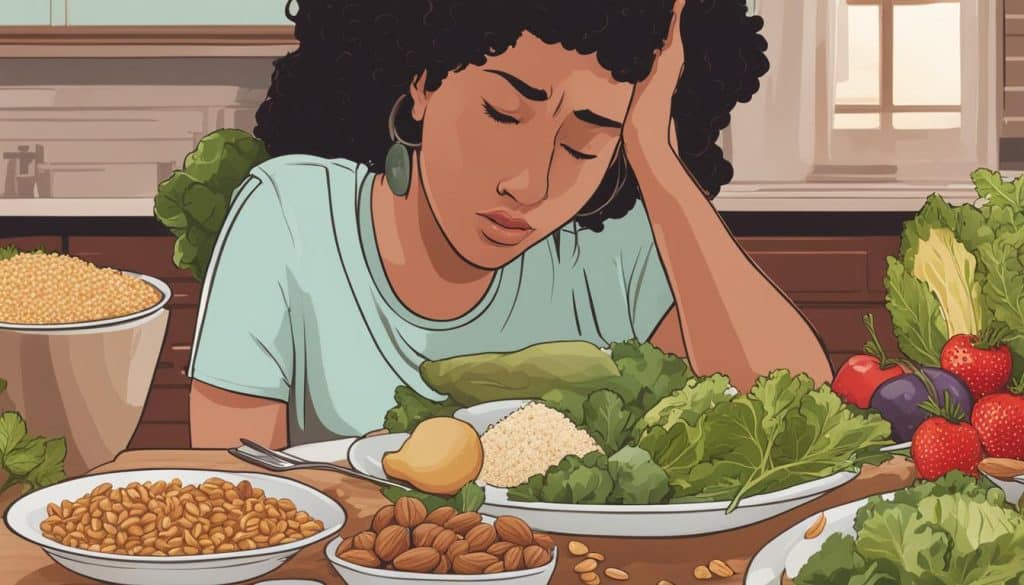
Table: Mental Well-being and Diet
| Dietary Factors | Effects on Mental Well-being |
|---|---|
| Fruits and Vegetables | Lower stress levels, improved mood |
| Essential Nutrients | Reduces anxiety, supports cognitive function |
| Probiotics and Fiber-rich Foods | Promotes a healthy gut microbiome, reduces anxiety |
By adopting a wholesome and balanced diet, we can nurture our mental well-being. However, it is important to consult with a healthcare professional or registered dietitian for personalized advice on diet and mental health.
Finding Balance in Healthy Eating
Eating a healthy diet is important for overall well-being, but it is crucial to find a balance and avoid becoming overly fixated on consuming only “pure” or “clean” foods. While a well-rounded diet that includes nutrient-dense foods is beneficial, excessive restrictions can have negative consequences on both physical and psychological health.
It is essential to listen to your body and be mindful of any adverse reactions to specific foods. Some individuals may develop food intolerances or sensitivities when strictly limiting food choices. It is important to note that a healthy eating pattern should not cause sickness, but excessive focus on restrictive eating habits can lead to nutrient deficiencies and weakened immune function.
Adopting a balanced approach to nutrition involves incorporating a variety of foods from different food groups. This ensures that you receive a wide range of essential vitamins, minerals, and macronutrients necessary for optimal health. Remember, no single food or food group can provide all the nutrients your body needs, so it is important to include a diverse array of foods in your diet.
| Benefits of Balanced Nutrition | Risks of Excessive Restriction |
|---|---|
|
|
Remember, healthy eating is about nourishing both the body and mind. It is important to develop a healthy relationship with food and enjoy a wide variety of nutritious meals. If you find yourself becoming overly fixated on healthy eating or experiencing adverse effects from strict dietary rules, it may be beneficial to seek support from a healthcare professional or registered dietitian.
Image source: https://seowriting.ai/32_6.png
Recognizing the Signs of Orthorexia Nervosa
When it comes to healthy eating, it’s important to strike a balance between nourishing your body and maintaining a healthy mindset. While adopting a nutritious diet can be beneficial, it’s essential to recognize the signs of orthorexia nervosa, a condition characterized by an unhealthy obsession with eating only “pure” foods. By being aware of these signs, both for ourselves and for those around us, we can help identify and address orthorexia before it becomes a severe problem.
One common sign of orthorexia is the development of strict dietary rules. Individuals with orthorexia may become fixated on following these rules to the extreme, often excluding entire food groups from their diets. This rigid mindset can lead to social isolation, as individuals may avoid social gatherings that involve food or feel immense guilt or anxiety when deviating from their self-imposed dietary restrictions.
Another indicator of orthorexia is a preoccupation with food and health. Those affected by orthorexia may constantly think about what they are eating, what others are eating, and the potential impact certain foods may have on their health. This excessive focus on food can consume a person’s thoughts, leading to decreased enjoyment of meals and an overall negative impact on their quality of life.
Recognizing these signs is crucial in promoting early intervention and support. If you suspect that you or someone you know may be struggling with orthorexia, it is important to seek professional help. Mental health professionals can provide guidance and support in developing a healthier relationship with food and restoring balance to one’s eating habits.

| Common Signs of Orthorexia Nervosa |
|---|
| Strict dietary rules and restrictions |
| Social isolation due to food restrictions |
| Anxiety or guilt around food choices |
| A preoccupation with food and health |
| Changes in weight or nutrient deficiencies |
| Impaired social functioning |
Table: Common Signs of Orthorexia Nervosa
By being vigilant and recognizing these signs, we can support ourselves and those around us in developing a healthy relationship with food. Remember, a balanced approach to nutrition is key, and seeking help when needed is a vital step towards overall well-being.
Treatment and Recovery from Orthorexia Nervosa
Treatment for orthorexia nervosa typically involves a multidisciplinary approach, encompassing therapy, nutritional counseling, and sometimes medication for underlying mental health conditions. Cognitive-behavioral therapy (CBT) is commonly used to address the distorted beliefs and rigid rules associated with orthorexia. Through CBT, individuals are guided to challenge and reframe their thoughts, develop more flexible eating patterns, and cultivate a healthier relationship with food.
Nutritional counseling plays a crucial role in the treatment of orthorexia. A registered dietitian can help individuals reintroduce a variety of foods into their diets, ensuring balanced nutrition and addressing any nutrient deficiencies that may have developed. This process involves education on portion sizes, meal planning, and identifying fear foods, as well as learning to trust one’s body and its hunger and fullness cues.
Medication may be prescribed in cases where an individual with orthorexia also experiences comorbid conditions such as anxiety or depression. Antidepressants or anti-anxiety medications can help manage symptoms and improve overall well-being, but they should always be used in conjunction with therapy and nutritional support.
| Treatment Approach | Description |
|---|---|
| Cognitive-Behavioral Therapy (CBT) | A form of therapy that helps individuals challenge and reframe their thoughts and behaviors related to food and their body image. It aims to promote healthier eating patterns and reduce anxiety around food. |
| Nutritional Counseling | Working with a registered dietitian to develop a more balanced and flexible approach to eating. This involves reintroducing fear foods, addressing nutrient deficiencies, and learning to trust one’s body and its hunger and fullness cues. |
| Medication | In some cases, medication may be prescribed to manage comorbid conditions such as anxiety or depression. This can provide additional support alongside therapy and nutritional counseling. |
Recovery from orthorexia is a journey that requires ongoing support, understanding, and commitment. It is important to surround yourself with a strong support system of professionals, friends, and family who are educated about orthorexia and its challenges. Remember, healing takes time, and progress may come in small steps. With the right treatment and support, it is possible to overcome orthorexia and develop a healthy relationship with food.
Quote:
“Recovery from orthorexia is a journey that requires ongoing support, understanding, and commitment. It is important to surround yourself with a strong support system of professionals, friends, and family who are educated about orthorexia and its challenges.” – Orthorexia Recovery Foundation
Conclusion
After exploring the topic of orthorexia nervosa and its potential impacts, it is clear that while eating a healthy diet is generally beneficial, it is essential to maintain a balanced approach. Can eating healthy make you sick? In some cases, yes. Orthorexia nervosa is a condition that can develop when a focus on healthy eating becomes excessive and restrictive.
This obsessive preoccupation with “clean” or “pure” foods can lead to nutrient deficiencies, malnourishment, and adverse physical and psychological effects. Can healthy eating cause digestive issues? Yes, the rigidity of an orthorexic diet may contribute to problems such as nutrient malabsorption and gastrointestinal disturbances. Can a clean diet cause sickness? In extreme cases, it can compromise an individual’s overall health.
Recognizing the signs of orthorexia, such as strict dietary rules and social isolation due to food restrictions, is crucial for early intervention and support. Seeking help from professionals is vital for maintaining overall well-being. It is important to remember that a healthy diet is about balance, variety, and nourishing both the body and mind. So, while embracing a healthy lifestyle, let’s not forget to listen to our bodies and prioritize our holistic well-being.
FAQ
Can eating healthy make you sick?
Eating a healthy diet is generally beneficial for overall well-being. However, an excessive and rigid focus on consuming only “clean” or “pure” foods can lead to a condition called orthorexia nervosa, which can have negative physical and psychological effects. It is important to maintain a balanced approach to nutrition and listen to your body’s signals.
What is orthorexia nervosa?
Orthorexia nervosa is a modern eating disorder characterized by an obsession with consuming only foods deemed “healthy.” Individuals with orthorexia may restrict their diets to the point of excluding entire food groups, leading to nutrient deficiencies and malnutrition. The condition can also cause physical and psychological distress, impairing social functioning and relationships.
What are the psychological impacts of orthorexia nervosa?
Orthorexia nervosa can be seen as an expression of obsessive-compulsive tendencies and a need for control over one’s health. It often involves strict dietary rules and a belief that adhering to a specific diet will prevent or cure diseases. This obsessive focus on healthy eating can lead to anxiety, social isolation, and a distorted perception of food and body image.
What are the physical consequences of orthorexia nervosa?
By strictly limiting food choices, individuals with orthorexia may develop intolerances or sensitivities to certain healthy foods. The exclusion of entire food groups can lead to nutrient deficiencies, weakened immune function, hormonal imbalances, and impaired organ function. Severe cases of orthorexia may even cause allergic reactions to previously tolerated foods.
Is there a link between diet and mental well-being?
Research suggests that diet can play a role in mental well-being. Consuming diets rich in fruits and vegetables has been associated with lower stress levels. Nutrient deficiencies and inflammation caused by an inadequate diet can contribute to increased anxiety and stress. Additionally, imbalances in the gut microbiome, which are influenced by diet, have been linked to mood disorders.
How can I find balance in healthy eating?
While eating a healthy diet is important, it is crucial to maintain a balanced approach. Avoid becoming overly restrictive and fixated on consuming only “pure” foods. Adopt a well-rounded diet that includes a variety of nutrient-dense foods. Listen to your body’s signals and be mindful of any adverse reactions to specific foods.
How can I recognize the signs of orthorexia nervosa?
Common indicators of orthorexia include strict dietary rules, social isolation due to food restrictions, anxiety or guilt around food choices, and a preoccupation with food and health. Changes in weight, nutrient deficiencies, and impaired social functioning may also be present. If you suspect you or someone you know may be struggling with orthorexia, seek professional help.
How is orthorexia nervosa treated and can it be recovered from?
Treatment for orthorexia nervosa typically involves a multidisciplinary approach, including therapy, nutritional counseling, and sometimes medication for underlying mental health conditions. Cognitive-behavioral therapy can help challenge rigid beliefs about food and develop a healthier relationship with eating. Nutritional counseling focuses on reintroducing a variety of foods to ensure balanced nutrition and address deficiencies. Recovery from orthorexia is a journey that requires support, understanding, and a commitment to healing.
Can eating healthy make you sick?
Eating a healthy diet is generally beneficial, but it is important to maintain a balanced approach. Excessive focus on healthy eating can lead to the development of orthorexia nervosa, which can have negative physical and psychological effects. It is crucial to listen to your body’s signals, seek professional help when needed, and remember that a healthy diet is about balance and nourishing both the body and mind.