
Salads are not only delicious, but they can also be incredibly nutritious. Incorporating high fiber foods into your salads is a great way to boost your intake of this essential nutrient. High fiber vegetables and fruits, such as leafy greens, legumes, and whole grains, can provide numerous health benefits, including reducing the risk of heart disease, aiding in weight management, and promoting digestive health. In this article, I will explore a variety of high fiber foods salad recipes that are easy to make and packed with nutrients.
Key Takeaways – High Fiber Foods Salad
- High fiber foods are essential for a nutritious diet.
- Including high fiber vegetables and fruits in your salads can provide numerous health benefits.
- High fiber salads can support weight management and promote digestive health.
- By incorporating a variety of high fiber foods into your salads, you can create nutrient-packed meals.
- High fiber salads are easy to make and can be enjoyed at any mealtime.
Why Include High Fiber Foods in Your Salad?
Incorporating high fiber foods into your salad can have numerous health benefits. High fiber vegetables, such as leafy greens, broccoli, and Brussels sprouts, are rich in vitamins, minerals, and antioxidants. According to a study published in Nutrients, a diet high in fiber vegetables can help reduce the risk of chronic diseases, including heart disease and certain types of cancer. These vegetables provide essential nutrients and fiber, which aids in digestion and supports overall digestive health.
Furthermore, high fiber fruits, like berries and apples, provide essential nutrients and natural sweetness to your salad. They are also rich in antioxidants, which protect your cells from damage caused by free radicals. Evidence published in the American Journal of Lifestyle Medicine suggests that a high fiber fruit intake is associated with a reduced risk of cardiovascular diseases.
| High Fiber Vegetables | High Fiber Fruits |
|---|---|
| Leafy greens (spinach, kale) | Berries (raspberries, blackberries) |
| Broccoli | Apples |
| Brussels sprouts | Pears |
A high fiber salad can help regulate digestion, promote satiety, and support weight management. The fiber in these foods adds bulk to your salad, making you feel fuller for longer and reducing the likelihood of overeating. Research published in the Journal of Nutrition suggests that a high fiber diet can aid in weight loss and weight maintenance.
Additionally, high fiber foods can lower the risk of chronic diseases, such as heart disease and diabetes. The soluble fiber found in these foods can help control blood sugar levels and improve cholesterol levels. According to a study published in the American Journal of Clinical Nutrition, a high fiber diet rich in vegetables and fruits is associated with a reduced risk of heart disease.
By incorporating a variety of high fiber foods into your salad, including high fiber vegetables and fruits, you can create a nutrient-packed meal that is both delicious and beneficial for your health.
Including high fiber foods in your salad can have a positive impact on your health. By incorporating high fiber vegetables and fruits into your diet, you can enjoy the numerous benefits of a high fiber diet, including improved digestion, increased satiety, and reduced risk of chronic diseases.
Easy High Fiber Salad Recipes
Creating a high fiber salad is a breeze with these easy and delicious recipes. These nutrient-packed salads are made with simple ingredients that are readily available, making them perfect for quick and healthy meals.
Cucumber, Tomato, and Chickpea Salad
This refreshing salad combines crisp cucumber, juicy tomatoes, and protein-packed chickpeas for a satisfying meal. Tossed with a healthy green goddess dressing made from avocado, Greek yogurt, and fresh herbs, this salad is bursting with flavor.
“The combination of cucumber, tomato, and chickpeas creates a delightful texture in this salad. The creamy green goddess dressing adds a tangy and herbaceous element that ties everything together.”
– Chef Jamie Smith
Shrimp Cobb Salad
If you’re in the mood for a seafood twist, try this quick and easy shrimp Cobb salad. Packed with succulent shrimp, crisp lettuce, creamy avocado, and tangy blue cheese, this salad is a true delight. You can also explore a choice of high-protein cheese to get more protein on your bowl.
“The combination of juicy shrimp, creamy avocado, and tangy blue cheese creates a flavor explosion in every bite. This salad is not only delicious but also a great source of protein.”
– Chef Sarah Johnson
Quinoa and Black Bean Salad
For a hearty vegetarian option, this quinoa and black bean salad is a winner. Loaded with protein-rich black beans, nutty quinoa, crisp vegetables, and a zesty lime dressing, this salad is both satisfying and nutritious.
“The combination of quinoa and black beans provides a complete source of protein, making this salad a great vegetarian option. The zesty lime dressing adds a burst of refreshing flavor.”
– Chef Michael Thompson
These easy high fiber salad recipes demonstrate that incorporating healthy high fiber ingredients into your meals doesn’t have to be complicated. With just a few simple steps, you can enjoy a nutritious and delicious salad that provides all the benefits of a high fiber diet.
| Recipe | Preparation Time |
|---|---|
| Cucumber, Tomato, and Chickpea Salad | 15 minutes |
| Shrimp Cobb Salad | 20 minutes |
| Quinoa and Black Bean Salad | 25 minutes |
These recipes are perfect for busy individuals who are looking for quick and easy high fiber meals. Incorporating these salads into your meal plan will not only boost your fiber intake but also provide you with a nutritious and satisfying meal that can be enjoyed any time of the day.
High Fiber Salad Ideas for Every Season
One of the great things about salads is that they can be tailored to the seasons, allowing you to incorporate fresh and seasonal ingredients into your high fiber salad. By embracing the bounty of each season, you can create high fiber salads that are not only nutritious but also bursting with flavor.
Fall Salad Ideas
In the fall, you can enjoy a hearty roasted Brussels sprout and butternut squash salad. The combination of warm roasted vegetables with crisp greens creates a delightful contrast of flavors and textures. Another fall-inspired salad idea is a kale and quinoa salad with persimmons. The earthy kale pairs well with the nuttiness of quinoa and the sweetness of ripe persimmons.
Summer Salad Ideas
During the summer months, refreshment is key, and a cool and vibrant avocado salad with crispy fried quinoa is a perfect choice. The creamy avocado blends perfectly with the crunchiness of the fried quinoa, creating a satisfying and light summer salad. For a taste of California, try a salad featuring blueberries and edamame. The burst of sweetness from the blueberries and the nuttiness of edamame make for a delightful combination.
When it comes to high fiber salads, there are endless possibilities for each season. Incorporating seasonal produce not only ensures freshness and flavor but also supports local farmers and the environment. So go ahead and get creative with your high fiber salad ideas, and enjoy the best of each season’s offerings!
| Fall Salad Ideas | Summer Salad Ideas |
|---|---|
| Roasted Brussels sprout and butternut squash salad | Avocado salad with crispy fried quinoa |
| Kale and quinoa salad with persimmons | California-inspired salad with blueberries and edamame |
Benefits of a High Fiber Diet
When it comes to promoting overall health, adopting a high fiber diet offers a multitude of benefits. Fiber plays a crucial role in our digestive system, aiding in the regulation of digestion and preventing constipation. It also promotes a healthy gut microbiome, which has a significant impact on our overall well-being.
A high fiber diet can help control blood sugar levels, making it beneficial for individuals with diabetes or those looking to maintain stable blood sugar levels. Additionally, fiber assists in lowering cholesterol levels, reducing the risk of heart disease. Incorporating high fiber foods into our diet can also aid in weight management by providing a feeling of fullness and reducing calorie intake.
Furthermore, a high fiber diet has been shown to reduce the risk of developing chronic diseases, such as heart disease, stroke, and certain types of cancer. Fiber-rich foods contain essential vitamins, minerals, and antioxidants that support our immune system and overall health.
To illustrate the various health benefits of a high fiber diet, let’s explore some important points:
- Digestive Health: Fiber promotes regular bowel movements, prevents constipation, and contributes to a healthy gut microbiome.
- Weight Management: High fiber foods help to create a feeling of fullness, reducing overeating and aiding in weight management.
- Blood Sugar Control: A high fiber diet can assist in controlling blood sugar levels, making it beneficial for individuals with diabetes or those at risk.
- Heart Health: By lowering cholesterol levels, a high fiber diet reduces the risk of heart disease and promotes cardiovascular health.
- Cancer Prevention: Fiber-rich foods can reduce the risk of certain types of cancer, including colorectal cancer.
- Healthy Weight Loss: Fiber is less energy-dense, meaning it provides fewer calories. This can support healthy weight loss and weight maintenance.
Incorporating high fiber foods into your daily diet, such as through high fiber salads, is an effective way to enjoy the benefits of a high fiber diet while savoring delicious and nutritious meals.
“A high fiber diet provides numerous health benefits, including better digestive health, controlled blood sugar levels, lower cholesterol, reduced risk of chronic diseases, and support for healthy weight management.”- Jamie Smith, Registered Dietitian
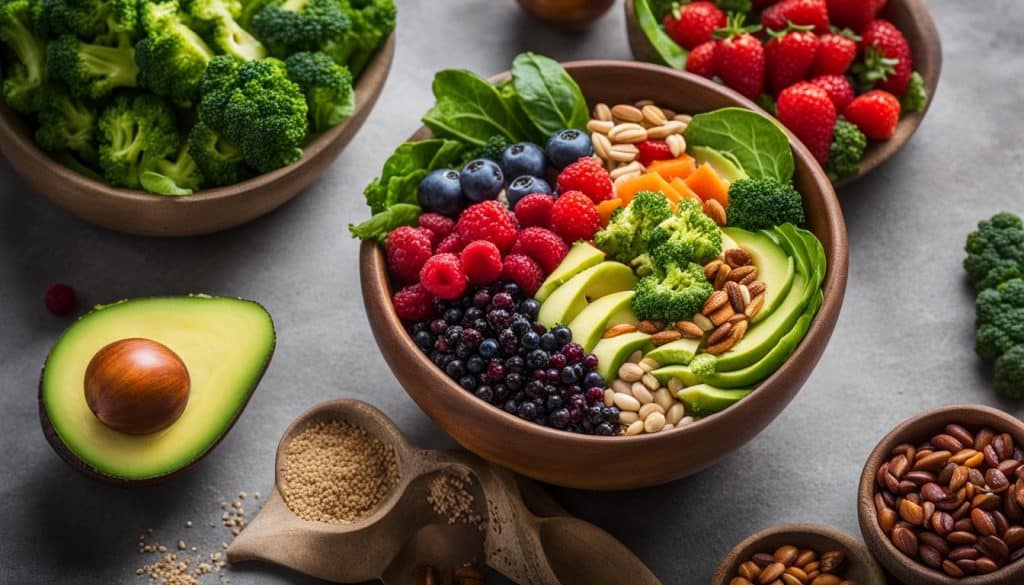
| Benefits of a High Fiber Diet | Description |
|---|---|
| Digestive Health | Promotes regular bowel movements, prevents constipation, and contributes to a healthy gut microbiome. |
| Weight Management | Creates a feeling of fullness, reducing overeating and aiding in weight management. |
| Blood Sugar Control | Assists in controlling blood sugar levels, beneficial for individuals with diabetes or those at risk. |
| Heart Health | Lowers cholesterol levels, reducing the risk of heart disease and promoting cardiovascular health. |
| Cancer Prevention | Reduces the risk of certain types of cancer, including colorectal cancer. |
| Healthy Weight Loss | Provides fewer calories while keeping you satiated, supporting healthy weight loss and weight maintenance. |
High Fiber Vegetables to Include in Your Salad
When it comes to creating a high fiber salad, including a variety of fiber-rich vegetables is a must. Not only do they provide essential nutrients, but they also add a delicious crunch and vibrant colors to your salad. Here are some of the best high fiber vegetables to elevate the nutritional value of your salad:
1. Leafy Greens
Leafy greens, such as spinach and kale, are nutritional powerhouses packed with fiber, vitamins, and minerals. They provide a satisfying texture and offer a range of flavors to your salad. Whether you prefer baby spinach, romaine lettuce, or arugula, these high fiber vegetables are a great base for your salad.
2. Cruciferous Vegetables
Broccoli and cauliflower are excellent choices for adding fiber to your salad. These cruciferous vegetables are not only high in fiber but also rich in antioxidants and other beneficial compounds. Incorporate them raw or lightly steamed for a delightful crunch and added nutritional benefits.
3. Root Vegetables
Carrots, sweet potatoes, and beets are fantastic sources of both soluble and insoluble fiber. These root vegetables bring a natural sweetness and vibrant colors to your salad, making it visually appealing and delicious. Grated, roasted, or sliced, they provide a satisfying texture and enhance the overall taste of your salad.
4. Bell Peppers
Bell peppers, especially the colorful ones like red, yellow, and orange, are not only high in fiber but also rich in vitamin C. They add a refreshing crunch and a burst of flavor to your salad. Whether you enjoy them raw, grilled, or roasted, bell peppers are a fantastic addition to create a vibrant and nutritious salad.
5. Brussels Sprouts
Brussels sprouts are packed with dietary fiber, vitamins, and minerals. They have a slightly nutty flavor and a satisfying crunch when thinly sliced or roasted. Including Brussels sprouts in your high fiber salad can introduce a unique taste and texture, elevating the overall dining experience.
6. Cucumbers
Crisp and refreshing, cucumbers are a hydrating choice for your high fiber salad. They are low in calories but high in fiber and provide a delightful crunch. You can enjoy them in various ways, such as sliced, diced, or even spiralized, to create a visually appealing salad.
By incorporating a mix of these high fiber vegetables in your salad, you can create a nutrient-packed meal that is not only delicious but also promotes good health. Experiment with different combinations and don’t be afraid to try new vegetables to keep your salads exciting and enjoyable.
High Fiber Fruits to Enhance Your Salad
In addition to high fiber vegetables, incorporating high fiber fruits into your salad can add sweetness and variety. Some of the best high fiber fruits to include are berries, such as raspberries and blackberries, apples, pears, and oranges. These fruits not only provide fiber but also offer a range of vitamins, minerals, and antioxidants. By combining high fiber fruits with vegetables and other ingredients, you can create a well-balanced and delicious high fiber salad.
| Fruit | Fiber Content (per 100g) |
|---|---|
| Berries (raspberries, blackberries, strawberries) | 6-8g |
| Apples | 2.4g |
| Pears | 3.1g |
| Oranges | 2.4g |
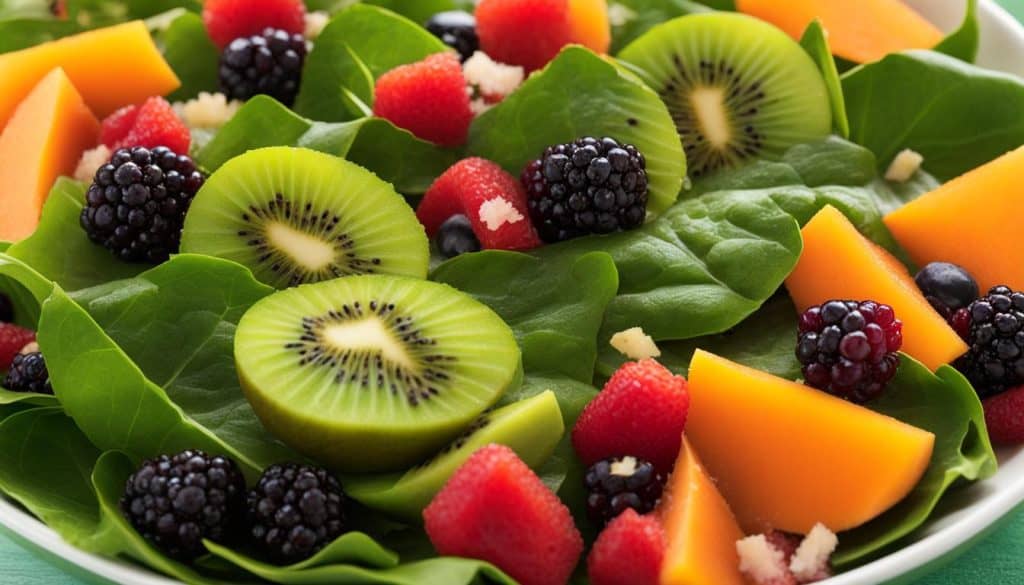
The Best High Fiber Ingredients for Your Salad
Apart from vegetables and fruits, there are many other high fiber ingredients that can elevate the nutritional profile of your salad. By incorporating a variety of these high fiber ingredients, you can create a salad that is not only delicious but also packed with essential nutrients.
Legumes
Legumes, such as beans and lentils, are excellent sources of fiber and plant-based protein. They can add a hearty texture and taste to your salads. Consider adding kidney beans, black beans, or chickpeas to increase the fiber content of your salad. These legumes also provide a substantial amount of plant-based protein, making your salad satisfying and nutritious.
Whole Grains
Whole grains like quinoa and brown rice provide both fiber and additional nutrients to your salad. These grains offer a satisfying chewiness and nutty flavor. Including quinoa or brown rice in your salad not only enhances the fiber content but also adds texture and a range of beneficial micronutrients.
Nuts and Seeds
Nuts and seeds are not only delicious but also rich in fiber, healthy fats, and essential minerals. Adding a handful of walnuts or chia seeds to your salad can increase the fiber content and provide a satisfying crunch. Other options include almonds, sunflower seeds, and flaxseeds. These ingredients not only contribute to the fiber content of your salad but also add a depth of flavor and valuable nutrients.
“Incorporating legumes, whole grains, and nuts or seeds into your salad can significantly increase its fiber content and enhance its nutritional value.”
By combining a variety of high fiber ingredients such as legumes, whole grains, nuts, and seeds, you can create a salad that is not only nutritious but also delicious. These ingredients add texture, flavor, and an array of beneficial nutrients to your salad. Experiment with different combinations to discover your favorite high fiber salad creation.
| High Fiber Ingredient | Fiber Content per 100g |
|---|---|
| Kidney Beans | 7.4g |
| Quinoa | 2.8g |
| Walnuts | 6.7g |
| Chia Seeds | 34.4g |
By incorporating these high fiber ingredients into your salad, you can create a nutritious and satisfying meal that supports your overall well-being. Experiment with different combinations and enjoy the benefits of a high fiber salad.
Tips for Creating a Delicious High Fiber Salad
Creating a delicious high fiber salad is all about balance and combining flavors and textures. Here are some tips to help you make a mouthwatering high fiber salad:
- Start with a base of high fiber vegetables and fruits: Incorporate a variety of colorful and nutrient-rich vegetables like spinach, kale, broccoli, and bell peppers. Add fiber-rich fruits such as berries, apples, and pears for a touch of sweetness.
- Add proteins: To make your high fiber salad more filling and satisfying, include proteins like legumes (such as chickpeas or black beans), grilled chicken, or tofu.
- Incorporate healthy fats: Enhance the flavor and boost satiety by adding healthy fats from sources like nuts (such as almonds or walnuts), seeds (like chia or pumpkin seeds), or avocado.
- Experiment with dressings and seasonings: Explore different dressings, herbs, and spices to add a burst of flavor without compromising the nutritional value of your salad. Try a tangy balsamic vinaigrette, zesty lemon-garlic dressing, or a sprinkle of dried herbs.
- Don’t be afraid to get creative: Vary your ingredients and try new combinations to keep your salads interesting and enjoyable. Mix different textures, such as adding crunchy croutons, roasted nuts, or crispy bacon bits for added depth of flavor.
Remember, the key to a delicious high fiber salad is finding the right balance of ingredients that satisfy your taste buds and provide the nutritional benefits you’re looking for.
By following these tips, you can create a high fiber salad that is not only nutritious but also delicious. Enjoy the vibrant flavors and textures while nourishing your body with the goodness of high fiber ingredients.
High Fiber Salad Ingredients at a Glance
| High Fiber Vegetables | High Fiber Fruits | Proteins | Healthy Fats |
|---|---|---|---|
| Spinach | Berries | Chickpeas | Almonds |
| Kale | Apples | Black Beans | Walnuts |
| Broccoli | Pears | Grilled Chicken | Chia Seeds |
| Bell Peppers | – | Tofu | Avocado |
Incorporating High Fiber Salads into Your Meal Plan
Creating a meal plan that includes high fiber salads is a smart and delicious way to prioritize your health. Whether you’re looking to increase your fiber intake, support weight management, or simply enjoy nutritious meals, high fiber salads offer a perfect solution. You can easily incorporate these salads into your meal plan as a main course for lunch or dinner, or as a satisfying side dish alongside lean proteins.
Meal prepping your high fiber salads in advance can save time and ensure that you always have a wholesome meal ready to enjoy. By preparing your salads ahead of time, you can conveniently grab a nutritious option when you’re on-the-go or don’t have time to cook. With a little bit of planning and preparation, you can seamlessly incorporate high fiber salads into your weekly meal routine.
Advantages of Including High Fiber Salads in Your Meal Plan
There are several advantages to incorporating high fiber salads into your meal plan:
- Improved Digestion: High fiber salads promote healthy digestion by providing adequate dietary fiber, which aids in proper bowel movements and prevents constipation.
- Weight Management: Including high fiber salads in your meal plan can help you feel fuller for longer, reducing overeating and supporting weight management goals.
- Enhanced Nutritional Content: High fiber salads are packed with vitamins, minerals, and antioxidants from a variety of vegetables, fruits, legumes, and whole grains.
- Diversified Diet: Incorporating high fiber salads into your meal plan allows you to diversify your diet, ensuring that you consume a wide range of nutrients for optimal health.
Consider adding high fiber salads to your meal plan to unlock these benefits and enjoy a nutrient-rich and satisfying eating routine.
| Meal Plan Example | High Fiber Salad | Lean Protein Option |
|---|---|---|
| Monday | Quinoa and Black Bean Salad | Grilled Chicken Breast |
| Tuesday | Spinach, Strawberry, and Walnut Salad | Baked Salmon |
| Wednesday | Kale, Chickpea, and Avocado Salad | Grilled Tofu |
| Thursday | Mediterranean Greek Salad | Grilled Shrimp |
| Friday | Roasted Vegetable and Quinoa Salad | Grilled Sirloin Steak |
Tips for Incorporating High Fiber Salads into Your Meal Plan
Here are some tips to help you seamlessly incorporate high fiber salads into your meal plan:
- Experiment with different salad recipes to keep your meals exciting and prevent monotony.
- Choose a variety of high fiber vegetables, fruits, legumes, and whole grains to create balanced and nutritious salads.
- Consider adding a source of lean protein, such as chicken, fish, tofu, or beans, to make your salads more filling and satisfying.
- Plan your grocery list in advance to ensure you have all the ingredients needed for your high fiber salads.
- Allocate time for meal prepping your salads, such as washing and chopping vegetables, cooking grains, and preparing dressings.
By following these tips, you can easily incorporate high fiber salads into your meal plan and enjoy the numerous health benefits they provide. With their delicious flavors and nutritional value, high fiber salads are an excellent addition to any healthy eating routine.
Conclusion
In conclusion, high fiber salads offer a delicious and nutritious way to boost your fiber intake and improve your overall health. By incorporating high fiber vegetables, fruits, legumes, and whole grains into your salads, you can create a well-rounded and satisfying meal that provides a wide range of nutrients. Whether your goal is to improve digestion, manage weight, or prevent chronic diseases, high fiber salads can be a valuable addition to your meal plan.
One of the great things about high fiber salads is their versatility. You can experiment with different ingredients, flavors, and dressings to keep your salads interesting and enjoyable. From hearty roasted Brussels sprout and butternut squash salads to refreshing avocado and fried quinoa salads, there are endless possibilities to explore.
So why not embrace the health benefits of high fiber salads and make them a regular part of your healthy lifestyle? Incorporate a variety of high fiber foods into your salads, and enjoy the delicious flavors and textures that these nutrient-packed meals have to offer. Start creating your own high fiber salads today and discover the difference they can make in supporting your overall well-being.
FAQ
Why should I include high fiber foods in my salad?
Including high fiber foods in your salad can provide numerous health benefits, such as reducing the risk of heart disease, aiding in weight management, and promoting digestive health.
What are some easy high fiber salad recipes?
Some easy high fiber salad recipes include cucumber, tomato, and chickpea salad with a healthy green goddess dressing, shrimp Cobb salad, and quinoa and black bean salad.
How can I create a high fiber salad for every season?
You can create a high fiber salad for every season by using seasonal ingredients, such as roasted Brussels sprouts and butternut squash in the fall or avocado and blueberries in the summer.
What are the benefits of a high fiber diet?
A high fiber diet can help regulate digestion, prevent constipation, control blood sugar levels, lower cholesterol levels, maintain a healthy weight, and reduce the risk of chronic diseases.
Which high fiber vegetables should I include in my salad?
Some of the best high fiber vegetables to include in your salad are leafy greens, cruciferous vegetables like broccoli, and root vegetables like carrots.
What are the high fiber fruits that I can add to my salad?
Some high fiber fruits to enhance your salad are berries, apples, pears, and oranges.
What are the best high fiber ingredients for my salad?
The best high fiber ingredients for your salad include legumes, whole grains, and nuts or seeds.
How can I make a delicious high fiber salad?
To make a delicious high fiber salad, balance flavors and textures, incorporate high fiber vegetables, fruits, and proteins, add healthy fats, and experiment with dressings, herbs, and spices.
How can I incorporate high fiber salads into my meal plan?
You can incorporate high fiber salads into your meal plan by enjoying them as a main course or side dish, meal prepping in advance, and varying your ingredients and combinations to keep your salads interesting and enjoyable.