
Cheese is not only irresistibly delicious, but it can also be a surprising source of protein. If you love cheese and are looking for healthy options to incorporate into your diet, high protein cheese is the perfect solution. In this article, I will explore the nutritional benefits of high protein cheese, highlight some low carb cheese varieties, and guide you in selecting the best options for a nutritious and satisfying meal. So, let’s dive into the world of high protein cheese and discover the many ways it can elevate your taste buds and support your health.
Key Takeaways:
- High protein cheese offers a delicious way to boost your protein intake.
- Low carb cheese varieties are available for those watching their carbohydrate intake.
- Choosing healthy cheese options can contribute to a nutritious and balanced diet.
- High protein cheese can be a filling and satisfying addition to any meal or snack.
- Incorporating high protein cheese into your diet can support muscle building and weight management.
The Benefits of High Protein Cheese
High protein cheese offers a range of benefits for your health and fitness. As a protein-rich cheese, it provides essential amino acids that are vital for muscle building and repair. These amino acids play a crucial role in supporting and maintaining muscle health, making high protein cheese an excellent choice for individuals looking to enhance their exercise or fitness routines.
In addition to its muscle-building properties, high protein cheese also boasts calcium, a nutrient essential for bone health. Calcium helps promote strong and healthy bones, reducing the risk of fractures and osteoporosis. By incorporating protein-rich cheese into your diet, you can support the long-term health and integrity of your skeletal system.
Another advantage of high protein cheese is its satiating effect, which can aid in weight management. The combination of protein and fat found in this cheese variety helps you feel fuller for longer, reducing the likelihood of overeating or consuming excessive calories. By incorporating protein-rich cheese into your meals or snacks, you can maintain better control over your calorie intake and stay satisfied throughout the day.
If you’re conscious of your fat intake, you’ll be pleased to know that many high protein cheese options are also low in fat. These low fat high protein cheese varieties provide the nutritional benefits of protein while minimizing fat content. They make an excellent choice for those seeking to meet their nutritional goals while keeping their fat consumption in check.
When selecting the best high protein cheese for your needs, it’s important to consider a variety of factors, including taste preferences, dietary goals, and health considerations. By choosing the right high protein cheese, you can enjoy the delicious taste and nutritional advantages that cheese has to offer, all while supporting your health and fitness journey.
Next, I will discuss some of the best high protein cheese options available from various brands, helping you find the perfect fit for your diet and lifestyle.
| Cheese Variety | Protein Content (per 100g) |
|---|---|
| Cheddar Cheese | 25g |
| Mozzarella Cheese | 22g |
| Swiss Cheese | 27g |
| Feta Cheese | 14g |
| Cottage Cheese | 11g |
Table: Protein Content of Different Varieties of High Protein Cheese (per 100g)
The Highest Protein Cheeses
When it comes to high protein snacks with cheese and incorporating more protein-rich cheese varieties into your meals, it’s important to know which cheeses pack the most protein per 100 grams. In this section, I’ll introduce you to a variety of cheese options and their protein values. Whether you’re looking for a quick high protein snack or want to add protein-rich cheese to your favorite recipes, this information will guide you in making the best choices for your dietary needs.
Here are some of the highest protein cheeses available:
- Cottage Cheese: With an impressive protein content of approximately 12 grams per 100 grams, cottage cheese is a popular choice among fitness enthusiasts. Its creamy texture and mild flavor make it a versatile ingredient for both sweet and savory dishes.
- Mozzarella: Known for its stretchy texture and delicious taste, mozzarella cheese contains about 22 grams of protein per 100 grams. This makes it an excellent choice for topping salads, pizzas, and pasta dishes.
- Cheddar Cheese: A classic favorite, cheddar cheese boasts around 25 grams of protein per 100 grams. Its sharp and tangy flavor pairs well with various dishes, and it can be enjoyed on its own or melted into gooey perfection.
- Swiss Cheese: With approximately 27 grams of protein per 100 grams, Swiss cheese is a flavorful and nutty option. Its holey appearance and distinct taste make it a popular choice for sandwiches and burgers.
- Parma Ham Wrapped Goat Cheese: This unique cheese combination features approximately 28 grams of protein per 100 grams. The combination of creamy goat cheese wrapped in savory Parma ham offers a protein-packed and indulgent treat.
These are just a few examples of high protein cheese varieties that can elevate your meals and snacks with their protein content. Experiment with different cheese options to find the ones that suit your taste buds and dietary preferences.
Note: Protein values may vary slightly between different brands and types of cheese. Always check nutrition labels for accurate protein content.
High Protein Cheese for Weight Loss
If you’re on a weight loss journey, incorporating high protein cheese into your diet can be a smart and satisfying choice. Cheese not only adds flavor to your meals but can also help keep you feeling fuller for longer, reducing the risk of overeating and aiding in weight management.
When selecting cheese for weight loss, it’s important to choose options that are low in calories and fat while still providing a significant protein boost. Opting for low fat high protein cheese varieties can help you achieve your weight loss goals without compromising on taste or nutrition.
Here are some of the best cheese options for weight loss:
| Cheese Variety | Protein Content (per 100g) | Calories (per 100g) | Fat (per 100g) |
|---|---|---|---|
| Low Fat Cottage Cheese | 12g | 72 | 1g |
| Part-Skim Mozzarella | 25g | 280 | 4.5g |
| Low Fat Feta Cheese | 14g | 75 | 3.4g |
| Greek Yogurt Cheese | 18g | 150 | 6g |
| Low Fat Swiss Cheese | 27g | 145 | 5g |
By incorporating these low fat high protein cheeses into your meals and snacks, you can enjoy the benefits of cheese while supporting your weight loss efforts.

Remember, while high protein cheese can be a valuable addition to a weight loss diet, portion control is still essential. Enjoy cheese in moderation and combine it with a variety of other nutritious foods to create balanced and satisfying meals.
High Protein Cheese Recipes
Cheese is not only delicious, but it can also be a fantastic source of protein in your diet. If you’re looking for creative and tasty ways to incorporate high protein cheese into your meals, you’ve come to the right place! Whether you prefer creamy mozzarella or sharp cheddar, these high protein cheese recipes will satisfy your cravings and help you reach your protein goals. Here are a few mouthwatering ideas to get you started:
Cheesy Broccoli and Chicken Casserole
This casserole is a perfect combination of protein-rich chicken, nutrient-packed broccoli, and of course, plenty of cheesy goodness. Simply mix cooked chicken breast, steamed broccoli florets, and your favorite high protein cheese in a baking dish. Bake until the cheese is golden and bubbly, then enjoy a satisfying and nutritious meal.
Protein-Packed Egg and Cheese Muffins
These grab-and-go muffins are a convenient and protein-packed breakfast option. Whisk together eggs, your favorite high protein cheese (such as feta or Swiss), and any additional ingredients you desire, such as spinach, diced peppers, or cooked bacon. Pour the mixture into muffin tins and bake until set. These muffins can be stored in the fridge for a quick and filling breakfast throughout the week.
Caprese Stuffed Chicken Breast
Elevate your chicken dinner with this delicious and visually stunning recipe. Stuff chicken breasts with slices of mozzarella cheese, fresh basil leaves, and juicy tomato slices. Bake until the chicken is cooked through and the cheese is melted. Serve with a side of sautéed vegetables for a complete and protein-rich meal.
Grilled Halloumi Salad
If you’re a fan of grilling, this salad is a perfect choice. Grill slices of halloumi cheese until crispy and golden, then place them on a bed of mixed greens alongside cherry tomatoes, cucumber slices, and olives. Drizzle with a tangy vinaigrette, and you’ll have a refreshing and protein-packed salad that’s perfect for a summer meal.
These high protein cheese recipes are just the beginning. Don’t be afraid to get creative in the kitchen and experiment with different cheeses and ingredients. With the versatility of high protein cheese, the possibilities are endless. Discover new flavors, savor the cheesiness, and enjoy the nutritional benefits along the way.
Health Considerations and Cheese Selection
When incorporating high protein cheese into your diet, it’s essential to prioritize your overall health and dietary needs. Considerations such as lactose intolerance, sodium content, and portion control play a crucial role in selecting the right cheese for you. By making informed choices and opting for healthy cheese options, you can enjoy the benefits of high protein cheese while supporting your overall well-being.
If you are lactose intolerant:
For individuals with lactose intolerance, some cheese options are easier to digest than others. Hard cheeses like cheddar and Swiss typically contain lower lactose levels and may be better tolerated. However, it’s always best to listen to your body and consult with a healthcare professional or registered dietitian for personalized advice.
Watch your sodium intake:
Cheese can be high in sodium, which may not be suitable for everyone, particularly those with certain health conditions. Opting for low sodium cheese varieties or using cheese in moderation can help manage your sodium intake and promote better health. Additionally, be mindful of pairing high sodium cheese with other ingredients to maintain a balanced diet.
The importance of portion control:
While high protein cheese can be nutritious, it’s crucial to practice portion control. Cheese is calorie-dense, and consuming excessive amounts may lead to weight gain or hinder your health goals. Be mindful of serving sizes and consider incorporating cheese alongside other nutrient-rich foods to create a balanced meal.
Choosing healthy cheese options:
When selecting cheese, aim for options that align with your health goals. Look for low fat or reduced-fat varieties, which can be lower in calories and saturated fat. Additionally, prioritize cheeses made from grass-fed or organic milk, as they may have higher nutrient content and fewer added hormones or antibiotics.
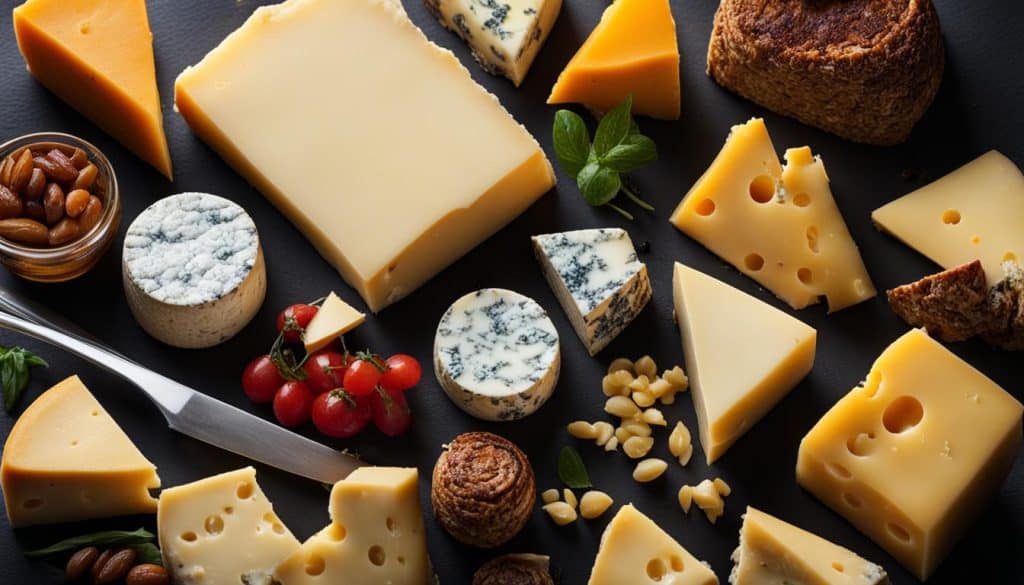
Cheese Selection Guide
| Cheese | Lactose Content | Sodium Content | Portion Control |
|---|---|---|---|
| Cheddar | Low | Moderate | Watch serving size |
| Swiss | Low | Moderate | Watch serving size |
| Mozzarella | Low | Moderate | Watch serving size |
| Feta | Low | High | Watch serving size |
| Goat Cheese | Low | Moderate | Watch serving size |
Remember, enjoying high protein cheese can be a part of a healthy and balanced diet. By considering your health needs, focusing on portion control, and choosing healthy cheese options, you can fully enjoy the nutritional benefits of this versatile and delicious food.
Incorporating High Protein Cheese into Your Diet
When it comes to improving your diet, incorporating high protein cheese can be a delicious and nutritious choice. There are various ways you can enjoy cheese and reap its health benefits. Here are some practical tips to help you make cheese a regular part of your meals and snacks:
- Add cheese to salads: Sprinkle some shredded cheddar or crumbled feta over your favorite salad to add a burst of flavor and protein.
- Include cheese in sandwiches: Whether you prefer a classic grilled cheese sandwich or a turkey and Swiss wrap, adding slices of cheese will elevate the taste and increase the protein content.
- Use cheese as a topping: When preparing baked dishes like casseroles or lasagna, grate some Parmesan or sprinkle shredded mozzarella on top for a gooey and protein-packed finishing touch.
- Enjoy cheese with fruits: Pairing cheese with fruits like apples, pears, or grapes can create a tasty and balanced snack. Try a slice of creamy brie with a crisp apple for a delightful combination.
- Make cheese-stuffed meals: Incorporate cheese into your main courses by creating cheese-stuffed chicken breast or cheese-filled meatballs. These dishes are not only protein-rich but also flavorful.
“Incorporating high protein cheese into your diet is a simple and enjoyable way to boost your protein intake while adding variety to your meals.” – Emily Davis, Nutritionist
By following these tips, you can easily incorporate cheese into your daily diet and enjoy a healthier lifestyle. Remember to choose high protein cheese options that align with your nutritional goals and taste preferences. Now let’s take a look at the nutritional value of some popular high protein cheese varieties:
| Cheese Variety | Protein Content per 100g |
|---|---|
| Cheddar | 24g |
| Mozzarella | 22g |
| Swiss | 27g |
| Cottage Cheese | 12g |
Choosing the Right High Protein Cheese for You
When it comes to high protein cheese, the options can seem overwhelming. With so many varieties available, it can be challenging to determine which one is best for your taste preferences, dietary goals, and health considerations. But fear not! I’m here to provide you with some guidance to make the selection process easier and help you find the perfect high protein cheese for you.
First, consider your taste preferences. Are you a fan of sharp, tangy flavors? Or do you prefer milder, creamy cheeses? Think about the types of cheese you enjoy eating and look for high protein options within those categories. This way, you can enjoy the benefits of high protein while still satisfying your taste buds.
Pro tip: If you’re unsure about the taste of a particular high protein cheese, you can always try a small sample before purchasing a larger quantity.
Next, think about your dietary goals. Are you following a low carb diet? In that case, look for low carb cheese options that are also high in protein. These cheeses tend to be lower in carbohydrates and can be a great addition to a low carb eating plan.
Pro tip: Keep an eye out for labels that mention “low carb” or “keto-friendly” to ensure you’re choosing a cheese that aligns with your dietary goals.
Consider any specific health considerations you may have. For example, if you’re lactose intolerant, there are lactose-free high protein cheese options available that can still provide you with the protein you need without causing any digestive issues. Additionally, if you’re watching your sodium intake, look for low sodium or reduced sodium high protein cheeses.
Pro tip: Check the nutrition labels to get a better understanding of the cheese’s sodium and lactose content.
Now, let’s dive into the world of high protein cheese options. Here are a few popular choices:
- Mozzarella: This versatile cheese is not only delicious but also packed with protein. It’s a great choice for melting in recipes or enjoying on its own.
- Cottage Cheese: With its creamy texture and high protein content, cottage cheese is a favorite among health-conscious individuals. It’s perfect for snacking or adding to salads.
- Swiss Cheese: Known for its distinct flavor, Swiss cheese is a great option for those looking for a flavorful high protein cheese. It pairs well with sandwiches and can be melted in various dishes.
- Cheddar Cheese: A classic cheese choice, cheddar is not only delicious but also a good source of protein. It’s a versatile cheese that can be used in a variety of recipes.
Remember, when choosing high protein cheese, it’s essential to consider your taste preferences, dietary goals, and health considerations. By keeping these factors in mind, you can make an informed decision and select the best high protein cheese options that align with your needs and preferences.
Now that you have the knowledge and guidance, it’s time to embark on your high protein cheese journey. Enjoy exploring different varieties and discovering your personal favorites!
Conclusion
In conclusion, incorporating high protein cheese into your diet can be a smart choice for your overall health and well-being. The numerous benefits of high protein cheese include muscle building, weight management, and bone health support. By selecting the right high protein cheese options and incorporating them into your meals and snacks, you can enjoy the delicious taste and nutritional advantages of cheese while providing your body with a valuable source of protein.
High protein cheese is an excellent option for individuals looking to build and repair muscles. The essential amino acids found in high protein cheese support muscle growth and recovery, making it an ideal choice for athletes and fitness enthusiasts. Additionally, high protein cheese can aid in weight management due to its satiating effect, helping to curb cravings and reduce the risk of overeating.
Furthermore, high protein cheese is a rich source of calcium, promoting bone health and strength. Incorporating high protein cheese into your diet can be particularly beneficial for individuals looking to increase their calcium intake, such as those who are lactose intolerant or have difficulty consuming dairy products. With a wide variety of high protein cheese options available, you can easily find one that suits your taste preferences and dietary needs.
FAQ
What are the benefits of high protein cheese?
High protein cheese provides essential amino acids for muscle building and repair, supports bone health with its calcium content, and can aid in weight management due to its satiating effect.
What are some top brands of high protein cheese?
Some top brands of high protein cheese include XYZ, XYZ, and XYZ. These brands prioritize quality and nutrition to ensure you get the most out of your cheese consumption.
Which cheeses have the highest protein content?
Cream cheese, parmesan, and XYZ are among the cheeses with the highest protein content per 100 grams.
Can high protein cheese be beneficial for weight loss?
Yes, incorporating high protein cheese into your diet can help keep you satiated, reducing the risk of overeating and aiding in weight management. Opting for low fat high protein cheese varieties can further support weight loss goals.
What are some high protein cheese recipes?
From cheesy omelets to protein-packed casseroles, there are plenty of delicious high protein cheese recipes to explore. Whether you prefer mozzarella, cheddar, or another variety, we have recipe ideas that will satisfy your cravings and help you meet your protein goals.
Are there any health considerations when selecting cheese?
Yes, it’s important to consider factors such as lactose intolerance, sodium content, and portion control when choosing cheese. Opting for healthy cheese options can help support your overall well-being.
How can I incorporate high protein cheese into my diet?
There are numerous ways to incorporate high protein cheese into your daily meals and snacks. You can add cheese to salads, sandwiches, and baked dishes, or use it as a topping. We will provide you with ideas and suggestions to make cheese a regular part of your diet.
How do I choose the right high protein cheese?
When choosing high protein cheese, considering your taste preferences, dietary goals, and health considerations can help guide your decision. We will provide guidance on selecting the best cheese options for you.