
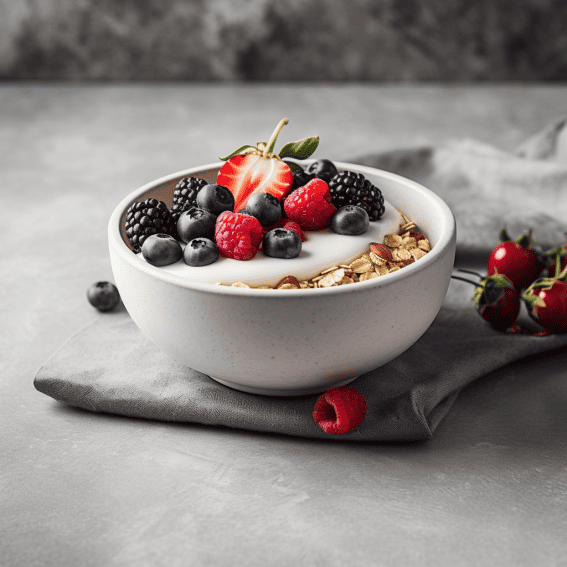
How to eat healthy food is an important issue that has been on the minds of many people in recent times.
As a nutritionist expert, I have witnessed firsthand the effect of unhealthy eating habits on individuals and their overall well-being.
I have seen people struggle with weight gain, high cholesterol, and other health problems due to poor dietary choices.
That’s why I have created this content to help people make better and healthier food choices.
Eating healthy is not just about losing weight, it’s about feeling better and living longer.
So, let’s dive in and discover how we can all eat healthier and live better.
KEY TAKEAWAY
How to eat healthy food?
Eating a healthy, balanced diet is essential for maintaining overall health and wellness. (1)
Incorporating a variety of fruits, vegetables, whole grains, and lean proteins, while limiting processed foods high in fat, salt, and sugar, is key to achieving optimal health.
How can I incorporate more fruits and vegetables into my diet?
Incorporating more fruits and vegetables into your diet is one of the best things you can do for your health.
Fruits and vegetables are packed with nutrients like vitamins, minerals, and fiber that are essential for optimal health and wellbeing.
As a nutritionist expert, I can provide you with some simple tips to help you incorporate more fruits and vegetables into your diet.
One easy way to increase your intake of fruits and vegetables is to make them a part of every meal.
For example, you can add sliced bananas or berries to your morning cereal, or you can add a side salad or vegetable to your lunch and dinner.
You can also try incorporating fruits and vegetables into your snacks by having some baby carrots or sliced apples with peanut butter.
Another way to increase your intake of fruits and vegetables is to experiment with new recipes and cooking methods.
Try grilling or roasting vegetables for a delicious and healthy side dish, or make a fruit smoothie for a refreshing and nutritious snack.
You can also try incorporating fruits and vegetables into your favorite dishes, like adding spinach to your pasta or adding chopped peppers to your omelet.
Finally, it can be helpful to keep healthy snacks and produce on hand when hunger strikes.
Having a bowl of fruit on your kitchen counter or some cut-up vegetables in the fridge can make it easier to make healthy choices throughout the day.
And remember, it’s never too late to start incorporating more fruits and vegetables into your diet.
Even small changes can make a big difference in your health and wellbeing.
Incorporating more fruits and vegetables into your diet may seem daunting at first, but with a little creativity and experimentation, it can be easy and delicious.
By making fruits and vegetables a part of every meal, trying new recipes and cooking methods, and keeping healthy snacks on hand, you can increase your intake of these nutritious foods and reap the many health benefits they offer.
So go ahead and give it a try, your body will thank you for it!
More on eating well guide.
Healthy Protein Alternatives to Red Meat
Red meat is a good source of protein, iron, and zinc, but excessive consumption of red meat can lead to health problems such as heart disease, cancer, and obesity.
It is important to include a variety of protein sources in our diet to meet our daily protein needs.
Some healthy protein alternatives to red meat include:
1. Poultry: Chicken and turkey are lean protein sources that are low in saturated fat and high in vitamins and minerals. They can be baked, roasted, grilled, or stir-fried, and can be used in a variety of dishes.
2. Fish: Fish is a rich source of omega-3 fatty acids, which are important for heart health. Salmon, tuna, trout, and mackerel are some examples of fish that are high in protein and low in saturated fat. Fish can be baked, grilled, or pan-fried, and can be used in salads, soups, and sandwiches.
3. Legumes: Legumes such as beans, lentils, and chickpeas are a great source of plant-based protein. They are also high in fiber, which helps to promote satiety and can aid in weight management. Legumes can be used in soups, stews, salads, and dips.
It is important to note that some plant-based protein sources may not contain all the essential amino acids that our body needs.
To ensure that we are getting all the essential amino acids, it is important to consume a variety of protein sources.
How Much Salt Should I Be Consuming Daily?
Salt is an essential nutrient that our body needs to function properly, but excessive consumption of salt can lead to health problems such as high blood pressure, heart disease, and stroke.
The American Heart Association recommends that adults consume no more than 2,300 milligrams of sodium per day, which is equivalent to about one teaspoon of salt.
However, most Americans consume far more than the recommended amount of sodium, with the majority of sodium intake coming from processed foods and restaurant meals.
To reduce sodium intake, it is important to read food labels and choose low-sodium or no-salt-added versions of packaged foods.
In addition, cooking at home and using fresh ingredients can help to reduce sodium intake.
Herbs, spices, and citrus juices can be used to add flavor to dishes instead of salt.
It is also important to limit the use of salt in cooking and at the table.
In conclusion, consuming a variety of protein sources and limiting sodium intake are important for maintaining good health.
By making small changes to our diet and lifestyle, we can improve our overall health and reduce the risk of chronic disease.
More on what to eat on healthy diet.
What are the healthiest types of oils to use in cooking?
Choosing the right type of oil can make a huge difference in your overall health.
As a nutritionist expert, I highly recommend using oils that are high in unsaturated fats, such as olive oil and avocado oil.
These types of oils can help to lower your cholesterol levels and decrease your risk of heart disease.
Another healthy oil to use in cooking is coconut oil.
While it is high in saturated fat, it contains a unique type of saturated fat called medium-chain triglycerides, which have been shown to boost metabolism and decrease appetite.
However, it is important to use coconut oil in moderation, as it is still high in calories.
On the other hand, it is best to avoid oils that are high in trans fats, such as vegetable oil and palm oil.
These types of oils can raise your cholesterol levels and increase your risk of heart disease.
Additionally, it is important to avoid using oils that have been heavily processed, as they can contain harmful chemicals and additives.
In summary, the healthiest types of oils to use in cooking include olive oil, avocado oil, and coconut oil.
It is important to use these oils in moderation and avoid oils that are high in trans fats or heavily processed.
By making these simple changes in your cooking habits, you can improve your overall health and reduce your risk of chronic diseases.
How important is staying hydrated in maintaining a healthy diet?
Staying hydrated is one of the most important things you can do to maintain a healthy diet.
As a nutritionist expert, I recommend drinking at least 8 glasses of water per day to stay properly hydrated.
When you are dehydrated, your body is not able to function properly.
This can lead to several health problems, including fatigue, headaches, and digestive issues.
Additionally, drinking water can help to flush toxins from your body and promote healthy skin and kidneys.
To make sure you are getting enough water throughout the day, try carrying a water bottle with you wherever you go.
You can also add flavor to your water by infusing it with fresh fruits or herbs, such as lemon or mint.
Additionally, you can eat water-rich foods, such as cucumbers and watermelon, to help you stay hydrated.
In summary, staying hydrated is essential for maintaining a healthy diet.
By drinking at least 8 glasses of water per day and incorporating water-rich foods into your diet, you can improve your overall health and well-being.
Remember, water is the best beverage for keeping your body hydrated and functioning at its best.
Conclusion
In conclusion, eating healthy is a lifelong commitment that requires discipline and dedication. (2)
But it’s also a fun and exciting journey as you discover new foods and flavors that nourish your body and soul.
Whether it’s adding more veggies to your plate, cooking at home, or trying out new restaurants with healthy options, there are endless ways to eat healthy and enjoy delicious food.
Remember, food is not just fuel for our bodies, it’s an experience that should be enjoyed and savored.
So, let’s all make the commitment to eat healthier and live better, starting today!
More on what does eat healthy mean.
Frequently Asked Questions
How can I maintain a healthy diet while eating out at restaurants?
Maintaining a healthy diet while eating out at restaurants can be challenging, but it’s not impossible.
First, start by looking at the restaurant’s menu online before you go and choose a healthy option.
You can also ask the waiter to make adjustments, like substituting a side of fries for a salad or asking for grilled instead of fried chicken.
Another tip is to watch your portion sizes.
Restaurants often serve larger portions than necessary, so consider sharing a dish with a friend or taking home leftovers.
It’s also important to be mindful of sauces and dressings, as they can be high in calories and sodium.
Ask for them on the side, so you can control how much you use.
Lastly, don’t forget to drink water with your meal.
Sodas and other sugary drinks can add unnecessary calories and sugar to your meal.
Staying hydrated with water can also help you feel fuller, so you’re less likely to overeat.
Is it necessary to track macros and calories to eat a healthy diet?
Tracking macros and calories isn’t always necessary to eat a healthy diet.
Instead, focus on eating whole foods and a variety of fruits, vegetables, whole grains, lean proteins, and healthy fats.
One tip is to make sure you’re getting enough nutrients from each food group.
A good visual guide is the Healthy Plate method, which recommends filling half your plate with fruits and vegetables, a quarter with lean protein, and a quarter with whole grains.
Another tip is to listen to your body’s hunger and fullness cues.
Pay attention to when you’re hungry and when you’re full, and don’t feel like you have to finish everything on your plate.
It’s also important to practice mindful eating, which means being present and fully engaged in the eating experience.
What are some healthy snack options to keep on hand for busy days?
Healthy snack options to keep on hand for busy days include fruits, vegetables, nuts, and seeds.
These snacks are nutrient-dense and can help keep you full between meals.
One tip is to pre-portion your snacks, so you’re not mindlessly eating from a large bag.
Another tip is to have snacks with you when you’re on the go, like keeping a bag of almonds in your purse or a piece of fruit in your car.
If you need something more filling, consider making a quick snack like a smoothie or a piece of toast with avocado and a boiled egg.
These snacks are easy to make and can provide a good balance of protein, carbohydrates, and healthy fats.
References
- https://www.nhs.uk/live-well/eat-well/how-to-eat-a-balanced-diet/eight-tips-for-healthy-eating/
- https://www.heartandstroke.ca/healthy-living/healthy-eating/healthy-eating-basics