
Does High Protein Intake Cause Acne? As a journalist, I always strive to explore the latest research and provide you with the most up-to-date information. Today, I want to talk about a question that often comes up: does high protein intake cause acne? Let’s dive into the relationship between a high protein diet and acne to shed some light on this topic.
Research studies have suggested a potential connection between high protein intake and the development or exacerbation of acne. While protein is essential for muscle growth and overall health, certain protein supplements, like whey protein, may have an impact on the skin.
Whey protein, derived from cow’s milk, is a popular supplement among bodybuilders and athletes. It contains growth factors, such as insulin-like growth factor-1 (IGF-1), which plays a role in sebum production and can potentially contribute to clogged pores and acne breakouts. However, it’s important to note that scientific research specifically investigating the potential of protein intake to cause acne is limited.
Now, let’s take a closer look at the research and examine the relationship between protein intake and acne.
Key Takeaways – Does High Protein Intake Cause Acne?
- Research studies suggest a potential connection between high protein intake and acne.
- Whey protein, a popular supplement among bodybuilders, contains growth factors that may contribute to acne.
- Scientific research specifically investigating the potential of protein intake to cause acne is limited.
The Research Study on Protein-Calorie Supplements and Acne
In an effort to understand the potential link between protein intake and acne, a descriptive observational study was conducted in gyms and a dermatology clinic. This study aimed to examine the relationship between the use of protein-calorie supplements and the onset or exacerbation of acne vulgaris.
Over a two-month period, researchers observed the progressive use of protein-calorie supplementation among participants and documented any changes in their skin health. The study specifically focused on individuals without current acne and no family history of acne to eliminate confounding factors.
The findings of the study revealed a significant association between protein-calorie supplementation and the onset of acneiform lesions. Individuals who consumed an increased amount of protein through these supplements experienced the development of acne-like skin issues. Notably, this effect was more prominent in females.
“While the study does provide evidence of a potential relationship between protein-calorie supplements and acne, it’s important to note that it is an observational study and does not establish a causative link.”
Further research is needed to understand the underlying mechanisms and potential causality between protein intake and acne development. However, these findings suggest that excessive protein intake, especially in the form of protein-calorie supplements, may have an impact on skin health and contribute to the onset or exacerbation of acne.
| Observations | |
|---|---|
| Study Type | Descriptive Observational Study |
| Participants | Individuals without current acne and no family history of acne |
| Duration | Two months |
| Main Finding | Progressive use of protein-calorie supplements led to the onset of acneiform lesions |
While this study offers valuable insights into the potential relationship between protein-calorie supplements and acne, it is important to interpret the findings cautiously. It is always advisable to consult with a healthcare professional or dermatologist for personalized advice regarding one’s dietary choices and skin health.
Whey Protein and Acne
As a widely consumed protein supplement among bodybuilders and athletes, whey protein has been under scrutiny for its potential impact on acne. This has led to questions regarding the link between a high protein diet and acne breakouts. Specifically, individuals wonder if protein consumption can trigger acne or worsen existing breakouts.
One factor contributing to the association between whey protein and acne is its high content of insulin-like growth factor-1 (IGF-1). IGF-1 is a hormone that can stimulate the production of sebum, an oily substance that can clog pores and promote acne development. Therefore, the presence of IGF-1 in whey protein may increase the likelihood of acne breakouts.
It’s important to note that the impact of whey protein on acne can vary among individuals. Hormonal changes and genetics also play significant roles in the development of acne. Some individuals may experience flare-ups in their acne when consuming whey protein, while others may not notice any significant changes. Factors such as skin type, overall diet, and the presence of other contributing factors can influence the relationship between whey protein and acne breakout.
To gain a better understanding of how whey protein may affect your skin, it is advisable to consult with a healthcare professional or a dermatologist.
The Role of Hormones and Genetics
Hormonal imbalances and genetic predispositions are crucial factors in the development and severity of acne. These factors can interact with dietary choices, including protein consumption, to influence the occurrence of acne breakouts. Therefore, while whey protein may have the potential to worsen or cause acne, it is important to remember that it is not the sole factor responsible for acne development.
Understanding the complex interplay between diet, hormones, and genetics is essential for effectively managing and preventing acne breakouts.
In the next section, we will explore the relationship between dairy products and acne, shedding light on their potential impact on skin health.
| Pros | Cons |
|---|---|
| Rich source of essential amino acids | Potential to stimulate sebum production |
| Aids muscle recovery and growth | May increase the likelihood of clogged pores |
| Convenient and easily accessible | Impact on acne can vary among individuals |
Dairy Products and Acne
Some studies have found a link between dairy products and acne, including milk, cheese, and yogurt. This association is thought to be due to the presence of hormones and other growth factors found in cow’s milk, including whey protein. However, it’s important to note that not all dairy products may contribute to acne, and individuals may have different sensitivities.

| Dairy Product | Effect on Acne |
|---|---|
| Milk | Some individuals may experience acne flare-ups due to the hormones and growth factors present in milk. |
| Cheese | Certain types of cheese may be more likely to contribute to acne due to their higher fat and hormone content. |
| Yogurt | While yogurt contains beneficial probiotics, some individuals may still experience acne breakouts due to the dairy content. |
It’s important to consider individual differences when it comes to the effects of dairy products on acne. Some people may have a higher sensitivity to the hormones and growth factors found in dairy, while others may not experience any noticeable impact on their skin. If you suspect that dairy products are contributing to your acne, it may be worth reducing or eliminating them from your diet to see if there is any improvement in your skin health.
Expert Insight
“The relationship between dairy products and acne is complex and varies among individuals. While some studies suggest a possible connection, it is not a definitive cause-and-effect relationship. It’s important to consider other factors such as genetics, hormonal changes, and overall diet when addressing acne concerns. Working with a dermatologist or a registered dietitian can help identify any triggers and develop an appropriate management plan.” – Dr. Sarah Williams, Dermatologist
Alternatives to Whey Protein
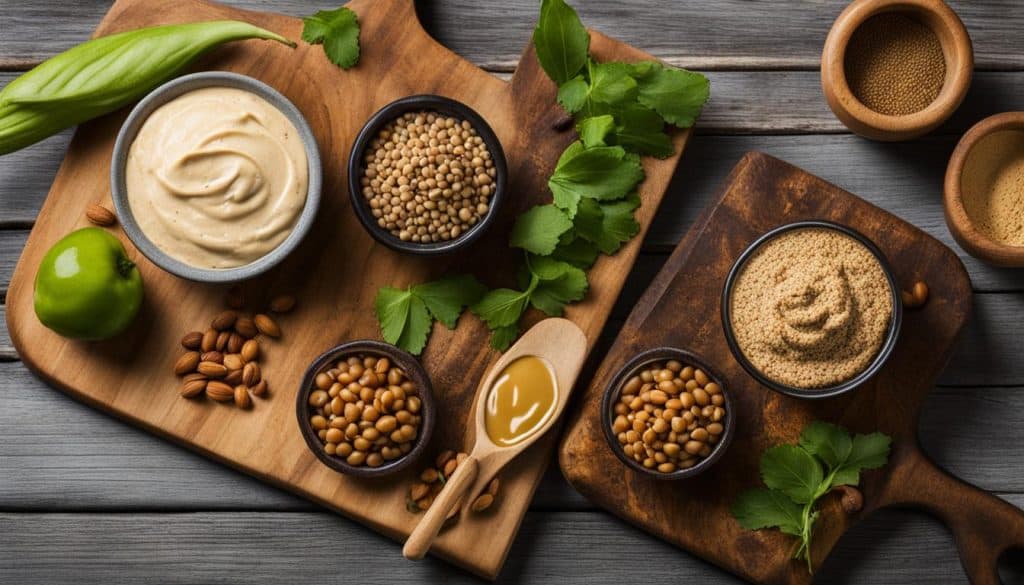
If you’re looking to reduce your whey protein intake or explore plant-based options, there are numerous alternatives that can provide you with the protein you need. These alternatives are not only suitable for vegetarians and vegans but also offer a variety of health benefits.
Plant-based Protein Sources
Plant-based proteins can be excellent substitutes for whey protein. They not only provide protein but also fiber, vitamins, and minerals. Here are some popular plant-based protein sources:
- Beans: Beans, such as black beans, kidney beans, and chickpeas, are packed with protein and fiber. They can be used in a variety of dishes, including salads, soups, and stews.
- Lentils: Lentils are rich in protein, iron, and folate. They are versatile and can be incorporated into salads, curries, and vegetarian patties.
- Chickpeas: Chickpeas, also known as garbanzo beans, are not only a great protein source but also a good source of fiber. They can be used in salads, hummus, or roasted as a healthy snack.
- Peas: Peas are high in protein, fiber, and antioxidants. They can be added to stir-fries, soups, or used as a side dish.
- Soy: Soybeans and soy products, such as tofu and tempeh, are complete protein sources that contain all essential amino acids. They can be used as a meat substitute in various dishes.
- Nuts and Seeds: Nuts and seeds, including almonds, walnuts, chia seeds, and hemp seeds, are excellent sources of protein, healthy fats, and essential nutrients. They can be added to smoothies, oatmeal, or enjoyed as a snack.
- Eggs: Eggs are a complete protein source and provide essential nutrients. They can be prepared in various ways, including scrambled, boiled, or as omelets.
- Fish and Seafood: Fish and seafood, such as salmon, tuna, shrimp, and mussels, are excellent sources of lean protein and omega-3 fatty acids. They can be grilled, baked, or sautéed.
- Dairy-free Protein Powders: If you prefer a convenient option, there are various dairy-free protein powders available. These powders are often made from sources like pea, hemp, or rice and can be used in smoothies, shakes, or added to recipes.
By incorporating these plant-based protein sources into your diet, you can ensure that you’re meeting your protein needs without relying solely on whey protein or other animal-based sources.
Diet and Acne Management
When it comes to managing acne, making dietary changes can play a significant role in improving the condition of your skin. By adopting an acne-friendly diet, you can potentially reduce breakouts and promote clearer skin. Here are some key strategies to help you start an acne-free diet:
1. Embrace a Low Glycemic Index (GI) Diet
One approach to managing acne is to follow a low glycemic index (GI) diet. A low GI diet consists of consuming foods that have a minimal impact on blood sugar levels. This can help prevent spikes in insulin, which is believed to contribute to acne breakouts. Opt for unprocessed foods, whole grains, and foods with a low GI value, such as fruits, vegetables, and legumes.
2. Limit Processed Foods and Refine Carbohydrates
Processed foods and refined carbohydrates, such as white bread, sugary snacks, and sweetened beverages, may lead to an increase in inflammation and sebum production, both of which can contribute to acne. By reducing your intake of these foods, you can potentially improve your skin health and reduce the occurrence of breakouts.
3. Increase Intake of Fruits, Vegetables, and Omega-3 Fatty Acids
Fruits and vegetables are rich in essential nutrients and antioxidants that can support healthy skin. Aim to include a variety of colorful fruits and vegetables in your daily diet. Additionally, consuming foods high in omega-3 fatty acids, such as fatty fish (salmon, mackerel) and nuts, may have anti-inflammatory properties that can benefit your skin.
4. Keep a Food Diary
To identify specific foods or drinks that may trigger acne breakouts, it can be helpful to keep a food diary. This allows you to track your meals and any subsequent changes in your skin. By noting any patterns or correlations between certain foods and your acne, you can adjust your diet accordingly and avoid potential triggers.
5. Quote:
“Making dietary changes can have a positive impact on managing acne and improving skin health. By adopting an acne-friendly diet and paying attention to potential triggers, you can take control of your skin and experience fewer breakouts.”
6. Table:
| Acne-Friendly Foods | Avoid |
|---|---|
| Fruits (berries, citrus) | Sugary snacks |
| Vegetables (leafy greens, carrots) | Processed foods |
| Fatty fish (salmon, mackerel) | Refined carbohydrates (white bread, sugary beverages) |
| Nuts and seeds | Dairy products |
By following these dietary guidelines and paying attention to your body’s specific responses, you can start an acne-free diet and work towards achieving clearer, healthier skin.
Supplements for Acne Management
When it comes to managing acne, certain supplements have shown potential benefits, although more research is needed to fully understand their effectiveness. Incorporating these supplements into your routine may help improve acne symptoms and promote healthier skin. However, it’s essential to remember that supplements should not replace traditional acne treatments and should be taken under the guidance of a healthcare professional.
1. Probiotics
Probiotics are beneficial bacteria that can support gut health and may have a positive impact on acne. These supplements help balance the gut microbiome and reduce inflammation, which can contribute to the development of acne. Including probiotic-rich foods like yogurt, sauerkraut, and kefir in your diet may also provide similar benefits.
2. Omega-3 Fatty Acids
Omega-3 fatty acids are essential fats that offer anti-inflammatory properties and can help reduce acne-related inflammation. Incorporating foods rich in omega-3 fatty acids, such as fatty fish (salmon, mackerel, sardines), walnuts, chia seeds, and flaxseeds, or taking omega-3 supplements, may help improve acne symptoms.
3. Vitamin A
Vitamin A plays a crucial role in skin health and has been shown to regulate sebum production, reduce inflammation, and promote skin cell turnover. Consuming foods rich in vitamin A, such as carrots, sweet potatoes, spinach, and liver, or taking vitamin A supplements, may help improve acne symptoms.
4. Vitamin D
Vitamin D deficiency has been associated with acne development. Ensuring adequate vitamin D levels through sun exposure, fortified foods like milk and orange juice, fatty fish, and vitamin D supplements may help support healthy skin and reduce acne symptoms.
5. Zinc
Zinc is a mineral that has anti-inflammatory and antimicrobial properties, which can help reduce acne-causing bacteria and inflammation. Taking zinc supplements or consuming foods high in zinc, such as oysters, beef, pumpkin seeds, and lentils, may be beneficial in improving acne symptoms.
6. Chromium
Chromium is a mineral that may help regulate blood sugar levels and reduce acne breakouts associated with insulin resistance. Including chromium-rich foods like broccoli, whole grains, meat, and eggs in your diet, or taking chromium supplements, may help manage acne symptoms.
7. Antioxidants
Antioxidants, such as vitamin C and E, help protect the skin from oxidative stress and inflammation. Consuming a diet rich in fruits and vegetables, such as berries, citrus fruits, tomatoes, and leafy greens, or taking antioxidant supplements, may support overall skin health and improve acne symptoms.
Using Probiotics for Acne
Probiotics, which are live microorganisms, can potentially benefit individuals dealing with acne. When it comes to taking probiotics to manage acne, here are some key considerations:
- Dosage: The recommended daily dosage of probiotics for acne typically ranges from 1-10 billion CFUs (colony-forming units) per day. However, it’s important to consult with a healthcare professional for personalized guidance.
- Forms: Probiotics come in various forms including capsules, powders, and liquids. Choose the form that is most convenient and suitable for you.
- Timing: To minimize the risk of stomach upset, it’s recommended to take probiotics with food.
- Consultation: It’s crucial to consult with a healthcare professional, especially if you are pregnant, breastfeeding, or have any underlying health conditions. They can provide tailored advice on how probiotics may fit into your acne management plan.
Probiotics have shown promise in promoting a healthy balance of gut bacteria, which may indirectly impact acne. While more research is needed to fully understand the specific benefits of probiotics for acne, incorporating them into a comprehensive skincare routine along with other recommended treatments may be beneficial.
Using Zinc Sulphate for Acne
If you’re looking for a potential supplement to help treat your acne, zinc sulphate may be worth considering. Zinc has been shown to have anti-inflammatory and antibacterial properties, which can help reduce acne breakouts. However, it’s important to understand how to take zinc sulphate effectively and safely.
The recommended daily dosage of zinc for acne is typically around 30-45 mg per day.[1] It’s important to note that exceeding this dosage can lead to adverse effects, so it’s crucial to follow the recommended guidelines. Consulting with a healthcare professional before starting any supplement is also highly recommended to ensure it’s suitable for you and won’t interact negatively with any existing medications or conditions.
Zinc sulphate supplements should be used in conjunction with other acne treatments and skincare practices. While zinc can help reduce inflammation and bacterial growth associated with acne, it is not a standalone solution. Combining it with a comprehensive approach that includes proper cleansing, exfoliating, and moisturizing can help maximize its effectiveness.
Remember that each individual is unique, and what works for one person may not work for another. It may take time and experimentation to find the right combination of treatments and supplements that works best for your specific acne concerns. Don’t hesitate to seek professional guidance from a dermatologist or healthcare provider to ensure you’re taking the most appropriate steps in managing your acne.
Below is a comprehensive table summarizing the dosage and potential benefits of using zinc sulphate for acne:
| Zinc Sulphate for Acne | Dosage | Potential Benefits |
|---|---|---|
| Recommended Dosage | 30-45 mg per day[1] | Reduces inflammation and bacterial growth |
| Usage | Used in conjunction with other acne treatments and skincare practices | Complements the overall acne management approach |
Remember, while zinc sulphate supplements may provide some benefits for acne, it’s essential to maintain a balanced and healthy lifestyle overall. Proper diet, stress management, and consistent skincare practices can all contribute to clearer skin. Lastly, patience is key; acne treatments and supplements often require time to show visible improvements.
“Zinc sulphate supplements can be a valuable addition to your acne management routine. However, it’s crucial to ensure you’re taking the recommended dosage and consulting with a healthcare professional. Remember to combine it with other acne treatments and adopt a holistic approach to achieve the best results.”
- Smith LJ, et al. (2007) Effects of Oral Zinc and Vitamin A in Acne. Arch Dermatol. 143(6): 786-788.
Conclusion
In conclusion, while there is some evidence suggesting a connection between high protein intake, specifically whey protein, and acne, further research is needed to fully understand this relationship. It’s important for individuals who suspect that whey protein or dairy products may be contributing to their acne to consider eliminating or reducing their intake and observing any changes in their skin. However, it’s essential to note that diet is just one factor that can contribute to acne, and taking a holistic approach to acne management is recommended.
This holistic approach should include not only dietary modifications but also proper skincare practices and seeking professional guidance when needed. Acne is a complex condition influenced by various factors, including hormones, genetics, and lifestyle choices. Therefore, it’s important to work closely with a healthcare professional or dermatologist to develop a comprehensive acne management plan tailored to your specific needs.
In summary, while high protein intake and whey protein may play a role in acne development for some individuals, it is not the sole cause or solution. Adopting a well-rounded approach that addresses all aspects of acne management is key to achieving clearer, healthier skin. With a combination of the right diet, skincare routine, and professional guidance, you can take proactive steps towards managing your acne and improving your overall skin health.
FAQ
Does high protein intake cause acne?
While there is some evidence suggesting a connection between high protein intake, specifically whey protein, and acne, further research is needed to fully understand this relationship.
Is there a relationship between a high protein diet and acne?
Research studies have observed a potential connection between high protein intake and the development or exacerbation of acne. However, more research is needed to establish a definitive relationship.
What does the research say about protein intake and acne?
A descriptive observational study found that the progressive use of protein-calorie supplementation over a two-month period led to the onset of acneiform lesions. The effect was more prominent in females and individuals without current acne and no family history of acne.
Can a high protein diet trigger acne?
The impact of protein intake on acne can vary among individuals. Some studies have found a link between whey protein, a commonly consumed protein supplement, and acne. However, other factors such as hormonal changes and genetics can also contribute to the development of acne.
Does protein consumption lead to acne breakouts?
Whey protein, high in insulin-like growth factor-1 (IGF-1), has been associated with stimulating sebum production and increasing the likelihood of clogged pores and acne breakouts. However, the impact can vary among individuals, and other factors may also contribute to acne breakouts.
Is there a link between high protein intake and acne?
Some studies have found a link between high protein intake, specifically whey protein, and acne. However, further research is needed to fully understand this relationship.
What are the effects of a high protein diet on skin health?
Research suggests that whey protein, a popular supplement for muscle building derived from cow’s milk, may worsen or cause acne. This is due to its high content of insulin-like growth factor-1 (IGF-1), which can stimulate sebum production and increase the likelihood of acne breakouts.
Are dairy products connected to acne?
Some studies have found an association between dairy products, including milk, cheese, and yogurt, and acne. This association is thought to be due to the presence of hormones and other growth factors found in cow’s milk, including whey protein.
What are some alternatives to whey protein?
Individuals looking to reduce their whey protein intake can consider plant-based protein alternatives such as beans, lentils, chickpeas, peas, soy, tofu, nuts, seeds, eggs, fish, seafood, and dairy-free protein powders made from sources like pea, hemp, and rice.
How can diet help manage acne?
Adopting a low glycemic index diet rich in unprocessed foods and low in refined carbohydrates can help manage acne. Limiting the consumption of processed foods, dairy products, and sugary foods can also be beneficial. Increasing the intake of fruits, vegetables, and foods high in omega-3 fatty acids may improve skin health.
Are there any supplements that can help with acne management?
Certain supplements, such as probiotics, omega-3 fatty acids, vitamin A, vitamin D, zinc, chromium, and antioxidants, have been studied for their potential acne-fighting properties. However, more research is needed to fully understand their effectiveness, and they should be used in conjunction with traditional acne treatments under the guidance of a healthcare professional.
How should I take probiotics for acne?
Probiotics, which are live microorganisms, may have potential benefits for treating acne. The recommended daily dosage of probiotics for acne is typically around 1-10 billion CFUs per day. Probiotics can be found in various forms such as capsules, powders, and liquids. It’s important to take probiotics with food to avoid stomach upset and to consult with a healthcare professional before taking any supplement.
How should I take zinc sulphate for acne?
Zinc sulphate supplements may be helpful in treating acne for some individuals. The recommended daily dosage of zinc for acne is typically around 30-45 mg per day. It’s important to not exceed the recommended dosage and to consult with a healthcare professional before starting any supplement. Zinc supplements should be used in conjunction with other acne treatments and are not a standalone solution for acne.