
As a health-conscious individual, I understand the importance of nourishing my body with wholesome, nutrient-rich foods. Clean eating has become an integral part of my lifestyle, allowing me to prioritize my well-being and improve my overall health. If you’re looking to embark on a clean eating journey, I’ve compiled the ultimate clean eating diet food list to guide you towards a healthier and more vibrant life.
Key Takeaways – Clean Eating Diet Food List
- Eating clean involves choosing whole foods that are minimally processed and high in nutrients.
- Focus on fruits, vegetables, lean proteins, whole grains, and healthy fats while limiting added sugars and sodium.
- By following this clean eating diet food list, you can transform your lifestyle and improve your health and well-being.
- Clean eating provides essential nutrients, helps maintain a healthy weight, reduces the risk of chronic diseases, improves digestion, boosts energy levels, and enhances overall well-being.
- A clean eating diet revolves around whole foods that are as close to their natural form as possible, avoiding processed foods high in added sugars, sodium, and unhealthy fats.
The Importance of Clean Eating
Clean eating is a lifestyle choice that prioritizes healthy choices and nourishing your body with whole foods. It goes beyond just counting calories and focuses on the quality of the food you eat. By choosing clean, unprocessed foods, you provide your body with the essential nutrients it needs to function optimally.
One of the key benefits of clean eating is maintaining a healthy weight. By avoiding processed foods that are often high in added sugars, unhealthy fats, and sodium, you can naturally regulate your calorie intake and support weight management. Clean eating also reduces the risk of chronic diseases such as heart disease, diabetes, and certain cancers. The abundance of vitamins, minerals, and antioxidants found in whole foods helps strengthen your immune system and promotes overall well-being.
In addition to its physical benefits, clean eating can greatly enhance your energy levels and mental clarity. By fueling your body with nutrient-dense foods, you provide it with sustained energy throughout the day. Clean eating also supports digestion and gut health, which are crucial for nutrient absorption and overall vitality. By making clean eating a part of your lifestyle, you can experience increased energy, improved focus, and a greater sense of well-being.
Quotes:
“Clean eating is not a diet; it’s a way of life. It’s about making conscious choices that nourish your body and mind.” – Anonymous
Benefits of Clean Eating:
- Weight management
- Reduced risk of chronic diseases
- Increase in energy levels
- Better mental clarity
- Improved digestion and gut health
- Enhanced overall well-being
Table: Clean Eating vs. Processed Foods
| Clean Eating | Processed Foods |
|---|---|
| Whole, unprocessed foods | Highly processed with additives and preservatives |
| Nutrient-dense | Lack essential nutrients |
| Low in added sugars and unhealthy fats | High in added sugars and unhealthy fats |
| Supports weight management | Can contribute to weight gain |
| Promotes overall well-being | May increase the risk of chronic diseases |
By embracing a clean eating lifestyle, you can make a positive impact on your health and well-being. It’s about making conscious choices to nourish your body with wholesome, nutrient-rich foods. Clean eating is not about deprivation or strict rules, but rather about finding joy in eating delicious, unprocessed meals that fuel your body and give you the energy to live your best life.
The Basics of a Clean Eating Diet
Eating a clean diet is all about focusing on whole foods that are minimally processed and high in nutrients. By incorporating these foods into your daily meals, you can improve your health and well-being. Let’s take a closer look at the basics of a clean eating diet.
Whole Foods
When following a clean eating diet, it’s important to choose whole foods that are as close to their natural form as possible. This means opting for fresh fruits and vegetables, lean proteins like chicken and fish, whole grains such as quinoa and brown rice, and healthy fats like avocado and olive oil. By consuming these whole foods, you can ensure that you are getting the maximum amount of nutrients and avoiding unnecessary additives and preservatives.
Minimally Processed
Another key aspect of a clean eating diet is avoiding processed foods. Processed foods often contain added sugars, sodium, and unhealthy fats that can negatively impact your health. By opting for minimally processed foods, you can reduce your intake of these harmful ingredients and focus on fueling your body with nutritious options.
| Whole Foods | Minimally Processed Foods |
|---|---|
| Fresh fruits and vegetables | Canned fruits and vegetables with no added sugars or salt |
| Lean proteins | Processed meats such as hot dogs and sausages |
| Whole grains | Refined grains like white bread and pasta |
| Healthy fats | Processed snacks and desserts |
By understanding the basics of a clean eating diet, you can make informed choices about the foods you consume. Remember to prioritize whole foods and minimize your intake of processed options. By doing so, you can nourish your body with the nutrients it needs for optimal health.
Clean Eating Grocery List
When it comes to clean eating, having a well-stocked kitchen is essential. By keeping your pantry and refrigerator filled with healthy foods, you’ll be better equipped to prepare nutritious meals and make wholesome snack choices. Below is a clean eating grocery list that includes a variety of nutrient-dense ingredients:
Protein
- Chicken breast
- Salmon
- Eggs
- Black beans
Vegetables
- Spinach
- Kale
- Broccoli
- Carrots
Fruits
- Strawberries
- Blueberries
- Apples
- Avocado
Whole Grains
- Quinoa
- Brown rice
- Whole wheat bread
- Oats
Healthy Fats
- Almonds
- Walnuts
- Chia seeds
- Extra virgin olive oil
Remember to choose organic options when possible and look for foods with minimal additives, preservatives, and added sugars. By incorporating these clean eating staples into your grocery list, you’ll be well on your way to nourishing your body with wholesome, nutritious foods.
References:
“Clean Eating Grocery List.” The Clean Eating Couple. Accessed February 10, 2022. https://thecleaneatingcouple.com/clean-eating-grocery-list/
Clean Eating Meal Ideas
When it comes to clean eating, there is no shortage of delicious and healthy meal ideas to choose from. By incorporating a variety of whole foods into your diet, you can create meals that are not only nutritious but also satisfying and flavorful. Here are some clean eating meal ideas to inspire your culinary adventures:
Breakfast:
- Egg white vegetable omelet with spinach, bell peppers, and tomatoes
- Overnight oats topped with fresh berries and a sprinkle of nuts
- Whole grain avocado toast with a side of mixed greens
Lunch:
- Grilled chicken salad with mixed greens, cherry tomatoes, cucumber, and a homemade vinaigrette dressing
- Quinoa and vegetable stir-fry with tofu or shrimp
- Whole wheat wrap filled with lean turkey, avocado, and crunchy vegetables
Dinner:
- Baked salmon with roasted Brussels sprouts and quinoa
- Grilled chicken breast with sweet potato fries and steamed broccoli
- Vegetable curry with brown rice or cauliflower rice
Remember, these are just a few examples of the many clean eating meal ideas that you can explore. Feel free to get creative in the kitchen and adapt these recipes to suit your taste preferences and dietary needs. By embracing clean eating, you can nourish your body with wholesome ingredients while enjoying a wide variety of delicious meals.
| Meal | Ingredients | Preparation Time |
|---|---|---|
| Grilled Chicken Salad | Mixed greens, cherry tomatoes, cucumber, grilled chicken breast, homemade vinaigrette dressing | 20 minutes |
| Quinoa Stir-Fry | Quinoa, mixed vegetables (such as bell peppers, broccoli, carrots), tofu or shrimp, soy sauce | 30 minutes |
| Vegetable Curry | Assorted vegetables (such as cauliflower, bell peppers, peas), curry paste, coconut milk, brown rice or cauliflower rice | 40 minutes |
As you can see from the table above, these meals are not only nutritious but also relatively quick and easy to prepare. By planning and prepping your meals ahead of time, you can ensure that you always have clean eating options readily available. So, get creative in the kitchen, explore new flavors, and enjoy the benefits of clean eating.
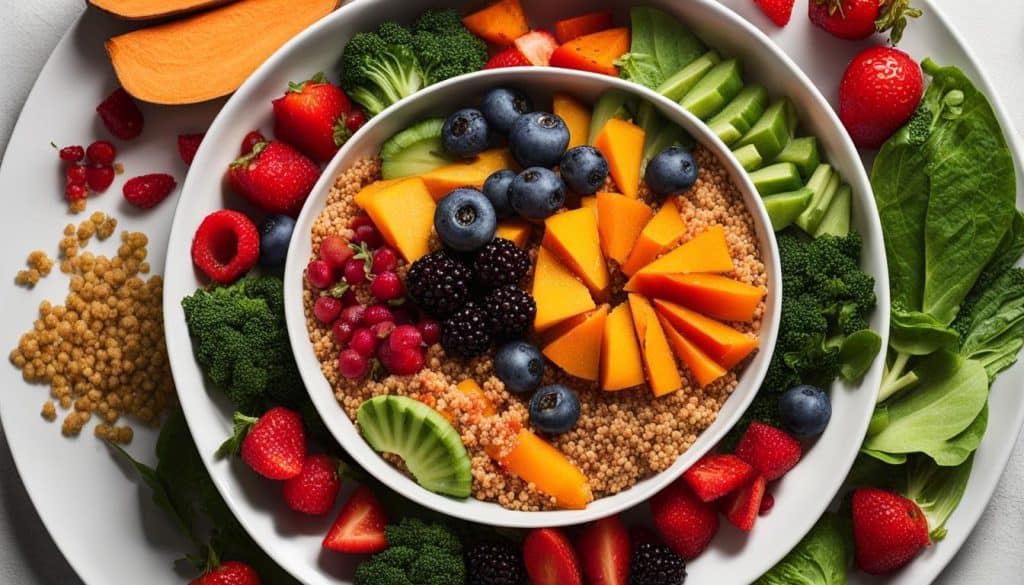
Clean Eating Snacks: Fuel Your Body with Healthy Options
When embarking on a clean eating journey, it’s essential to choose snacks that are both nourishing and satisfying. By opting for clean eating snacks, you can fuel your body with the nutrients it needs while avoiding processed and unhealthy options. Here are some delicious and wholesome snack ideas to keep you energized throughout the day:
1. Carrot Sticks with Hummus
A classic combination, carrot sticks paired with hummus make for a tasty and nutritious snack. Carrots are rich in vitamin A and fiber, while hummus provides protein and healthy fats. This snack is not only satisfying but also promotes healthy digestion and supports a strong immune system.
2. Apple Slices with Almond Butter
For a sweet and crunchy treat, try apple slices with almond butter. Apples are packed with antioxidants and fiber, while almond butter offers protein and heart-healthy fats. This snack is not only delicious but also provides a balanced mix of nutrients to keep you feeling full and satisfied.
3. Greek Yogurt with Berries
Rich in protein and probiotics, Greek yogurt is a fantastic clean eating snack option. Top it with a handful of berries, such as strawberries, blueberries, or raspberries, for added antioxidants and natural sweetness. This snack is not only refreshing but also boosts gut health and promotes a strong immune system.
4. Mixed Nuts
A handful of mixed nuts, such as almonds, walnuts, and cashews, is a convenient and nutrient-dense snack. Nuts are packed with healthy fats, fiber, and protein, making them a great choice for satisfying hunger and providing sustained energy. Just be mindful of portion sizes, as nuts are calorie-dense.
These clean eating snack options are just a starting point, and the possibilities are endless. Remember to choose whole, unprocessed foods and listen to your body’s hunger and fullness cues. By incorporating clean eating snacks into your daily routine, you can nourish your body, support your overall health, and stay on track with your clean eating goals.
Clean Eating for Weight Loss
If your goal is weight loss, clean eating can be an effective strategy to help you shed those extra pounds. By focusing on whole foods and avoiding processed options, you can reduce your calorie intake while still providing your body with the nutrients it needs. Incorporating clean eating habits into your daily routine can lead to healthy weight loss and long-term success.
When it comes to clean eating for weight loss, it’s important to prioritize nutrient-dense foods that are low in calories but high in vitamins, minerals, and fiber. Fill your plate with plenty of fruits and vegetables, which are not only low in calories but also packed with antioxidants and essential nutrients. Choose lean proteins like chicken, turkey, fish, tofu, or legumes to support muscle growth and repair.
In addition to focusing on whole foods, portion control is key when it comes to clean eating for weight loss. Pay attention to your hunger and fullness cues, and avoid overeating. Listening to your body and eating mindfully can help you maintain a healthy balance and prevent unnecessary weight gain.
| Meal | Food |
|---|---|
| Breakfast | Quinoa Breakfast Bowl with Fresh Berries and Almond Butter |
| Lunch | Spinach Salad with Grilled Chicken, Cherry Tomatoes, and Avocado
Dressing: Olive Oil and Balsamic Vinegar |
| Snack | Carrot Sticks with Hummus |
| Dinner | Baked Salmon with Lemon and Dill
Roasted Brussels Sprouts and Quinoa |
| Snack | Greek Yogurt with Mixed Berries |
Combine clean eating with regular physical activity to maximize your weight loss efforts. Engage in activities you enjoy, such as walking, cycling, swimming, or attending fitness classes. Aim for at least 150 minutes of moderate-intensity exercise per week to support your weight loss goals.
Remember, clean eating is not a quick fix or a restrictive diet. It’s a sustainable lifestyle that promotes overall health and well-being. By embracing clean eating habits and making conscious food choices, you can achieve and maintain a healthy weight while nourishing your body with wholesome, nutritious foods.

Clean Eating Tips for Beginners
Embarking on a clean eating journey can feel overwhelming at first, but with these tips, you’ll be well on your way to embracing a healthier lifestyle. As a beginner, it’s important to start small and gradually incorporate clean eating habits into your daily routine. Here are some practical tips to help you get started:
1. Start with One Clean Eating Habit
Instead of trying to overhaul your entire diet overnight, focus on incorporating one clean eating habit at a time. For example, you could start by adding more fruits and vegetables to your meals. Over time, you can gradually eliminate processed foods and make healthier choices.
2. Plan and Prepare Your Meals
Planning your meals and snacks in advance is key to avoiding unhealthy options. Take some time each week to create a meal plan, make a grocery list, and prep your ingredients. Having healthy, ready-to-eat meals and snacks on hand will make it easier to stick to your clean eating goals.
3. Read Food Labels
When grocery shopping, take the time to read food labels and choose products with simple, recognizable ingredients. Avoid foods that contain added sugars, artificial additives, and preservatives. Opt for whole foods that are minimally processed and free from unnecessary chemicals.
4. Cook at Home
One of the best ways to ensure you’re eating clean is to cook your own meals. By preparing your own food, you have better control over the ingredients used. Experiment with new recipes and flavors to keep your meals interesting and enjoyable.
5. Stay Hydrated
Drinking enough water is an essential part of a clean eating lifestyle. Aim to drink at least eight glasses of water per day, or more if you’re physically active. Staying hydrated helps flush out toxins, supports digestion, and keeps your body functioning optimally.
6. Listen to Your Body
Tune in to your body’s hunger and fullness cues. Eat when you’re hungry and stop when you’re satisfied. Avoid mindless eating and take the time to savor and enjoy each meal. By practicing mindful eating, you’ll develop a healthier relationship with food.
Remember, clean eating is a personal journey, and it’s important to find what works best for you. Don’t be too strict with yourself and allow for some indulgences in moderation. Seek support from friends or family members who are also interested in clean eating, and celebrate your progress along the way.
Clean Eating Lifestyle
A clean eating lifestyle goes beyond just following a diet—it’s a holistic approach to healthy living. By making conscious choices to nourish your body with whole, nutritious foods, you can improve your overall well-being.
Embracing a clean eating lifestyle means being mindful of what you eat, how your food is prepared, and where it comes from. It involves choosing whole foods that are minimally processed, free from additives and preservatives.
When you adopt a clean eating lifestyle, you prioritize your physical health, mental well-being, and long-term quality of life. You’ll experience increased energy levels, improved digestion, better sleep, and a strengthened immune system. By giving your body the nutrients it needs, you’ll feel vibrant and energized every day.
As you embark on your clean eating journey, remember to approach it with self-compassion and allow for flexibility. It’s not about perfection, but rather about making sustainable choices that work for you. Take pleasure in experimenting with new recipes, flavors, and ingredients. Enjoy the process of nourishing your body and savoring each meal. With time, clean eating will become a natural and rewarding part of your lifestyle.
Conclusion
In conclusion, I believe that adopting a clean eating diet and embracing a healthy lifestyle is the key to achieving overall well-being. By prioritizing whole, unprocessed foods and avoiding added sugars, sodium, and unhealthy fats, we can nourish our bodies and experience a vibrant and energetic state of being.
Clean eating is not just a temporary diet, but a long-term commitment to our health. It’s about making conscious choices to fuel our bodies with nutritious foods and being mindful of our eating habits. By incorporating the clean eating diet food list into our daily lives, we can improve our physical health, boost our mental well-being, and enhance our quality of life.
Remember, clean eating is a journey, and it’s important to listen to our bodies and enjoy the process. It’s not about being perfect or restrictive, but rather about finding balance and making sustainable choices. Let’s make clean eating a part of our lives and embrace the benefits it brings – a healthier body, a clearer mind, and a happier, more vibrant version of ourselves.
FAQ
What is clean eating?
Clean eating involves choosing whole foods that are minimally processed and high in nutrients. It’s about focusing on fruits, vegetables, lean proteins, whole grains, and healthy fats while limiting added sugars and sodium.
Why is clean eating important?
Clean eating provides essential nutrients for proper body function, helps maintain a healthy weight, reduces the risk of chronic diseases, improves digestion, boosts energy levels, and enhances overall well-being.
What does a clean eating diet consist of?
A clean eating diet includes plenty of fresh fruits and vegetables, lean proteins like chicken and fish, whole grains such as quinoa and brown rice, and healthy fats like avocado and olive oil. Processed foods high in added sugars, sodium, and unhealthy fats should be avoided.
What should be on a clean eating grocery list?
A clean eating grocery list should include a variety of fresh fruits and vegetables, lean proteins like chicken and fish, whole grains such as quinoa and oats, and healthy fats like nuts and seeds. It’s important to choose foods with minimal additives, preservatives, and added sugars.
What are some clean eating meal ideas?
Clean eating meal ideas can include dishes like grilled chicken with roasted vegetables, quinoa salad with mixed greens and avocado, and baked salmon with steamed broccoli. Experiment with flavors and textures to make your meals enjoyable and satisfying.
What are some clean eating snack options?
Clean eating snacks can include carrot sticks with hummus, apple slices with almond butter, Greek yogurt with berries, and mixed nuts. Choose whole foods that provide vitamins, minerals, and fiber instead of processed snacks with empty calories.
Can clean eating help with weight loss?
Yes, clean eating can be an effective strategy for weight loss. By focusing on whole foods and portion control, you can reduce your calorie intake while still providing your body with essential nutrients. Combined with regular physical activity, clean eating can help you achieve and maintain a healthy weight.
How can I start clean eating?
To start clean eating, incorporate one clean eating habit at a time, plan your meals and snacks in advance, read food labels, cook at home, stay hydrated, listen to your body’s hunger and fullness cues, allow for some indulgences in moderation, and seek support from like-minded individuals.
What is a clean eating lifestyle?
A clean eating lifestyle is a holistic approach to nutrition that involves making conscious choices to nourish your body with whole, nutritious foods. It requires being mindful of what you eat, how it’s prepared, and where it comes from. Adopting a clean eating lifestyle can positively impact your physical health, mental well-being, and overall quality of life.