
Discover Nutrient Dense Foods to Grow in Your Garden
Growing your own nutrient dense foods in your garden is not only a rewarding experience but also a great way to boost your health. By choosing the right crops and cultivating them properly, you can ensure that you are consuming foods that are packed with essential nutrients. In this article, I will explore a selection of nutrient dense foods that you can easily grow in your garden, providing you with fresh and flavorful produce that is rich in vitamins, minerals, and other beneficial micro nutrients.
Key Takeaways – Nutrient Dense Foods to Grow in Your Garden
- Growing nutrient dense foods in your garden promotes healthy eating and sustainable living.
- Choose organic farming methods to ensure the highest nutritional value of your crops.
- A plant-based diet with nutrient dense foods can enhance your overall well-being.
- Follow gardening tips for successful cultivation and bountiful harvests.
- Growing your own food contributes to food security and reduces dependency on external sources.
The Most Nutritious Crops: Watercress
When it comes to nutrient density, watercress reigns supreme as the powerhouse of health-promoting crops. Packed with essential vitamins and minerals, it is an excellent addition to any garden. Watercress not only provides a refreshing, peppery taste but also an abundance of nutrients that can support your overall well-being.
Vitamin C, vitamin A, and vitamin K are just a few of the vitamins that watercress delivers. These nutrients play a vital role in immune function, vision health, and bone strength. Additionally, watercress is a rich source of calcium, potassium, and other essential minerals that are necessary for maintaining a healthy body.
Watercress is the perfect choice for gardeners looking to maximize the nutritional value of their crops. Its nutrient density makes it a standout among other vegetables, offering a wide array of health benefits.
Growing watercress in your garden is relatively simple. It requires a water feature or a homemade bog to keep its roots wet. Alternatively, watercress can be grown as microgreens on a windowsill. Whichever method you choose, you can enjoy the satisfaction of harvesting fresh, nutrient-packed watercress right from your own garden.
Table: Nutritional Content of Watercress
| Nutrient | Amount per 100g |
|---|---|
| Vitamin C | 69 mg |
| Vitamin A | 2,020 IU |
| Vitamin K | 250 mcg |
| Calcium | 120 mg |
| Potassium | 330 mg |
These values represent approximate nutritional content and may vary depending on growing conditions and plant maturity.
Bok Choy: A Nutrient Powerhouse
Growing bok choy in your garden is a fantastic way to elevate the nutrient density of your meals. This leafy green vegetable, also known as Chinese cabbage, is packed with essential vitamins and minerals that nourish the body. Bok choy is an excellent source of vitamin A, vitamin C, and vitamin K, which are all crucial for maintaining good health. It also provides folate, calcium, potassium, and iron, which support various bodily functions.
When it comes to gardening tips for growing bok choy, it’s important to choose a suitable location with well-draining soil and partial shade. Bok choy prefers cooler temperatures and can be grown in early spring or fall. Ensure that the soil is consistently moist, but avoid overwatering to prevent root rot. Harvesting bok choy is simple – just cut the leaves from the outer portion of the plant when they reach around 6-8 inches in length, leaving the inner leaves to continue growing.
Incorporating bok choy into your meals is effortless and versatile. The mild, slightly sweet flavor pairs well with stir-fries, soups, salads, and more. You can sauté bok choy with garlic and sesame oil for a quick and nutritious side dish or add it to your favorite Asian-inspired recipes. Its crunchy texture and vibrant green color will add a delightful touch to your culinary creations.
The Nutrient Profile of Bok Choy
| Nutrient | Amount per 100g |
|---|---|
| Vitamin A | 4468 IU |
| Vitamin C | 45 mg |
| Vitamin K | 31.5 mcg |
| Calcium | 105 mg |
| Potassium | 252 mg |
| Iron | 0.8 mg |
By adding bok choy to your garden and incorporating it into your meals, you can reap the nutritional benefits of this leafy green. Its nutrient density and culinary versatility make it a valuable addition to any garden and a delightful ingredient in a variety of dishes.
Swiss Chard: A Colorful and Nutritious Leafy Vegetable
Swiss chard is a vibrant and nutrient-dense leafy vegetable that is a fantastic addition to any garden. Its large, glossy leaves come in a variety of colors, including green, red, yellow, and even rainbow, making it not only nutritious but visually appealing as well. Packed with essential vitamins and minerals, Swiss chard is a powerhouse of nutrition for your body.
One of the key features of Swiss chard is its high nutrient density. It is an excellent source of vitamins A, K, and C, which are important for maintaining healthy skin, strong bones, and a strong immune system. It is also rich in minerals such as magnesium, potassium, and iron, which contribute to overall health and well-being. Incorporating Swiss chard into your diet is an easy way to boost your nutrient intake and support your overall health.
Growing Swiss chard in your garden is relatively easy and straightforward. It thrives in cool weather and can be planted in early spring or late summer for a continuous harvest. Swiss chard prefers well-drained soil and requires regular watering to keep the soil moist. It can be grown from seeds or transplants, and the leaves can be harvested throughout the growing season. To add a splash of color and nutrition to your garden, consider planting Swiss chard.
The Health Benefits of Swiss Chard:
- Rich in vitamins A, K, and C for healthy skin and a strong immune system
- High in minerals such as magnesium, potassium, and iron
- Contains fiber, which aids in digestion and promotes a healthy gut
- Provides antioxidants that help protect against oxidative stress and inflammation
- Supports heart health and helps regulate blood pressure
Swiss chard is a versatile leafy vegetable that can be enjoyed in a variety of ways. It can be sautéed, steamed, or added to soups, stews, and salads. The leaves have a slightly earthy and bitter taste that pairs well with other flavors. Whether you’re a seasoned gardener or just starting out, Swiss chard is a nutritious and rewarding crop to grow in your garden.
The Nutritious Benefits of Beet Greens
When it comes to nutrient density, don’t overlook the often forgotten tops of beets – beet greens. While waiting for your beetroot to grow, you can enjoy the many nutritional benefits of these vibrant and flavorful greens. Beet greens are not only low in calories but also rich in essential vitamins, minerals, and other beneficial nutrients.
Beet greens are a great source of vitamin A, vitamin K, and vitamin C, which are important for healthy vision, bone health, and immune function. They also contain folate, potassium, fiber, iron, calcium, and other beneficial vitamins and minerals. These nutrients play a crucial role in supporting overall health and well-being.
Harvesting beet greens is easy. When the leaves reach around 4 inches tall, you can snip them from the plant, leaving some behind to allow the beetroot to continue growing. The mildly sweet flavor of beet greens makes them a versatile addition to salads, sautés, and smoothies. Incorporating beet greens into your meals is a delicious way to boost your nutrient intake and add variety to your diet.
Gardening Tips for Growing Beet Greens
If you’re interested in growing your own beet greens, follow these simple gardening tips for success:
- Plant beet seeds about 1/2 inch deep and 1-2 inches apart in well-drained soil.
- Water regularly to keep the soil moist, but avoid overwatering to prevent rotting.
- Thin out the seedlings once they reach a few inches in height, leaving about 4-6 inches of space between each plant.
- Harvest the leaves when they are young and tender for the best flavor and texture.
By following these tips, you can enjoy a bountiful harvest of nutrient-rich beet greens from your own garden.
Table: Nutritional Content of Beet Greens
| Nutrient | Amount per 1 cup (chopped) |
|---|---|
| Vitamin A | 4,681 IU |
| Vitamin K | 144 mcg |
| Vitamin C | 30 mg |
| Folate | 109 mcg |
| Potassium | 655 mg |
| Fiber | 4g |
Did you know? The nutrient content of beet greens is even higher than that of the beetroot itself. Don’t let these nutritious greens go to waste!
Spinach: A Family Favorite and Nutrient Powerhouse
When it comes to nutrient density, spinach is a superstar. Packed with essential vitamins, minerals, and antioxidants, it is no wonder why spinach is a family favorite. This leafy green is rich in vitamins A, K, and C, as well as folate, potassium, iron, fiber, and protein. Whether enjoyed raw in salads or cooked in a variety of dishes, spinach is a versatile and nutritious addition to any meal.
One of the great benefits of growing your own spinach is that it can be harvested within a month of sowing the seeds. This means you can enjoy fresh, homegrown spinach throughout the year by sowing seeds in early spring and again in late summer. Spinach is a fast-growing crop that thrives in cooler conditions, making it a great choice for early spring and fall gardens.
To get the most out of your spinach crop, make sure to provide it with well-drained soil and ample sunlight. Regular watering is essential to ensure the leaves stay crisp and tender. To harvest spinach, simply pick the outer leaves as they mature, leaving the central leaves to continue growing. This way, you can enjoy a continuous harvest of fresh spinach leaves for salads, stir-fries, smoothies, and more.
Tips for Growing Spinach
- Choose a sunny location for planting spinach.
- Prepare the soil by adding organic matter such as compost or well-rotted manure.
- Sow spinach seeds directly into the soil, spacing them about 2 inches apart.
- Keep the soil consistently moist but not waterlogged.
- Thin out the seedlings when they reach about 2 inches in height, leaving the strongest plants to grow.
- Harvest spinach leaves as needed, picking the outer leaves first and allowing the inner leaves to continue growing.
- Protect young seedlings from pests such as slugs and snails by using natural deterrents or barriers.
With its abundance of nutrients and easy cultivation, spinach is a must-have in any garden. Whether you are a beginner or an experienced gardener, growing spinach is a rewarding and nutritious endeavor that will provide you with fresh, flavorful greens year-round.
Nutrient-Dense Leaf Chicory: A Healthy Addition to Your Garden
When it comes to growing nutrient-dense foods in your garden, leaf chicory is a fantastic choice. This wild green not only adds a touch of natural beauty to your garden but also provides an abundance of vitamins, minerals, and other beneficial nutrients. Leaf chicory is a rich source of vitamins A, K, and C, which are essential for maintaining a healthy immune system and promoting overall well-being.
Growing leaf chicory is relatively easy, making it a great option for both experienced gardeners and beginners. It thrives in cooler climates and can withstand light frosts, making it a perfect addition to your fall and winter garden. You can sow the seeds directly into the soil or start them indoors for earlier harvests. Leaf chicory prefers well-drained soil and requires regular watering to keep it healthy and vibrant.
When it comes time to harvest, simply cut the tender young leaves, leaving the center intact to allow for continuous growth. This ensures a steady supply of fresh, nutrient-rich greens throughout the growing season. Leaf chicory can be enjoyed in a variety of dishes, from salads and stir-fries to soups and smoothies. Its mildly bitter taste adds a unique flavor to any meal, making it a versatile and nutritious addition to your plate.
“Leaf chicory is a powerhouse of nutrients that can enhance the nutritional value of any meal. Its vibrant leaves are not only visually appealing but also packed with vitamins and minerals. Incorporating leaf chicory into your garden and daily diet is a simple and effective way to support your health and well-being.”
Table: Nutritional Content of Leaf Chicory
| Nutrient | Amount per 100g |
|---|---|
| Vitamin A | 6400 IU |
| Vitamin K | 630 mcg |
| Vitamin C | 10 mg |
| Folate | 20 mcg |
| Calcium | 76 mg |
| Potassium | 420 mg |
With its exceptional nutrient density and easy cultivation, leaf chicory is a valuable addition to any garden. By growing this nutrient-rich green, you can enjoy the benefits of fresh, homegrown produce while supporting your overall health and well-being.
Leaf Lettuce: Easy to Grow and Nutrient Rich
Leaf lettuce is a popular crop among gardeners due to its ease of growing and nutrient density. Green leaf lettuce varieties are particularly nutritious, containing high amounts of vitamins A, K, and C, as well as folate, potassium, iron, and other essential nutrients. Leaf lettuce grows in loose clumps and can be harvested as a cut-and-come-again crop, allowing you to enjoy fresh salad greens throughout the season.
One of the advantages of growing leaf lettuce is its versatility. It can be grown in containers, raised beds, or directly in the ground, making it suitable for gardens of all sizes. It thrives in cool weather and can tolerate light frosts, making it an excellent choice for early spring and fall gardens.
Growing leaf lettuce is relatively straightforward, even for beginner gardeners. It requires well-draining soil and regular watering to keep the leaves crisp and tender. Leaf lettuce can be sown directly in the garden or started indoors and transplanted once the seedlings have a few true leaves. It is important to thin the seedlings to ensure proper spacing and airflow, which helps prevent disease.

Table: Comparison of Nutrient Content in Different Varieties of Leaf Lettuce
| Variety | Vitamin A | Vitamin K | Vitamin C | Folate | Potassium | Iron |
|---|---|---|---|---|---|---|
| Green Leaf Lettuce | 1200 IU | 150 mcg | 15 mg | 30 mcg | 300 mg | 1.2 mg |
| Red Leaf Lettuce | 900 IU | 100 mcg | 10 mg | 20 mcg | 250 mg | 0.9 mg |
| Butterhead Lettuce | 600 IU | 80 mcg | 8 mg | 15 mcg | 200 mg | 0.7 mg |
As shown in the table above, different varieties of leaf lettuce may have slightly different nutrient contents, but all are rich in vitamins and minerals. Including a variety of leaf lettuce in your garden can add color and flavor to your salads while providing you with a range of essential nutrients.
Leaf lettuce is a fantastic addition to any garden, offering not only nutritional benefits but also a fresh and crisp texture that elevates any salad. Whether you have a small plot, raised beds, or containers, leaf lettuce is an easy-to-grow and rewarding crop that can be enjoyed throughout the growing season.
Parsley: More Than Just a Garnish
When it comes to parsley, many people think of it as a mere garnish, a decorative touch added to dishes for aesthetic purposes. However, parsley is much more than that. It is a highly nutritious herb that can provide numerous health benefits. So, let’s take a closer look at the nutrient density, vitamins, minerals, and some gardening tips for growing parsley.
Parsley is packed with essential nutrients, including vitamins A, C, and K. It is also a good source of folate, iron, potassium, and other beneficial minerals. These nutrients play a vital role in maintaining a healthy immune system, supporting bone health, and promoting overall well-being.
Growing parsley in your garden is relatively easy and requires minimal effort. It is recommended to sow parsley seeds directly into the soil, as it has a long taproot that can make transplanting challenging. It prefers well-drained soil and moderate sunlight. Regular watering will ensure healthy and flavorful leaves.
With its versatile flavor and nutritional value, parsley can be used in a variety of dishes. From salads and soups to sauces and marinades, parsley adds a fresh and vibrant touch to any recipe. So, next time you see parsley, remember that it is more than just a garnish – it is a nutrient-rich herb that can enhance both the taste and health benefits of your meals.
| Nutrient | Amount per 100g |
|---|---|
| Vitamin A | 8424 IU |
| Vitamin C | 133 mg |
| Vitamin K | 1640 mcg |
| Folate | 152 mcg |
| Iron | 6.2 mg |
| Potassium | 554 mg |
“`
The Health Benefits of Parsley
- Promotes bone health: Parsley is rich in vitamin K, which is essential for maintaining strong and healthy bones.
- Boosts immune system: The high vitamin C content in parsley helps strengthen the immune system, protecting the body against infections and diseases.
- Supports heart health: Parsley contains folate, which plays a crucial role in cardiovascular health by reducing the risk of heart disease and stroke.
- Provides antioxidant protection: The antioxidants in parsley help neutralize harmful free radicals, reducing inflammation and preventing oxidative damage.
“Parsley is not just a garnish; it’s a powerhouse of nutrients that can enhance both the taste and health benefits of your meals.”
Romaine Lettuce: Crispy and Nutritious
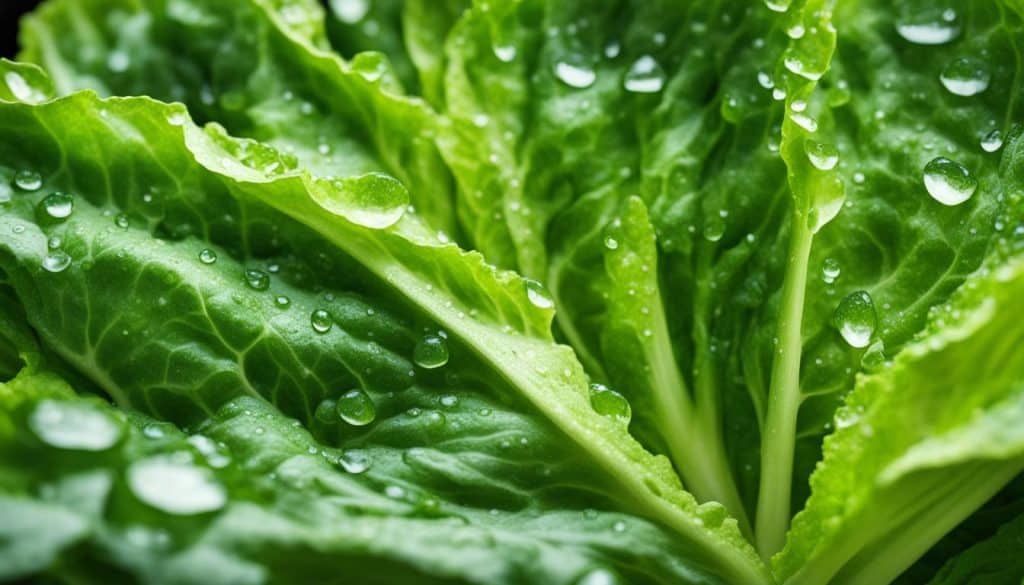
Romaine lettuce is a popular choice for salad lovers due to its crispy texture and high nutritional value. It is packed with essential vitamins, minerals, and other beneficial nutrients that can support your overall health and well-being. When you grow romaine lettuce in your garden, you not only have access to fresh and flavorful greens but also have the satisfaction of knowing exactly where your food comes from.
This nutrient-dense lettuce variety is a great source of vitamins A, K, and C, which are important for maintaining healthy skin, strong bones, and a strong immune system. Romaine lettuce is also rich in folate, fiber, potassium, and thiamin, further enhancing its nutritional profile. These nutrients play a vital role in supporting various bodily functions, including digestion, heart health, and energy production.
Growing romaine lettuce is relatively easy, making it a suitable choice for both novice and experienced gardeners. It thrives in the cooler conditions of spring and fall, requiring moderate sunlight and well-drained soil. Regular watering is essential to prevent the leaves from wilting. By following simple gardening tips, such as spacing the seedlings properly and providing adequate nutrients, you can cultivate a bountiful harvest of crispy and nutritious romaine lettuce.
Romaine lettuce is a versatile vegetable that can be enjoyed in a variety of dishes. Its sturdy leaves make it an excellent choice for salads, sandwiches, wraps, and even grilling. Incorporating romaine lettuce into your meals not only adds a satisfying crunch but also boosts the nutritional content of your dishes. So why not start growing romaine lettuce in your garden, and savor the goodness of this crispy and nutritious green?
Key Nutritional Information
| Nutrient | Amount per 100g |
|---|---|
| Vitamin A | 4878 IU |
| Vitamin K | 48.2 mcg |
| Vitamin C | 4.9 mg |
| Folate | 136 mcg |
| Potassium | 247 mg |
| Thiamin | 0.05 mg |
Source: USDA
Collard Greens: Nutritious and Easy to Grow
Growing collard greens in your garden is a fantastic way to add a nutritious and versatile leafy vegetable to your meals. Collard greens are packed with essential vitamins, minerals, and other nutrients, making them a valuable addition to a healthy diet. They are an excellent source of vitamin A, vitamin K, and vitamin C, which are all important for immune function, bone health, and overall well-being. Collard greens also provide folate, fiber, calcium, and protein, making them a well-rounded and nutrient-dense choice.
One of the best things about collard greens is that they are incredibly easy to grow, even for beginners. They are a hearty crop that can tolerate a range of growing conditions and can be planted in both spring and fall. Collard greens thrive in full sun but can also tolerate partial shade. They prefer well-drained soil that is rich in organic matter, so adding compost or other organic amendments to your garden beds can help promote their growth.
When planting collard greens, sow the seeds directly into the garden or start them indoors a few weeks before the last frost date. Space the plants about 18-24 inches apart to give them room to grow. Keep the soil moist but not waterlogged, and mulch around the plants to help retain moisture and suppress weed growth. With regular watering and proper care, your collard greens will thrive and provide you with an abundant harvest of nutritious greens that can be enjoyed in a variety of recipes.
Nutritional Profile of Collard Greens
Collard greens are not only delicious and easy to grow, but they also offer an impressive nutritional profile. Here’s a breakdown of the key vitamins and minerals found in collard greens:
| Nutrient | Amount per 1 cup (190g) of cooked collard greens |
|---|---|
| Vitamin A | 308% of the Daily Value (DV) |
| Vitamin K | 858% of the DV |
| Vitamin C | 58% of the DV |
| Folate | 27% of the DV |
| Calcium | 27% of the DV |
| Protein | 5 grams |
| Fiber | 7 grams |
As you can see, collard greens are a nutritional powerhouse, providing a wide range of vitamins and minerals that are essential for optimal health. Including collard greens in your garden and your meals is a smart and delicious way to boost your nutrient intake and support your well-being.
Conclusion
Growing your own nutrient dense foods in your garden has numerous benefits for your health and well-being. By cultivating crops that are high in vitamins, minerals, and other essential nutrients, you can enjoy the fresh produce that promotes a healthy lifestyle.
With a variety of options available, such as watercress, bok choy, Swiss chard, beet greens, spinach, leaf chicory, leaf lettuce, parsley, romaine lettuce, and collard greens, you can easily incorporate nutrient-dense foods into your diet.
Not only does gardening provide you with the satisfaction of growing your own food, but it also ensures that you have access to fresh and flavorful produce throughout the season. By taking control of what you grow, you can ensure that your fruits and vegetables are free from harmful chemicals and pesticides.
So why wait? Start planning your garden today and experience the joy of harvesting and enjoying your homegrown, nutrient-rich foods. Embrace the benefits of gardening and nourish yourself with the goodness of nature.
FAQ
What are nutrient dense foods?
Nutrient dense foods are foods that contain a high amount of vitamins, minerals, and other essential nutrients in relation to their calorie content.
Why is growing your own food beneficial?
Growing your own food allows you to have control over the quality and freshness of the produce, and it can also be a rewarding and enjoyable experience.
How can I ensure that my crops are nutrient dense?
To ensure nutrient dense crops, choose varieties that are known for their high nutritional value, provide the plants with proper care and nutrients, and harvest them at the right time.
Are these crops easy to grow?
Yes, most of these crops are relatively easy to grow, and they can be cultivated in a garden or even in containers.
Can I grow these crops in different climates?
Yes, each of these crops has its own growing preferences, but with proper care and attention, they can be grown in various climates.
Can I grow these crops in small spaces?
Yes, many of these crops can be grown in small spaces such as raised beds, containers, or even on a windowsill.
How long does it take for these crops to grow?
The time it takes for these crops to grow varies, but in general, they can be harvested within a few weeks to a few months, depending on the specific crop.
Can I grow these crops organically?
Yes, all of these crops can be grown using organic methods, avoiding the use of synthetic pesticides and fertilizers.