
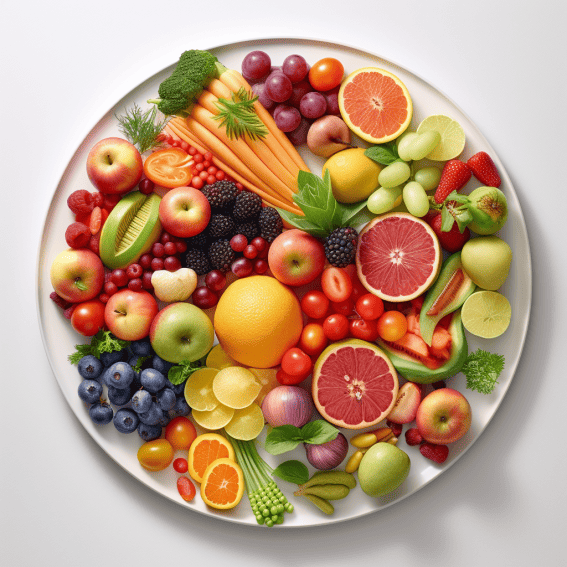
Hey there, nutrition lovers! I’m here to help you figure out what to do to eat healthy.
Have you ever felt like you’re drowning in a sea of conflicting nutrition information? Or maybe you’re just lost and don’t know where to start. Trust me, I’ve been there.
As a nutritionist expert, I’ve seen countless people struggle with their diets and nutrition, and it breaks my heart.
That’s why I created this guide for you – to give you some practical tips and tricks to help you eat healthier and feel amazing.
KEY TAKEAWAY
What to do to eat healthy?
Making small changes to your diet, such as incorporating more fiber, fruits and vegetables, and lean proteins, can have big health benefits over time. (1)
How can I base my meals on higher fiber starchy carbohydrates?
Carbohydrates are an important part of our diet, but not all carbs are created equal.
To base your meals on higher fiber starchy carbohydrates, you should look for foods like whole grain bread, brown rice, whole wheat pasta, quinoa, and sweet potatoes.
These foods are high in fiber, which can help you feel fuller for longer and maintain healthy digestion.
One easy way to incorporate more fiber into your meals is to swap out refined grains for whole grain options.
For example, substitute white bread for whole grain bread, or white rice for brown rice.
You can also add more beans and legumes to your diet, such as chickpeas or lentils, which are high in both fiber and protein.
Incorporating more fruits and vegetables into your meals can also help increase your fiber intake.
Try adding a side of roasted vegetables to your dinner or snacking on fresh fruit throughout the day.
If you’re not a fan of the taste of vegetables, consider blending them into smoothies or pureeing them into soups to make them more palatable.
What are some easy ways to eat lots of fruits and vegetables?
Eating plenty of fruits and vegetables is important for maintaining a healthy diet.
However, it can be challenging to incorporate these foods into your meals on a daily basis.
One easy way to eat more fruits and vegetables is to make them a part of every meal.
For breakfast, try adding sliced bananas or berries to your oatmeal or cereal.
For lunch, pack a salad with plenty of leafy greens and colorful vegetables.
For dinner, add a side of roasted or grilled vegetables to your protein.
Another way to get more fruits and vegetables into your diet is to snack on them throughout the day.
Keep a bowl of fresh fruit on your kitchen counter or pack cut-up vegetables for a midday snack.
If you’re struggling to get enough fruits and vegetables in your diet, consider trying new recipes or cooking methods.
Experiment with different spices and seasonings to make vegetables more flavorful, or try making a fruit smoothie for a quick and easy breakfast or snack.
In conclusion, incorporating higher fiber starchy carbohydrates and plenty of fruits and vegetables into your meals is crucial for maintaining a healthy diet.
By making small changes to your diet and trying new recipes and cooking methods, you can easily increase your fiber and nutrient intake.
More on how to eat healthy food.
Why is it important to eat more fish, including a portion of oily fish?
Fish is a great source of lean protein, vitamins, and minerals. (2)
Eating fish can help with brain function, heart health, and overall wellness.
Oily fish, such as salmon and sardines, are particularly beneficial due to their high levels of omega-3 fatty acids.
Omega-3s are essential for brain function, heart health, and reducing inflammation in the body.
Eating a portion of oily fish each week can help to reduce your risk of heart disease and stroke.
How can I cut down on saturated fat and sugar in my diet?
Cutting down on saturated fat and sugar in your diet can be a challenge, but it’s important for overall health and wellness.
One of the best ways to reduce saturated fat is to choose lean protein sources, such as chicken, turkey, and fish.
Incorporating more plant-based proteins, such as beans and lentils, can also help to reduce saturated fat intake.
When it comes to sugar, it’s important to read food labels and look for hidden sources of sugar, such as in sauces and dressings.
Choosing fresh fruits and vegetables instead of sugary snacks can also help to reduce sugar intake.
What are some tips for eating less salt?
Eating too much salt can lead to high blood pressure and other health problems.
One of the best ways to reduce salt intake is to cook with fresh herbs and spices instead of salt.
Using citrus juices, vinegar, or hot sauce can also add flavor without adding salt.
When eating out, ask for sauces and dressings on the side so that you can control the amount of salt you consume.
Be mindful of processed foods, as they often contain high levels of salt.
Choosing fresh, whole foods can help to reduce salt intake and improve overall health.
What kind of exercise can help me maintain a healthy weight?
Exercise is an important part of maintaining a healthy weight.
It helps us burn calories and build strength.
But not all exercises are created equal when it comes to weight maintenance.
The best type of exercise for weight management is a mix of cardio and strength training.
Cardio exercises like running, cycling, and swimming help burn calories while strength training helps build lean muscle mass, which in turn helps boost our metabolism and burn more calories.
One tip to make exercise more enjoyable is to find an activity that you love.
Whether it’s dancing, hiking, or playing a sport, doing something you enjoy will make it easier to stick to a regular exercise routine.
You can also try breaking up your exercise routine throughout the day, such as taking a brisk walk during your lunch break or doing a quick workout at home before bed.
Remember, even small amounts of exercise can make a big difference in maintaining a healthy weight.
More on what does eat healthy mean.
How can I stay hydrated throughout the day?
Staying hydrated is important for our overall health and wellbeing.
Water helps regulate our body temperature, transport nutrients, and flush out toxins.
But sometimes it can be difficult to remember to drink enough water throughout the day.
One tip is to carry a refillable water bottle with you wherever you go.
Sipping water throughout the day can help you stay hydrated without feeling like a chore.
You can also try incorporating more water-rich foods into your diet, such as fruits and vegetables.
Not only do they provide hydration, but they also offer a variety of nutrients.
Another way to stay hydrated is to limit your intake of caffeine and sugary drinks, as they can actually dehydrate the body.
Why is it important to eat breakfast every day?
Breakfast is often referred to as the most important meal of the day, and for good reason.
Eating breakfast helps jumpstart our metabolism and provides us with the energy we need to start our day.
Skipping breakfast can lead to overeating later in the day and can negatively impact our overall health.
Aim to eat a breakfast that includes protein, healthy fats, and complex carbohydrates.
This will help keep you feeling full and satisfied throughout the morning.
Some easy breakfast options include a Greek yogurt parfait with fruit and nuts, avocado toast with a hard-boiled egg, or a smoothie with spinach, banana, and almond milk.
Remember, breakfast doesn’t have to be complicated or time-consuming.
Even a simple bowl of oatmeal with fruit and nuts can provide the nutrients and energy you need to start your day off right.
Conclusion
There you have it, my friends! These are just a few simple steps you can take to eat healthier and feel better.
Remember, it’s not about being perfect – it’s about making small, sustainable changes that add up over time.
Whether it’s swapping out processed snacks for fresh fruit, or trying a new vegetable every week, every little bit counts.
So, take it one step at a time, and don’t be too hard on yourself.
Eating healthy is a journey, not a destination.
With a little bit of effort and consistency, you can create a healthier, happier you.
More on what to eat on a healthy diet.
Frequently Asked Questions
How many servings of fruits and vegetables should I aim to eat per day?
Eating a balanced diet is essential for overall health.
One of the most important components of a healthy diet is eating enough fruits and vegetables.
As a nutritionist expert, I recommend that you aim to eat at least 5 servings of fruits and vegetables per day.
This may sound like a lot, but it can be easy to achieve if you incorporate fruits and vegetables into every meal and snack.
A serving size is typically about the size of a fist or a small apple.
Adding fruits and vegetables to your diet can provide your body with essential vitamins, minerals, and fiber.
They also contain antioxidants that can help protect your body against disease.
Some easy ways to incorporate more fruits and vegetables into your diet include adding them to smoothies, salads, and stir-fries.
You can also snack on raw vegetables with hummus or nut butter for a healthy and satisfying snack.
Can I still eat meat and dairy products while maintaining a healthy diet?
Yes, it is possible to maintain a healthy diet while still eating meat and dairy products.
However, it is important to choose lean meats and low-fat dairy products and consume them in moderation.
Red and processed meats have been linked to an increased risk of cancer and heart disease, so it is best to limit your intake of these foods.
Incorporating plant-based proteins, such as beans, lentils, and tofu, into your diet can be a healthy and delicious way to reduce your intake of meat.
These foods are high in protein and fiber and can help you feel fuller for longer.
You can also try swapping out dairy products for non-dairy alternatives, such as almond milk or soy yogurt.
What are some easy ways to cut back on sodium in my diet?
Most people consume too much sodium, which can lead to high blood pressure and other health problems.
As a nutritionist expert, I recommend that you aim to consume no more than 2,300 milligrams of sodium per day.
This can be challenging, as many processed and packaged foods are high in sodium.
However, there are some easy ways to cut back on sodium in your diet.
One of the best ways to reduce your sodium intake is to cook more meals at home using fresh ingredients.
This way, you can control the amount of sodium that goes into your food.
You can also try using herbs and spices to add flavor to your meals instead of salt.
Other tips include rinsing canned vegetables and beans before using them and choosing low-sodium versions of foods when possible.
In conclusion, maintaining a healthy diet is essential for overall health.
Eating a variety of fruits and vegetables, choosing lean meats and low-fat dairy products, and reducing your sodium intake are all important components of a healthy diet.
By making small changes to your diet, you can improve your health and reduce your risk of chronic diseases.
References
- https://www.nhs.uk/live-well/eat-well/how-to-eat-a-balanced-diet/eight-tips-for-healthy-eating/
- https://doh.wa.gov/community-and-environment/food/fish/health-benefits#:~:text=Fish%20is%20filled%20with%20omega,part%20of%20a%20healthy%20diet.