
Hey there! As a nutritionist expert, I’m often asked about the best ways to ensure you’re drinking clean, healthy water.
One common question I get is what is the best way to treat well water? Well, let me tell you, the answer isn’t always crystal clear.
But, after years of first-hand experience, I’ve learned a thing or two about treating well water and I’m excited to share my insights with you.
I created this content primarily to help people who rely on well water for their daily needs.
So, join me as we dive into the world of well water treatment!
KEY TAKEAWAY
What is the best way to treat well water for safe drinking?
The best way to treat well water depends on the contaminants in the water, the desired level of purification, and the household’s needs. (1)
Testing the water and choosing the right treatment system is essential for ensuring safe and clean drinking water.
How to Treat Well Water to Make It Drinkable?
Are you relying on well water for your drinking needs? Although the well water is usually safe, it can still contain bacteria, viruses, and other harmful substances.
Don’t worry, you can make your well water drinkable by following these simple steps.
First, you need to get your well water tested.
This will help you determine the type and level of contaminants present in the water.
You can do this by contacting your local health department or a private laboratory.
Once you have the results, you can determine the best treatment method for your well water.
One common method for treating well water is through chlorination. (2)
Chlorine is a powerful disinfectant that can kill bacteria and viruses.
You can add chlorine to your well water using a chemical feeder or a chlorine generator.
It’s important to follow the manufacturer’s instructions carefully and use the right amount of chlorine.
Too much chlorine can be harmful to your health.
Another effective method for treating well water is through ultraviolet (UV) disinfection.
UV light can kill bacteria, viruses, and other microorganisms in your well water.
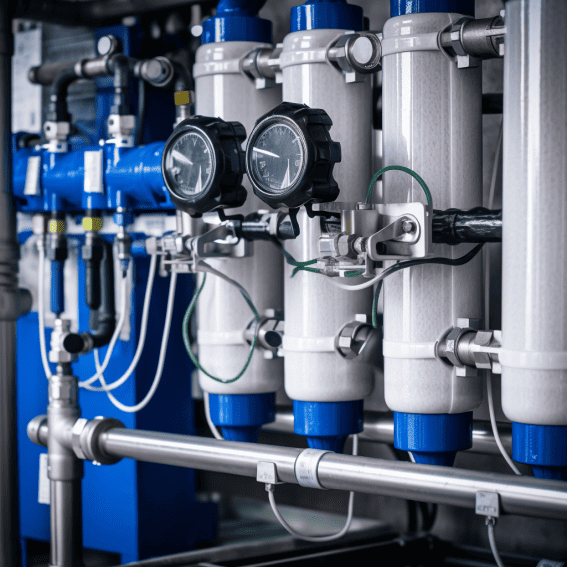
You can install a UV disinfection system in your home to treat your well water.
This system uses a lamp to emit UV light and a filter to remove any particles in the water.
It’s important to replace the lamp and filter regularly to ensure the system is working effectively.
In conclusion, treating your well water to make it drinkable is important for your health and safety.
By getting your well water tested and using the right treatment method, you can ensure that your drinking water is safe and free from harmful contaminants.
Don’t hesitate to contact a professional if you have any questions or concerns.
Stay hydrated, and stay healthy!
Is My Untreated Well Water Safe to Drink?
If you’re like most folks out in the country, you might be getting your water straight outta the ground from a well.
And you might be wondering, is my untreated well water safe to drink? Well, it depends!
You see, untreated well water can contain all sorts of things that might make you sick.
E.
coli, bacteria, viruses, and parasites are just a few of the common culprits that can be lurking in your well water.
And if you’re not careful, you could end up with a nasty case of diarrhea, vomiting, or worse!
The good news is that there are ways to make sure your well water is safe to drink.
You can get your water tested by a professional lab to check for any harmful contaminants.
You can also invest in a filtration system that can remove any unwanted organisms or chemicals.
Or, if you’re feeling fancy, you can even install a UV light system that can zap any potential baddies in your water.
So don’t worry, with a little bit of effort, you can have clean, safe drinking water straight from your well!
What Are the Common Natural Contaminants in Well Water?
Now that we’ve talked about the dangers of untreated well water, let’s talk about what exactly might be lurking in there.
You see, well water can contain all sorts of natural contaminants that might not be great for your health.
One common problem is iron, which can make your water taste metallic and stain your clothes and fixtures.
Another culprit is manganese, which can also cause staining and can make your water smell bad.
Other minerals like calcium, magnesium, and sodium can also be present in well water, which can lead to hard water buildup and other issues.
But it’s not just minerals that you need to worry about.
Bacteria, viruses, and parasites can also be naturally present in well water.
These can come from things like animal waste, sewage, or even just the soil around your well.
And if you’re not careful, you could end up with a nasty infection or illness.
So what can you do about these natural contaminants? Well, as we mentioned earlier, getting your water tested and investing in a filtration system can help.
But you can also take steps to prevent contamination in the first place.
Make sure your well is properly sealed and away from any potential sources of pollution.
And don’t forget to get your well inspected regularly to make sure everything is in good working order!
Tips:
– Get your water tested by a professional lab to check for any harmful contaminants
– Invest in a filtration system that can remove any unwanted organisms or chemicals
– Install a UV light system that can zap any potential baddies in your water
– Make sure your well is properly sealed and away from any potential sources of pollution
– Get your well inspected regularly to make sure everything is in good working order
More on why is it important to eat healthy and exercise.
What Are the Common Unnatural Contaminants in Well Water?
As a nutritionist expert, I want to talk to you today about the water we drink.
Specifically, well water.
Did you know that well water can contain some pretty nasty stuff? That’s right, it’s not all crystal clear and pure.
Some common unnatural contaminants can be found in well water.
These include things like pesticides, fertilizers, and industrial chemicals.
Yuck!
Pesticides are used to kill bugs on crops, but they can seep into the ground and contaminate our water supply.
Fertilizers, too, are used to help crops grow, but they can contain harmful chemicals that can make their way into our wells.
And industrial chemicals? Well, those can come from a variety of sources, such as factories and waste disposal sites.
So, what can we do about it? It’s all about testing our well water and choosing the right treatment system.
But more on that in a minute.
First, let’s talk about how to test your well water.
How to Test Your Well Water and Choose the Right Treatment System?
Testing your well water is super important if you want to make sure it’s safe to drink.
There are a few different tests you can do, depending on what you’re concerned about.
For example, you can test for bacteria, nitrates, and even lead.
You can buy home testing kits at most hardware stores, or you can have your water professionally tested by a lab.
Once you know what’s in your water, you can choose the right treatment system to remove any contaminants.
There are a few different types of treatment systems, including reverse osmosis, carbon filters, and distillation.
Each system has its pros and cons, so it’s important to do your research and choose the one that’s right for you.
Remember, folks, our water is precious and we need to take care of it.
By testing our well water and choosing the right treatment system, we can ensure that we’re drinking clean, safe water.
Stay hydrated, and stay healthy!
More on why am I full but still want to eat.
Conclusion
In conclusion, treating well water can be a bit of a tricky subject, but it’s important to ensure you’re drinking clean, healthy water.
From my personal experience, the best way to treat well water is by using a combination of filtration and disinfection methods.
This will help remove any harmful contaminants and bacteria, while still preserving the natural minerals found in well water.
Remember, taking care of your health starts with what you put into your body, so don’t take your well water for granted.
Cheers to clean, healthy water!
More on what is the best food for a healthy brain.
Frequently Asked Questions
How can I disinfect my well water without using chemicals?
If you’re looking for a natural way to disinfect your well water, you’ve come to the right place.
As a nutritionist expert, I’ve got some tips and tricks for you to try out.
First up, let’s talk about the power of sunlight.
Did you know that leaving your water out in the sun can actually disinfect it? The ultraviolet rays from the sun can kill bacteria and viruses in your water.
Just make sure you leave the water out in a clear, transparent container for at least 6 hours to get the full benefits.
Another natural disinfection method is to use heat.
Boiling your water for at least 5 minutes can kill any harmful pathogens that might be lurking in your well water.
This is especially useful if you’re dealing with parasites like giardia or cryptosporidium.
Plus, boiling water is an age-old method that’s been used for centuries to make water safe to drink.
Finally, you can also try using a water distiller to disinfect your well water.
A distiller works by boiling water and then collecting the steam, which is then condensed back into pure, clean water.
This method removes all impurities from your water, including bacteria and viruses.
Plus, it’s a one-time investment that can last for years.
What should I do if my well water smells bad?
Uh oh, it looks like your well water is giving off a funky odor.
Don’t worry, there are some things you can do to fix it.
First of all, try to identify the type of smell that’s coming from your water.
Does it smell like rotten eggs? That could be a sign of high levels of hydrogen sulfide in your water.
Or does it have a musty or earthy odor? That could be a sign of algae or other organic matter in your well.
Once you’ve identified the type of smell, you can take steps to fix it.
For example, if your water smells like rotten eggs, you might need to shock your well with chlorine to kill the bacteria that’s causing the odor.
Or if your water smells musty, you might need to install a filter to remove any organic matter.
Whatever the cause of the odor, it’s important to address it as soon as possible.
Bad-smelling water can be a sign of harmful contaminants in your well water, so don’t ignore it.
Are there any natural filtration methods for well water that I can use at home?
If you’re looking for a natural way to filter your well water at home, there are a few methods you can try.
First up, you can use activated carbon filters to remove impurities from your water.
These filters work by adsorbing contaminants onto the surface of the carbon, leaving you with clean, fresh-tasting water.
Another natural filtration method is to use reverse osmosis.
This method uses a semi-permeable membrane to remove impurities from your water, leaving you with pure, clean water.
However, it does require some equipment and setup, so it might not be the best option for everyone.
Finally, you can also try using natural materials like sand, gravel, and charcoal to filter your water.
These materials can be layered in a container to create a natural filtration system that removes impurities from your water.
However, this method does require maintenance and upkeep to ensure that the filtration system is working properly.
In conclusion, there are a variety of natural methods you can use to disinfect, deodorize, and filter your well water.
Whether you’re using sunlight, heat, or natural filtration methods, you can be confident that you’re getting pure, clean water straight from your well.
References
- https://www.cdc.gov/healthywater/drinking/private/wells/treatment.html
- http://aesl.ces.uga.edu/publications/watercirc/shockchlorination.pdf