
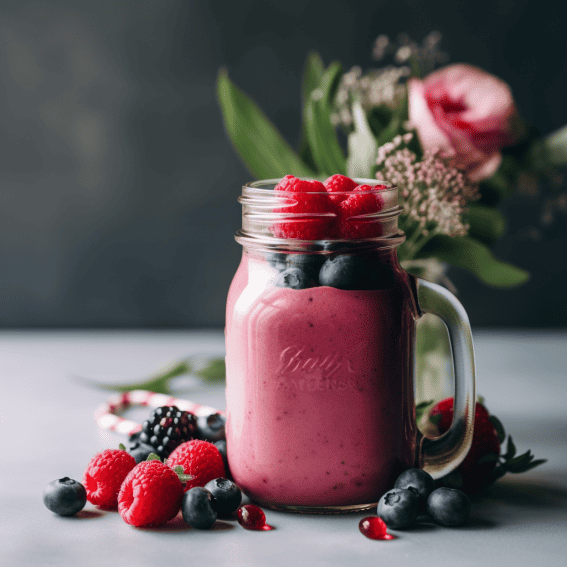
Do you ever wonder why some people seem to have more energy and glow with health? What is their secret? Well, my friend, the answer is simple: they eat healthy.
But what is eat healthy? As a nutritionist expert, I am here to tell you that eating healthy is not just about counting calories or following strict diets.
It’s about fueling your body with the right nutrients that will help you feel and look your best.
I created this content to help you understand what it means to eat healthy and how you can start making small changes to your diet that will have a big impact on your health.
KEY TAKEAWAY
What is eat healthy?
Eating healthy means choosing a variety of nutritious foods and drinks from different food groups and limiting certain nutrients and ingredients, such as added sugars, sodium, and saturated fat.
It can help keep you healthy, manage your weight, and lower your risk for chronic diseases. (1)
How do I choose a healthy mix of foods from different food groups?
Choosing a healthy mix of foods from different food groups can be challenging for many individuals.
It can be especially daunting for those who are new to healthy eating or are trying to make changes to their diet.
As a nutritionist expert, I recommend using the MyPlate method as a starting point.
This method involves dividing your plate into four sections, with each section representing a different food group: fruits, vegetables, grains, and proteins.
To start, make half of your plate fruits and vegetables.
These two food groups are rich in vitamins, minerals, and fiber, which are essential for optimal health.
Aim to include a variety of colors and types of fruits and vegetables in your meals to ensure that you are getting a range of nutrients.
For example, you could have a salad with mixed greens, carrots, tomatoes, and bell peppers, or a stir-fry with broccoli, bok choy, and snow peas.
Next, fill one-quarter of your plate with grains.
Whole grains, such as brown rice, quinoa, and whole wheat pasta, are preferred over refined grains, such as white bread and white rice.
Whole grains are higher in fiber and other nutrients, which can help to lower your risk of chronic diseases such as heart disease, diabetes, and certain types of cancer.
Finally, fill the remaining one-quarter of your plate with protein.
Good sources of protein include lean meats, fish, poultry, beans, and tofu.
Try to choose protein sources that are low in saturated fat and sodium.
For example, you could have grilled chicken breast with a side of roasted sweet potatoes and steamed green beans.
In summary, choosing a healthy mix of foods from different food groups involves using the MyPlate method as a starting point.
Make half of your plate fruits and vegetables, one-quarter grains, and one-quarter protein.
Remember to include a variety of colors and types of foods to ensure that you are getting a range of nutrients.
With a little planning and creativity, you can enjoy a healthy and balanced diet that will support your overall health and well-being.
Can eating healthy help lower my risk for chronic diseases?
Eating healthy is important for many reasons, one of which is to help lower your risk for chronic diseases.
Chronic diseases are conditions that last for a long time and can lead to serious health problems, such as heart disease, diabetes, and cancer. (2)
By eating a healthy diet, you can help reduce your risk of developing these diseases.
A healthy diet should include a variety of fruits, vegetables, whole grains, lean proteins, and healthy fats.
These foods are rich in vitamins, minerals, and other nutrients that are essential for good health.
They can also help you maintain a healthy weight, which is important for reducing your risk of chronic diseases.
To get the most health benefits from your diet, it’s important to make healthy food choices most of the time.
This means choosing foods that are low in saturated and trans fats, salt, and added sugars.
You should also limit your intake of processed and packaged foods, which can be high in calories and unhealthy ingredients.
More on what does eat healthy mean.
What are some examples of calcium-rich foods that I can include in my diet?
Calcium is an important mineral that is essential for strong bones and teeth.
It also plays a role in many other bodily functions, such as muscle function, nerve transmission, and blood clotting.
To make sure you’re getting enough calcium in your diet, it’s important to include calcium-rich foods in your meals.
Some examples of calcium-rich foods include dairy products such as milk, cheese, and yogurt.
Other good sources of calcium include leafy green vegetables like kale and spinach, tofu, almonds, and calcium-fortified foods like cereals and orange juice.
In addition to eating calcium-rich foods, it’s also important to get enough vitamin D.
Vitamin D is needed to help your body absorb calcium, so if you’re not getting enough vitamin D, your body may not be able to use the calcium you’re consuming.
Good sources of vitamin D include fatty fish like salmon and tuna, egg yolks, and fortified foods like milk and cereal.
If you’re having trouble getting enough calcium and vitamin D from your diet, you may want to consider taking a calcium and vitamin D supplement.
Talk to your doctor or a registered dietitian to find out if a supplement is right for you.
How can I limit my intake of added sugars and sodium while still enjoying my favorite foods?
It’s important to limit the amount of added sugars and sodium in our diets to maintain a healthy lifestyle.
But that doesn’t mean you have to sacrifice your favorite foods! Here are some tips to help:
1. Read food labels: Check the nutrition facts label to see how much added sugar and sodium is in the food you’re eating. Choose foods that are low in added sugars and sodium.
2. Cook at home: When you cook at home, you control the amount of added sugars and sodium in your meals. Use herbs and spices to add flavor instead of salt, and try using natural sweeteners like honey or maple syrup instead of sugar.
3. Choose whole foods: Whole foods like fruits, vegetables, whole grains, and lean protein are naturally low in added sugars and sodium. Make these foods the base of your meals and snacks.
Remember, it’s all about balance.
Enjoy your favorite foods in moderation and make sure to balance them out with healthy options.
More on what to eat on healthy diet.
Is there any special reason why we should eat healthy?
Eating healthy is important for many reasons.
Here are just a few:
1. Improved overall health: Eating a balanced diet that is rich in fruits, vegetables, whole grains, lean protein, and healthy fats can help improve overall health. It can help reduce the risk of chronic diseases like heart disease, diabetes, and certain cancers.
2. Increased energy: When we eat healthy foods, our bodies get the nutrients they need to function properly. This can lead to increased energy levels and improved mood.
3. Better weight management: Eating a healthy diet can help with weight management. When we eat nutrient-dense foods, our bodies feel full and satisfied, which can help prevent overeating.
Remember, eating healthy doesn’t have to be boring! There are plenty of delicious and nutritious foods out there to choose from.
Make sure to include a variety of foods in your diet and enjoy everything in moderation.
I hope these tips were helpful! Remember, small changes can lead to big results when it comes to our health.
Conclusion
In conclusion, eating healthy is not about depriving yourself of delicious food or following strict rules.
It’s about making small changes to your diet that will help you feel and look your best.
Eating healthy means fueling your body with the right nutrients that will help you have more energy, improve your mood, and prevent chronic diseases.
So, my friend, it’s time to start making conscious choices about what you eat.
Remember, you are what you eat, so choose wisely.
More on eating well guide.
Frequently Asked Questions
What are some tips for designing a healthy eating plan that works for me?
So you want to design a healthy eating plan that works for you? Great! Think of it like designing your superhero – you get to choose what foods give you superpowers and make you feel your best.
First things first, let’s start with the basics.
A healthy eating plan should include lots of colorful fruits and veggies, lean proteins like chicken or fish, whole grains, and healthy fats like avocado or nuts.
But the key here is to make it fit your lifestyle – if you hate kale, don’t force yourself to eat it! Find a veggie you enjoy and incorporate that instead.
Another tip is to plan ahead.
Just like how you wouldn’t set out on a road trip without a map, you shouldn’t start a healthy eating plan without a plan.
Take some time to plan your meals and snacks for the week.
This will help you stay on track and prevent you from reaching for unhealthy options when you’re hungry and in a rush.
Finally, don’t forget to treat yourself! Just like how superheroes take a break to recharge, it’s important to enjoy your favorite foods in moderation.
If you love pizza, try making a healthier version at home with whole grain crust and lots of veggies.
Remember, it’s all about balance!
How can I make sure I’m getting all the nutrients my body needs from the foods I eat?
Making sure you’re getting all the nutrients your body needs can seem overwhelming, but don’t worry – it’s easier than you think! Think of it like building a puzzle – each piece is important to complete the picture.
First, make sure you’re incorporating a variety of foods into your diet.
This will ensure you’re getting all the different nutrients your body needs to function properly.
For example, leafy greens like spinach are high in iron, while citrus fruits like oranges are high in vitamin C.
Another tip is to focus on whole, minimally processed foods.
These foods are typically more nutrient-dense than their processed counterparts.
For example, a whole apple has more fiber and nutrients than apple juice or applesauce.
Finally, consider supplements.
While it’s always best to get your nutrients from whole foods, it can be difficult to get everything your body needs from diet alone.
Talk to your healthcare provider about what supplements might be beneficial for you.
Can I still enjoy my favorite comfort foods while eating healthy?
Many people think that to eat healthy, they have to give up their favorite comfort foods.
But that’s simply not true! Think of it like a puzzle – you can find ways to fit in your favorite pieces while still completing the picture.
One option is to make healthier versions of your favorite foods at home.
Love mac and cheese? Try making it with whole grain pasta and adding in some veggies like broccoli or spinach.
Craving something sweet? Try baking a batch of oatmeal cookies with less sugar and lots of nuts and dried fruit.
Another tip is to practice moderation.
It’s okay to enjoy your favorite comfort foods in moderation.
Just make sure you’re balancing them out with plenty of healthy, nutrient-dense foods as well.
Finally, don’t forget about the power of mindfulness.
When you’re eating your favorite comfort foods, take the time to savor each bite and truly enjoy it.
This can help you feel more satisfied and prevent overindulging.
References
- https://health.gov/myhealthfinder/health-conditions/diabetes/eat-healthy
- https://www.cdc.gov/healthyweight/healthy_eating/index.html