
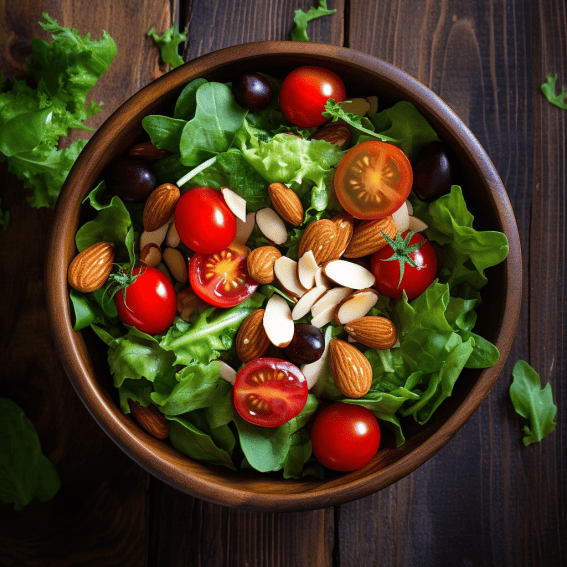
What does eat healthy mean? It’s a question that I’ve heard countless times throughout my career as a nutritionist expert.
For some, it might mean counting calories or cutting out entire food groups.
For others, it might involve eating only organic or non-processed foods.
But the truth is, healthy eating looks different for everyone.
That’s why I’m here to help you navigate the confusing world of nutrition and find what works best for you.
Whether you’re looking to lose weight, improve your energy levels, or simply feel better about the food you eat, I’m here to guide you every step of the way.
KEY TAKEAWAY
What does eat healthy mean?
Eating healthy means incorporating a variety of whole foods into your diet, including fruits, vegetables, whole grains, lean proteins, and healthy fats in moderation, while limiting processed and sugary foods and drinks. (1)
What is eating healthy?
Eating healthy means consuming a balanced diet that provides your body with the nutrients it needs to function properly.
Just like a car needs fuel to run, your body requires food to maintain its energy levels and carry out its day-to-day activities.
You can think of your body as a machine that needs the right kind of fuel to operate efficiently.
Eating a variety of foods from different food groups such as fruits, vegetables, whole grains, lean proteins, and healthy fats can provide your body with the vitamins, minerals, and other nutrients it needs to function at its best.
To eat healthy, it’s important to choose foods that are low in saturated and trans fats, added sugars, and salt.
Instead, opt for fresh, whole foods that are minimally processed and free from artificial additives and preservatives.
You can also try meal prepping and planning ahead to make healthy choices easier and more convenient.
Remember, eating healthy is not about depriving yourself of your favorite foods, but rather finding a balance that works for you.
Moderation is key, and it’s okay to indulge in a treat every once in a while.
Just be mindful of your portion sizes and try to make healthy choices the majority of the time.
If you need help getting started, consider consulting with a registered dietitian or nutritionist who can provide personalized recommendations and support on your journey toward a healthier lifestyle.
How many servings of fruits and vegetables should we eat daily to maintain a healthy diet?
Eating a healthy diet is essential for good health, and including fruits and vegetables in your meals is a crucial part of it.
According to nutritionist experts, it is recommended to eat 5-9 servings of fruits and vegetables every day to maintain a healthy diet.
This means that you should aim to consume at least two cups of fruits and two and a half cups of vegetables daily.
Fruits and vegetables are rich in essential vitamins, minerals, and fiber, which are essential for maintaining good health.
They have numerous health benefits, including reducing the risk of heart disease, stroke, and some cancers.
To make sure you get enough fruits and vegetables in your diet, try to incorporate them into every meal.
For example, you can add fruits to your breakfast cereal, have a salad with your lunch, and include vegetables in your stir-fry for dinner.
It can sometimes be challenging to get enough fruits and vegetables in your diet, but there are many tips and tricks to help you.
One of the easiest ways is to snack on fruits and veggies throughout the day.
You can also add them to smoothies or juices or use them as toppings for your favorite dishes.
You can even grow your fruits and vegetables in your backyard or balcony if you have space.
What are some healthy protein sources to add to your meals?
Protein is an essential nutrient that is necessary for building and repairing tissues in the body.
It is also essential for maintaining a healthy immune system and producing hormones and enzymes.
Including healthy protein sources in your diet is crucial for maintaining good health.
Some healthy protein sources include lean meats, poultry, fish, beans, lentils, and tofu.
Eating lean meats such as chicken, turkey, and fish is an excellent way to get high-quality protein in your diet.
Fish is also rich in omega-3 fatty acids, which have numerous health benefits, including reducing the risk of heart disease.
Beans and lentils are excellent sources of protein for vegetarians and vegans.
They are also high in fiber, which is essential for maintaining good digestive health.
Tofu is another excellent source of protein, and it is a popular ingredient in many Asian dishes.
It is made from soybeans and is an excellent source of amino acids, which are the building blocks of protein.
You can add tofu to stir-fries, soups, and salads to increase your protein intake.
Incorporating healthy protein sources into your meals is easy, and there are many delicious recipes to try.
You can experiment with different types of meats, fish, and beans to find your favorites.
You can also try new recipes that include tofu or other plant-based protein sources.
Remember to balance your meals with other essential nutrients, such as fruits, vegetables, and whole grains, for a healthy and balanced diet.
In conclusion, maintaining a healthy diet is essential for good health, and including fruits, vegetables, and healthy protein sources in your meals is crucial.
Aim to eat at least 5-9 servings of fruits and vegetables every day and incorporate lean meats, fish, beans, lentils, and tofu into your meals.
With a little creativity and some experimentation with new recipes, you can enjoy a healthy and delicious diet.
Why should we limit our intake of red meat and processed meats?
As a nutritionist expert, I am here to tell you why it is important to limit your intake of red meat and processed meats.
Red meat, such as beef, pork, and lamb, is high in saturated fat, which can increase your risk of heart disease and other health problems.
Processed meats, such as bacon, sausage, and deli meats, are often high in sodium and nitrates, which can also contribute to health issues.
So, what can you do to limit your intake of these meats? Try swapping out red meat for leaner proteins like chicken, fish, or plant-based options like tofu or beans.
When it comes to processed meats, choose lower sodium options or limit your consumption altogether.
Remember, moderation is key!
More on eating well guide.
What are some healthy plant oils to use in moderation?
When it comes to cooking, plant-based oils can be a healthier alternative to animal-based fats like butter or lard.
Some healthy plant oils to use in moderation include olive oil, avocado oil, and canola oil.
These oils are high in monounsaturated and polyunsaturated fats, which can help lower cholesterol and reduce inflammation in the body.
However, it is important to remember that all oils are high in calories, so be mindful of portion sizes when cooking with oils.
Aim for no more than 1-2 tablespoons per meal and consider using cooking methods like steaming or roasting to reduce the amount of oil needed.
How much water should we aim to drink every day?
Drinking enough water is essential for good health, but how much water should you aim to drink every day? As a general rule, it is recommended to drink at least 8 cups, or 64 ounces, of water per day.
However, your individual water needs may vary based on factors like age, activity level, and climate.
To make sure you are staying hydrated throughout the day, carry a water bottle with you and sip on it regularly.
You can also incorporate water-rich foods like fruits and vegetables into your diet to help you meet your daily water needs.
Remember, drinking enough water can help improve digestion, boost energy levels, and keep your body functioning properly.
More on what to eat healthy diet.
Conclusion
In conclusion, eating healthy means different things to different people.
It’s not about following a strict set of rules or eating only certain foods.
Instead, it’s about finding a balance that works for your body and your lifestyle.
By making small, sustainable changes to your diet, you can improve your overall health and wellbeing.
And remember, it’s not about being perfect – it’s about making progress.
So, take it one step at a time, and don’t be afraid to ask for help.
Together, we can create a healthier, happier you.
Frequently Asked Questions
How Do I Know If I’m Eating a Healthy Diet?
Eating a healthy diet means consuming a variety of foods that provide your body with the nutrients it needs to function properly.
A good way to ensure that you’re eating a healthy diet is to follow the MyPlate guidelines.
MyPlate recommends that you fill half of your plate with fruits and vegetables, one quarter with protein, and one quarter with grains.
In addition to following MyPlate, it’s important to pay attention to portion sizes.
Eating too much of any food, even healthy foods, can lead to weight gain and other health problems.
It’s also a good idea to limit your intake of processed and sugary foods.
Finally, it’s important to stay hydrated by drinking plenty of water throughout the day.
Water helps your body function properly and can also help you feel more full, which can prevent overeating.
Can I Still Enjoy My Favorite Foods While Eating Healthy?
Absolutely! Eating healthy doesn’t mean giving up your favorite foods completely.
Instead, it’s about finding a balance between healthy choices and indulgences.
One way to do this is to practice moderation.
Instead of eating a whole pizza, for example, have a slice or two and pair it with a salad or some vegetables.
Another way to enjoy your favorite foods while eating healthy is to make healthier versions of them at home.
For example, you can make homemade pizza with whole wheat crust and lots of veggies.
You can also experiment with different herbs and spices to add flavor to your meals without adding excess salt or sugar.
How Can I Make Healthy Eating More Affordable and Accessible?
Eating healthy can sometimes be expensive, but there are ways to make it more affordable.
One way is to buy in bulk.
Buying larger quantities of non-perishable items like beans, rice, and nuts can save you money in the long run.
You can also buy fresh produce in season when it tends to be less expensive.
Another way to make healthy eating more accessible is to plan ahead.
Meal planning can help you avoid impulse purchases and ensure that you have healthy meals and snacks on hand throughout the week.
It can also help you save time and money by reducing food waste.
Finally, don’t be afraid to shop around and compare prices.
Different stores may have different prices on the same items, and some stores may offer discounts for buying in bulk or for using a loyalty card.
By taking the time to shop smart, you can make healthy eating more affordable and accessible.
References
- https://health.gov/myhealthfinder/health-conditions/diabetes/eat-healthy
- https://www.breastcancer.org/managing-life/diet-nutrition/what-does-healthy-eating-mean