
Is it healthy to eat quail eggs? Quail eggs have gained attention for their potential health benefits and their impact on our overall well-being. In this article, I will explore the facts and myths surrounding the consumption of quail eggs, providing you with an in-depth look at their nutritional value, potential benefits, and their place in a healthy diet.
Quail eggs have been a topic of interest when it comes to their health benefits and potential impact on our well-being. In this article, we will explore the facts and myths surrounding the consumption of quail eggs and provide an in-depth look at their nutritional value, potential benefits, and their place in a healthy diet.
Key Takeaways:
- Quail eggs are a nutritious food choice, packed with protein and vitamins.
- They may contribute to weight loss due to their high protein content and ability to keep you feeling fuller for longer.
- Quail eggs provide nutrients that support brain health, such as B vitamins and choline.
- The cholesterol content in quail eggs is not a significant concern for most individuals.
- Quail eggs can be a versatile ingredient in various recipes, adding a unique touch to your meals.
Types of Eggs and their Nutritional Levels
Eggs come in various types, each with its own nutritional composition. Chicken eggs are the most common and widely consumed, while duck eggs, turkey eggs, goose eggs, and ostrich eggs each have their own unique characteristics. Let’s take a closer look at the nutritional levels of these different types of eggs.
Chicken Eggs
Chicken eggs are a staple in many diets and are known for their versatile nature and ease of availability. They are also packed with essential nutrients. One large chicken egg provides around 6 grams of protein, making it a valuable source of this macronutrient. Additionally, chicken eggs contain vitamins such as vitamin A, vitamin D, and various B vitamins like vitamin B12 and folate. They also offer minerals like iron, calcium, and zinc.
Duck Eggs
Duck eggs, on the other hand, are larger in size compared to chicken eggs and have a higher fat content. They are often used in culinary dishes due to their rich and creamy texture. Duck eggs provide a similar amount of protein as chicken eggs, but their higher fat content gives them a richer taste. They are also a good source of vitamins and minerals like vitamin B12, selenium, and phosphorus.
Turkey Eggs
Turkey eggs are less commonly consumed compared to chicken and duck eggs. They are larger in size and provide more calories than chicken eggs. Turkey eggs also contain more vitamins and minerals. They are particularly rich in vitamin B5, also known as pantothenic acid, which is involved in energy metabolism. Additionally, turkey eggs are a good source of vitamin K, vitamin E, and selenium.
| Egg Type | Nutritional Composition |
|---|---|
| Chicken Eggs | Protein, vitamins (A, D, B12), minerals (iron, calcium, zinc) |
| Duck Eggs | Protein, vitamins (B12), minerals (selenium, phosphorus) |
| Turkey Eggs | Protein, vitamins (B5, K, E), minerals (selenium) |
| Goose Eggs | Protein, vitamins, minerals |
| Ostrich Eggs | Protein, vitamins, minerals |
| Quail Eggs | Protein, vitamins, minerals |
Goose Eggs and Ostrich Eggs
Goose eggs are significantly larger than chicken eggs and are known for their rich taste and texture. They provide a similar nutritional profile to chicken eggs, with a higher protein content. Ostrich eggs, although primarily used for decoration, have a similar nutritional composition to chicken eggs, with comparable levels of protein and fat.
Quail Eggs
Quail eggs, specifically, are smaller and lighter than chicken eggs but pack a higher nutritional value. They contain more protein and vitamins compared to chicken eggs. Quail eggs are also a good source of essential minerals like calcium and phosphorus.
The Nutritional Value of Quail Eggs
Quail eggs are a powerhouse of nutrients, providing a wide range of vitamins, minerals, and protein. These small eggs pack a punch when it comes to their nutritional content, making them a valuable addition to a well-balanced diet.
Protein: Quail eggs are a rich source of protein, containing 13% more protein than the recommended daily allowance. Protein is essential for growth, repair, and maintenance of body tissues, as well as the production of enzymes and hormones.
Vitamins: Quail eggs are packed with vitamins, including vitamin B complex, thiamine, and vitamin D. Vitamin B complex is vital for energy production, brain function, and nerve health. Thiamine plays a crucial role in converting food into energy, while vitamin D is important for bone health and immune function.
Minerals: Quail eggs provide essential minerals like calcium and phosphorus, which are necessary for maintaining healthy bones and teeth. These eggs also contain iron, which is crucial for oxygen transport throughout the body, and magnesium, which supports muscle and nerve function.
| Nutrient | Amount per 100g |
|---|---|
| Protein | 13g |
| Vitamin B complex | 0.85mg |
| Thiamine (Vitamin B1) | 0.2mg |
| Vitamin D | 50 IU |
| Calcium | 64mg |
| Phosphorus | 198mg |
| Iron | 1.2mg |
| Magnesium | 14mg |
As you can see, quail eggs are a nutritional powerhouse, packed with protein, vitamins, and minerals that support overall health and well-being. Incorporating these eggs into your diet can provide a wide range of essential nutrients and contribute to a balanced nutrition plan.
Benefits of Eating Quail Eggs
When it comes to incorporating nutrient-rich foods into our diets, quail eggs are often overlooked. However, these small eggs pack a powerful punch when it comes to health benefits. Let’s explore some of the reasons why including quail eggs in your diet can be beneficial.
Quail Eggs for Weight Loss
If you’re looking to shed some extra pounds, quail eggs can be a great addition to your weight loss journey. These eggs are high in protein and can help keep you feeling full and satisfied for longer periods of time. The protein content in quail eggs also contributes to muscle building and repair, which is important when trying to maintain a healthy weight.
Quail Eggs for Brain Health
Quail eggs are a rich source of essential nutrients that support brain health. They are packed with B vitamins, including vitamin B12, which play a crucial role in brain function and development. Additionally, quail eggs contain choline, a nutrient that helps improve memory and cognitive function.
Quail Eggs for Skin Health
If you’re looking to improve the health and appearance of your skin, quail eggs can be a valuable addition to your skincare routine. These eggs are loaded with vitamins and antioxidants that help nourish and protect the skin. The high protein content in quail eggs also promotes collagen production, which can help reduce the appearance of wrinkles and promote a youthful complexion.
Incorporating quail eggs into your diet can provide numerous health benefits. From weight loss support to brain health and skin nourishment, these tiny eggs offer a wide range of nutritional benefits. So why not give quail eggs a try and experience the positive impact they can have on your overall well-being?
Quail Eggs and Cholesterol
One of the concerns surrounding quail eggs is their cholesterol content and its potential impact on our health. Cholesterol has long been associated with heart disease, leading to questions about the safety of consuming foods high in cholesterol, including eggs. However, it is important to understand that the body absorbs very little cholesterol directly from food. The majority of the cholesterol in our bodies is actually produced by our liver.
Studies have shown that consuming eggs, including quail eggs, does not significantly raise cholesterol levels in most individuals. In fact, eggs can even have a positive effect on cholesterol profiles. They can increase high-density lipoprotein (HDL) cholesterol, which is known as the “good” cholesterol, and improve the ratio of HDL to low-density lipoprotein (LDL) cholesterol. This is important because a higher ratio of HDL to LDL cholesterol is associated with a lower risk of cardiovascular disease.
It’s worth noting that while eggs, including quail eggs, are generally safe for most people, individuals with specific health conditions, such as diabetes or cardiovascular disease, may need to monitor their cholesterol intake more closely. It is always advisable to consult with a healthcare professional or nutritionist to determine the best approach for your individual needs and health goals.
| Quail Eggs | Chicken Eggs | |
|---|---|---|
| Cholesterol Content | 186 mg | 186 mg |
| Calories | 14.4 | 71.5 |
| Protein | 1.3 g | 6.2 g |
| Vitamin A | 3% DV | 6% DV |
| Vitamin B12 | 5% DV | 9% DV |
| Vitamin D | 2% DV | 6% DV |
As shown in the table above, quail eggs contain a slightly higher amount of cholesterol compared to chicken eggs. However, quail eggs also have lower calories and provide a good source of protein and essential vitamins. It’s important to consider the overall nutritional value of foods rather than focus solely on one nutrient like cholesterol.
In conclusion, consuming quail eggs in moderation as part of a balanced diet is unlikely to have a significant impact on cholesterol levels for most individuals. They offer valuable nutrients and can be enjoyed as part of a healthy eating plan. Remember to consider your individual health needs and consult with a healthcare professional or nutritionist for personalized advice.
Quail Eggs vs Chicken Eggs: A Nutritional Comparison
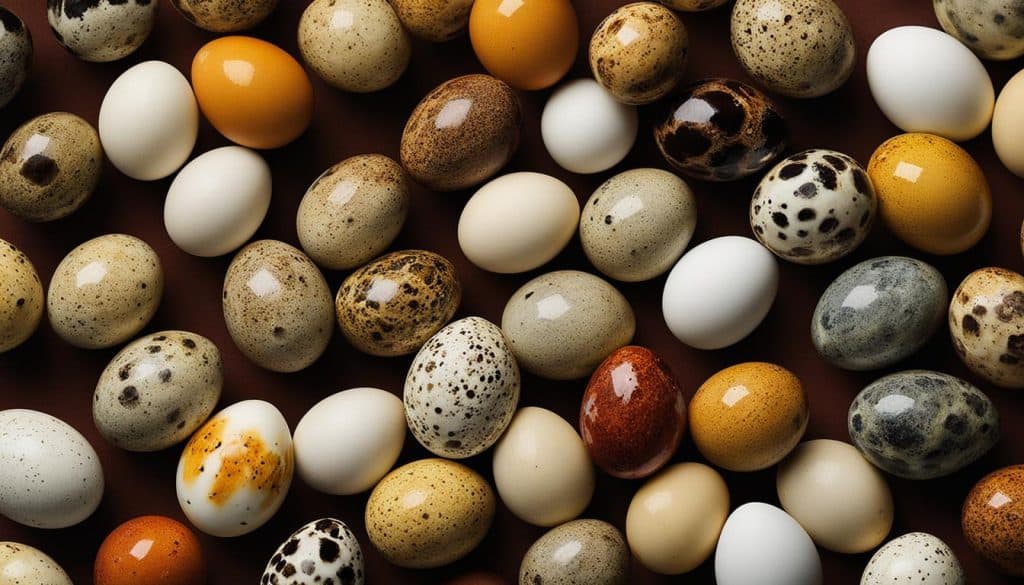
When it comes to eggs, many people are familiar with chicken eggs, but have you ever considered adding quail eggs to your diet? While both types of eggs offer nutritional benefits, there are some key differences between quail eggs and chicken eggs that may influence your preference. Let’s take a closer look at the nutritional comparison between quail eggs and chicken eggs to help you make an informed decision.
Size and Appearance
One noticeable difference between quail eggs and chicken eggs is their size. Quail eggs are significantly smaller than chicken eggs, making them a popular choice for appetizers and garnishes. The smaller size of quail eggs can also make them more aesthetically appealing when it comes to presentation.
Nutritional Content
In terms of nutritional value, quail eggs and chicken eggs have their own unique profiles. Quail eggs contain slightly more protein, vitamins, and minerals compared to chicken eggs. They are also lower in calories and fat. However, it’s important to note that chicken eggs provide a good source of nutrients as well, including protein, vitamins, and minerals.
| Nutrient | Quail Eggs (per 100g) | Chicken Eggs (per 100g) |
|---|---|---|
| Protein | 13g | 12.6g |
| Fat | 11g | 8.8g |
| Calories | 158 | 143 |
| Vitamin A | 322 IU | 320 IU |
| Vitamin B12 | 1.97 µg | 0.89 µg |
| Vitamin D | 3.5 µg | 1.1 µg |
Taste and Culinary Uses
Taste is subjective and can vary depending on personal preferences. Quail eggs are often described as having a rich, creamy flavor, while chicken eggs have a milder taste. Due to their smaller size, quail eggs are commonly used in appetizers, salads, and as a decorative touch to various dishes. Chicken eggs, on the other hand, are more versatile and can be used in a wide range of recipes, from baking to breakfast dishes.
Both quail eggs and chicken eggs offer their own set of nutritional benefits and culinary uses. The choice between the two ultimately comes down to personal preference, availability, and the specific dish you’re preparing. So, whether you decide to incorporate quail eggs or stick with chicken eggs, both can be enjoyed as part of a balanced and nutritious diet.
Quail Egg Recipes
When it comes to cooking with quail eggs, the possibilities are endless. These small and versatile eggs can be used in a variety of dishes, adding a unique touch and enhancing the flavor of your meals. Whether you’re looking to create a delicious appetizer, a hearty main course, or a delightful dessert, quail eggs can be a valuable ingredient in your culinary creations.
Here are a few popular quail egg recipes to inspire your next cooking adventure:
1. Quail Egg Salad
Quail egg salad is a refreshing and nutritious dish that can be enjoyed as a light lunch or a side dish. Simply boil the quail eggs until they are cooked to your desired level of doneness, peel them, and mix with fresh salad greens, cherry tomatoes, cucumbers, and your favorite dressing. The small size and delicate flavor of quail eggs add a delightful touch to the salad.
2. Quail Egg Benedict
If you’re a fan of the classic Eggs Benedict, try swapping out the traditional chicken eggs with quail eggs for a unique twist. Poach the quail eggs, toast an English muffin, layer it with Canadian bacon or smoked salmon, and top it off with a rich and creamy hollandaise sauce. The quail eggs provide a burst of flavor and a visually appealing presentation.
3. Quail Egg Tart
A quail egg tart is a delicious and elegant dish that can be served as an appetizer or a main course. Prepare a savory tart crust, fill it with a creamy mixture of quail eggs, cheese, and herbs, and bake until golden brown. The individual tartlets make for a stunning presentation and are perfect for entertaining guests or enjoying a special meal.
These are just a few examples of the many quail egg recipes you can explore. Don’t be afraid to get creative in the kitchen and experiment with different flavors and combinations. Quail eggs are a versatile ingredient that can elevate your dishes and impress your taste buds.
Quail Eggs in a Healthy Diet
Incorporating quail eggs into a healthy diet can provide various nutritional benefits. These small but mighty eggs pack a punch when it comes to essential nutrients, making them a valuable addition to your daily meals. With their high protein content, vitamins, and minerals, quail eggs contribute to balanced nutrition and overall well-being.
When it comes to incorporating quail eggs into your diet, there are plenty of options. You can enjoy them on their own as a nutritious snack, or use them as a versatile ingredient in a wide range of dishes. From salads and omelets to baked goods and desserts, quail eggs can add a unique touch to your culinary creations.
The Nutritional Benefits of Quail Eggs
| Nutrient | Amount per serving |
|---|---|
| Protein | 7 grams |
| Vitamin B12 | 15% of the recommended daily intake |
| Vitamin D | 6% of the recommended daily intake |
| Vitamin A | 4% of the recommended daily intake |
| Iron | 6% of the recommended daily intake |
As seen in the table above, quail eggs are a rich source of protein and essential vitamins and minerals. They provide a substantial amount of vitamin B12, which is important for red blood cell production and nerve function. Additionally, quail eggs contain vitamin D, which plays a vital role in maintaining healthy bones and supporting the immune system.
While quail eggs offer many nutritional benefits, it’s important to consume them in moderation as part of a balanced diet. Remember to consider your overall dietary needs and consult with a healthcare professional or nutritionist to ensure that you’re incorporating quail eggs in a way that aligns with your personal health goals.
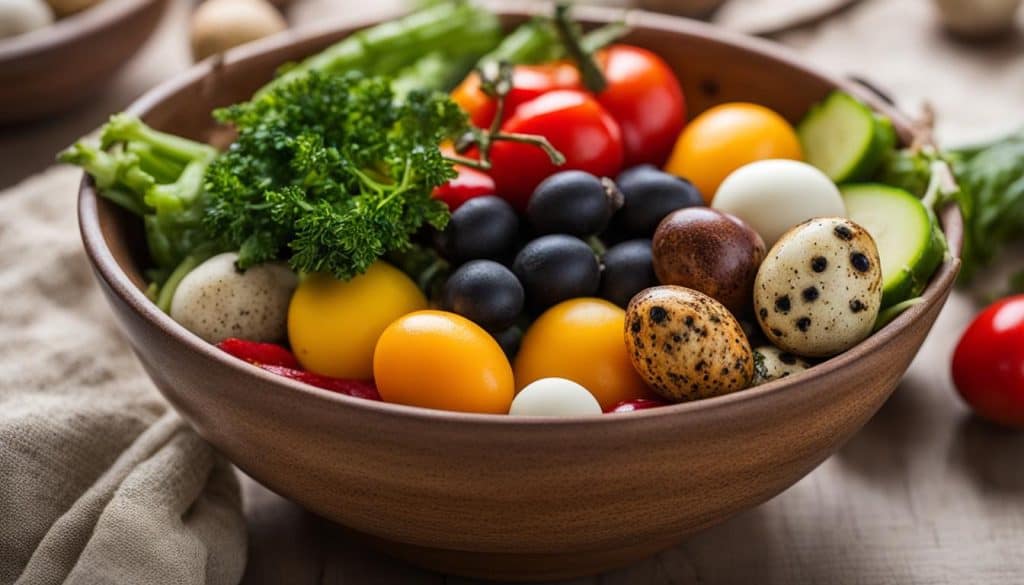
Quail Eggs: Myth Buster
Quail eggs have been the subject of various myths and misconceptions. Let’s debunk some of these common misconceptions and get to the facts about quail eggs:
Myth: Quail eggs are unhealthy because they are high in cholesterol.
Many people believe that quail eggs are bad for cholesterol levels due to their small size. However, research has shown that dietary cholesterol has minimal impact on blood cholesterol levels in most individuals. The body also absorbs very little cholesterol directly from food. In fact, quail eggs can be part of a balanced diet without negatively affecting cholesterol levels. As always, it’s important to consume all foods, including quail eggs, in moderation.
Myth: Quail eggs have no nutritional value compared to chicken eggs.
Contrary to this belief, quail eggs actually pack a higher nutritional punch compared to chicken eggs. Quail eggs contain more protein, vitamins, and minerals per serving. They are a great source of essential nutrients, including vitamin B complex, thiamine, and calcium. Incorporating quail eggs into your diet can be a smart choice for boosting your overall nutrition.
Myth: Quail eggs are difficult to incorporate into recipes.
Some people are hesitant to try quail eggs because they believe they are challenging to use in recipes. However, quail eggs can be easily incorporated into various dishes. From salads to appetizers and even main courses, these small eggs can add a unique and flavorful touch to your meals. Don’t let the misconception fool you – cooking with quail eggs can be both fun and delicious!
Myth: Quail eggs are rare and hard to find.
While quail eggs may not be as widely available as chicken eggs, they are not as rare as some believe. Quail eggs can be found in specialty grocery stores, farmers markets, and even online. With increasing demand and awareness about their nutritional benefits, quail eggs are becoming more accessible to consumers. It’s worth exploring local markets or online sources to find these nutritious eggs.
Myth: Quail eggs are only for gourmet cooking.
Some people associate quail eggs with gourmet or fancy cooking, assuming they are only meant for special occasions. However, quail eggs can be enjoyed in everyday meals too. From simple breakfast preparations to quick snacks or even as a topping for salads, quail eggs can elevate the taste and presentation of any dish. Don’t limit yourself – try incorporating quail eggs into your regular cooking routine for a delicious and nutritious twist!
Conclusion
In conclusion, quail eggs offer a range of health benefits and can be a valuable addition to your diet. Their high protein content, vitamins, and minerals make them a nutritious choice. Quail eggs can contribute to weight loss by keeping you feeling fuller for longer, and they provide nutrients that support brain health and promote healthier skin.
There is no need to worry about the cholesterol content in quail eggs. Numerous studies have shown that they do not significantly impact cholesterol levels in most individuals. However, as with any food, moderation is key. Incorporating quail eggs into your meal plan as part of a balanced diet is recommended.
Remember, the choice between quail eggs and chicken eggs comes down to personal preference and availability. Both have their own unique nutritional profiles. Quail eggs are smaller and lighter but contain more protein and vitamins, while chicken eggs are more widely available.
To make the most of quail eggs in your diet, consider exploring the various quail egg recipes available. From salads to main courses and desserts, there are plenty of delicious options to choose from. Just remember to consult with a healthcare professional or nutritionist to determine the best approach for your specific dietary needs and health goals.
FAQ
Is it healthy to eat quail eggs?
Yes, quail eggs can be a healthy and beneficial food choice when consumed as part of a balanced diet.
What are the benefits of eating quail eggs?
Eating quail eggs can provide important nutrients like protein and vitamins, and offer potential benefits for weight loss, brain health, and skin health.
What is the nutritional value of quail eggs?
Quail eggs are rich in protein, vitamins (including B complex and vitamin D), and essential minerals like calcium and phosphorus.
Are quail eggs good for weight loss?
Yes, quail eggs are believed to aid in weight loss due to their high protein content and ability to keep you feeling fuller for longer.
Do quail eggs contain cholesterol?
Yes, quail eggs contain cholesterol. However, studies have shown that eggs, including quail eggs, do not significantly impact cholesterol levels in most individuals when consumed in moderation as part of a balanced diet.
How do quail eggs compare to chicken eggs?
Quail eggs are smaller and lighter than chicken eggs but contain more protein and vitamins. The choice between quail eggs and chicken eggs ultimately comes down to personal preference and availability.
What are some popular quail egg recipes?
Some popular quail egg dishes include quail egg salad, quail egg Benedict, quail egg tart, and quail egg sushi.
How can I incorporate quail eggs into a healthy diet?
Quail eggs can be a versatile ingredient and can be incorporated into various culinary creations, enhancing the flavor of your meals. They can be part of a healthy diet when consumed in moderation and as part of a balanced nutritional plan.
What are some common myths about quail eggs?
There are several myths and misconceptions surrounding quail eggs, including concerns about cholesterol levels and doubts about their nutritional value. However, many of these notions are unfounded, and quail eggs can be a healthy and nutritious addition to one’s diet when consumed in moderation and as part of a balanced eating plan.
What is the conclusion of this article?
The conclusion is that quail eggs can be a healthy and beneficial food choice when consumed as part of a balanced diet. They provide important nutrients, including protein and vitamins, and offer potential benefits for weight loss, brain health, and skin health. It is recommended to consult with a healthcare professional or nutritionist to determine the best approach for your specific dietary needs and health goals.
Source Links
- https://www.artsoulwine.com/soul/2022/4/16/egg-cellent
- https://timesofindia.com/life-style/food-news/do-you-know-how-many-types-of-eggs-are-there-and-their-nutritional-levels/photostory/91625142.cms
- https://eng.obozrevatel.com/section-food/news-how-many-eggs-you-can-eat-per-day-debunking-the-myths-24-11-2023.html