
Gaining popularity in the world of weight loss and calorie restriction, the 900 calorie diet has become a topic of discussion. But is it really a healthy approach to eating? As a journalist specializing in nutrition and weight management, I dive into the details to provide you with the facts.
Key Takeaways – Is It Healthy to Eat 900 Calories a Day?
- Eating only 900 calories a day falls below the recommended daily caloric intake for adults.
- A 900 calorie diet is not enough to provide the necessary nutrition and may lead to deficiencies.
- The amount of weight you will lose on a 900 calorie diet depends on various factors.
- Different strategies can be followed to manage hunger on a 900 calorie diet.
- It is important to focus on nutrient-dense foods and consider nutritional supplements on a 900 calorie diet.
Is 900 Calories a Day Enough?
When considering a low-calorie diet like consuming only 900 calories a day, it’s crucial to understand if this amount is enough to meet nutritional needs and support sustainable weight loss. While a 900-calorie intake may lead to rapid weight loss, it is not considered sufficient for long-term use due to the risk of nutritional deficiencies and potential health complications.
Restricting daily caloric intake to 900 calories significantly reduces the body’s energy supply, making it challenging to meet the essential nutrient requirements. This low-calorie diet may lack adequate protein, vitamins, and minerals, which are crucial for overall health and well-being. Without proper nutrition, the body may experience fatigue, weakness, and compromised immune function.
It is important to emphasize that a sustainable weight loss strategy involves creating a moderate calorie deficit, typically within a range recommended by healthcare professionals. This allows for gradual and healthy weight loss while still providing the necessary nutrients for optimal functioning. Therefore, it is advisable to consult with a medical team or a registered dietitian before following a 900-calorie diet plan, especially for extended periods.
By prioritizing a balanced diet that includes a variety of nutrient-rich foods and focusing on portion control, individuals can achieve healthy weight loss goals while maintaining their overall well-being.
Table: Potential Nutritional Deficiencies on a 900-Calorie Diet
| Nutrient | Potential Deficiency Symptoms |
|---|---|
| Protein | Muscle loss, fatigue, weakness |
| Calcium | Weak bones, increased risk of fractures |
| Vitamin B12 | Anemia, fatigue, nerve damage |
| Iron | Anemia, fatigue, weakened immune system |
| Vitamin D | Weak bones, increased risk of fractures |
How Much Weight Will You Lose Eating 900 Calories a Day?
When following a 900 calorie diet plan, weight loss is typically expected due to the calorie deficit created. A calorie deficit occurs when you consume fewer calories than your body needs for daily activities and functions. This deficit forces your body to use stored energy (fat) for fuel, resulting in weight loss over time.
The amount of weight you can expect to lose while eating 900 calories a day depends on several factors, including your total daily caloric expenditure (TDEE) and the duration of following the diet plan. Your TDEE is the number of calories your body needs to maintain its current weight, taking into account your activity level. By consuming 900 calories a day, you create a substantial caloric deficit that can lead to rapid weight loss.
It is important to note that a caloric deficit of approximately 3500 calories is needed to lose one pound of body weight. Therefore, if your TDEE is 1500 calories per day and you are consuming 900 calories, you would have a deficit of 600 calories per day. This would result in a weight loss of approximately 1.2 pounds per week.
| Duration of 900 Calorie Diet | Estimated Weight Loss |
|---|---|
| 1 week | 1.2 pounds |
| 2 weeks | 2.4 pounds |
| 4 weeks | 4.8 pounds |
| 8 weeks | 9.6 pounds |
It is important to remember that sustainable weight loss is typically recommended at a slower pace of 1-2 pounds per week. Rapid weight loss may be achieved initially on a 900 calorie diet, but it is crucial to prioritize overall health and well-being by gradually increasing calorie intake and adopting a balanced approach to nutrition and physical activity.
How Do You Eat 900 Calories a Day?
Eating only 900 calories a day can be challenging due to potential hunger. However, there are various strategies that can be followed to make the most out of this calorie restriction. One approach is to split the 900 calories into three balanced meals throughout the day. This way, you can distribute your calorie intake and ensure that each meal contains the necessary nutrients for your body.
Another option is to have two larger meals instead of three. This approach allows you to have more filling meals, which can help with feelings of satiety. Some individuals find success with intermittent fasting approaches, such as the popular OMAD (one meal a day) method. With OMAD, you consume all 900 calories in a single meal, typically in the evening.
Intermittent fasting can help manage hunger and create a sense of discipline in your eating habits. However, it is crucial to listen to your body and choose an approach that works best for you. It’s essential to find a method that is sustainable and allows you to maintain a healthy relationship with food.
The Benefits of Intermittent Fasting
Intermittent fasting, including the OMAD approach, has gained popularity due to its potential health benefits beyond weight management. Research suggests that intermittent fasting can improve insulin sensitivity, promote autophagy (cellular repair process), and support brain health. It may also have anti-inflammatory effects and aid in cellular and metabolic adaptation.
Intermittent fasting has been shown to activate various cellular pathways that promote health and longevity. It can enhance metabolic flexibility, improve cardiovascular health, and potentially reduce the risk of chronic diseases like diabetes and heart disease. However, it’s important to note that these benefits are not exclusive to a 900-calorie diet and can be achieved with other intermittent fasting methods as well.
| Pros of a 900-Calorie Diet | Cons of a 900-Calorie Diet |
|---|---|
| – Rapid initial weight loss | – Potential hunger and discomfort |
| – Can kickstart healthy eating habits | – Nutritional deficiencies if not carefully planned |
| – May improve insulin sensitivity | – Unsustainable for long-term use |
| – Can be combined with intermittent fasting | – Increased risk of gallstones |
As with any diet plan, a 900-calorie diet has its advantages and disadvantages. It’s important to weigh the potential benefits, such as rapid initial weight loss and improved insulin sensitivity, against the challenges, such as potential hunger and sustainability. Consulting with a healthcare professional or registered dietitian can help determine if a 900-calorie diet is appropriate for your specific needs and goals.
What Is the Best 900 Calorie a Day Meal Plan?
Eating only 900 calories a day requires careful planning to ensure that you are getting the necessary nutrients while still promoting weight loss. A well-designed 900 calorie meal plan should focus on providing balanced meals that are low in carbs and rich in essential vitamins and minerals. Here is an example of a low-carb meal plan that can help you achieve your weight loss goals:
Breakfast:
- 2 egg omelet with spinach, mushrooms, and feta cheese
- 1 cup of mixed berries
Lunch:
- Grilled chicken breast
- Steamed broccoli
- Green salad with tomatoes, cucumbers, and a light vinaigrette dressing
Dinner:
- Grilled salmon
- Roasted Brussels sprouts
- Quinoa
Remember to drink plenty of water throughout the day and listen to your body’s hunger and fullness cues. It’s important to note that this is just one example of a 900 calorie meal plan, and it may need to be adjusted to fit your individual needs and preferences.
While a 900 calorie meal plan can aid in weight loss, it is important to be mindful of potential nutrient deficiencies that can arise from such a low-calorie intake. To ensure that you are getting all the necessary nutrients, consider taking a daily multivitamin or consulting with a registered dietitian.
As with any diet plan, it is essential to listen to your body and prioritize your overall health and well-being. If you experience any adverse effects or discomfort while following a 900 calorie meal plan, it’s important to consult with a healthcare professional for guidance and support.
Can You Survive On a 900-Calorie Diet?
Following a very low-calorie diet (VLC) like consuming only 900 calories a day may seem tempting for quick weight loss, but it is important to consider the long-term implications on your overall health and well-being. While it may lead to initial weight loss, sustainability and meeting nutritional needs become challenging. Let’s explore the potential risks and limitations of a 900-calorie diet.
When it comes to healthy eating, it is crucial to prioritize adequate caloric intake and nutrient density. A VLC diet may not provide sufficient energy and nutrients to fuel your body’s functions. It can lead to fatigue, muscle loss, and nutrient deficiencies. Since the calorie intake is significantly restricted, it becomes essential to ensure optimal nutrient consumption through careful meal planning or supplementation.
Meal replacements, such as shakes or bars, are often promoted as a convenient way to achieve a low-calorie intake. While they can help with short-term weight loss, relying solely on these products can be unsustainable and may lack the variety of nutrients found in whole foods. It is important to consider the long-term feasibility and potential impact on your relationship with food.
Ultimately, a sustainable approach to weight loss and healthy eating involves adopting a balanced diet that meets your body’s needs. Consulting a healthcare professional or a registered dietitian is recommended to develop a personalized plan that supports your goals while considering your unique nutritional requirements and overall well-being.
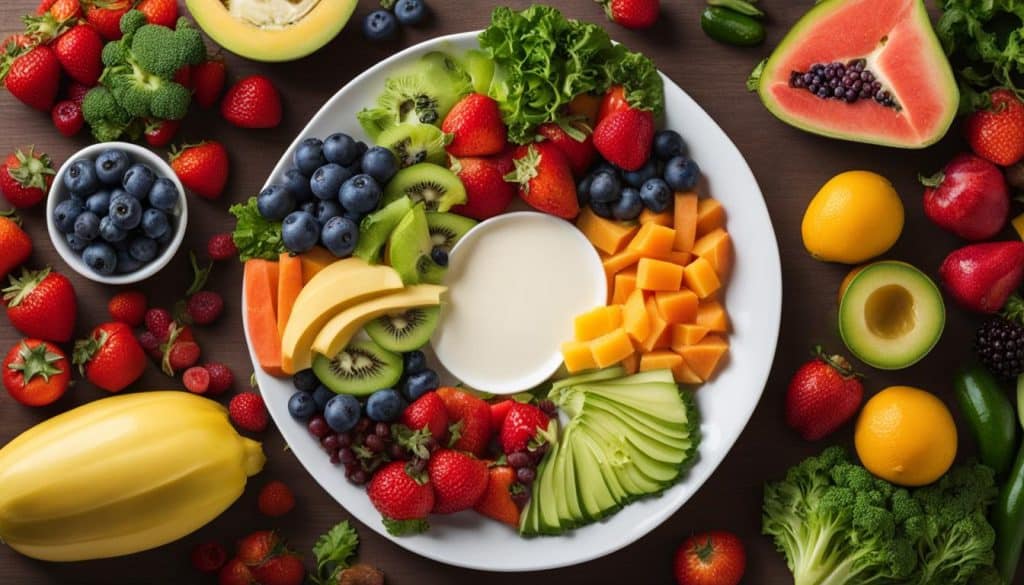
| Benefits of a 900-Calorie Diet | Risks and Limitations of a 900-Calorie Diet |
|---|---|
| 1. Rapid initial weight loss | 1. Fatigue and lack of energy |
| 2. Potential improvement in certain health markers (e.g., blood sugar levels, cholesterol) | 2. Nutrient deficiencies |
| 3. Simplifies meal planning and portion control | 3. Loss of muscle mass |
| 4. Quick jumpstart for weight loss journey | 4. Unsustainability and potential for rebound weight gain |
Side Effects of Eating a 900-Calorie Diet
Eating a 900-calorie diet can have several side effects that should be considered before embarking on such a restrictive eating plan. It is important to note that these side effects can vary from person to person, and individual experiences may differ. However, being aware of the potential risks will help you make an informed decision about whether a 900-calorie diet is right for you.
Health Risks
One of the main health risks associated with a 900-calorie diet is the potential for nutrient deficiencies. When consuming such a low number of calories, it becomes challenging to meet your body’s nutritional needs. This can lead to deficiencies in essential vitamins, minerals, and macronutrients, which are vital for overall health and well-being.
Fatigue and Constipation
Due to the reduced calorie intake, you may experience feelings of fatigue and low energy levels. This can make it difficult to carry out your daily activities and may affect your overall productivity. Additionally, constipation is another common side effect of a 900-calorie diet. The lack of sufficient fiber and fluids can lead to irregular bowel movements and discomfort.
Gallstones
Another potential side effect of rapid weight loss on a 900-calorie diet is the increased risk of developing gallstones. The gallbladder aids in the digestion of fats, and when the body rapidly loses weight, gallstones may form due to the imbalance in bile production and excretion.
In Conclusion
While a 900-calorie diet may seem like a quick and effective way to lose weight, it is important to weigh the potential side effects and health risks. It is always advisable to consult with a healthcare professional or a registered dietitian before making any drastic changes to your diet. They can provide personalized guidance and ensure that your weight loss journey is safe and sustainable.
What to Eat on a 900-Calorie Diet
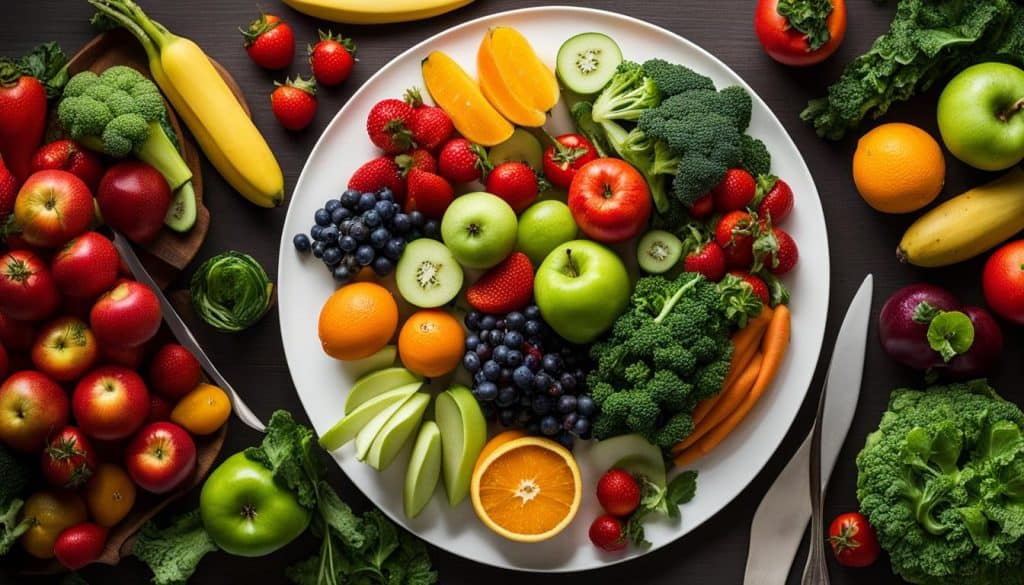
When following a 900 calorie diet, it is important to focus on consuming nutrient-dense foods that provide adequate nutrition while keeping the calorie count low. By including a variety of complex carbohydrates, fruits, dark leafy greens, lentils, lean proteins, oily fish, and vegetables in your meal plan, you can ensure that your body receives essential vitamins, minerals, and macronutrients.
Complex carbohydrates such as whole grains, sweet potatoes, and quinoa are excellent sources of energy and fiber. They help to keep you feeling full and satisfied throughout the day. Fruits like berries, apples, and citrus fruits are not only low in calories but also packed with antioxidants and vitamins.
Dark leafy greens like spinach, kale, and Swiss chard are rich in iron, calcium, and vitamins A, C, and K. They can be incorporated into salads, stir-fries, or smoothies to add a nutritional boost to your meals. Additionally, lentils provide a good source of protein, fiber, and essential minerals, making them a valuable addition to a 900 calorie diet.
When it comes to lean proteins, options like skinless chicken breast, turkey, and tofu are excellent choices. They are low in fat and calories but still provide the necessary protein to support muscle maintenance and repair. Oily fish like salmon, mackerel, and sardines contain omega-3 fatty acids, which are beneficial for heart health and brain function. Lastly, incorporating a variety of colorful vegetables into your meals will not only add flavor and texture but also provide a range of essential nutrients.
| Food Group | Examples |
|---|---|
| Complex Carbohydrates | Whole grains, sweet potatoes, quinoa |
| Fruits | Berries, apples, citrus fruits |
| Dark Leafy Greens | Spinach, kale, Swiss chard |
| Lentils | Red lentils, green lentils, black lentils |
| Lean Proteins | Skinless chicken breast, turkey, tofu |
| Oily Fish | Salmon, mackerel, sardines |
| Vegetables | Broccoli, bell peppers, carrots |
By incorporating these foods into your 900 calorie diet, you can create a meal plan that is both flavorful and nutritious. Remember to monitor your portion sizes and ensure that you are getting a balance of macronutrients to support your overall health and weight loss goals.
How to Manage Diet Fatigue and Stress
Eating a 900-calorie diet can be physically and mentally challenging, leading to diet fatigue and stress. However, there are several strategies you can implement to manage these issues and maintain a healthy lifestyle during your weight loss journey.
1. Prioritize Self-Care
Incorporating self-care activities into your routine is crucial for managing diet fatigue and stress. Take time for yourself to relax, unwind, and engage in activities that bring you joy. This could include practicing yoga or meditation, taking long walks in nature, or indulging in a bubble bath with your favorite book. Remember, self-care is not a luxury but a necessity for overall well-being.
2. Follow a Balanced and Sustainable Approach
Avoid extreme dieting practices and instead focus on a balanced and sustainable approach to weight loss. Gradual and steady progress is more sustainable and less likely to cause diet fatigue. Ensure that your diet includes a variety of nutrient-dense foods to provide your body with the necessary energy and nutrients it needs to function optimally.
3. Seek Support
Embarking on a weight loss journey can be challenging, and having a support system can make a significant difference. Reach out to friends, family, or a support group who can provide encouragement, accountability, and motivation. If needed, consider working with a registered dietitian or a healthcare professional who can help you navigate through the challenges of dieting and provide expert advice tailored to your specific needs.
Remember, sustainable weight loss is not just about the number on the scale but about adopting healthy habits that you can maintain in the long run. By prioritizing self-care, following a balanced approach, and seeking support, you can effectively manage diet fatigue and stress while working towards your weight loss goals.
Conclusion
After exploring the topic of consuming 900 calories a day, it is clear that this is not a healthy or sustainable approach for long-term weight loss. While it may lead to rapid weight loss, the risks and potential side effects associated with such a low-calorie diet plan are significant.
When it comes to weight loss and overall health, it is important to focus on a balanced diet and a healthy lifestyle. Calorie intake should be adjusted in a way that supports sustainable weight loss while still providing the necessary nutrition for the body to function optimally.
Seeking guidance from healthcare professionals is crucial when setting weight loss goals, as they can provide personalized advice and support. Remember, a healthy lifestyle is about more than just numbers on a scale. It is about nourishing the body, prioritizing overall well-being, and finding joy in the journey towards better health.
FAQ
Is it healthy to eat 900 calories a day?
Eating only 900 calories a day is considered a low-calorie diet and falls below the recommended daily caloric intake for adults. It is important to understand the risks and benefits associated with a 900 calorie diet plan.
Is 900 calories a day enough?
A 900 calorie diet plan is not enough to provide the necessary nutrition for adults to prevent nutritional deficiencies and fuel the body adequately. It is essential to consult with a medical team or follow this calorie intake for short periods under guidance.
How much weight will you lose eating 900 calories a day?
The amount of weight you will lose by consuming 900 calories a day depends on your total daily caloric expenditure and the duration of following the diet plan. A caloric deficit of 3500 calories leads to one pound of fat loss.
How do you eat 900 calories a day?
Eating only 900 calories a day can be challenging due to potential hunger. Various strategies can be followed, such as splitting meals into three balanced meals or two larger meals. Intermittent fasting approaches like OMAD (one meal a day) can also be considered.
What is the best 900 calorie a day meal plan?
A sample 900 calorie meal plan can include breakfast, lunch, and dinner or can be modified to fit intermittent fasting. It is important to note that with a 900 calorie diet, nutritional supplements may be necessary to prevent nutrient deficiencies.
Can you survive on a 900-calorie diet?
While a very low-calorie diet (VLC) can lead to rapid weight loss, it is not considered safe or sustainable for long-term use. It is essential to understand the potential risks and side effects associated with consuming only 900 calories a day.
What are the side effects of eating a 900-calorie diet?
Following a 900 calorie diet can lead to various side effects such as fatigue, constipation, nausea, and nutrient deficiencies. There is also a higher risk of developing gallstones due to rapid weight loss.
What should you eat on a 900-calorie diet?
When following a 900 calorie diet, it is important to focus on nutrient-dense foods such as complex carbohydrates, fruits, dark leafy greens, lentils, lean proteins, oily fish, and a variety of vegetables to ensure adequate nutrition.
How to manage diet fatigue and stress?
Diet fatigue and stress can be managed by incorporating stress management techniques, practicing self-care, and adopting a balanced and sustainable approach to weight loss. It is important to prioritize overall health and well-being.
Conclusion
While a 900 calorie diet may lead to rapid weight loss, it is not considered healthy or sustainable for long-term use. It is crucial to prioritize a balanced diet, overall health, and seek guidance from healthcare professionals for weight loss goals.