
As a journalist and health enthusiast, I often come across questions about calorie intake and its impact on our health. One common question that arises is whether it is healthy to consume 3000 calories in a day. Let’s dive into this topic and uncover the benefits, risks, and effects of a 3000 calorie diet.
Key Takeaways – Is It Healthy to Eat 3000 Calories a Day?
- Eating 3000 calories a day can be beneficial for individuals engaged in high-intensity activities to meet their energy needs.
- Maintaining a healthy diet with 3000 calories requires a focus on whole foods, meal planning, wise snacking, and the use of supplements.
- Balanced nutrition is crucial on a 3000 calorie diet to ensure optimal health and well-being.
- Recommended calorie intake varies based on individual needs and goals, and general guidelines can serve as a starting point.
- Personalizing calorie intake based on age, gender, activity level, and overall health is essential for maintaining a healthy lifestyle.
Understanding the Importance of Calorie Intake
Calorie intake plays a vital role in maintaining energy levels and supporting overall health. Calories are units of energy that our bodies need to perform essential functions and physical activities. The right balance of calorie intake helps fuel our bodies efficiently while avoiding negative health effects.
Consuming too few calories can lead to feelings of fatigue, weakness, and a compromised immune system. It can also hinder proper nutrient absorption and result in nutritional deficiencies. On the other hand, consuming too many calories can lead to weight gain, increased risk of chronic diseases, and imbalances in blood sugar levels.
To maintain optimal energy levels and overall health, it is important to find the right balance of calorie intake based on individual needs and goals. Factors such as age, gender, activity level, and metabolism all play a role in determining the appropriate calorie intake.
“Finding the right balance of calorie intake helps fuel our bodies efficiently while avoiding negative health effects.”
Role of Calories in Maintaining Energy Levels
Calories are the fuel that our bodies need to function properly. Every activity we engage in, from basic bodily functions like breathing and digestion to physical exercise, requires energy. Calories provide this energy, allowing us to perform daily tasks and maintain optimal energy levels for an active lifestyle.
When we consume food, our bodies break it down into its basic components, including calories. These calories are then converted into energy that fuels our cells and powers our bodies. Without an adequate calorie intake, our bodies cannot perform at their best and may experience symptoms of low energy, fatigue, and poor concentration.
Impact of Calorie Deficit or Surplus on Health
Maintaining a balanced calorie intake is essential for overall health. Consuming fewer calories than our bodies need can result in a calorie deficit, which can lead to weight loss and reduced energy levels. While weight loss may be a goal for some individuals, it is important to do so in a healthy and sustainable way, ensuring proper nutrition and avoiding drastic calorie restrictions.
Conversely, consuming more calories than our bodies need can lead to a calorie surplus, which can result in weight gain and an increased risk of various health conditions, such as obesity and cardiovascular diseases. It is important to be mindful of both the quality and quantity of calories consumed to maintain a healthy balance and support optimal health.
| Calorie Intake | Effects on Health |
|---|---|
| Too Few Calories | – Fatigue and weakness – Nutritional deficiencies – Compromised immune system |
| Too Many Calories | – Weight gain – Increased risk of chronic diseases – Imbalances in blood sugar levels |
| Optimal Calorie Intake | – Maintained energy levels – Proper nutrient absorption – Overall health and well-being |
By understanding the importance of calorie intake and its impact on energy levels and overall health, we can make informed decisions about our dietary choices. It is essential to personalize calorie intake based on individual needs, goals, and factors such as age, gender, activity level, and metabolism. Striving for a balanced approach to calorie intake can help us maintain optimal energy levels and support our overall well-being.
The Science Behind 3000 Calorie Intake
Understanding the science behind 3000 calorie intake is essential for individuals engaged in high-intensity activities and athletes who require higher energy needs. One of the key concepts to grasp is the basal metabolic rate (BMR), which refers to the energy required to keep the body functioning at rest. BMR varies from person to person based on factors such as age, gender, height, weight, and muscle mass.
For individuals involved in high-intensity activities, calorie intake needs to match the energy expended. This means consuming enough calories to maintain energy levels, support physical performance, and aid in recovery. Athletes, in particular, may require higher calorie intakes due to their intense training regimens.
To determine the recommended calorie intake for high-intensity activities, it’s important to consider factors such as the duration and intensity of the activity, as well as an individual’s body composition. Consulting with a sports nutritionist or registered dietitian can help determine the appropriate calorie intake specific to an athlete’s needs and goals.
| Athlete Type | Recommended Calorie Intake (per day) |
|---|---|
| Athlete Type 1 | 2500-3000 |
| Athlete Type 2 | 3000-3500 |
| Athlete Type 3 | 3500-4000 |
Table: Recommended Calorie Intake for Athletes
It’s important to note that these numbers are general recommendations and may vary depending on the specific sport, individual needs, and goals. It’s always best to consult with a professional to create a personalized nutrition plan.
Focusing on Whole Foods
When consuming 3000 calories in a day, it is crucial to focus on incorporating whole foods into your diet. Whole foods are foods that are minimally processed and provide a wide range of essential nutrients. They are packed with vitamins, minerals, and macronutrients that are important for maintaining overall health and well-being.
One of the key benefits of consuming whole foods is their nutrient density. These foods are naturally rich in nutrients, which means you can consume a greater amount of essential vitamins and minerals while keeping your calorie intake in check. This can help ensure that your body is getting the necessary nutrients it needs to function optimally.
Whole foods also play a crucial role in ensuring an adequate fiber intake. Fiber is important for maintaining a healthy digestive system and can help prevent constipation and promote feelings of fullness and satisfaction. Fruits, vegetables, whole grains, and legumes are all excellent sources of fiber that can be easily incorporated into a 3000 calorie diet.
Importance of Fruits and Vegetables
When focusing on whole foods, it is important to prioritize the consumption of fruits and vegetables. These colorful foods are packed with vitamins, minerals, and antioxidants that help protect against chronic diseases and support overall health. Aim to include a variety of fruits and vegetables in your daily meals to ensure a well-rounded nutrient intake.
Incorporating Lean Proteins and Grains
In addition to fruits and vegetables, lean proteins and whole grains are also important components of a 3000 calorie diet. Lean proteins such as chicken, turkey, fish, tofu, and legumes provide essential amino acids for muscle repair and growth. Whole grains like brown rice, quinoa, and whole wheat bread are excellent sources of fiber and complex carbohydrates, providing sustained energy throughout the day.
By focusing on whole foods, you can ensure that your 3000 calorie diet is nutrient-dense, fiber-rich, and provides a wide range of essential vitamins and minerals. Remember to incorporate a variety of fruits, vegetables, lean proteins, and whole grains into your meals to support overall health and well-being.
| Whole Foods | Nutrient Content |
|---|---|
| Fruits | Rich in vitamins, minerals, and antioxidants |
| Vegetables | Packed with vitamins, minerals, and antioxidants |
| Lean Proteins | Provide essential amino acids for muscle repair and growth |
| Whole Grains | Excellent source of fiber and complex carbohydrates |
Planning Your Meals in Advance
When consuming 3000 calories in a day, it is crucial to plan your meals in advance to ensure that you meet your calorie goals and maintain a well-balanced diet. Meal planning not only helps you stay on track with your calorie intake but also allows you to make healthier choices and avoid unhealthy snacking.
A well-balanced meal should include a source of protein, healthy fats, and complex carbohydrates. Protein is essential for muscle repair and growth, while healthy fats provide energy and support various bodily functions. Complex carbohydrates, such as whole grains, provide a steady release of energy and help keep you feeling full and satisfied.
Here is an example of a well-balanced meal that you can include in your meal plan:
| Meal | Ingredients |
|---|---|
| Grilled Chicken Breast | 6 oz of grilled chicken breast |
| Brown Rice | 1 cup of cooked brown rice |
| Steamed Broccoli | 1 cup of steamed broccoli |
| Olive Oil | 1 tablespoon of olive oil drizzled over the chicken and rice |
By planning your meals in advance and including well-balanced options like this, you can ensure that you are getting the necessary nutrients while reaching your calorie goals. Remember to listen to your body’s hunger and fullness cues and make adjustments to your meal plan as needed to support your individual needs and goals.
Snacking Wisely
When consuming 3000 calories in a day, it’s important to choose healthy snacks that help meet calorie goals and avoid unhealthy options. Incorporating nutrient-rich snacks can contribute to a balanced and nourishing diet. Here are some ideas for healthy snacks:
- Fruit and Greek Yogurt Parfait: Layer Greek yogurt with mixed berries and granola for a delicious and protein-packed snack.
- Trail Mix: Create your own trail mix with a combination of nuts, seeds, and dried fruits for a mix of healthy fats and energy-boosting nutrients.
- Apple Slices with Almond Butter: Dip apple slices in almond butter for a satisfying and fiber-rich snack that provides a good balance of carbohydrates and healthy fats.
- Hummus with Veggies: Enjoy a serving of hummus with a variety of crunchy vegetables like carrot sticks, bell pepper strips, and cucumber slices for a low-calorie and nutrient-dense snack.
By choosing these nutrient-rich snacks, you can fuel your body with the necessary calories while also providing it with essential vitamins, minerals, and fiber. These snacks can help you maintain a healthy diet and avoid the temptation of reaching for unhealthy options that are high in sugar, saturated fats, and empty calories.
Remember, snacking wisely is an important part of consuming 3000 calories in a day. Plan your snacks ahead of time, make sure they align with your calorie goals, and opt for nutritious options that support your overall health and well-being.
| Snack | Calories | Protein (g) | Healthy Fats (g) | Carbohydrates (g) | Fiber (g) |
|---|---|---|---|---|---|
| Fruit and Greek Yogurt Parfait | 200 | 10 | 2 | 35 | 5 |
| Trail Mix | 150 | 5 | 9 | 15 | 3 |
| Apple Slices with Almond Butter | 150 | 4 | 9 | 18 | 4 |
| Hummus with Veggies | 100 | 4 | 6 | 10 | 4 |
Using Supplements
When it comes to consuming 3000 calories in a day, incorporating supplements into your diet can be a helpful strategy to meet your calorie and nutrient goals. Supplements such as protein powder, weight gainers, and meal replacements can provide an easy and convenient way to add calories and essential nutrients to your meals.
Protein powder is a popular supplement for individuals looking to increase their protein intake. It can be easily mixed with water or added to smoothies, making it a convenient option for those on a high-calorie diet. Protein powder is especially beneficial for athletes and individuals engaging in intense physical activity, as it supports muscle recovery and growth.
If you’re struggling to consume enough calories, weight gainers can be a useful addition to your diet. These supplements are specifically formulated to provide a high amount of calories in each serving. They often contain a combination of protein, carbohydrates, and healthy fats, helping you reach your calorie goals more easily.
Meal replacements can be a convenient option for those with a busy lifestyle. These products come in the form of shakes or bars and are designed to provide a balanced mix of macronutrients and micronutrients. They can be particularly useful when you’re on the go or don’t have time to prepare a full meal.
| Supplement | Description |
|---|---|
| Protein powder | A powdered supplement that provides a concentrated source of protein. |
| Weight gainers | Supplements formulated to provide a high amount of calories, protein, carbohydrates, and healthy fats. |
| Meal replacements | Convenient products designed to serve as a substitute for a full meal, providing a mix of macronutrients and micronutrients. |
When choosing supplements, it’s important to opt for high-quality products made from quality ingredients. Look for reputable brands that undergo third-party testing to ensure their safety and efficacy. Additionally, always consult with a healthcare professional or registered dietitian before incorporating supplements into your diet, especially if you have any underlying health conditions or take medication.
Drinking Your Calories
When it comes to consuming 3000 calories a day, one effective strategy is to incorporate calorie-dense drinks into your diet. These beverages provide a quick and convenient way to add calories while also staying hydrated. Let’s explore some options for calorie-dense drinks that can support your calorie intake goals.
I love starting my day with a nutrient-packed smoothie. It’s a delicious way to get a variety of fruits, vegetables, and other ingredients into my diet while also adding calories. By blending together ingredients like bananas, spinach, almond milk, and protein powder, I can create a smoothie that not only tastes great but also helps me meet my calorie goals.
Another popular choice for boosting calorie intake is protein shakes. These shakes are an excellent option for individuals looking to increase their protein intake while adding calories to their diet. You can choose from a wide range of flavors and brands to find the one that suits your taste preferences.
For those who prefer a more refreshing option, fruit juices can be a calorie-dense choice. Juices made from fresh fruits can provide essential nutrients and vitamins while also contributing to your daily calorie intake. However, it’s important to choose juices without added sugars or artificial additives for maximum benefits.
Remember, staying adequately hydrated is crucial when consuming 3000 calories a day. Alongside calorie-dense drinks, make sure to drink enough water to support proper hydration. Incorporating these calorie-dense beverages into your daily routine can help you meet your calorie goals while enjoying a variety of delicious options.

Understanding Calorie Intake and Weight Goals
When it comes to weight loss, understanding calorie intake is crucial. Cutting calories too drastically can have negative effects on your metabolism and make it difficult to lose weight in a sustainable way. To achieve your weight goals effectively, it’s important to find the right balance and avoid nutritional deficiencies. Let’s explore the key factors to consider.
First, it’s essential to create a calorie deficit, which means consuming fewer calories than your body needs to maintain its current weight. This deficit encourages your body to rely on stored fat for energy, resulting in weight loss. However, maintaining a moderate calorie deficit is key to prevent drastic drops in energy levels and potential muscle loss.
While creating a calorie deficit is important, it’s equally crucial to prioritize your nutritional needs. A sustainable weight loss plan should focus on consuming nutrient-dense foods that provide all the essential vitamins, minerals, and macronutrients your body needs to function optimally. This helps prevent nutritional deficiencies and ensures you’re nourishing your body while losing weight.
Additionally, it’s important to seek guidance from a healthcare professional or registered dietitian when embarking on a weight loss journey. They can help personalize your calorie intake based on your specific needs, taking into account factors such as activity level, metabolism, and any underlying health conditions. This personalized approach will ensure that you’re making progress towards your weight goals while maintaining good overall health.
| Calorie Intake Guidelines for Weight Loss | Activity Level | Recommended Calorie Deficit |
|---|---|---|
| Sedentary | Male | 500-700 calories per day |
| Female | 300-500 calories per day | |
| Moderately Active | Male | 700-900 calories per day |
| Female | 500-700 calories per day | |
| Very Active | Male | 900-1200 calories per day |
| Female | 700-900 calories per day |
Remember, weight loss is a journey, and it’s important to be patient and consistent. Aim for gradual and sustainable weight loss, rather than quick fixes that may lead to rebound weight gain. By understanding calorie intake, creating a moderate deficit, prioritizing nutritional needs, and seeking professional guidance, you can achieve your weight goals in a healthy and sustainable way.
General Calorie Recommendations
When it comes to calorie intake, general recommendations exist based on age and gender. These guidelines provide a helpful starting point for determining daily calorie needs, but it’s essential to remember that individual factors such as activity level, metabolism, and health status should also be taken into account. Let’s explore some of the age and gender-based calorie recommendations below:
| Age Group | Calorie Range for Women | Calorie Range for Men |
|---|---|---|
| 19-30 years | 2000-2400 calories | 2400-3000 calories |
| 31-50 years | 1800-2200 calories | 2200-2800 calories |
| 51+ years | 1600-2000 calories | 2000-2600 calories |
These calorie ranges serve as a general framework for meeting nutritional needs and supporting overall health. It’s important to note that individual variations exist, and it is always recommended to consult with a healthcare professional or registered dietitian for personalized guidance on calorie intake.
Additionally, understanding and tracking the composition of calories consumed is crucial. Prioritizing a well-balanced diet that includes a variety of nutrient-dense foods is essential for meeting nutritional requirements and maintaining optimal health. Remember, calories are not created equal, and the quality of the calories matters just as much as the quantity.
Focusing on Nutrient-Dense Foods
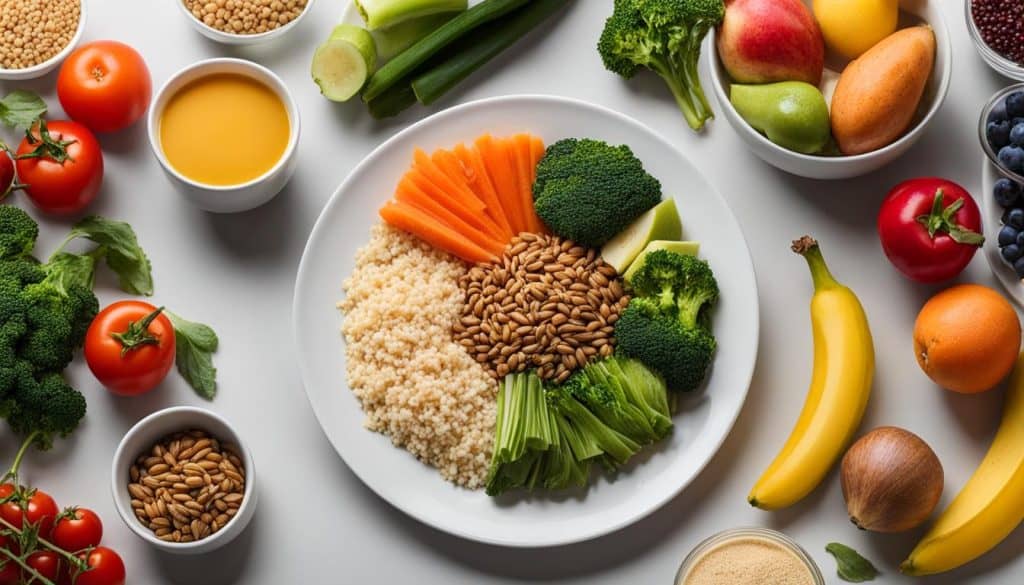
When aiming to meet calorie goals, it’s essential to focus on nutrient-dense foods that provide a wide range of vitamins, minerals, and macronutrients. Some examples of nutrient-dense foods include:
- Colorful fruits and vegetables
- Lean proteins such as chicken, turkey, fish, and tofu
- Whole grains like quinoa, brown rice, and oats
- Healthy fats from sources such as avocados, nuts, and olive oil
- Dairy or dairy alternatives for calcium and other essential nutrients
By incorporating these foods into your meals and snacks, you can not only meet your calorie goals but also ensure that you are getting the necessary nutrients to support your overall health and well-being.
Conclusion
Consuming 3000 calories in a day can be healthy when done with a focus on whole foods, meal planning, wise snacking, supplements, and calorie-dense drinks. By choosing nutrient-dense whole foods, we ensure that our bodies receive essential vitamins, minerals, and macronutrients. Planning meals in advance helps us meet our calorie goals and avoid unhealthy snacking, while wise snacking options can help us reach our calorie intake without compromising our progress. Supplements, such as protein powder or meal replacements, can be beneficial in adding calories and nutrients to our diet. Calorie-dense drinks like smoothies and fruit juices provide a quick and easy source of additional calories.
Personalizing our calorie intake based on individual needs and goals is essential. It is important to find the right balance that supports our energy needs while preventing nutritional deficiencies. Prioritizing balanced nutrition by including a variety of food groups ensures that we maintain overall health and well-being. Remember, moderation is key when consuming 3000 calories a day, and it is always advisable to consult a healthcare professional or registered dietitian for personalized advice.
FAQ
Is consuming 3000 calories in a day healthy?
Consuming 3000 calories in a day can be healthy for individuals engaged in high-intensity activities to support energy needs. It is important to focus on whole foods and maintain a balanced diet.
How many calories should athletes consume?
The recommended calorie intake for athletes may vary based on their specific sport and training regimen. It is best to consult with a nutritionist or dietitian to determine individual calorie needs.
What are whole foods?
Whole foods are nutrient-dense foods that provide essential vitamins, minerals, and macronutrients. Examples include fruits, vegetables, lean proteins, and whole grains.
How can I plan my meals in advance?
Planning meals in advance ensures calorie goals are met and helps avoid unhealthy snacking. It’s important to include a source of protein, healthy fats, and complex carbohydrates in each meal.
What are some healthy snack options?
Healthy snack options include Greek yogurt with berries and granola, trail mix with nuts and dried fruit, apple slices with almond butter, and hummus with veggies.
Can supplements help meet calorie goals?
Yes, supplements such as protein powder, weight gainers, and meal replacements can help add calories and nutrients to the diet. It’s important to choose high-quality supplements made from quality ingredients.
How can I add calories through drinks?
Calorie-dense beverages like smoothies, protein shakes, and fruit juices can provide a quick and easy source of calories. It’s important to choose healthy options without excessive sugar and additives.
What is the recommended calorie intake for weight loss?
Calorie intake for weight loss should be personalized based on individual factors. It is important to choose a moderate calorie deficit that supports gradual, sustainable weight loss while avoiding nutritional deficiencies.
What are the general calorie recommendations?
General calorie recommendations exist based on age and gender. Women aged 19-30 may need 2000-2400 calories per day, while men in the same age group may need 2400-3000 calories per day. These recommendations should be personalized based on individual factors.