
In this article, I will explore the showdown between intuitive eating and calorie counting to determine which method is better for health and weight management. We will examine the benefits of each approach and compare their effectiveness in helping individuals achieve their goals and maintain a healthy relationship with food.
Key Takeaways – Is Intuitive Eating Better Than Calorie Counting?
- Intuitive eating and calorie counting are two different approaches to achieving a healthy lifestyle.
- Intuitive eating focuses on developing a deeper understanding of hunger cues and making food choices based on what feels good for your body.
- Calorie counting involves tracking and monitoring the number of calories consumed to achieve specific weight or health goals.
- Both methods have their benefits and limitations, and finding a balance that suits your individual needs and goals is key.
- Consider your lifestyle, preferences, and dietary requirements when deciding which approach to adopt.
- Combining intuitive eating and calorie counting can provide a personalized and sustainable approach to healthy eating.
- Remember that each individual’s journey towards optimal health is unique, and it’s essential to find an approach that works best for you.
The Pitfalls of Calorie Counting
When it comes to tracking our daily calorie intake, calorie counting has long been regarded as a reliable method. However, there are several pitfalls that we need to consider when relying solely on this approach. Let’s explore the potential inaccuracies and limitations of calorie counting.
Food Portion Sizes: One of the challenges with calorie counting is accurately estimating food portion sizes. While standard measurements exist, they may not always align with the exact portions we consume. This discrepancy can significantly impact the accuracy of calorie calculations and lead to inaccurate estimations of energy intake.
Label Inaccuracies: Another factor to consider is the accuracy of calorie counts listed on food labels. Studies have shown that these values may not always be entirely precise. Manufacturers can make mistakes or use generalizations when determining calorie content. Therefore, relying solely on food labels can result in inaccuracies in our calorie calculations.
Cooking and Processing Effects: The way food is prepared can also affect the number of calories we absorb. Cooking and processing can alter the chemical structure of foods, making it more challenging to accurately estimate their calorie content. Factors such as the method of cooking, cooking time, and the addition of oils or sauces can all influence the final calorie count.
Calorie Estimation: The foundation of calorie counting relies on the Atwater factors, which assign calorie values to macronutrients. However, these factors may not be as precise as previously thought. Variations can occur based on factors such as food composition, individual metabolism, and gut microbiota. These uncertainties can introduce inaccuracies when estimating calorie intake.
Considering these factors, it becomes evident that calorie counting may not provide the level of accuracy we assume. Additionally, accurately determining our individual calorie needs can be complex and time-consuming. So, while calorie counting can be a helpful tool, it is important to be aware of its limitations.
| Challenges of Calorie Counting | Impact |
|---|---|
| Food Portion Sizes | Inaccurate estimations of energy intake |
| Label Inaccuracies | Misleading calorie calculations |
| Cooking and Processing Effects | Altered calorie content |
| Calorie Estimation | Variations in accuracy |
It is crucial to approach calorie counting with a balanced perspective, understanding its limitations and potential inaccuracies. By combining it with other strategies and mindful eating practices, we can achieve a more holistic approach to managing our health and wellness.
Embracing Intuitive Eating
When it comes to developing a healthy relationship with food, intuitive eating offers a refreshing approach. With a focus on self-discovery and mindfulness, intuitive eating encourages individuals to tune into their bodies and make choices based on their unique needs. By embracing intuitive eating, one can cultivate appetite awareness and make informed decisions about nourishing themselves.
Intuitive eating is centered around recognizing hunger and fullness cues, as well as understanding how different foods impact energy levels and overall well-being. It emphasizes the importance of being present and mindful during meals, allowing individuals to fully savor and appreciate the eating experience.
Through intuitive eating, one can develop a deeper understanding of their body and its signals. It encourages a holistic approach to food choices, considering factors beyond just nutrition. By embracing self-discovery, individuals can explore the emotional, mental, and physical aspects of their relationship with food.
Building Appetite Awareness
A key element of intuitive eating is developing appetite awareness. This involves paying attention to hunger and fullness cues, enabling individuals to better understand their body’s needs. By regularly checking in with their appetite, people can make choices that align with their level of hunger, ultimately promoting satisfaction and preventing overeating.
Listening to your body’s hunger and fullness cues allows for a more balanced and sustainable approach to eating. It eliminates strict rules and restrictions, emphasizing the importance of honoring cravings and finding satisfaction in food choices.
“Intuitive eating is about building trust in yourself and your body, and fostering a positive relationship with food.” – Jane Smith, Registered Dietitian
Mindful Eating for a Healthy Lifestyle
Mindful eating is a cornerstone of intuitive eating. It involves being fully present in the moment and paying attention to the sensory experience of eating. By engaging all the senses, individuals can savor each bite and develop a deeper appreciation for the food they consume.
Mindful eating encourages individuals to slow down and savor their meals, fostering a greater sense of enjoyment and satisfaction. This practice can also help individuals become more attuned to the subtle signals their bodies provide, such as the difference between physical hunger and emotional cravings.
By incorporating mindfulness into mealtimes, individuals can make more intentional and nourishing choices, leading to a healthier lifestyle overall.
The Benefits of Self-Discovery
One of the most powerful aspects of intuitive eating is the emphasis on self-discovery. By listening to their bodies, individuals can uncover their unique preferences, needs, and desires when it comes to food. It allows for a more individualized and personalized approach to eating, empowering individuals to make choices that truly align with their well-being.
By embracing self-discovery, individuals can break free from the confines of rigid diets and embrace a more flexible and intuitive way of eating. It encourages a shift away from external rules and regulations and cultivates a sense of empowerment and autonomy in one’s relationship with food.
Through self-discovery, individuals can explore the foods that truly nourish and satisfy them, promoting a healthier and more enjoyable eating experience.
| Benefits of Embracing Intuitive Eating | Benefits of Embracing Mindful Eating |
|---|---|
| 1. Cultivates a healthy relationship with food | 1. Enhances appreciation for food |
| 2. Promotes satisfaction and pleasure in eating | 2. Helps to distinguish between physical hunger and emotional cravings |
| 3. Develops appetite awareness and prevents overeating | 3. Encourages slower eating and improved digestion |
| 4. Allows for self-discovery and individualized choices | 4. Supports a healthier lifestyle and overall well-being |
The Benefits of Intuitive Eating
Intuitive eating goes beyond just managing weight. Research suggests that it has a significant impact on mental health, leading to reduced stress levels and improved body image. By embracing intuitive eating, individuals can enjoy a wide variety of foods without guilt or restriction, ultimately leading to increased satisfaction and overall well-being. This approach promotes a sustainable way of eating that focuses on nourishing the body and honoring its unique needs.
One of the key benefits of intuitive eating is its positive impact on mental health. By listening to our bodies and eating based on hunger and fullness cues, we can reduce stress levels associated with rigid dieting and calorie counting. Intuitive eating encourages a more relaxed and enjoyable relationship with food, allowing individuals to savor their meals without anxiety or guilt.
Moreover, intuitive eating has been found to improve body image. Rather than focusing on external standards or societal expectations, intuitive eating encourages individuals to appreciate and care for their bodies as they are. By prioritizing self-acceptance and self-care, this approach helps individuals develop a positive body image and cultivate a healthier relationship with their physical selves.
“Intuitive eating emphasizes the importance of self-compassion and being attuned to our bodies’ needs,” explains Dr. Evelyn Tribole, co-author of the groundbreaking book “Intuitive Eating.” “When we let go of strict rules and judgments around food, we begin to trust ourselves and make choices that truly nourish and satisfy us.”
Intuitive eating promotes a sustainable and balanced approach to eating. Rather than following rigid meal plans or restrictive diets, it encourages individuals to focus on nourishing their bodies and listening to their internal cues. This approach not only contributes to long-term health but also fosters a better understanding of individual nutritional needs.
Improved Mental Health
- Reduced stress levels
- Freedom from rigid dieting
- Enhanced self-esteem
Enhanced Body Image
- Positive self-image
- Greater self-acceptance
- Improved self-confidence
A Sustainable Approach
- Flexible and realistic
- Focuses on nourishment and satisfaction
- Encourages self-care and self-compassion
By embracing intuitive eating, individuals can experience the numerous benefits it offers. From improved mental health to enhanced body image, this approach promotes a healthier and more sustainable relationship with food. Letting go of diet culture and focusing on intuitive eating can lead to a more enjoyable and fulfilling journey toward overall well-being.

The Pitfalls of Intuitive Eating
While intuitive eating offers numerous benefits, it may not be suitable for everyone. One potential pitfall is the lack of structure, which may lead to overeating or not meeting nutritional needs.
Without any guidelines, individuals may struggle to find balance in their food choices and may rely solely on cravings and impulses.
Additionally, intuitive eating may not address specific dietary requirements for certain health conditions or goals, such as managing diabetes or losing weight.
To illustrate the potential pitfalls of intuitive eating, consider the following:
- Lack of structure: The intuitive eating approach promotes listening to internal cues, which may not always provide clear guidance on portion sizes, meal frequency, or nutrient balance.
- Potential for overeating: Without external guidelines, individuals may eat beyond their body’s needs, leading to weight gain and feelings of discomfort.
- Nutritional imbalances: Intuitive eating may not automatically prioritize nutritional adequacy, potentially resulting in deficiencies or imbalances in essential nutrients.
It’s important to note that intuitive eating is not a one-size-fits-all approach, and careful consideration should be given to individual circumstances and goals.
“While intuitive eating can be empowering and liberating for some, it may not be the best approach for those with specific dietary needs or health conditions.”
It’s essential to find a balance that works for you, whether that involves incorporating some structure with intuitive eating or seeking professional guidance to ensure your dietary needs are met.
Finding a Balance: Combining Intuitive Eating and Calorie Counting
Instead of viewing intuitive eating and calorie counting as opposing methods, it can be beneficial to find a balance that suits individual needs and goals. For some individuals, starting with calorie counting to build knowledge and awareness of portion sizes and macronutrient breakdowns can be helpful.
Once a foundation is established, transitioning to intuitive eating can foster a healthier relationship with food while still maintaining an understanding of nutritional values and weight management goals.
This balanced approach allows for flexibility and personalization, ensuring that individual needs are met and that a goal-specific approach can be adopted. By combining the principles of intuitive eating and the knowledge gained from calorie counting, individuals can create a sustainable and customizable eating plan that supports their overall well-being.
Considerations for Athletes and Special Health Conditions
Athletes and individuals with specific health conditions may require a more tailored approach when it comes to their eating habits. For athletes, calorie counting may be necessary to meet specific performance goals and ensure proper fueling. Similarly, individuals with health conditions such as diabetes or food allergies may need to track their food intake to manage their condition effectively.
In these cases, finding a balance between intuitive eating and calorie counting can be achieved by individualizing the approach to accommodate specific dietary requirements and goals. By considering the unique needs of athletes and individuals with health conditions, a personalized approach can be established to support their optimal performance and well-being.
| Factors to consider for athletes | Factors to consider for individuals with health conditions |
|---|---|
|
|
For athletes, counting calories can help ensure they are consuming enough energy to support their training and maximize their athletic performance. By tracking macronutrient intake and overall caloric balance, athletes can fine-tune their nutrition to meet their specific goals.
Individuals with health conditions, such as diabetes or food allergies, may need to monitor their food intake more closely. Calorie counting can be a valuable tool in managing blood sugar levels and avoiding foods that may trigger adverse reactions.
However, it’s important to note that calorie counting alone may not be sufficient for optimal health and performance. Incorporating intuitive eating principles can provide a holistic approach that considers both physical and emotional aspects of eating. This can help athletes and individuals with health conditions develop a healthy relationship with food, reduce stress, and enhance overall well-being.
By tailoring the approach to individual dietary requirements and goals, athletes and individuals with health conditions can find a balanced approach that meets their specific needs. Personalization is key in maintaining a sustainable and healthy lifestyle.
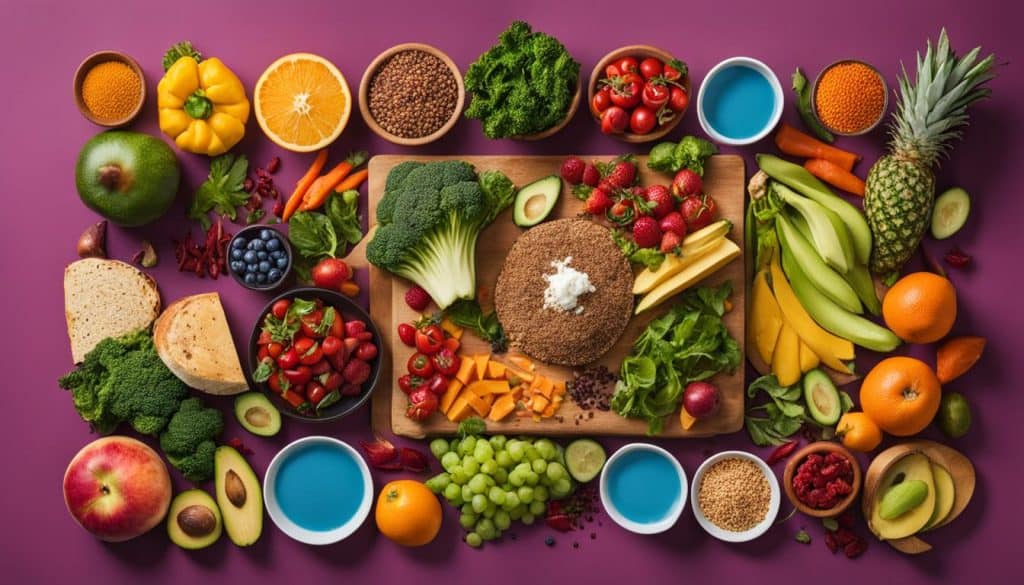
Personalization and Flexibility: The Key to Sustainable Eating
The key to sustainable and healthy eating lies in personalization and flexibility. Every individual has unique needs, preferences, and goals when it comes to their relationship with food. By combining the principles of intuitive eating and the knowledge gained from calorie counting, individuals can create a personalized approach that works for them. This flexibility allows for enjoyment of a wide variety of foods while still maintaining awareness of nutritional values and portion sizes.
Intuitive eating emphasizes developing a deeper understanding of one’s body and its signals, while calorie counting provides knowledge about the nutritional content of foods. By combining these approaches, individuals can tailor their eating habits to align with their specific needs and goals. This personalized approach recognizes that there is no one-size-fits-all solution when it comes to healthy eating.
Personalization involves being mindful of individual dietary preferences, cultural backgrounds, and lifestyle factors. It allows individuals to choose foods that they genuinely enjoy and that nourish their bodies. With a personalized approach, individuals can create a sustainable eating pattern that is enjoyable and aligned with their overall well-being.
Flexibility is another crucial aspect of sustainable eating. It allows individuals to adapt their food choices to different situations, preferences, and evolving goals. Rather than rigidly adhering to strict rules or eliminating entire food groups, flexibility enables individuals to make informed decisions that prioritize both pleasure and nutrition. This approach fosters a positive relationship with food and reduces the likelihood of feeling deprived or restricted.
The combination of personalization and flexibility promotes a sustainable approach to eating. It allows individuals to adopt a healthy lifestyle that they can maintain over the long term. By honoring their unique needs and preferences, individuals can cultivate a positive and enjoyable relationship with food, supporting their overall well-being and happiness.
Benefits of Personalization and Flexibility:
- Increased adherence to healthy eating habits
- Promotes a positive relationship with food
- Reduces feelings of guilt or deprivation
- Supports mental and emotional well-being
- Enhances enjoyment of meals
- Allows for inclusion of favorite foods
- Accommodates individual dietary needs and preferences
- Fosters long-term success in maintaining healthy habits
When it comes to sustainable eating, personalization and flexibility are paramount. By combining the principles of intuitive eating and calorie counting, individuals can create a personalized approach that works for them. This allows for the enjoyment of a wide variety of foods while still maintaining awareness of nutritional values and portion sizes. Incorporating personalization and flexibility into one’s eating habits promotes a sustainable and healthy relationship with food, supporting long-term well-being. It’s important to remember that every individual is unique, and finding what works best for you is key.
Conclusion
In the ongoing debate between intuitive eating and calorie counting, it is important to recognize that both approaches have their merits and limitations. Rather than declaring a clear winner, it is crucial to find a balance and personalized approach that aligns with individual needs and goals. By combining the principles of intuitive eating and the knowledge gained from calorie counting, individuals can create a sustainable and healthy approach to eating that promotes overall well-being and supports their unique journey towards optimal health.
Intuitive eating empowers individuals to develop a deeper understanding of their bodies and their relationship with food. By cultivating appetite awareness and practicing mindful eating, people can make informed choices that prioritize satisfaction, pleasure, and nutrition. This personalized approach fosters a positive mindset and helps individuals maintain a healthy balance, both physically and mentally.
On the other hand, calorie counting provides valuable information about the nutritional composition of foods and can be particularly useful for individuals with specific fitness or health objectives. It can help raise awareness about portion sizes and macronutrient breakdowns, and guide individuals in achieving weight management goals. By integrating the knowledge gained from calorie counting into their intuitive eating practice, individuals can navigate their unique dietary requirements without sacrificing their intuitive instincts.
In conclusion, intuitive eating and calorie counting are not opposing methods, but rather complementary tools that can be combined to create a personalized and sustainable approach to eating. Finding the right balance allows individuals to enjoy a wide variety of foods, honor their body’s needs, and achieve their health and wellness goals in a way that is both intuitive and informed.
FAQ
Is calorie counting accurate?
Calorie counting may not be as accurate as we think due to various factors such as food portion sizes that may not always align with standard measurements, inaccurate calorie counts listed on food labels, and the effects of cooking and processing on the number of calories absorbed from certain foods.
What is intuitive eating?
Intuitive eating is a mindful approach to eating that focuses on developing a deeper understanding of one’s body and its signals. It encourages individuals to pay attention to their hunger and fullness cues and the effects of different foods on their energy levels and overall well-being.
What are the benefits of intuitive eating?
Intuitive eating offers numerous benefits beyond just weight management. It can have a positive impact on mental health by reducing stress and improving body image. Embracing intuitive eating allows individuals to enjoy a wide variety of foods without guilt or restriction, leading to increased satisfaction and overall well-being.
What are the pitfalls of intuitive eating?
One potential pitfall of intuitive eating is the lack of structure, which may lead to overeating or not meeting nutritional needs. Without any guidelines, individuals may struggle to find balance in their food choices and may rely solely on cravings and impulses. Additionally, intuitive eating may not address specific dietary requirements for certain health conditions or goals.
Can intuitive eating and calorie counting be combined?
Yes, it is possible to find a balance between intuitive eating and calorie counting that suits individual needs and goals. Starting with calorie counting to build knowledge and awareness of portion sizes and macronutrient breakdowns can be helpful. Once a foundation is established, transitioning to intuitive eating can foster a healthier relationship with food while still maintaining an understanding of nutritional values and weight management goals.
Are there considerations for athletes and individuals with special health conditions?
Yes, athletes and individuals with specific health conditions may require a more tailored approach when it comes to their eating habits. For athletes, calorie counting may be necessary to meet specific performance goals and ensure proper fueling. Similarly, individuals with health conditions such as diabetes or food allergies may need to track their food intake to manage their condition effectively. In these cases, a balance between intuitive eating and calorie counting can be achieved by individualizing the approach to accommodate specific dietary requirements and goals.
What is the key to sustainable eating?
The key to sustainable and healthy eating lies in personalization and flexibility. By combining the principles of intuitive eating and the knowledge gained from calorie counting, individuals can create a personalized approach that works for them. This flexibility allows for enjoyment of a wide variety of foods while still maintaining awareness of nutritional values and portion sizes.
Which method is better, intuitive eating or calorie counting?
In the debate between intuitive eating and calorie counting, there is no clear winner. Both methods have their advantages and limitations. The key is to find a balance and personalized approach that suits individual needs and goals. By combining the principles of intuitive eating and the knowledge gained from calorie counting, individuals can create a sustainable and healthy approach to eating that promotes overall well-being and supports their unique journey towards optimal health.