
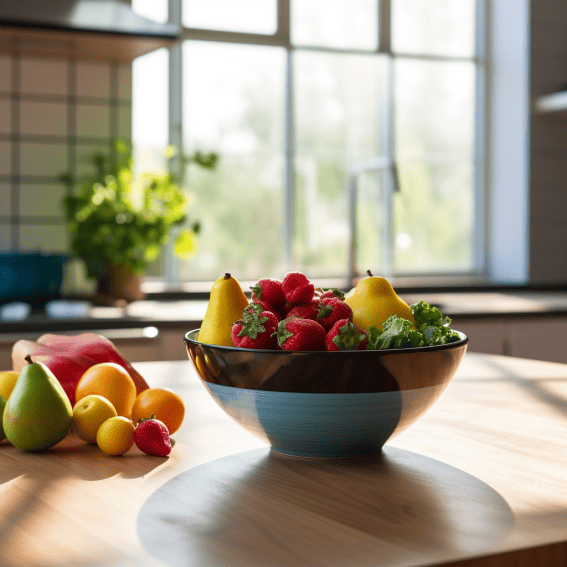
Are you tired of constantly thinking about what to eat to stay healthy? Do you feel like eating well requires too much effort?
As a nutritionist expert, I understand how overwhelming it can be to navigate through the sea of dietary advice and recommendations.
I created this guide to help you learn how to eat well without effort.
My goal is to simplify healthy eating and make it accessible to everyone, regardless of their lifestyle or dietary preferences.
When it comes to eating well, it’s easy to get bogged down by rules and restrictions.
But what if I told you that you could eat well without feeling like you’re on a diet? It’s like having a personal chef who prepares delicious and nutritious meals for you every day, without you having to lift a finger.
In this guide, I’ll share with you my tips and tricks for eating well without effort.
You’ll learn how to make healthy choices without sacrificing taste or convenience.
By the end, you’ll have a new perspective on healthy eating that will make it easier than ever to make nutritious choices.
KEY TAKEAWAY
How to eat well without effort?
Eating well doesn’t have to be a chore. (1)
By making simple swaps and incorporating healthy habits into your daily routine, you can effortlessly improve your diet and enjoy delicious, nutritious food.
How can I include more non-starchy vegetables in my meals?
As a nutritionist, I always recommend including more non-starchy vegetables in meals to promote a balanced diet.
Vegetables are low in calories, high in fiber, and packed with essential vitamins and minerals that our bodies need to function properly.
However, I understand that it can be challenging to incorporate these veggies into your diet.
But worry not, I have some tips and tricks to help you!
One way to include more non-starchy vegetables in your meals is to add them to dishes that you already enjoy.
For example, if you love pasta, try adding some zucchini noodles to your spaghetti for an added boost of nutrition.
Or, if you enjoy stir-fry, try adding some broccoli, mushrooms, and peppers to your next dish.
By adding vegetables to dishes that you already love, you’re more likely to eat them and enjoy them.
Another way to incorporate more non-starchy vegetables into your meals is to make them the star of the dish.
Try making a salad with a variety of greens, carrots, cucumbers, and tomatoes.
Or, make a vegetable soup with a mix of vegetables like butternut squash, carrots, celery, and onions.
By making vegetables the focus of your meal, you’ll be more likely to eat a variety of them and benefit from their nutritional content.
Lastly, make it a habit to snack on vegetables throughout the day.
Keep a container of raw carrots, cucumbers, or bell peppers in the fridge for easy access when you need a quick snack.
You can also try dipping them in hummus or guacamole for added flavor.
In summary, there are many ways to include more non-starchy vegetables in your meals.
By adding them to dishes you already love, making them the star of the dish, and snacking on them throughout the day, you can easily increase your intake and benefit from their nutritional content.
Remember, small changes can lead to big results over time!
Ways to cut down on portion sizes without feeling deprived
Portion control (2) can be a difficult task for many individuals who are trying to lose weight or maintain a healthy lifestyle.
However, there are several ways to cut down on portion sizes without feeling deprived.
One way is to use a smaller plate or bowl.
This allows you to fill up your plate with smaller portions and still feel like you have a full plate.
Another way is to eat slowly and mindfully.
This allows your brain to register when you are full and prevents overeating.
Additionally, you can pre-portion snacks and meals to avoid eating more than you need.
Examples of whole, unprocessed carbs to substitute for refined carbs
Refined carbs can cause a spike in blood sugar and may lead to weight gain and other health problems.
To substitute for refined carbs, choose whole, unprocessed carbs that are high in fiber and nutrients.
Examples include sweet potatoes, quinoa, brown rice, whole-grain bread, and fruits and vegetables.
These complex carbs are digested more slowly than refined carbs, providing a steady source of energy and keeping you feeling fuller for longer.
Additionally, try to avoid foods that are high in added sugars, such as soda and candy, and opt for natural sweeteners like honey or maple syrup.
Overall, making small changes to your eating habits can lead to big improvements in your health and well-being.
It’s important to listen to your body and make choices that feel sustainable and enjoyable.
If you need additional guidance, consider consulting a nutritionist or registered dietitian who can help tailor a plan to meet your individual needs.
How can I add more fruit to my morning routine?
Well, if you’re trying to add more fruit to your morning routine, you’ve come to the right place! As a nutritionist expert, I recommend starting small and building up.
For example, try adding a banana to your breakfast cereal or oatmeal.
Or, if you like smoothies, add some berries or a sliced pear for a delicious and nutritious morning drink.
Another idea is to mix sliced fruit into plain yogurt, or even add a few slices of apple to your peanut butter toast.
It’s important to remember that fruit is packed with vitamins, fiber, and antioxidants, so incorporating it into your morning routine is a great way to start your day off on the right foot.
And don’t forget to make sure you’re eating a variety of colors and types of fruit to get the most nutritional benefit.
More on how to make eating healthy a habit.
What are some foods high in omega-3s that I can incorporate into my diet?
Omega-3s are an essential fatty acid that is important for brain and heart health.
Some great sources of omega-3s include fatty fish like salmon, sardines, and mackerel.
If you’re not a fan of fish, other good sources include flaxseed, chia seeds, and walnuts.
You can sprinkle some flaxseed or chia seeds on your cereal or yogurt, or add some walnuts to your oatmeal or salad.
It’s important to note that omega-3s are not produced by the body, so it’s important to incorporate them into your diet to reap their benefits.
Omega-3s are also sensitive to heat, so try to avoid cooking them at high temperatures to retain their nutritional value.
Incorporating omega-3 rich foods into your diet is a great way to support your overall health.
And, if you’re looking for an additional boost, consider taking a high-quality omega-3 supplement.
In summary, adding fruit to your morning routine can be as simple as adding a banana to your breakfast cereal, or mixing in some berries to your smoothie.
And when it comes to incorporating more omega-3s into your diet, try adding some fatty fish or nuts to your meals, or sprinkling some flaxseed or chia seeds on your food.
Remember, small changes can make a big difference when it comes to your health!
More on how to build a healthy meal.
Conclusion
Eating well doesn’t have to be a chore.
With the right mindset and a few simple strategies, you can effortlessly make healthy choices that will benefit your body and mind.
By following the tips I’ve shared in this guide, you’ll be able to enjoy delicious and nutritious meals without feeling like you’re sacrificing anything.
So go ahead and indulge in that bowl of fresh fruits or grilled chicken, and know that you’re doing something great for yourself.
Remember, healthy eating is a journey, not a destination.
Keep exploring, experimenting, and enjoying the process!
More on how to eat healthy if you hate cooking.
Frequently Asked Questions
What are some healthy snack options to keep on hand?
When you’re feeling snacky, it’s easy to reach for a bag of chips or a candy bar.
But those kinds of snacks can be filled with empty calories and added sugars.
Instead, try keeping some healthy snack options on hand.
One great option is fresh fruit, like apples, bananas, or berries.
You can also try keeping some cut-up veggies like carrots, celery, or bell peppers in the fridge.
These make great snacks when paired with some hummus or peanut butter.
Another option is to make your trail mix with nuts, seeds, and dried fruit.
Just make sure to watch your portions!
How can I make my favorite comfort foods healthier?
Comfort foods can be great for lifting your mood, but they’re often high in calories, fat, and sodium.
Luckily, there are some easy ways to make them healthier! For example, try swapping out white flour for whole wheat flour when making baked goods like bread or muffins.
You can also try using low-fat dairy products instead of full-fat options or using spices and herbs instead of salt for flavor.
Another option is to add some extra veggies to your favorite comfort foods.
For example, try adding some spinach or mushrooms to your mac and cheese, or some extra veggies to your pizza toppings.
What are some easy ways to add more vegetables to my diet?
Vegetables are an important part of a healthy diet, but it can be hard to get enough of them.
One easy way to add more veggies to your diet is to sneak them into other foods.
For example, try adding some spinach or kale to your morning smoothie, or mixing some grated zucchini into your pasta sauce.
You can also try making veggie-based soups or stews or adding extra veggies to your stir-fries.
Another option is to keep some pre-cut veggies like carrots or cucumber on hand for easy snacking.
References
- https://www.lispine.com/blog/22-simple-ways-get-healthier-minimal-effort/
- https://www.healthline.com/nutrition/portion-control