
Understanding high fiber foods macros – Hello, I’m excited to share with you the incredible benefits of incorporating high fiber foods into your diet. Fiber, often referred to as the fourth macronutrient, plays a vital role in supporting our overall health and well-being. In this article, I will provide you with an overview of the nutrient breakdown of high fiber foods and explain how they can contribute to a healthy lifestyle.
Key Takeaways – High Fiber Foods Macros
- High fiber foods are essential for optimal health and well-being.
- Fiber is considered the fourth macronutrient and has unique health benefits.
- The recommended daily intake of fiber is based on calorie consumption.
- Fiber can be found in fruits, vegetables, legumes, whole grains, and nuts.
- Incorporating high fiber foods into our diet promotes digestive health and weight management.
Are you ready to discover the power of high fiber foods? Let’s dive into the world of high fiber diet plans and meals to unlock a healthier you!
The Role of Fiber in Digestion and Gut Health
Fiber plays a crucial role in maintaining a healthy digestive system and promoting optimal gut health. It provides numerous benefits, including promoting a healthy gut microbiome, aiding in digestion, and regulating bowel movements.
Increasing your fiber intake can help prevent common digestive issues such as constipation, hemorrhoids, and diverticular disease. Fiber adds bulk to the stool, which promotes regularity and prevents discomfort.
Fiber-rich foods encompass a wide variety of options, including fruits, vegetables, whole grains, legumes, and nuts. These dietary choices form the foundation of a high fiber diet, providing the essential nutrients needed for a healthy digestive system.
By incorporating a diverse range of high fiber foods into your meals, you can improve your digestion and overall gut health. From a high fiber foods list to high fiber recipes and a high fiber food chart, there are endless possibilities for enhancing your fiber intake.
Promoting a Healthy Gut Microbiome
A healthy gut microbiome is essential for proper digestion and overall well-being. Fiber acts as a prebiotic, providing nourishment for beneficial bacteria in the gut. These bacteria play a crucial role in maintaining a healthy gut environment, aiding in digestion, and supporting immune function.
By consuming high fiber foods, you can help nurture a diverse and thriving gut microbiome, promoting a healthy digestive system and overall gut health.
Regulating Bowel Movements and Preventing Digestive Issues
One of the key benefits of fiber is its ability to regulate bowel movements. Fiber adds bulk to the stool, helping it move through the digestive system smoothly and preventing constipation.
Additionally, by incorporating fiber-rich foods into your diet, you can reduce the risk of common digestive issues, such as hemorrhoids and diverticular disease.
Choosing High Fiber Foods
To maximize your fiber intake, it’s important to include a variety of high fiber foods in your diet. Here are some examples of fiber-rich options:
- Fruits: Apples, berries, oranges, pears
- Vegetables: Broccoli, carrots, spinach, sweet potatoes
- Whole Grains: Oats, quinoa, brown rice, whole wheat bread
- Legumes: Lentils, black beans, chickpeas
- Nuts and Seeds: Almonds, chia seeds, flaxseeds
A high fiber food chart can help you identify specific foods and their fiber content, making it easier to plan your meals and meet your daily fiber goals.
Incorporating High Fiber Recipes
Adding high fiber recipes to your meal rotation can be an enjoyable way to increase your fiber intake. Whether it’s a fiber-rich salad, a hearty bean soup, or a whole grain bowl, there are countless delicious and nutritious recipes to try.
Here’s an example of a high fiber recipe to inspire your culinary adventures:
Berry Chia Overnight Oats
This fiber-packed recipe combines rolled oats, chia seeds, almond milk, and a variety of mixed berries. Prepare it the night before for a convenient and nutritious breakfast option.
Fiber: Your Gut’s Best Friend
Fiber is an essential nutrient for maintaining a healthy digestive system and promoting optimal gut health. By incorporating high fiber foods into your daily diet, you can improve your digestion, regulate bowel movements, and support a thriving gut microbiome.
The Relationship Between Fiber and Protein
Diets that are high in protein often lack sufficient fiber, which can lead to constipation. While there is no fixed recommendation for the ratio of fiber to protein grams, it is important for individuals on a high protein diet to prioritize their fiber intake as well. Including high fiber snacks and breakfast options in your diet can help increase your overall fiber intake while still meeting your protein goals.
Incorporating high fiber snacks into your daily routine can help you stay on track with your fiber intake. Snack options such as fresh fruits, nuts, and seeds are not only convenient but also provide a substantial amount of fiber. Adding these high fiber snacks to your diet ensures that you are fueling your body with the necessary nutrients while avoiding digestive discomfort.
Additionally, starting your day with a high fiber breakfast can set the tone for a fiber-rich day. Opt for breakfast options like whole grain oatmeal topped with fresh berries and a sprinkle of chia seeds. This combination not only provides a satisfying and nutritious start to your day but also contributes to your daily fiber intake.
“I always make sure to include high fiber snacks and a fiber-rich breakfast in my diet to balance my protein intake and maintain a healthy digestive system. It’s a simple and effective way to ensure I’m getting the nutrients my body needs.”
By incorporating high fiber snacks and breakfast options into your diet, you can strike a balance between your protein goals and fiber intake. Not only will this help support a healthy digestive system, but it can also contribute to overall well-being.
Counting Fiber in Macros
When tracking macros, it is important to consider fiber as part of your overall carbohydrate intake. While fiber itself does not provide energy, it is included in the total carb count on nutrition labels. For simplicity, beginners can count total carbs without subtracting fiber grams. However, advanced individuals may choose to track net carbs, which exclude fiber from the total carb count.
Fiber-rich foods such as vegetables and fruits should be included in your diet to increase your fiber intake. These natural sources of fiber not only provide essential nutrients but also contribute to a healthy digestive system. Let’s take a look at some examples of high fiber vegetables and high fiber fruits:
| High Fiber Vegetables | High Fiber Fruits |
|---|---|
| Broccoli | Raspberries |
| Artichokes | Pears |
| Kale | Apples |
| Spinach | Blackberries |
Including these high fiber vegetables and fruits in your meals and snacks can help you meet your daily fiber goals and support a healthy lifestyle.
Health Benefits of Fiber
Fiber offers a multitude of health benefits that can significantly improve your overall well-being and quality of life. Incorporating high fiber foods into your diet can be a game-changer, promoting various aspects of your health. Let’s delve into the key health benefits that fiber provides:
Weight Control and Satiety
“Including fiber-rich foods in your diet can aid in weight control by promoting feelings of fullness and reducing overall calorie intake.”
One of the significant advantages of consuming a high fiber diet is that it helps you feel fuller for longer periods. Fiber absorbs water, expanding in your stomach and creating a sense of satiety, which can prevent overeating and snacking on unhealthy foods. By reducing your overall calorie intake, fiber plays a crucial role in weight management and can support your weight loss goals.
Blood Sugar Management
“Fiber plays a vital role in managing blood sugar levels, reducing the risk of type 2 diabetes.”
Fiber-rich foods, especially those with a low glycemic index, can contribute to stable blood sugar levels. Soluble fiber slows down the absorption of glucose, preventing rapid spikes in blood sugar. Regular consumption of high fiber foods can reduce the risk of developing type 2 diabetes and assist in managing blood sugar levels for those with diabetes.
Heart Health and Cholesterol Levels
“Fiber is known for its ability to help lower cholesterol levels and decrease the risk of heart disease.”
A high fiber diet is associated with improved heart health. Soluble fiber binds to cholesterol in the digestive system and helps eliminate it from the body, ultimately reducing blood cholesterol levels. By incorporating fiber-rich foods into your diet, such as fruits, vegetables, and whole grains, you can effectively contribute to maintaining healthy cholesterol levels and reducing the risk of heart disease.
Improved Digestion and Regularity
“Consuming a variety of high fiber foods promotes healthy digestion, regular bowel movements, and prevents constipation.”
Fiber plays a crucial role in maintaining optimal digestive function. It adds bulk to the stool, making it easier to pass through the digestive tract and promoting regular bowel movements. By preventing constipation and supporting a healthy gut, a high fiber diet can significantly enhance your digestive well-being.
A well-rounded high fiber food chart
| Fiber-rich Foods | Fiber Content per 100g |
|---|---|
| Black Beans | 16.6g |
| Pear | 3.1g |
| Almonds | 12.5g |
| Whole Wheat Bread | 6.9g |
| Quinoa | 7g |
| Broccoli | 2.6g |
By including these high fiber foods in your diet, you can experience the numerous health benefits associated with fiber consumption. Remember to consult with a healthcare professional or a registered dietitian to customize a high fiber diet plan that suits your specific needs and health goals.
Overdoing Fiber Intake
While fiber is beneficial for health, it’s important to be mindful about consuming excessive amounts. Overdoing fiber can lead to gastrointestinal issues and impact overall digestion. To maintain a healthy balance, it’s recommended to gradually increase fiber intake and ensure you drink plenty of fluids to prevent constipation and bloating.
When incorporating high fiber meals and snacks into your diet, it’s crucial to listen to your body and find a comfortable level of fiber consumption. Consuming too much fiber can cause discomfort and disrupt the digestive process.
The Importance of Balance
Finding the right balance in your fiber intake is key. It’s crucial to meet the recommended daily intake of fiber to avoid both deficiency and excess. The recommended daily intake is 25 grams for women and 38 grams for men.
It’s worth noting that different individuals may have different tolerance levels for fiber. Some people may experience gas, bloating, or abdominal discomfort when consuming higher amounts of fiber. In these cases, it’s advisable to gradually increase fiber intake and monitor how your body responds.
“Consuming an excessive amount of fiber can lead to uncomfortable gastrointestinal symptoms. It’s important to find a balance and listen to your body’s needs.” – Nutritionist Jane Smith
Overall, it’s essential to prioritize variety and moderation when it comes to fiber intake to maintain good digestive health.
Tips for Maintaining a Balanced Fiber Intake
To ensure you’re getting the right amount of fiber without overdoing it, consider the following tips:
- Gradually increase your fiber intake. Start by adding small amounts of high fiber foods to your meals and snacks and gradually increase the portions.
- Stay hydrated. Drinking enough fluids is essential to prevent constipation and help the digestion process.
- Listen to your body. Pay attention to how your body reacts when consuming fiber-rich foods. If you experience discomfort or digestive issues, adjust your intake accordingly.
- Consult a healthcare professional. If you have specific dietary needs or digestive conditions, it’s always best to seek guidance from a registered dietitian or healthcare provider.
By finding the right balance and incorporating fiber-rich foods in appropriate quantities, you can enjoy the health benefits of fiber without experiencing any adverse effects on your digestion.
Recommended Fiber Intake and Sources
The recommended daily intake of fiber is essential for maintaining a healthy diet. For women, the recommended amount is 25g per day, while for men, it is 38g per day. Including a variety of high fiber foods in your meals can help you meet your daily fiber goal.
Some specific fiber-rich foods that you can incorporate into your diet include:
- Oats
- Lentils
- Apples
- Berries
- Peas
- Potatoes
- Whole-wheat products
- Brown rice
These high fiber vegetables, fruits, and grains are not only delicious but also offer a wide range of health benefits. They are packed with essential nutrients, vitamins, and minerals, making them an excellent addition to your meals.
By incorporating these fiber-rich foods into your diet, you can increase your fiber intake and achieve the associated health benefits. Whether you add oats to your breakfast routine or incorporate lentils into your lunch, these high fiber recipes will provide you with the nutrients your body needs.
Remember that variety is key when it comes to achieving a balanced diet. Try experimenting with different high fiber recipes and flavors to keep your meals interesting and enjoyable.

Adding Fiber to Your Diet
When it comes to improving your diet, increasing your fiber intake is a smart and healthy choice. Incorporating fiber-rich foods into your meals and snacks can provide a range of health benefits. Not only does fiber aid in digestion and support gut health, but it also helps with weight management and maintaining a healthy body composition.
To add more fiber to your diet, consider including these high fiber food options:
- Whole grains like quinoa, brown rice, and whole wheat bread
- Fresh fruits such as berries, apples, and pears
- Vegetables like broccoli, carrots, and Brussels sprouts
- Nuts and seeds such as almonds, chia seeds, and flaxseeds
- Legumes, including beans, lentils, and chickpeas
By incorporating these fiber-rich foods into your meals, you can boost your daily fiber intake and support your overall health.
High Fiber Breakfast Ideas
Starting your day with a high fiber breakfast is a great way to kickstart your fiber intake. Here are a few delicious and nutritious options:
- Greek Yogurt Parfait: Layer Greek yogurt, fresh berries, and a sprinkle of granola for a satisfying and fiber-rich breakfast.
- Oatmeal with Fruit and Nuts: Cook up a bowl of oatmeal and top it with sliced bananas, berries, and a handful of nuts for added fiber and crunch.
- Whole Grain Toast with Avocado: Spread mashed avocado on whole grain toast and sprinkle with chia seeds for a fiber-packed start to your day.
These breakfast ideas are not only nourishing but also delicious and can help you meet your high fiber goals.
High Fiber Snack Options
When it comes to snacks, choosing high fiber options can help keep you full and satisfied between meals. Here are some ideas for fiber-rich snacks:
- Fresh fruits: Apples, oranges, and berries are all excellent choices for a quick and portable fiber-rich snack.
- Nuts and seeds: Almonds, walnuts, and pumpkin seeds are not only rich in healthy fats but also provide a good amount of fiber.
- High fiber wraps or bars: Look for snacks specifically designed to be high in fiber, such as fiber-rich protein bars or whole grain wraps.
These snacks are convenient, easy to prepare, and are a great way to increase your fiber intake throughout the day.
If you find it challenging to meet your daily fiber needs through food alone, you can also consider supplementing your fiber intake. MRM’s Whole Food Organic Fiber is a convenient and reliable option that can help bridge any gaps in your fiber consumption. By incorporating this supplement into your routine, you can ensure you’re getting adequate fiber to support your overall health.
Fiber and Weight Management
Including high fiber foods in your diet can support weight management. Fiber plays a crucial role in controlling appetite and promoting satiety, making you feel fuller for longer. This can help prevent overeating and assist with portion control, ultimately contributing to weight loss or maintenance.
Fiber also adds bulk to your meals, creating a greater volume of food without adding excessive calories. This can give you a sense of satisfaction and help you avoid the urge to indulge in high-calorie foods.
Furthermore, fiber slows down the release of glucose into the bloodstream, which helps regulate blood sugar levels. This stable blood sugar response can reduce cravings and prevent energy crashes, enhancing your ability to maintain a healthy eating pattern and make nutritious choices.
When planning high fiber meals, it’s important to consider the macronutrient balance. Combining fiber with lean proteins, healthy fats, and complex carbohydrates can provide a well-rounded and nourishing meal that keeps you satisfied and energized throughout the day.
To illustrate the benefits of high fiber foods for weight management, here is an example of a high fiber meal plan:
High Fiber Meal Plan
| Meal | Menu |
|---|---|
| Breakfast | Avocado Toast with Whole Wheat Bread Topped with Sliced Tomatoes and Sprinkle of Chia Seeds |
| Lunch | Grilled Chicken Salad Mixed Greens, Cherry Tomatoes, Cucumber, and Black Beans Tossed with Balsamic Vinaigrette |
| Snack | Apple Slices with Peanut Butter |
| Dinner | Salmon with Roasted Vegetables Oven-baked Salmon Fillet with Steamed Broccoli, Carrots, and Asparagus |
| Dessert | Chia Pudding with Berries Chia Seeds Soaked in Almond Milk, Sweetened with Honey, Topped with Fresh Berries |
By incorporating high fiber foods like whole grains, legumes, fruits, vegetables, and seeds into your meals, you can enhance your weight management efforts and maintain a healthy body composition.
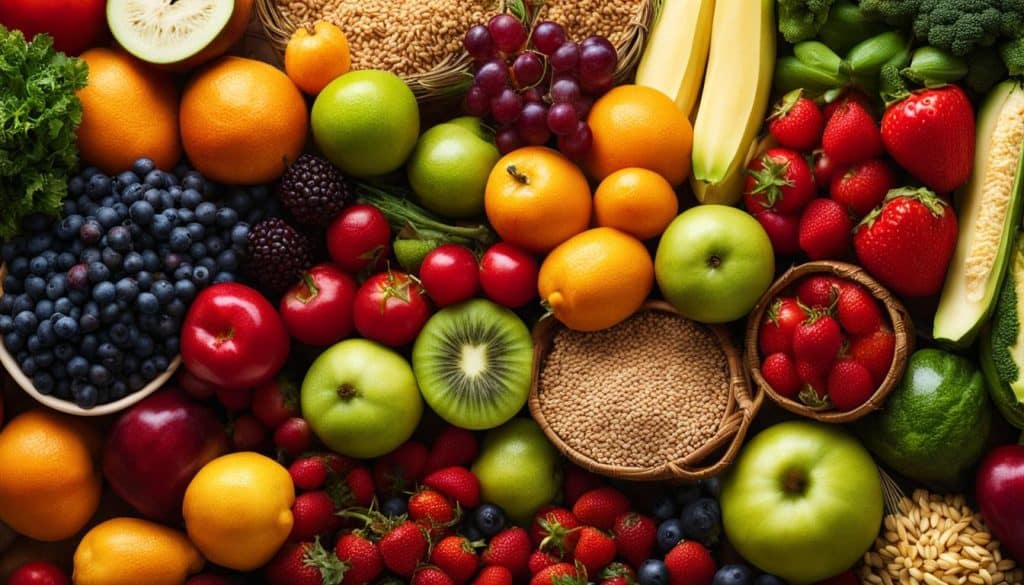
Fiber and Gut Health
Fiber plays a crucial role in maintaining a healthy gut microbiome and promoting optimal digestive function. It adds bulk to the stool, supports regular bowel movements, and helps prevent constipation and gastrointestinal disorders. Consuming a diet rich in fiber from sources like fruits, vegetables, whole grains, and legumes can enhance your gut health and overall digestive well-being.
The Importance of Fiber for Gut Health
When it comes to maintaining a healthy gut, fiber is essential. It acts as a fuel source for our gut bacteria, allowing them to thrive and support our overall well-being. By consuming high fiber snacks and incorporating fiber-rich recipes into our meals, we can provide the necessary nutrients for a flourishing gut microbiome.
“Fiber acts as a prebiotic, fueling the growth of beneficial bacteria in our gut. This helps create a diverse and balanced microbiome, which is crucial for optimal digestion and overall health.”
Fiber not only supports the growth of beneficial bacteria but also helps regulate bowel movements. It adds bulk to the stool, making it easier to pass and preventing constipation. By including high fiber foods in our diet, we can promote regularity and reduce the risk of gastrointestinal disorders.
Include High Fiber Snacks in Your Diet
One of the easiest ways to increase your fiber intake is by incorporating high fiber snacks into your daily routine. These convenient and tasty options provide a quick burst of fiber while satisfying your cravings. Here are some delicious high fiber snacks to try:
- Apple slices with almond butter
- Carrot sticks with hummus
- Trail mix with nuts, seeds, and dried fruit
- Whole grain crackers with avocado
- Greek yogurt with berries
Adding these high fiber snacks to your diet not only boosts your fiber intake but also provides a variety of essential nutrients for optimal health.
Try These Fiber-Rich Recipes
If you’re looking to incorporate more fiber into your meals, try these delicious and nutritious high fiber recipes:
- Fiber-packed Breakfast Bowl
- Ingredients:
- 1/2 cup cooked quinoa
- 1/2 cup Greek yogurt
- 1/4 cup mixed berries
- 1 tablespoon chia seeds
- 1 tablespoon almond butter
- Instructions:
- Combine all ingredients in a bowl.
- Mix well and enjoy!
- Ingredients:
- Vegetarian Fiber Power Bowl
- Ingredients:
- 1 cup cooked quinoa
- 1/2 cup roasted chickpeas
- 1/2 cup steamed broccoli
- 1/4 cup sliced avocado
- 1/4 cup shredded carrots
- 1 tablespoon tahini dressing
- Instructions:
- Place cooked quinoa in a bowl.
- Add roasted chickpeas, steamed broccoli, sliced avocado, and shredded carrots on top.
- Drizzle with tahini dressing.
- Mix well and enjoy!
- Ingredients:
Support Your Gut Health with High Fiber Choices
By including high fiber snacks and recipes in your diet, you can promote a healthy gut and improve your overall digestive well-being. Remember to choose a variety of fiber-rich foods, such as fruits, vegetables, whole grains, and legumes, to ensure you’re getting a diverse range of nutrients. Start incorporating these fiber-packed options into your daily routine and enjoy the benefits of a happy gut!
| Fiber-Rich Foods | Amount of Fiber (per 100g) |
|---|---|
| Blackberries | 5.3g |
| Chickpeas | 7.6g |
| Quinoa | 2.8g |
| Almonds | 12.5g |
| Broccoli | 2.6g |
| Avocado | 6.7g |
These fiber-rich foods can provide a significant boost to your overall fiber intake and contribute to a healthy gut. Incorporate them into your meals and snacks to support your digestive health.
Supplementing Fiber Intake
If you struggle to consume enough fiber through food alone, supplementation can be an effective solution. Adding a fiber supplement like MRM’s Whole Food Organic Fiber to your diet can help you meet your daily fiber goal more easily. These supplements provide a concentrated source of dietary fiber and often include added digestive enzymes and prebiotics for enhanced gut health. By incorporating fiber supplements into your routine, you can ensure you are getting enough fiber to support your overall health.
| Fiber Supplement | Description | Benefits |
|---|---|---|
| MRM’s Whole Food Organic Fiber | A high-quality fiber supplement made from organic ingredients. |
|
Incorporating fiber supplements into your routine can be especially helpful if you have a busy lifestyle or struggle to consume enough fiber-rich foods. However, it’s important to remember that supplements should not replace a balanced diet. Aim to include a variety of high fiber foods in your meals and snacks, and use supplements as a complement to your overall dietary fiber intake.
By taking steps to increase your fiber intake, whether through food or supplements, you can support your digestive health, promote regular bowel movements, and enjoy the many benefits of a high fiber diet.
Conclusion
Increasing your fiber intake is essential for optimal health and well-being. By incorporating a variety of high fiber foods into your diet, such as fruits, vegetables, whole grains, legumes, and nuts, you can meet the recommended daily intake of fiber. These foods provide not only essential nutrients but also promote digestive health, support weight management, and lower the risk of chronic diseases.
To make it easier to reach your daily fiber goals, you can also consider adding fiber supplements like MRM’s Whole Food Organic Fiber to your routine. These supplements provide a convenient and effective way to increase your fiber consumption. Remember to gradually increase your fiber intake to avoid digestive discomfort and drink plenty of fluids to ensure proper hydration.
Creating a high fiber diet doesn’t have to be complicated. Use a high fiber food chart as a guide and explore various high fiber recipes to keep your meals interesting and delicious. By making fiber-rich foods a regular part of your meals and snacks, you can enjoy the numerous health benefits that come with a high fiber diet and maintain a happy and healthy lifestyle.
FAQ
What is fiber and how does it function in the body?
Fiber is considered the fourth macronutrient and has distinct health benefits. It functions differently in the body than other carbohydrates, promoting a healthy gut microbiome, aiding digestion, and regulating bowel movements.
What are some examples of high fiber foods?
High fiber foods include fruits, vegetables, lentils, peas, beans, oats, barley, oatmeal, potatoes, and dried fruit.
How does fiber benefit digestion and gut health?
Fiber promotes a healthy gut microbiome, aids in digestion, and helps regulate bowel movements. It can prevent constipation, hemorrhoids, and diverticular disease, while also adding bulk to the stool and promoting regularity.
What is the relationship between fiber and a high protein diet?
Diets high in protein often lack sufficient fiber, leading to constipation. Individuals on a high protein diet should aim for more than 14g of fiber per 1,000 calories and can include high fiber snacks and breakfast options in their diet.
How should fiber be counted in macro tracking?
Fiber should be considered as part of the overall carbohydrate intake. Beginners can count total carbs without subtracting fiber grams, while advanced individuals may choose to track net carbs, which exclude fiber from the total carb count. Including fiber-rich foods is beneficial for increasing fiber intake.
What are the health benefits of fiber?
Fiber aids in weight control by promoting feelings of fullness, helps manage blood sugar levels, lowers cholesterol, and reduces the risk of heart disease. Including high fiber foods in the diet can improve overall health.
Is there a risk in consuming too much fiber?
Yes, excessive fiber intake can lead to gastrointestinal issues. It is important to gradually increase fiber intake and stay hydrated to prevent constipation and bloating.
What is the recommended daily intake of fiber?
The recommended daily intake is 25g per day for women and 38g per day for men. Consuming a variety of high fiber foods can help meet the daily fiber goal.
How can I add more fiber to my diet?
Fiber can be added by incorporating whole grains, fruits, vegetables, nuts, seeds, and legumes into meals and snacks. A high fiber breakfast and including high fiber snacks can increase overall fiber intake.
Can fiber support weight management?
Yes, fiber helps control weight by promoting feelings of fullness, reducing overeating, aiding portion control, and promoting stable blood sugar levels.
How does fiber impact gut health?
Fiber plays a crucial role in maintaining a healthy gut microbiome, adding bulk to the stool, supporting regular bowel movements, and preventing constipation and gastrointestinal disorders.
Should I consider supplementing fiber intake?
If you struggle to consume enough fiber through food alone, supplementation can be an effective solution to meet your daily fiber goal. Fiber supplements provide a concentrated source of dietary fiber and can enhance gut health.
What is the importance of adding fiber to my diet?
Adding fiber to the diet is essential for optimal health and well-being. By incorporating a variety of high fiber foods and considering supplementation, you can achieve the recommended daily intake of fiber and enjoy the associated health benefits.