
Cereal can be a simple and fast way to get a meal or snack into your day, and choosing a high-fiber option can help you meet daily fiber recommendations. Today’s high fiber cereals offer a wide range of taste preferences and cater to specific dietary needs. Cereals with at least 20% of the Daily Value for fiber, whole grains as the first ingredient, and favorable reviews from experts have been selected as the best high fiber cereal options.
Key Takeaways:
- High fiber cereals are a convenient way to increase your daily fiber intake.
- Choose cereals with at least 20% of the Daily Value for fiber and whole grains as the first ingredient.
- Look for high fiber cereals that have received favorable reviews from experts.
- There are various options available to suit different dietary needs and taste preferences.
- Incorporating high fiber cereals into your diet can help improve digestive health and overall well-being.
The Importance of High Fiber Foods
Fiber-rich foods play a crucial role in supporting our overall health and well-being. Incorporating high fiber foods into our diet can have numerous benefits, ranging from improving digestion to aiding in weight loss. Let’s explore why high fiber foods are essential for our bodies.
First and foremost, high fiber foods can help keep our blood sugar levels balanced. Fiber slows down the absorption of glucose, preventing spikes and crashes in blood sugar. This is particularly beneficial for individuals with diabetes or those aiming to maintain stable energy levels throughout the day.
“Fiber-rich foods can help keep our blood sugar levels balanced, reducing the risk of diabetes and promoting overall energy stability.”
In addition to blood sugar control, fiber is also vital for maintaining a healthy digestive system. It adds bulk to our stool, promoting regular bowel movements and preventing constipation. Regular consumption of high fiber foods can support a healthy gut and minimize digestive issues.
Fiber is not only important for our digestion but also plays a role in improving our cholesterol levels. Soluble fiber found in foods such as oats, beans, and fruits can help reduce LDL cholesterol levels, commonly known as “bad” cholesterol. By incorporating high fiber foods into our diet, we can take proactive steps towards maintaining a healthy heart.
“High fiber foods can help improve cholesterol levels and promote heart health.”
When it comes to weight management, fiber can be a valuable ally. High fiber foods are often more filling and can increase satiety, helping us feel satisfied for longer periods. This can prevent overeating and snacking between meals, ultimately contributing to weight loss or weight maintenance goals.
Now that we understand the numerous benefits of high fiber foods, let’s explore some examples of fiber-rich options:
| High Fiber Foods | Fiber Content (per 100g) |
|---|---|
| Split peas | 8.3g |
| Lentils | 7.9g |
| Chickpeas | 7.6g |
| Oats | 10.1g |
| Quinoa | 2.8g |
Remember to gradually increase your fiber intake and drink plenty of water to aid digestion. By incorporating high fiber foods into our daily meals, we can support our digestive health, promote weight management, and enjoy overall well-being.
How Much Fiber Do You Need?
When it comes to fiber, it’s important to know how much you should be consuming daily. Meeting your recommended fiber intake can have a positive impact on your overall health and well-being. The daily fiber intake for adults is at least 14 grams of fiber for every 1,000 calories eaten. For a typical 2,000-calorie diet, the goal is to consume at least 28 grams of fiber per day.
Unfortunately, many adults struggle to meet their daily fiber goals. In fact, studies show that only 1 in 10 adults are getting enough fiber each day. This is concerning because fiber is essential for a healthy digestive system and plays a crucial role in maintaining bowel regularity.
The benefits of reaching your daily fiber intake are numerous. Fiber aids in digestion, helps control blood sugar levels, promotes a feeling of fullness, and can even contribute to weight management. Additionally, a high fiber diet has been linked to a reduced risk of heart disease, stroke, and certain types of cancer.
If you’re unsure how much fiber you’re currently consuming, it may be helpful to track your daily fiber intake for a few days using a food diary or a smartphone app. This can give you a better understanding of where you stand and help you make adjustments if needed.
Remember, increasing your fiber intake should be done gradually to allow your body to adjust. Drink plenty of water throughout the day as fiber absorbs water and helps keep your digestive system running smoothly.
Simple Ways to Increase Your Fiber Intake:
- Choose whole grain products, such as whole wheat bread, brown rice, and whole grain pasta.
- Include plenty of fruits and vegetables in your diet.
- Snack on nuts and seeds.
- Add legumes, such as beans and lentils, to your meals.
- Try to incorporate high fiber cereals into your breakfast routine.
By making small changes to your diet, you can gradually increase your daily fiber intake and reap the numerous health benefits it has to offer.
“Fiber is not just roughage; it provides essential nourishment for your gut and overall health.” – Dr. Jane Smith
So, are you ready to start prioritizing your fiber goals?
| Age Group | Recommended Daily Fiber Intake |
|---|---|
| Children 1-3 years | 19 grams |
| Children 4-8 years | 25 grams |
| Boys 9-13 years | 31 grams |
| Girls 9-13 years | 26 grams |
| Teen boys 14-18 years | 38 grams |
| Teen girls 14-18 years | 26 grams |
| Adult men | 38 grams |
| Adult women | 25 grams |
| Pregnant women | 28-29 grams |
| Breastfeeding women | 29-30 grams |
The Benefits of Eating Fiber
Eating a diet rich in fiber offers numerous health benefits, supporting various aspects of your well-being. Let’s explore some of the key advantages of incorporating fiber into your daily diet.
1. Fiber for Digestive Health
Fiber plays a crucial role in maintaining a healthy digestive system. It adds bulk to your stool, making it easier to pass through your intestines, promoting regular bowel movements. This can help prevent constipation and reduce the risk of developing certain colon diseases, such as diverticulitis and colorectal cancer.
2. Fiber for Heart Health
“A diet high in fiber has been associated with a reduced risk of heart disease and lower cholesterol levels.”
Consuming fiber-rich foods can have a positive impact on heart health. Soluble fiber, found in foods like oats, beans, and fruits, helps control cholesterol levels by reducing the absorption of LDL (bad) cholesterol. This can lead to a decreased risk of cardiovascular diseases, such as heart attacks and strokes.
3. Fiber and Blood Sugar
Fiber, especially soluble fiber, can help manage blood sugar levels. When you consume high-fiber foods, they slow down the absorption of sugar into the bloodstream, preventing sudden spikes in blood sugar levels. This can be particularly beneficial for individuals with diabetes or those at risk of developing the condition.
4. Fiber and Weight Management
“Including fiber in your diet can help you feel fuller for longer, reducing overall calorie intake and supporting weight management.”
Fiber-rich foods are often more filling than low-fiber options. By adding bulk to your meals, fiber increases satiety, helping you feel satisfied after eating. This can contribute to weight management by reducing hunger and preventing overeating. Additionally, high-fiber foods tend to have fewer calories than processed, low-fiber alternatives.
5. Promoting a Healthy Gut Microbiome
Eating fiber provides nourishment for the beneficial bacteria in your gut, supporting a healthy gut microbiome. These bacteria play a vital role in digestion and nutrient absorption, as well as immune system functioning. A diverse and balanced gut microbiome is associated with improved overall health and a reduced risk of certain diseases.
To maximize the health benefits of fiber, it’s important to include a variety of high-fiber foods in your diet, such as whole grains, fruits, vegetables, legumes, and nuts.
By prioritizing fiber-rich choices, you can enhance your digestion, support heart health, regulate blood sugar levels, manage your weight, and promote a thriving gut microbiome. The next section will delve into the different types of fiber found in cereals and their specific benefits.
Types of Fiber in Cereal
When it comes to cereal, there are different types of fiber that you should be aware of. Cereal grains are rich in insoluble fiber, which adds bulk to your stool and promotes regular bowel movements. However, some cereals also contain small amounts of soluble fiber, which has its own set of benefits. Whole grain cereals provide a combination of both fiber types, making them a great choice for a balanced diet.
Here is a breakdown of the types of fiber you can find in cereal:
| Fiber Type | Sources |
|---|---|
| Soluble Fiber | Oat bran, psyllium, barley, nuts, seeds |
| Insoluble Fiber | Wheat bran, corn, oat fiber, brown rice, nuts, seeds |
As you can see, there are various sources of soluble and insoluble fiber in cereal. Including a variety of these fiber-rich ingredients in your diet can help support digestive health and overall well-being.
Ways to Enjoy High Fiber Cereal
While enjoying high fiber cereal with milk is a popular choice, there are many other ways to incorporate it into your diet. It can be added to yogurt, used in homemade trail mix or granola, eaten as a snack, added to smoothies, used as a pie crust, made into breakfast or granola bars, or added as a crunchy topping for salads.
If you’re looking for some inspiration on how to eat cereal, here are a few ideas:
- Add a handful of high fiber cereal to a bowl of plain or flavored yogurt for a delicious and nutritious breakfast or snack.
- Create your own custom trail mix or granola by combining high fiber cereal with nuts, seeds, dried fruits, and your favorite spices.
- Enjoy a handful of high fiber cereal as a quick and satisfying snack on its own.
- Blend high fiber cereal into your favorite smoothie for added texture and fiber content.
- Crush high fiber cereal and use it as a crust for pies or tarts, adding a unique and nutrient-packed twist to your favorite dessert recipes.
- Make your own homemade breakfast or granola bars by combining high fiber cereal with nuts, seeds, honey, and other ingredients of your choice.
- Sprinkle a handful of high fiber cereal on top of salads as a crunchy and fiber-rich topping.
The possibilities are endless when it comes to enjoying high fiber cereal. Get creative and experiment with different combinations to find your favorite way to incorporate this nutritious ingredient into your meals and snacks.
Quote:
“High fiber cereal can be a versatile and tasty addition to your diet. From breakfast to snacks and even desserts, there are so many ways to enjoy the benefits of high fiber while still satisfying your taste buds.”
High Fiber Cereal Recipes
| Recipe | Ingredients | Instructions |
|---|---|---|
| High Fiber Cereal Parfait | – 1 cup high fiber cereal – 1 cup Greek yogurt – 1 cup mixed berries – 1 tablespoon honey or maple syrup (optional) |
1. In a glass or bowl, layer the high fiber cereal, Greek yogurt, and mixed berries. 2. Drizzle with honey or maple syrup if desired. 3. Enjoy! |
| Homemade Granola Bars | – 2 cups high fiber cereal – 1 cup oats – 1/2 cup nut butter – 1/4 cup honey or maple syrup – 1/4 cup chopped nuts or dried fruits (optional) |
1. In a mixing bowl, combine the high fiber cereal, oats, nut butter, honey or maple syrup, and chopped nuts or dried fruits if using. 2. Press the mixture into a lined baking dish and refrigerate for at least 1 hour to set. 3. Cut into bars and enjoy as a nutritious grab-and-go snack. |
| Fruit and Cereal Smoothie | – 1 cup high fiber cereal – 1 cup frozen mixed berries – 1 ripe banana – 1 cup almond milk or your choice of milk |
1. In a blender, combine the high fiber cereal, frozen mixed berries, ripe banana, and almond milk. 2. Blend until smooth and creamy. 3. Pour into a glass and enjoy this refreshing and fiber-rich smoothie. |
Best Overall High Fiber Cereal
When it comes to finding the best high fiber cereal, Nature’s Path Heritage Flakes takes the top spot. This fiber-rich cereal is a perfect choice for those looking to add more fiber to their diet. With 23 grams of whole grains, 7 grams of fiber, and 5 grams of protein per cup, it provides a wholesome and nutritious breakfast option.
Nature’s Path Heritage Flakes is made from six different whole grains, ensuring a variety of textures and flavors. It is lightly sweetened to satisfy your taste buds without overwhelming your palate. The combination of whole grains, fiber, and protein makes this cereal a filling and satisfying choice to start your day.
Here is a complete nutritional breakdown of Nature’s Path Heritage Flakes:
| Nutrient | Amount per Cup |
|---|---|
| Whole Grains | 23 grams |
| Fiber | 7 grams |
| Protein | 5 grams |
| Iron | 8% of the Daily Value |
| Potassium | 4% of the Daily Value |
With its nutrient-packed profile, Nature’s Path Heritage Flakes offers a great way to meet your daily fiber goals and enjoy a satisfying breakfast. The blend of whole grains, fiber, and protein provides a well-rounded meal that will keep you energized throughout the day.
For those on a budget, Nature’s Path Heritage Flakes is also an affordable option compared to other high fiber cereals on the market. You don’t have to compromise on quality or taste with this budget-friendly choice.
Make a smart choice for your health and start your day with Nature’s Path Heritage Flakes, the best overall high fiber cereal.
Best Budget High Fiber Cereal
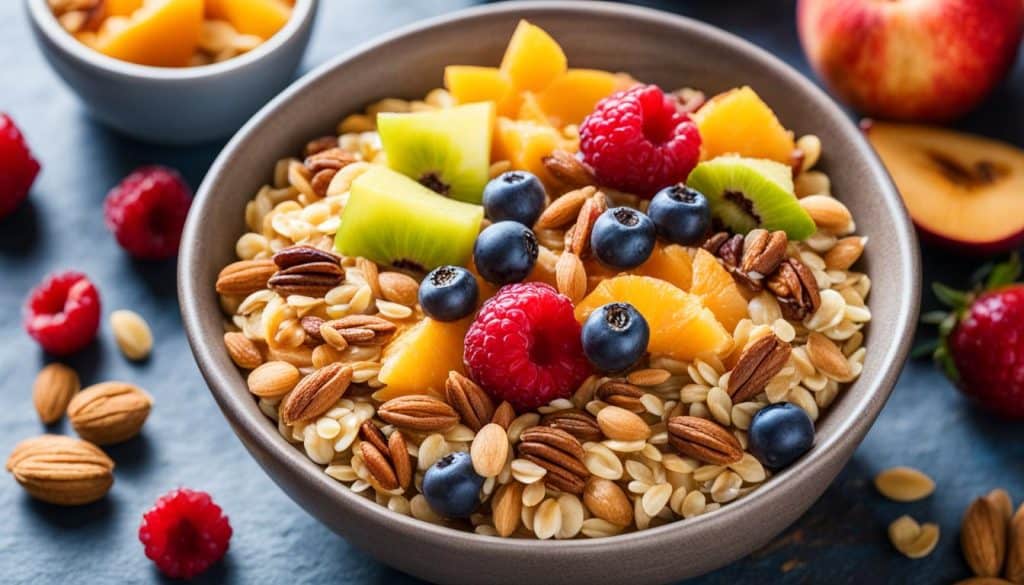
When it comes to finding the best budget-friendly high fiber cereal, look no further than Kashi Whole Wheat Biscuits, Autumn Wheat. With its simple yet nutritious ingredients, this cereal provides a delicious and affordable option for those seeking a high fiber breakfast.
“Kashi Whole Wheat Biscuits, Autumn Wheat is my go-to choice for a budget-friendly and fiber-packed cereal. It’s the perfect way to start my day on a healthy note without breaking the bank.”
Each serving of Kashi Whole Wheat Biscuits, Autumn Wheat contains three key ingredients: whole grain wheat, sugar, and natural flavors. The combination of whole grain wheat ensures that you’re getting the nutritional benefits of fiber and other essential nutrients. Despite being a budget-friendly option, this cereal doesn’t compromise on taste or quality.
With 7 grams of fiber and protein per serving, Kashi Whole Wheat Biscuits, Autumn Wheat helps you meet your daily fiber goals and keeps you feeling satisfied throughout the morning. It can be enjoyed with milk as a traditional breakfast cereal or eaten as a standalone snack for a quick boost of fiber.
| Key Features | Nutritional Information |
|---|---|
| Fiber: | 7 grams per serving |
| Protein: | 7 grams per serving |
| Ingredients: | Whole grain wheat, sugar, natural flavors |
What People Are Saying:
“I love that Kashi Whole Wheat Biscuits, Autumn Wheat is not only a budget-friendly cereal but also high in fiber. It’s my go-to choice for a quick and nutritious breakfast.”
Don’t let a tight budget get in the way of enjoying a fiber-rich breakfast. With Kashi Whole Wheat Biscuits, Autumn Wheat, you can start your day on a healthy note without breaking the bank. Make the smart choice for your wallet and your well-being by incorporating this budget-friendly high fiber cereal into your daily routine.
Best Gluten-free High Fiber Cereal
When it comes to gluten-free high fiber cereal, there is one standout option that provides both nutritional value and great taste. Purely Elizabeth Honey Peanut Butter Superfood Cereal with Vitamin D is the best choice for those seeking a gluten-free and high fiber breakfast option.
This gluten-free cereal combines a variety of wholesome ingredients, including certified gluten-free oats, nuts, seeds, and other whole grains. With six grams of fiber per serving, all sourced from whole foods, this cereal is an excellent choice for individuals looking to increase their fiber intake without compromising on taste.
In addition, Purely Elizabeth Honey Peanut Butter Superfood Cereal is lightly sweetened with natural ingredients, providing a delectable flavor that satisfies your cravings. It also contains vitamin D, which is essential for bone health and overall well-being.
Key Features of Purely Elizabeth Honey Peanut Butter Superfood Cereal:
- Certified gluten-free oats
- Wholesome nuts and seeds
- Six grams of fiber per serving
- Lightly sweetened with natural ingredients
- Includes vitamin D for added nutritional value
For individuals with gluten sensitivities or those following a gluten-free diet, Purely Elizabeth Honey Peanut Butter Superfood Cereal is an excellent choice. It offers a convenient and delicious way to incorporate high fiber cereal into your morning routine, providing a nourishing start to your day.
Incorporate this gluten-free high fiber cereal into your daily breakfast routine and experience the benefits of a wholesome and satisfying meal.
Best Grain-free High Fiber Cereal
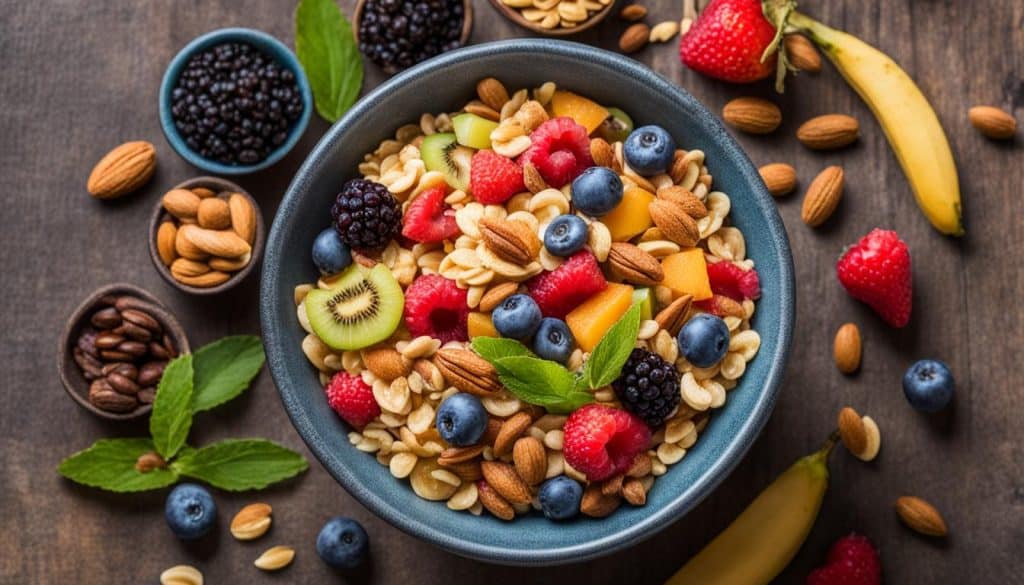
When it comes to finding a delicious grain-free option that doesn’t compromise on fiber content, Forager Project Cinnamon Grain-free Os is the clear winner. Made from a combination of cassava root, ground navy beans, and pea protein, this cereal packs a whopping four grams of fiber per serving. Not only does it provide a great source of dietary fiber, but it also has a tantalizing hint of cinnamon and a texture that rivals traditional cereals.
Forager Project Cinnamon Grain-free Os is the perfect choice for those following a grain-free diet or looking to reduce their grain intake. Packed with fiber and free from grains, it offers a unique and tantalizing breakfast experience.
| Feature | Forager Project Cinnamon Grain-free Os |
|---|---|
| Fiber per serving | 4 grams |
| Ingredients | Cassava root, ground navy beans, pea protein |
| Taste | Lightly sweetened with cinnamon |
| Dietary restrictions | Grain-free |
With Forager Project Cinnamon Grain-free Os, you can enjoy the freedom of a grain-free cereal without compromising on fiber content or taste. Whether you’re looking for a nutrient-packed breakfast or a satisfying snack, this high fiber, grain-free cereal is sure to please.
Best High Protein High Fiber Cereal
When it comes to finding the perfect high protein high fiber cereal, look no further than Seven Sundays Bircher Apple Cinnamon Muesli. This delicious cereal offers a winning combination of grains, seeds, and dried fruit, making it a satisfying and nutrient-dense option for breakfast or as a snack.
What sets Seven Sundays Bircher Apple Cinnamon Muesli apart is its impressive protein and fiber content. With eight grams of protein and five grams of fiber per serving, this cereal is a great choice for those looking to boost their protein and fiber intake.
Each bite of Seven Sundays Bircher Apple Cinnamon Muesli delivers a delightful blend of flavors and textures. The crunchy grains and seeds, combined with the sweetness of dried fruit, create a truly enjoyable eating experience. Whether you enjoy it with milk, yogurt, or straight out of the bag, this cereal is sure to be a hit.
Additionally, Seven Sundays Bircher Apple Cinnamon Muesli is made with high-quality ingredients, including whole grains and real fruit. It is gluten-free, non-GMO, and free from artificial flavors or preservatives, ensuring a wholesome start to your day.
“Seven Sundays Bircher Apple Cinnamon Muesli is my go-to breakfast choice. It’s not only delicious but also keeps me energized throughout the morning. I love that it’s packed with both protein and fiber, making it a nutritious option for me and my family.” – Sarah, a satisfied customer
Eating a high protein high fiber cereal like Seven Sundays Bircher Apple Cinnamon Muesli offers numerous benefits for your overall health. It can help keep you feeling fuller for longer, support muscle growth and repair, and promote a healthy digestive system.
So, if you’re on the hunt for the best high protein high fiber cereal, look no further than Seven Sundays Bircher Apple Cinnamon Muesli. Start your day off right with this delicious, nutritious, and fiber-packed cereal.
Conclusion
High fiber cereals are a convenient and delicious option for increasing your daily fiber intake and improving gut health. With a wide range of choices available, there is a high fiber cereal to suit everyone’s taste and dietary needs. Whether you prefer gluten-free or grain-free options or enjoy the traditional whole grain cereals, incorporating these fiber-rich breakfast choices into your diet can have numerous benefits for your overall well-being.
By choosing high fiber cereals, you can support your digestive health, regulate blood sugar levels, and promote a healthy heart. These cereals provide a substantial amount of fiber while also offering various vitamins and minerals, making them an excellent addition to your breakfast routine.
When selecting the best high fiber cereal for you, consider factors such as taste preferences, dietary restrictions, and nutritional value. Opt for cereals with whole grains as the first ingredient and at least 20% of the Daily Value for fiber. Additionally, consider reading expert reviews to help you make an informed decision.
So why wait? Start your day off right with a bowl of your favorite high fiber cereal and enjoy the many benefits of a fiber-rich breakfast. Remember to choose the best high fiber cereal options that align with your preferences and dietary requirements. With the right choice, you can fuel your body with wholesome ingredients and nourish your overall well-being.
FAQ
What are some benefits of high fiber foods cereal?
High fiber cereals can help keep blood sugar levels balanced, improve cholesterol levels, and help maintain regular bowel movements. Fiber plays a crucial role in digestive health and can aid in weight loss. Including high fiber foods in your diet can have numerous health benefits, including improved gut health and overall well-being.
How much fiber should I consume daily?
The recommended daily fiber intake for adults is at least 14 grams of fiber for every 1,000 calories eaten. For a typical 2,000-calorie diet, the goal is to consume at least 28 grams of fiber per day. However, most adults struggle to meet their daily fiber goals, with only 1 in 10 adults getting enough fiber each day.
What are the different types of fiber in cereals?
Cereal grains are higher in insoluble fiber, while some cereals, especially those with oats or psyllium, also contain small amounts of soluble fiber. Whole grain cereals provide a combination of both fiber types. Soluble fiber can be found in oat bran, psyllium, barley, nuts, and seeds. Insoluble fiber sources include wheat bran, corn, oat fiber, brown rice, nuts, and seeds.
How can I incorporate high fiber cereals into my diet?
While enjoying high fiber cereal with milk is a popular choice, there are many other ways to incorporate it into your diet. It can be added to yogurt, used in homemade trail mix or granola, eaten as a snack, added to smoothies, used as a pie crust, made into breakfast or granola bars, or added as a crunchy topping for salads.
What is the best high fiber cereal overall?
The top choice for high fiber cereal is Nature’s Path Heritage Flakes. With 23 grams of whole grains, 7 grams of fiber, and 5 grams of protein per cup, it is a versatile and budget-friendly option. It is lightly sweetened, made from six different whole grains, and provides important nutrients like iron and potassium.
What is the best budget-friendly high fiber cereal?
The best budget-friendly option is Kashi Whole Wheat Biscuits, Autumn Wheat. With three simple ingredients – whole grain wheat, sugar, and natural flavors – it provides 7 grams of fiber and protein per serving. It can be enjoyed with milk or as a standalone snack.
What is the best gluten-free high fiber cereal?
The top choice for gluten-free high fiber cereal is Purely Elizabeth Honey Peanut Butter Superfood Cereal with Vitamin D. It contains certified gluten-free oats, nuts, seeds, and other whole grains that provide all six grams of fiber per serving from whole foods. It is lightly sweetened with natural ingredients and also contains vitamin D.
What is the best grain-free high fiber cereal?
The best grain-free high fiber cereal option is Forager Project Cinnamon Grain-free Os. Made from cassava root, ground navy beans, and pea protein, it provides four grams of fiber per serving. This cereal is lightly sweetened with cinnamon and offers a unique texture similar to traditional cereals.
What is the best high protein high fiber cereal?
The best high protein high fiber cereal is Seven Sundays Bircher Apple Cinnamon Muesli. It contains a combination of grains, seeds, and dried fruit, providing a satisfying and nutrient-dense option. With eight grams of protein and five grams of fiber, it is a great choice for those looking to increase both protein and fiber intake.