
Are you looking to improve your health and well-being? Do you want to make sure you’re getting all the essential nutrients your body needs? Look no further than the Eat Well Plate. Created by health authorities, this guide is designed to help individuals eat a healthy, balanced diet that supports a vibrant, energetic life.
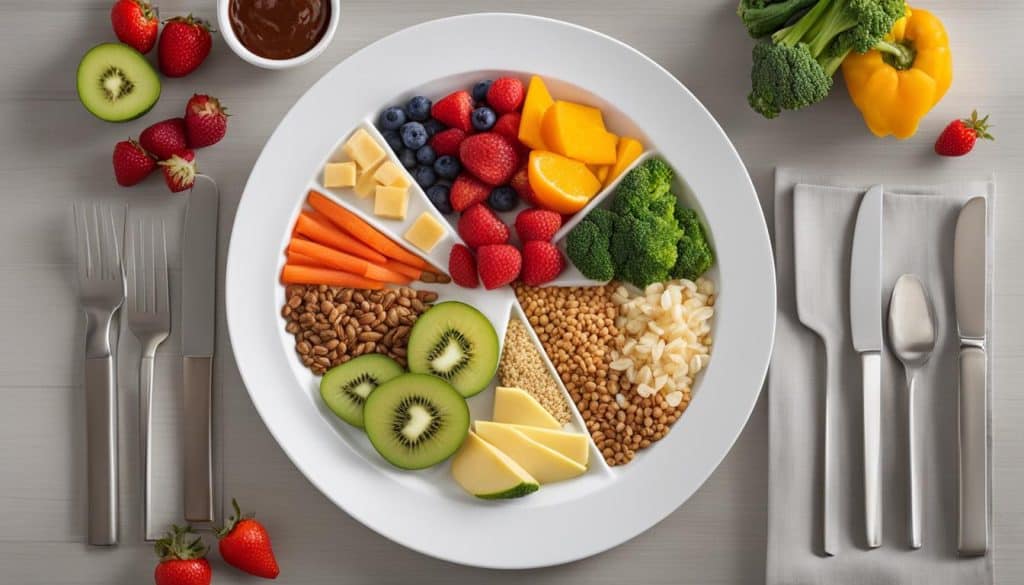
The Eat Well Plate nutrients divides food into different sections, including Healthy Oils, Water, Vegetables, Fruits, Healthy Protein, Whole Grains, and Stay Active. By following its recommendations, you can ensure you’re incorporating a variety of nutrient-rich foods into your diet.
Key Takeaways:
- 1. The Eat Well Plate is a guide for a healthy, balanced diet.
- 2. It divides food into sections to ensure essential nutrients.
- 3. Following the Eat Well Plate can lead to numerous health benefits.
- 4. Use the plate to plan meals, cook at home, and make healthier food choices.
- 5. It’s important to consider dietary needs and customize the plate accordingly.
What is the Eat Well Plate?
The Eat Well Plate is a visual representation of the recommendations for a healthy balanced diet. It divides food into five main groups: fruits and vegetables, starchy carbohydrates, proteins, dairy and alternatives, and oils and spreads. These groups provide a variety of essential nutrients and help individuals maintain a healthy weight. The Eat Well Plate can be used as a guide for planning meals, cooking at home, food shopping, and eating out.
By incorporating foods from each group, individuals can ensure they are getting a diverse range of nutrients necessary for optimal health. Fruits and vegetables are rich in vitamins, minerals, and dietary fiber, while starchy carbohydrates provide energy and important nutrients like fiber. Proteins from sources like fish, poultry, beans, and nuts help build and repair tissues, and dairy and alternatives are important sources of calcium. Healthy oils, when consumed in moderation, provide essential fats that support various bodily functions.
The Eat Well Plate is a practical and easy-to-understand tool that can help individuals make healthier choices when it comes to their diet. It encourages a balanced approach by emphasizing portion sizes, variety, and moderation. By following the recommendations of the Eat Well Plate, individuals can achieve a well-rounded and nutrient-rich diet, promoting overall health and well-being.
Benefits of the Eat Well Plate
The Eat Well Plate offers numerous benefits for individuals looking to adopt a healthy diet. By following its recommendations, individuals can ensure they are providing their bodies with the essential nutrients needed for optimal health and well-being.
One of the key benefits of the Eat Well Plate is that it encourages the consumption of a variety of fruits and vegetables. These food groups are rich in essential vitamins, minerals, and dietary fiber, which are important for maintaining a healthy immune system, preventing chronic diseases, and supporting digestion.
In addition to fruits and vegetables, the Eat Well Plate emphasizes the inclusion of starchy carbohydrates, such as whole grains, in the diet. These carbohydrates provide a source of energy and important nutrients like fiber, which promotes satiety and supports digestive health.
Protein is another vital component of the Eat Well Plate. Including lean sources of protein, such as fish, poultry, beans, and nuts, can help build and repair tissues, support muscle growth, and aid in weight management.
The Eat Well Plate also emphasizes the importance of choosing healthy oils and limiting foods high in fat and sugar. By incorporating healthy fats, like olive and canola oil, individuals can support heart health and manage their weight effectively.
Overall, by following the recommendations of the Eat Well Plate, individuals can experience a range of benefits, including improved energy levels, better digestion, enhanced immune function, and a reduced risk of chronic diseases. Incorporating these guidelines into a daily routine can lead to a healthier and more vibrant lifestyle.
Table: Key Benefits of the Eat Well Plate
| Benefit | Description |
|---|---|
| Improved Nutrient Intake | The Eat Well Plate encourages the consumption of a variety of nutrient-rich foods, ensuring individuals are getting the essential vitamins, minerals, and dietary fiber they need for optimal health. |
| Weight Management | By following the portion recommendations and choosing healthier options, individuals can effectively manage their weight and reduce the risk of obesity-related diseases. |
| Heart Health | Incorporating healthy oils and limiting foods high in fat and sugar can help support heart health and reduce the risk of cardiovascular diseases. |
| Digestive Health | The inclusion of fruits, vegetables, and whole grains in the Eat Well Plate promotes healthy digestion and supports regular bowel movements. |
| Immune Support | The variety of nutrients provided by the Eat Well Plate helps support a strong immune system, reducing the risk of infections and illnesses. |
Summary
The Eat Well Plate offers numerous benefits for individuals looking to adopt a healthy diet. By following its recommendations, individuals can ensure they are providing their bodies with the essential nutrients needed for optimal health and well-being. Key benefits include improved nutrient intake, weight management, heart health, digestive health, and immune support. By incorporating the guidelines of the Eat Well Plate into their daily routine, individuals can enjoy a range of benefits and lead a healthier, more vibrant lifestyle.
How to Use the Eat Well Plate
When it comes to maintaining a healthy lifestyle, the Eat Well Plate is an invaluable tool. By following its recommendations, individuals can ensure they are consuming a balanced diet that provides the necessary nutrients for optimal health. Here are some practical tips on how to use the Eat Well Plate for healthy meal planning:
1. Fill Half Your Plate with Fruits and Vegetables
Aim to make half of your plate consist of fruits and vegetables. These colorful and nutrient-rich foods provide vitamins, minerals, and dietary fiber. Include a variety of different fruits and vegetables in your meals to maximize the range of nutrients you consume. Consider using different cooking methods, such as steaming, roasting, or sautéing, to add variety to your dishes.
2. Incorporate Whole Grains
Whole grains, such as whole-wheat bread, brown rice, and whole grain pasta, should make up a quarter of your plate. These foods are a great source of energy and provide important nutrients like fiber. Opt for whole grain options whenever possible to increase your intake of beneficial nutrients.
3. Choose Healthy Protein Sources
Proteins play a crucial role in building and repairing tissues in the body. Aim to include a variety of protein sources, such as fish, poultry, beans, and nuts, in your meals. These foods provide essential amino acids and other important nutrients. Consider trying plant-based protein sources, like tofu or tempeh, for a change of pace.
4. Use Healthy Oils in Moderation
Healthy plant oils, such as olive oil and canola oil, can be incorporated into your meals in moderation. These oils provide essential fats that are important for overall health. Use them for cooking or as a dressing for salads and vegetables. Remember to use them sparingly, as they are high in calories.
5. Stay Hydrated
Drinking an adequate amount of water is crucial for overall health. Aim to drink at least eight cups of water a day, and consider including other healthy beverages like tea or coffee. Limit the consumption of sugary drinks, as they can contribute to weight gain and other health issues.
By following these tips and using the Eat Well Plate as a guide, you can ensure you’re incorporating a variety of nutrient-rich foods into your diet. Remember to listen to your body’s hunger and fullness cues, and make adjustments to portion sizes as needed. With time and practice, healthy meal planning will become second nature, and you’ll be on your way to enjoying the benefits of a balanced diet.

The Importance of Each Food Group
Each food group included in the Eat Well Plate provides important nutrients that are essential for overall health. It is crucial to include foods from each group in our diet to ensure a well-rounded and nutrient-dense intake.
Fruits and Vegetables
Fruits and vegetables are rich in vitamins, minerals, and dietary fiber. They provide essential nutrients that promote good health and help prevent chronic diseases. Including a variety of fruits and vegetables in our diet can boost our immune system, support digestion, and improve heart health.
Starchy Carbohydrates
Starchy carbohydrates are a great source of energy and important nutrients like fiber. They provide the fuel our body needs to function properly. Including whole grains, such as whole-wheat bread and brown rice, in our meals can help maintain a healthy weight, support digestion, and reduce the risk of certain diseases.
Proteins
Proteins are essential for building and repairing tissues in our body. Fish, poultry, beans, and nuts are excellent sources of protein and provide a wide range of essential amino acids. Including these protein sources in our diet can promote muscle growth, support immune function, and aid in the production of enzymes and hormones.
Dairy and Alternatives
Dairy and alternatives, such as milk, cheese, and yogurt, are important sources of calcium, which is crucial for strong bones and teeth. They also provide other essential nutrients like vitamin D, potassium, and magnesium. Including dairy or dairy alternatives in our diet can help prevent osteoporosis and support overall bone health.
Healthy Oils
Healthy oils, when consumed in moderation, provide essential fats that our body needs for various functions. Oils like olive and canola oil are rich in monounsaturated and polyunsaturated fats, which can help lower bad cholesterol levels and reduce the risk of heart disease. Including these oils in our diet can support brain function and improve nutrient absorption.
By understanding the importance of each food group and incorporating a variety of foods from each group, we can ensure a well-balanced and nutrient-rich diet. The Eat Well Plate serves as a helpful guide to help us make informed food choices and optimize our overall health and well-being.
Customizing the Eat Well Plate for Different Dietary Needs
The Eat Well Plate is a versatile guide that can be customized to meet various dietary needs and preferences. Individuals with dietary restrictions or special medical needs may need to consult a registered dietitian or nutritionist for guidance on how to adapt the recommendations to their specific requirements. Whether someone follows a vegetarian, vegan, gluten-free, or lactose-free diet, the Eat Well Plate can still be a valuable tool in achieving a balanced and nutrient-rich diet.
For individuals with dietary restrictions, the Eat Well Plate can be adjusted to include suitable alternatives for each food group. For example, those following a vegetarian or vegan diet can replace animal proteins with plant-based protein sources such as legumes, tofu, tempeh, and seitan. Those who are gluten-free can choose gluten-free grains like quinoa, brown rice, and buckwheat as their starchy carbohydrate options. Similarly, individuals with lactose intolerance can opt for lactose-free dairy or non-dairy alternatives like almond milk or soy milk.
Children between the ages of 2 and 5 should also gradually transition to the same foods as the rest of the family, following the proportions shown on the Eat Well Plate. It is important to ensure that their meals are age-appropriate and meet their specific nutritional needs. Parents can consult with pediatricians or registered dietitians to ensure they are providing a well-rounded diet for their young children.
| Special Dietary Needs | Alternatives |
|---|---|
| Vegetarian/vegan | Plant-based protein sources (legumes, tofu, tempeh, seitan) |
| Gluten-free | Gluten-free grains (quinoa, brown rice, buckwheat) |
| Lactose-free | Lactose-free dairy Non-dairy alternatives (almond milk, soy milk) |
“The Eat Well Plate allows for flexibility and customization, making it adaptable to individual dietary needs. Whether someone is following a specific eating plan due to allergies, intolerances, or personal preferences, the Eat Well Plate can provide a framework for creating balanced, nutritious meals.”
By customizing the Eat Well Plate to fit different dietary needs, individuals can still achieve a well-rounded and nourishing diet. It is important to consult with healthcare professionals or qualified nutrition experts to ensure specific requirements are met while maintaining a healthy and balanced approach to eating.
Making Healthier Choices with the Eat Well Plate
When it comes to improving our eating habits, the Eat Well Plate can be a valuable tool for making healthier choices. By following its recommendations and incorporating a variety of nutrient-rich foods into our meals, we can achieve a balanced and nutrient-rich diet.
To start, it’s important to aim for a variety of fruits and vegetables in our diet. These colorful powerhouses of nutrition provide essential vitamins, minerals, and fiber. By making them the centerpiece of our meals, we can ensure we’re getting the nutrients our bodies need.
Another key aspect of the Eat Well Plate is choosing whole grains over refined grains. Whole grains are rich in fiber, which helps us feel fuller for longer and supports healthy digestion. Whole wheat bread, brown rice, and oats are all great options to include in our meals.
When it comes to protein, opting for lean sources like fish, poultry, beans, and nuts is recommended. These protein sources provide essential amino acids and can help build and repair tissues in our bodies. Incorporating healthy oils, such as olive or canola oil, in moderation can also add flavor and essential fats to our meals.
It’s important to be mindful of our choices when food shopping and reading labels. By comparing similar products and choosing options that are lower in fat, saturated fat, sugars, and salt, we can make healthier choices. Planning our meals around the recommendations of the Eat Well Plate helps us achieve a balanced and nutrient-rich diet, supporting our journey towards a healthier lifestyle.
Table 7: Making Healthier Choices
| Healthier Choices | Meal Planning | Food Shopping |
|---|---|---|
| Aim for a variety of fruits and vegetables | Incorporate colorful produce into meals | Choose fresh fruits and vegetables |
| Opt for whole grains | Choose whole wheat bread, brown rice, and oats | Look for whole grain options |
| Choose lean sources of protein | Incorporate fish, poultry, beans, and nuts | Read labels for lower fat options |
| Incorporate healthy oils in moderation | Use olive or canola oil in cooking | Compare products for healthier options |
By incorporating these healthier choices into our meal planning and food shopping, we can take further steps towards a balanced and nutrient-rich diet, supporting our overall well-being.
Tips for Hydration and Alcoholic Beverages
Staying hydrated is an essential part of maintaining good health. Water is the best choice for hydration, as it is calorie-free and helps to regulate body temperature, support digestion, and flush out toxins. Aim to drink at least 8 glasses of water per day, and even more if you are physically active or in hot weather. If you find plain water boring, try infusing it with fruits or herbs for a refreshing twist. Remember, staying hydrated is crucial for overall well-being.
While it’s important to prioritize water, it’s also necessary to be mindful of our alcohol consumption. Alcohol can have negative effects on the body, including dehydration and potential damage to organs. It’s recommended to drink alcohol in moderation and be aware of its calorie content. One alcoholic drink is equivalent to about 14 grams of pure alcohol, which is roughly found in standard servings of beer, wine, and spirits. Always drink responsibly and be mindful of your personal limits.
“Water is the driving force of all nature.” – Leonardo da Vinci
Alcoholic Drink Comparison
| Drink | Alcohol Content (g) | Calories (kcal) | |
|---|---|---|---|
| Beer (12 oz) | 14 | 153 | |
| Wine (5 oz) | 14 | 123 | |
| Spirits (1.5 oz) | 14 | 96 |
When it comes to making healthier decisions about what we drink, prioritizing water and being mindful of our alcohol consumption is key. By staying hydrated and moderating our alcohol intake, we can support our overall health and well-being.
How the Eat Well Plate Supports the Environment
The Eat Well Plate not only promotes individual health but also recognizes the impact of food choices on the environment. It encourages individuals to consider the sustainability of their food choices and opt for options that have a lower environmental impact. By consuming a variety of plant-based foods and reducing the consumption of foods with high environmental footprints, we can contribute to the health of both ourselves and the planet.
Choosing sustainable food choices can have a significant positive impact on the environment. Plant-based foods, such as fruits, vegetables, legumes, and whole grains, require fewer resources to produce compared to animal-based foods. They also have a lower carbon footprint, contribute to soil conservation, and reduce water usage. By incorporating more plant-based options into our diets, we can help conserve natural resources and reduce greenhouse gas emissions.
Additionally, considering the origin of our food and supporting local, seasonal produce can further reduce our environmental impact. Buying locally grown foods reduces the energy used in transportation and helps support local farmers and communities. Choosing foods that are in season also ensures that they are more likely to be grown in a sustainable manner, without excessive use of chemicals or energy-intensive practices.
By aligning our dietary choices with sustainability, we can make a positive impact on the environment while also improving our own health. The Eat Well Plate provides a guide for making informed and sustainable food choices, empowering us to contribute to a healthier planet for future generations.
Conclusion
The Eat Well Plate is a valuable tool for achieving a healthy and balanced diet, essential for promoting overall wellbeing and supporting a vibrant, energetic life. By following the recommendations of the plate, individuals can unlock the power of essential nutrients that contribute to healthy living.
Emphasizing the importance of portion sizes, variety, and moderation, the Eat Well Plate guides individuals towards making informed choices for their meals and snacks. By incorporating a diverse range of nutrient-rich foods, individuals can ensure they are fueling their bodies with the necessary vitamins, minerals, and dietary fiber to thrive.
By adopting the principles of the Eat Well Plate, individuals can take control of their health and well-being. Prioritizing fruits and vegetables, whole grains, lean proteins, and healthy oils, while limiting foods high in fat and sugar, individuals can achieve a balanced diet that nourishes their bodies and supports their overall health goals.
Investing in the power of eat well plate nutrients is a step towards a healthier life. By making conscious choices, planning meals around the plate’s recommendations, and being mindful of portion sizes, individuals can embark on a journey towards improved health, enhanced energy levels, and a long-lasting well-being.
FAQ
What is the Eat Well Plate?
The Eat Well Plate is a guide created by health authorities to help individuals eat a healthy, balanced diet. It divides food into different sections, including Healthy Oils, Water, Vegetables, Fruits, Healthy Protein, Whole Grains, and Stay Active.
What are the benefits of the Eat Well Plate?
By following the recommendations of the Eat Well Plate, individuals can ensure they are getting the essential nutrients they need for a healthy, vibrant life. It provides a variety of essential nutrients, helps maintain a healthy weight, and promotes overall health and well-being.
How do I use the Eat Well Plate?
To use the Eat Well Plate, individuals can aim to make most of their meals consist of vegetables and fruits, which should make up half of their plate. Including a variety of whole grains and protein sources, as well as incorporating healthy oils in moderation, is also recommended. Staying active and drinking water, tea, or coffee are emphasized as part of a healthy lifestyle.
How important are each food group in the Eat Well Plate?
Each food group included in the Eat Well Plate provides important nutrients that are essential for overall health. Fruits and vegetables are rich in vitamins, minerals, and dietary fiber. Starchy carbohydrates provide energy and important nutrients like fiber. Proteins help build and repair tissues, while dairy and alternatives are important sources of calcium. Healthy oils provide essential fats when consumed in moderation.
Can the Eat Well Plate be customized for different dietary needs?
Yes, the Eat Well Plate can be adjusted to meet different dietary needs and preferences. Individuals with dietary restrictions or special medical needs may need to consult a registered dietitian or nutritionist for guidance on how to adapt the recommendations to their specific needs.
How can the Eat Well Plate help me make healthier choices?
The Eat Well Plate serves as a tool for making healthier choices when planning meals, cooking at home, and food shopping. It provides guidance on selecting a variety of nutrient-rich foods, choosing whole grains over refined grains, opting for lean sources of protein, and incorporating healthy oils in moderation.
What are some tips for hydration and alcoholic beverages?
The Eat Well Plate emphasizes the importance of staying hydrated by drinking plenty of fluids, such as water, low-fat milk, tea, and coffee. It is recommended to limit the consumption of sugary drinks and alcohol. Alcoholic beverages contain empty calories and can have negative health effects if consumed in excess. It is advised to drink alcohol in moderation and be aware of the calorie content of different alcoholic drinks.
How does the Eat Well Plate support the environment?
The Eat Well Plate not only focuses on individual health but also acknowledges the environmental impact of food choices. It encourages individuals to consider the sustainability of their food choices and opt for foods that have a lower impact on the environment. By consuming a variety of plant-based foods and reducing the consumption of foods with high environmental footprints, individuals can contribute to the health of both themselves and the planet.
What is the conclusion about the Eat Well Plate?
The Eat Well Plate serves as a valuable guide for individuals seeking to improve their eating habits and lead a healthy lifestyle. By following its recommendations and incorporating a variety of nutrient-rich foods, individuals can ensure they are getting the essential nutrients needed for optimal health. The Eat Well Plate supports the concept of a balanced diet and emphasizes the importance of portion sizes, variety, and moderation. By unlocking the power of eat well plate nutrients, individuals can embark on a journey to healthier eating and a vibrant, energetic life.