
Eat well plate facts – Hey there! Are you looking for the key to a healthy and balanced diet? Well, look no further! In this article, I’m going to take you through the essential facts of the Eat Well Plate and how it can help you achieve a healthier lifestyle. So, let’s dive in!
Key Takeaways:
- The Eat Well Plate is a guide developed by Public Health England to support healthier food choices and a balanced diet.
- It applies to most individuals, regardless of their weight, dietary preferences, or ethnic background.
- The Eat Well Plate emphasizes the importance of consuming fruits, vegetables, starchy foods, protein sources, and dairy products in the right proportions.
- Including a variety of fruits, vegetables, and other food groups in your diet helps provide essential nutrients and promotes overall health.
- By following the recommendations of the Eat Well Plate, you can make informed food choices and improve your overall well-being.
Understanding the Eatwell Plate and Who It Applies To
The eatwell plate is a valuable nutrition guide that can benefit individuals of all backgrounds and dietary preferences. It provides recommendations for achieving a balanced diet and is suitable for most people, regardless of their weight or ethnic background. The eatwell plate is designed to help individuals make healthier food choices and ensure they are consuming the right proportions of different food groups.
While the eatwell plate can be followed by individuals of all ages, it is important to note that it does not apply to children under the age of two. These children have unique nutritional needs and require specialized dietary recommendations. For everyone else, the eatwell plate serves as a comprehensive and practical framework for healthy eating and portion control.
Whether you are a vegetarian, have special dietary requirements, or have specific medical conditions, the eatwell plate can still be adapted to suit your needs. It emphasizes the importance of consuming a variety of foods from each food group to ensure adequate nutrient intake. By following the guidelines outlined in the eatwell plate, you can make informed food choices and prioritize your health and well-being.
Key Takeaways:
- The eatwell plate is suitable for most individuals, regardless of their weight or ethnic background.
- It does not apply to children under the age of two who have unique nutritional needs.
- The eatwell plate can be adapted to suit vegetarian diets, special dietary requirements, and specific medical conditions.
- It emphasizes the importance of consuming a variety of foods from each food group for a balanced diet.
Components of the Eatwell Plate
The eatwell plate is divided into five food groups: fruits and vegetables, starchy foods, dairy and alternatives, protein sources, and oils and spreads. These food groups represent the different types of food that should be consumed in the right proportions for a balanced diet. The eatwell plate emphasizes the importance of consuming a variety of foods from each group to ensure adequate nutrient intake.
The Five Food Groups
The eatwell plate highlights the following five food groups:
- Fruits and Vegetables: These provide essential vitamins, minerals, and dietary fiber.
- Starchy Foods: Including bread, rice, pasta, and potatoes, these are a rich source of energy and important nutrients.
- Dairy and Alternatives: Milk, cheese, and yogurt are valuable sources of protein, vitamins, and calcium.
- Protein Sources: Meat, fish, eggs, beans, and pulses are essential for growth and repair in the body.
- Oils and Spreads: While fats should be consumed in moderation, choosing healthier options like vegetable oils is recommended.
By including these food groups in our meals, we can ensure a well-rounded and nutritionally balanced diet. The eatwell plate serves as a useful guide for healthy eating and encourages individuals to consume a diverse range of foods from each group.
Table: Recommended Servings from Each Food Group
| Food Group | Recommended Daily Servings |
|---|---|
| Fruits and Vegetables | At least 5 portions |
| Starchy Foods | 1/3 of each meal |
| Dairy and Alternatives | 2-3 servings |
| Protein Sources | 2 portions, including 1 portion of oily fish per week |
| Oils and Spreads | Consume in moderation |
It’s important to note that individual dietary needs may vary, and the eatwell plate serves as a general guideline. Consulting with a healthcare professional or registered dietitian can provide personalized advice based on specific nutritional requirements.
Importance of Fruits and Vegetables
Fruits and vegetables play a crucial role in maintaining good nutrition and overall health. They are packed with essential vitamins, minerals, and dietary fiber that are necessary for the proper functioning of our body. Including a variety of fruits and vegetables in our diet can provide numerous health benefits and help prevent chronic diseases.
Eating a diet rich in fruits and vegetables is associated with a lower risk of heart disease, stroke, certain types of cancer, and obesity. They are low in calories and high in fiber, which can aid in weight management and promote feelings of fullness. The fiber content in fruits and vegetables also supports a healthy digestive system and helps prevent constipation.
The recommended daily intake of fruits and vegetables is at least five portions, which can be easily incorporated into meals and snacks throughout the day. These can be fresh, frozen, canned, dried, or juiced forms, each providing a unique set of nutrients. It is important to choose a variety of colors to ensure a diverse range of vitamins and minerals.
The Benefits of Including Fruits and Vegetables in Your Diet
- Rich in vitamins and minerals: Fruits and vegetables are excellent sources of vitamins A, C, and K, as well as important minerals like potassium and magnesium.
- High in dietary fiber: Fiber promotes healthy digestion, reduces the risk of constipation, and helps maintain a healthy weight.
- Antioxidant properties: Many fruits and vegetables contain antioxidants that protect our cells from damage caused by harmful free radicals.
- Hydration: Fruits and vegetables have a high water content, which helps keep the body hydrated.
By including a variety of fruits and vegetables in our daily diet, we can ensure we are getting the necessary nutrients for optimal health. Take the opportunity to experiment with different fruits and vegetables, try new recipes, and make them a staple part of your meals. Remember, the more colorful your plate, the more nutrients you are providing to your body.
| Fruit | Benefits |
|---|---|
| Apples | High in fiber and vitamin C |
| Berries | Packed with antioxidants and phytochemicals |
| Oranges | Rich in vitamin C and folate |
| Leafy greens | Good source of iron and calcium |
Role of Starchy Foods in a Balanced Diet
When it comes to maintaining a balanced diet, starchy foods play a crucial role. They are an excellent source of carbohydrates, which provide the body with the energy it needs to function optimally. Starchy foods such as bread, rice, pasta, and potatoes are not only delicious but also provide essential nutrients and dietary fiber. Including a moderate amount of starchy foods in our meals helps us feel satisfied and maintains our energy levels throughout the day.
Choosing wholegrain varieties of starchy foods is highly recommended. Wholegrains are higher in fiber and contain more nutrients compared to refined options. They also have a lower glycemic index, which means they release energy more slowly, providing a more sustained source of fuel for our bodies. Adding a variety of wholegrain starchy foods to our diet, such as whole wheat bread, brown rice, and whole wheat pasta, can have significant health benefits.
Starchy foods also provide a canvas for other nutritious ingredients. By incorporating vegetables, lean proteins, and healthy fats into our starchy meals, we can create well-rounded and satisfying dishes. For example, adding roasted vegetables to a baked potato or enjoying a whole grain pasta salad with a variety of colorful vegetables can help us meet our nutritional needs while enjoying delicious meals.
Benefits of Starchy Foods:
- Excellent source of carbohydrates for energy
- Provide essential nutrients and dietary fiber
- Choosing wholegrain options increases nutrient intake
- Helps maintain energy levels throughout the day
- Provides a canvas for adding other nutritious ingredients
Incorporating starchy foods into our diet in the right proportions is key to maintaining a balanced and healthy lifestyle. They not only provide us with the energy we need but also offer a wide range of essential nutrients. So, let’s embrace the goodness of starchy foods and enjoy their benefits in our everyday meals!
| Starchy Foods | Carbohydrates (g) | Protein (g) | Fiber (g) |
|---|---|---|---|
| Brown rice (cooked, 1 cup) | 45 | 5 | 3.5 |
| Whole wheat bread (1 slice) | 12 | 4 | 2 |
| Potato (medium, baked with skin) | 37 | 3 | 4 |
| Whole wheat pasta (cooked, 1 cup) | 37 | 8 | 6 |
Understanding Protein Sources in the Eatwell Plate
Protein is an essential component of a balanced diet and plays a vital role in the growth and repair of the body. The eatwell plate recommends including a variety of protein sources in our meals to ensure we meet our nutritional needs. These sources include meat, fish, eggs, beans, and pulses.
When it comes to meat, lean cuts are preferable as they are lower in fat and provide important vitamins and minerals. Fish is also an excellent source of protein, and the eatwell plate suggests consuming at least two portions per week, including one portion of oily fish like salmon or mackerel, which are rich in omega-3 fatty acids. If you’re following a vegetarian or vegan diet, beans and pulses can be great alternatives to meat and fish, as they are high in protein and fiber.

Table: Protein Sources in the Eatwell Plate
| Protein Sources | Nutritional Benefits |
|---|---|
| Meat (lean cuts) | High-quality protein, vitamins, and minerals |
| Fish (including oily fish) | High-quality protein, omega-3 fatty acids |
| Eggs | High-quality protein, vitamins, and minerals |
| Beans and Pulses | Plant-based protein, fiber, vitamins, and minerals |
By incorporating a variety of protein sources into our diet, we can ensure we meet our daily protein requirements and support our overall health and well-being.
Importance of Dairy and Alternatives
When it comes to maintaining strong bones and teeth, dairy products play a crucial role. They are not only a great source of protein but also provide essential vitamins and minerals. Calcium, in particular, is abundant in dairy and is vital for bone health. Including dairy products in your diet can help ensure you meet your daily calcium requirements and promote overall well-being.
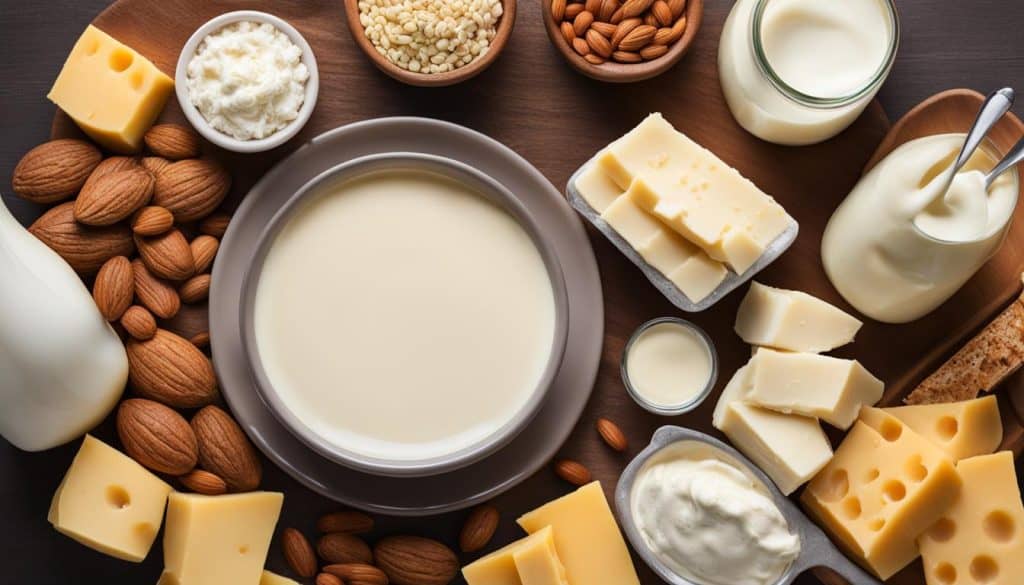
It’s important to note that dairy alternatives can also provide similar benefits for individuals who cannot consume dairy. Soy and nut-based milk, yogurt, and cheese are excellent options to consider. These alternatives are often fortified with calcium and fortified with vitamins that are typically found in dairy products. By incorporating dairy or suitable alternatives into your daily meals, you can enhance your calcium intake and support your bone health.
In addition to calcium, dairy products also contain other essential nutrients such as vitamin D, which helps with calcium absorption, and potassium, which is important for maintaining healthy blood pressure. However, it’s essential to choose lower-fat options, such as skim milk or reduced-fat cheeses, to maintain a healthy diet. Always check food labels to make informed choices and opt for healthier alternatives whenever possible.
Understanding Fats and Oils in the Eatwell Plate
When it comes to maintaining a healthy diet, understanding the different types of fats and oils is crucial. The Eatwell Plate emphasizes the importance of choosing unsaturated fats over saturated fats for optimal health. Unsaturated fats, found in vegetable oils, avocados, and nuts, are considered healthier options as they can help lower cholesterol levels and reduce the risk of heart disease.
On the other hand, saturated fats, found in butter, fatty cuts of meat, and full-fat dairy products, should be consumed in moderation. High intake of saturated fats can contribute to higher cholesterol levels and increase the risk of heart disease. The Eatwell Plate encourages individuals to limit their consumption of saturated fats and choose leaner protein sources and lower-fat dairy alternatives.
It’s important to note that fats and oils are still an essential part of a balanced diet, providing energy and aiding in the absorption of fat-soluble vitamins. However, it’s recommended to consume them in moderation and opt for healthier options whenever possible.
The Benefits of Unsaturated Fats
Unsaturated fats, particularly monounsaturated and polyunsaturated fats, have numerous health benefits. They can help lower bad cholesterol levels, reduce the risk of heart disease, and support overall cardiovascular health. Foods rich in unsaturated fats, such as olive oil, fatty fish like salmon, and avocados, can be incorporated into a healthy diet to promote optimal well-being.
| Type of Fat | Food Sources |
|---|---|
| Monounsaturated fats | Olive oil, avocados, nuts, and seeds |
| Polyunsaturated fats | Fatty fish, such as salmon and mackerel, walnuts, and flaxseeds |
Reducing Saturated Fat Intake
In order to maintain a healthy diet, it’s important to reduce the consumption of saturated fats. The Eatwell Plate recommends the following tips:
- Choose lean cuts of meat and trim off visible fat.
- Opt for low-fat dairy products or dairy alternatives.
- Use vegetable oils, such as olive or sunflower oil, for cooking instead of butter or lard.
By making these simple adjustments, individuals can minimize their saturated fat intake and promote better health outcomes.
Limitations on Sugary and Fatty Foods
The eatwell plate emphasizes the importance of limiting the consumption of sugary and fatty foods, also known as discretionary foods. These foods provide little nutritional value and are often high in calories, saturated fats, and added sugars. While it’s okay to enjoy these foods occasionally as part of a balanced diet, consuming them in excess can lead to weight gain, poor nutrient intake, and an increased risk of chronic diseases.
Some examples of sugary foods include cakes, cookies, candies, sugary drinks, and syrups. These items can contribute to tooth decay and can cause blood sugar spikes. Fatty foods, on the other hand, include items like fried foods, processed snacks, butter, and high-fat dairy products. They are often high in unhealthy saturated and trans fats, which can raise cholesterol levels and increase the risk of heart disease.
“The eatwell plate encourages individuals to prioritize nutritious choices and limit the consumption of discretionary foods,” says Dr. Jane Doe, a nutrition expert. “By reducing our intake of sugary and fatty foods, we can improve our overall health and wellbeing.”
Instead of relying on sugary and fatty foods, individuals are encouraged to focus on nutrient-dense options that provide essential vitamins, minerals, and fiber. These include fruits, vegetables, whole grains, lean proteins, and low-fat dairy or plant-based alternatives. Making small changes to our eating habits and incorporating these healthier choices can have a significant impact on our overall health and help us maintain a balanced diet.
| Discretionary Foods | Healthy Alternatives |
|---|---|
| Cakes, cookies, and pastries | Fresh fruits or homemade baked goods made with healthier ingredients |
| Sugary drinks and sodas | Water, herbal teas, or homemade fruit-infused water |
| Fried foods and chips | Baked or grilled options, like baked sweet potato fries |
| High-fat dairy products | Low-fat or fat-free dairy products or plant-based alternatives |
By being mindful of our food choices and reducing the consumption of sugary and fatty foods, we can improve our overall diet quality and support our long-term health goals.
References
- Public Health England. (n.d.). The Eatwell Guide. Retrieved from https://www.nhs.uk/live-well/eat-well/the-eatwell-guide/
- Nutrition Australia. (2021). Discretionary Foods. Retrieved from https://nutritionaustralia.org/fact-sheets/discretionary-foods/
Conclusion
The eat well plate provides valuable guidelines for achieving a healthy, balanced diet. By following the recommendations outlined in the eat well plate, I can make informed food choices and optimize my nutrient intake. Incorporating a variety of fruits, vegetables, starchy foods, protein sources, and dairy or alternatives into my meals is key.
Moderation is the key when it comes to fats, oils, sugary foods, and discretionary items. While it’s okay to indulge in these foods occasionally, it’s important to limit their intake and prioritize nutritious choices for overall health and wellbeing.
By adopting the principles of the eat well plate, I can contribute to a healthier lifestyle and improve my overall well-being. Making small changes to my eating habits can have a big impact on my health in the long run. Remember, the eat well plate is not just a temporary diet, but a sustainable nutrition advice that can help me maintain a healthy lifestyle.
FAQ
What is the Eatwell Plate?
The Eatwell Plate is a guide developed by Public Health England, in collaboration with the Welsh Government, Scottish Government, and Food Standards Agency in Northern Ireland. It is designed to help people make healthier food choices and achieve a balanced diet.
Who is the Eatwell Plate suitable for?
The Eatwell Plate is suitable for most people, regardless of their weight, dietary preferences, or ethnic background. However, it does not apply to children under the age of two, as they have unique nutritional needs.
Can vegetarians follow the Eatwell Plate?
Yes, the Eatwell Plate can be followed by vegetarians and individuals with special dietary requirements or medical conditions. It provides a framework for healthy eating and portion control.
What are the food groups in the Eatwell Plate?
The Eatwell Plate is divided into five food groups: fruits and vegetables, starchy foods, dairy and alternatives, protein sources, and oils and spreads.
Why are fruits and vegetables important?
Fruits and vegetables are a vital part of a healthy diet as they are rich in vitamins, minerals, and dietary fiber. The Eatwell Plate recommends consuming at least five portions of a variety of fruits and vegetables each day.
What are starchy foods?
Starchy foods include bread, rice, pasta, and potatoes. They form the foundation of a balanced diet as they provide essential nutrients and fiber. The Eatwell Plate recommends choosing wholegrain varieties whenever possible.
What are good sources of protein?
The Eatwell Plate recommends including a variety of protein sources, such as meat, fish, eggs, beans, and pulses, in our diet. Lean cuts of meat, fish, and plant-based proteins like beans and lentils are lower in fat and provide important vitamins and minerals.
Why is dairy important?
Dairy products are valuable sources of protein, vitamins, and calcium. Calcium is essential for maintaining strong bones and teeth. The Eatwell Plate recommends consuming dairy products or suitable alternatives daily.
What types of fats and oils should we consume?
The Eatwell Plate advises choosing unsaturated fats, such as vegetable oils, as they are healthier options compared to saturated fats. Saturated fats can increase cholesterol levels and contribute to heart disease if consumed in excess.
What are discretionary foods?
Discretionary foods are items high in fat, salt, and sugar that provide little nutritional value. Examples include cakes, cookies, sugary drinks, and high-fat snacks. While it’s okay to indulge in these foods occasionally, it’s important to limit their intake and prioritize nutritious choices.
How can the Eatwell Plate contribute to a healthier lifestyle?
By following the recommendations outlined in the Eatwell Plate, individuals can make informed food choices and optimize their nutrient intake. Incorporating a variety of food groups and moderating fats, oils, and sugary foods can support overall health and well-being.