
The Eat Well Plate explained – Hey there! It’s time to dive into the world of nutrition and discover the secrets behind creating a healthy and balanced diet. Today, I want to introduce you to a powerful tool that will revolutionize the way you approach your meals – the Eat Well Plate.
The Eat Well Plate is a visual guide designed to help you make informed choices about the foods you eat. It breaks down the complexities of nutrition into simple, easy-to-understand sections, ensuring that you get the right proportions of nutrients for a healthy lifestyle.
But what exactly is the Eat Well Plate and how can it benefit you? Let’s take a closer look.
Key Takeaways:
- The Eat Well Plate is a visual guide for creating healthy and balanced meals.
- It helps you understand the right proportions of nutrients you need.
- By following the Eat Well Plate, you can improve your dietary habits and enjoy the health benefits of a well-rounded diet.
- Focus on portion control, incorporate a variety of food groups, and stay physically active for optimal health.
- The Eat Well Plate simplifies the process of making healthy food choices.
The Basics of the Eat Well Plate
The Eat Well Plate is a simple and effective tool that can help individuals make healthier food choices and maintain a balanced diet. By understanding the basics of the Eat Well Plate, you can start incorporating portion control and the right food groups into your meals for optimal nutrition.
Understanding Portion Control
Portion control plays a crucial role in maintaining a healthy weight and ensuring you get the right nutrients. The Eat Well Plate emphasizes the importance of balancing your plate with the right portion sizes from each food group. This helps prevent overeating and promotes a well-rounded diet.
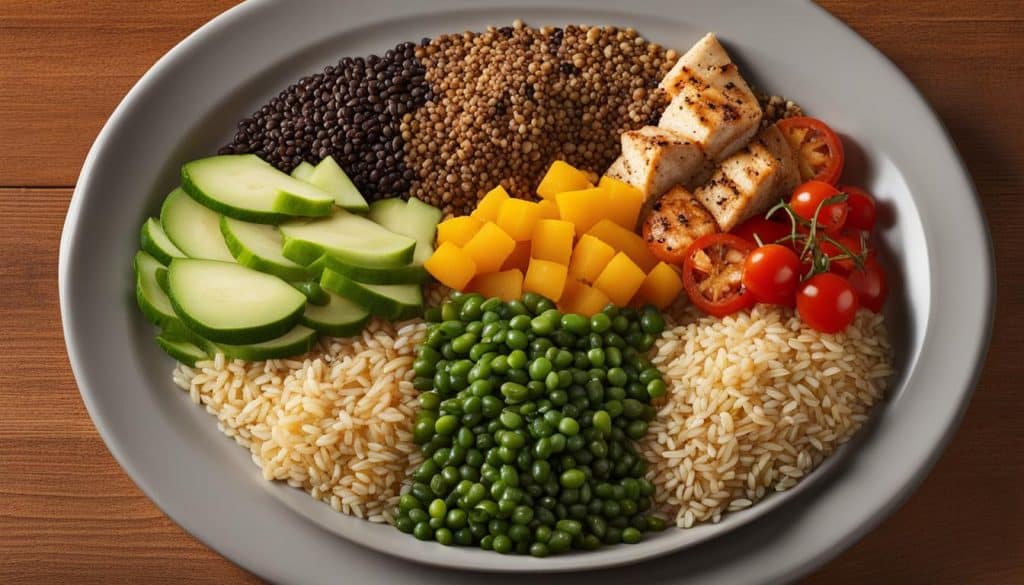
When filling your plate, imagine dividing it into four quarters. Fill half of the plate with vegetables and fruits, one quarter with healthy proteins, and the remaining quarter with whole grains. By visually dividing your plate in this way, you can easily visualize the right proportions and create balanced meals.
The Food Groups in the Eat Well Plate
The Eat Well Plate is divided into different food groups to ensure you are getting a variety of nutrients in your diet. These include:
- Healthy Oils: These include olive oil, canola oil, and other plant-based oils that are rich in monounsaturated and polyunsaturated fats.
- Water: Staying hydrated is essential for overall health. Aim for 6-8 glasses of water per day.
- Vegetables and Fruits: These provide essential vitamins, minerals, and fiber. Aim for a variety of colors and types.
- Healthy Protein: Sources include lean meats, poultry, fish, beans, and nuts. These provide essential amino acids for muscle repair and growth.
- Whole Grains: Choose whole grain options such as whole wheat bread, brown rice, and oats for added fiber and nutrients.
By including these food groups in your meals and following portion control guidelines, you can create a healthy and balanced diet that supports your overall well-being.
| Food Group | Examples | Portion Size |
|---|---|---|
| Healthy Oils | Olive oil, canola oil | 1 tablespoon |
| Water | Water, tea, coffee | 6-8 glasses |
| Vegetables and Fruits | Broccoli, apples, berries | Half of the plate |
| Healthy Protein | Chicken breast, salmon, lentils | One quarter of the plate |
| Whole Grains | Whole wheat bread, brown rice | One quarter of the plate |
Remember, the Eat Well Plate is a guide to help you make informed choices about your nutrition. It’s important to consult with a healthcare professional or registered dietitian for personalized dietary advice based on your specific needs and goals.
Healthy Oils and Water
Incorporating healthy oils and staying hydrated with water are important components of a balanced diet. These two elements play a vital role in supporting overall health and well-being. Let’s take a closer look at how healthy oils and water can contribute to a nutritious lifestyle.
When it comes to healthy oils, it’s recommended to use oils such as olive and canola oil for cooking and dressing. These oils provide essential fatty acids and can help promote heart health. It’s important to practice portion control and limit the consumption of butter and foods high in trans fats, as they can have negative effects on cardiovascular health.
Staying hydrated is crucial for our bodies to function properly. Water is the best choice for quenching thirst and maintaining hydration. By choosing water, tea, or coffee with little or no added sugar, we can avoid the empty calories and excessive sugar intake found in sugary drinks. It’s advised to limit the consumption of milk/dairy and sugary drinks for optimal health.
| Healthy Oils | Water |
|---|---|
| Use olive and canola oil for cooking and dressing | Choose water, tea, or coffee with little or no sugar |
| Avoid butter and foods high in trans fats | Limit the consumption of milk/dairy and sugary drinks |
By incorporating healthy oils and staying hydrated with water, we can support our overall health and well-being. Remember to practice portion control and choose nutrient-dense options for optimal nutrition. Let’s make these choices a part of our daily routine and reap the benefits of a healthy and balanced diet.
Vegetables and Fruits
When it comes to maintaining a healthy and balanced diet, vegetables and fruits play a crucial role. They are packed with essential vitamins, minerals, and antioxidants that support overall health and well-being. Incorporating a variety of vegetables and fruits into your meals can provide numerous benefits, including improved digestion, increased energy levels, and a strengthened immune system.
The Power of Vegetables
Vegetables are a nutritional powerhouse, offering a wide range of health benefits. They are low in calories and high in fiber, which can help promote satiety and support weight management. Additionally, vegetables are rich in vitamins, such as vitamin A, vitamin C, and vitamin K, as well as minerals like potassium and magnesium. These nutrients are essential for maintaining healthy skin, boosting immune function, and supporting bone health. To maximize the nutritional benefits, it is important to consume a variety of vegetables and avoid overcooking, as this can lead to nutrient loss.
The Beauty of Fruits
Fruits are not only delicious but also provide a multitude of health benefits. They are a great source of dietary fiber, which aids in digestion and helps maintain healthy cholesterol levels. Fruits are also rich in antioxidants, which protect the body against cellular damage and chronic diseases. Additionally, they are a natural source of vitamins, such as vitamin C and vitamin E, and minerals like potassium and folate. Including a variety of fruits in your diet can help reduce the risk of chronic diseases, support heart health, and promote overall vitality.
Portion Control is Key
While vegetables and fruits are undeniably nutritious, it is important to practice portion control to maintain a balanced diet. Aim to fill half of your plate with vegetables and fruits and divide the other half between healthy proteins and whole grains. This ensures that you are getting a wide range of nutrients without consuming excessive calories. Remember, variety is key, so try to incorporate different colors of fruits and vegetables into your meals to reap the maximum nutritional benefits.
| Fruits | Serving Size | Examples |
|---|---|---|
| Apples | 1 medium | Granny Smith, Gala, Red Delicious |
| Berries | 1 cup | Strawberries, Blueberries, Raspberries |
| Citrus Fruits | 1 medium | Oranges, Grapefruits, Lemons |
| Bananas | 1 medium | Yellow Bananas |
Table: Examples of Serving Sizes for Fruits
| Vegetables | Serving Size | Examples |
|---|---|---|
| Leafy Greens | 2 cups | Spinach, Kale, Swiss Chard |
| Cruciferous Vegetables | 1 cup | Broccoli, Cauliflower, Brussels Sprouts |
| Root Vegetables | 1 medium | Carrots, Beets, Sweet Potatoes |
| Peppers | 1 medium | Bell Peppers, Chili Peppers |
Table: Examples of Serving Sizes for Vegetables
Remember, incorporating an abundance of vegetables and fruits into your diet is a great way to support your overall health. Be mindful of portion sizes to ensure a balanced intake of nutrients and enjoy the delicious flavors and textures that these natural wonders offer.
Healthy Protein and Whole Grains
When it comes to building a healthy and balanced diet, incorporating healthy protein sources and whole grains is essential. These two food groups provide vital nutrients and play a crucial role in supporting overall health and well-being.
The Importance of Healthy Protein
Healthy protein sources, such as fish, poultry, beans, and nuts, are rich in essential amino acids, which are the building blocks of protein. They help promote muscle growth, repair body tissues, and support various bodily functions. Including healthy protein in your meals can also help you feel fuller for longer, making it easier to manage portion control and maintain a healthy weight.
It’s important to choose lean protein options and limit the consumption of red meat, cheese, and processed meats, as they may be high in saturated fats and sodium. By prioritizing healthy protein choices, you can ensure you’re getting the nutrients you need while also supporting heart health and overall well-being.
The Power of Whole Grains
Whole grains are an excellent source of dietary fiber, vitamins, minerals, and antioxidants. They provide sustained energy and help regulate blood sugar levels, making them a valuable addition to a balanced diet. Whole grain options, such as whole-wheat bread, whole-grain pasta, and brown rice, offer more nutritional benefits compared to refined grains like white bread and white rice.
Adding whole grains to your meals can help improve digestion, support heart health, and reduce the risk of chronic diseases such as type 2 diabetes and certain types of cancers. As part of portion control, aim to make at least half of your grain intake whole grains for optimal health benefits.
| Healthy Protein Sources | Whole Grains |
|---|---|
| Fish (e.g., salmon, tuna) | Whole-wheat bread |
| Poultry (e.g., chicken, turkey) | Whole-grain pasta |
| Beans (e.g., lentils, chickpeas) | Brown rice |
| Nuts (e.g., almonds, walnuts) | Millet |
Remember to include healthy protein sources and whole grains in your meals to optimize your nutrient intake and support overall health. By practicing portion control and choosing nutrient-rich options, you can create a well-balanced diet that fuels your body and promotes well-being.
Stay Active
Staying active is an essential component of a healthy lifestyle. Not only does regular physical activity help maintain a healthy weight, but it also has numerous benefits for overall well-being. Engaging in exercise and movement can improve cardiovascular health, strengthen muscles and bones, boost mood and mental health, and increase energy levels.
When it comes to staying active, the key is to find activities that you enjoy and make them a regular part of your routine. Whether it’s walking, cycling, dancing, playing a sport, or doing yoga, there are countless options to choose from. The important thing is to find something that suits your interests and fits into your schedule.
To effectively incorporate physical activity into your daily life, it’s crucial to prioritize consistency and make it a habit. Set realistic goals and gradually increase the duration and intensity of your activities over time. Remember that even small bouts of activity can add up throughout the day, so don’t underestimate the power of taking the stairs instead of the elevator or going for a short walk during your lunch break.
In addition to regular exercise, maintaining portion control is also essential for a balanced and healthy diet. Portion control involves being mindful of the quantity of food you consume and ensuring that it aligns with your nutritional needs. It’s easy to overeat when portions are large, leading to excess calorie intake and potential weight gain. By practicing portion control, you can enjoy a variety of foods while still maintaining a healthy weight and meeting your nutritional requirements.
Eating Mindfully for Portion Control
Here are some tips that can help you practice portion control:
- Use smaller plates and bowls to visually trick yourself into thinking you’re eating more.
- Listen to your body’s hunger and fullness cues to avoid overeating.
- Slow down and savor each bite, allowing yourself to fully enjoy the flavors and textures of your food.
- Be mindful of portion sizes when dining out, as restaurant servings are often larger than necessary.
- Include a variety of foods in your meals to make them more satisfying and fulfilling.
By staying active and practicing portion control, you can achieve a healthy and well-balanced lifestyle. Remember that small, consistent changes in your daily habits can lead to significant long-term benefits for your physical and mental well-being.
Building a Healthy and Balanced Diet
When it comes to maintaining a healthy lifestyle, one of the key factors is ensuring that we have a well-balanced diet. By following the principles of the Eat Well Plate, we can easily create meals that provide us with the necessary nutrients for optimal health. Let’s take a closer look at how we can build a healthy and balanced diet.
Focus on Vegetables and Fruits
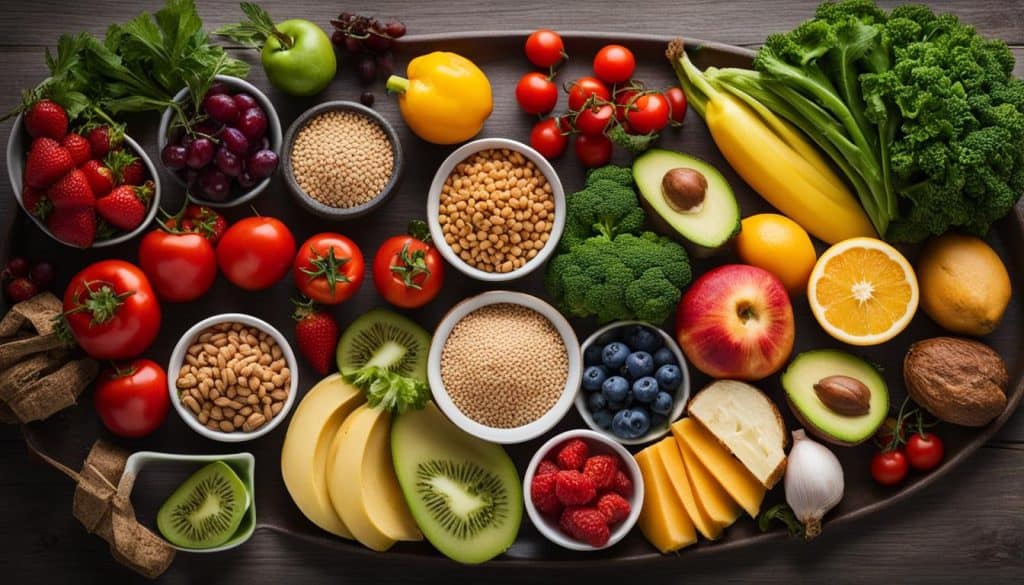
Vegetables and fruits should make up the majority of our meals. These food groups are packed with essential vitamins, minerals, and fiber. Aim to include a variety of colorful vegetables and fruits in your diet to ensure you’re getting a wide range of nutrients. Remember to practice portion control to maintain a balanced intake.
Choose Whole Grains
Whole grains are an important part of a balanced diet. They provide us with energy and are a great source of fiber. Opt for whole-grain options such as whole-wheat bread, brown rice, and whole-grain pasta. These choices are higher in nutrients compared to their refined counterparts. Just like with vegetables and fruits, portion control is key.
Include Healthy Proteins
Healthy proteins are essential for muscle repair and growth. Fish, poultry, beans, and nuts are excellent sources of protein that are low in saturated fat. Incorporate these protein sources into your meals while limiting red meat, cheese, and processed meats. Remember to practice portion control to maintain a balanced diet.
Moderate the Use of Healthy Oils
Healthy oils, such as olive and canola oil, are good for your heart and provide essential fatty acids. However, it’s important to moderate their use. Use oils for cooking and dressing in moderation, and avoid excessive consumption. Remember, portion control is key to maintaining a balanced intake of all food groups.
By incorporating these principles into your lifestyle, you can build a healthy and balanced diet that provides you with the necessary nutrients for optimal health. Remember to practice portion control and make mindful choices when it comes to your food selections. With a well-rounded diet, you’ll be on your way to achieving your health and wellness goals.
Your Plate and the Planet
In today’s world, the choices we make about what we eat can have a significant impact on the environment. As we strive for healthy eating habits, it’s important to consider the environmental consequences of our food choices. By making sustainable food choices, we can contribute to a healthier planet while nourishing our bodies.
One way to reduce our environmental impact is by choosing foods that have a lower carbon footprint. For example, opting for plant-based proteins like beans, lentils, and tofu instead of meat can significantly reduce greenhouse gas emissions. These plant-based alternatives require fewer resources, such as land and water, making them more sustainable options.
| Environmental Impact | Healthy Eating Benefits | |
|---|---|---|
| Meat and Dairy | High emissions, land and water use | Protein and calcium sources |
| Plant-based Proteins | Lower emissions, land and water use | Protein, fiber, and essential nutrients |
| Local and Seasonal Produce | Reduced transportation emissions | Fresh, flavorful, and nutrient-rich |
| Organic Foods | Reduced pesticide use and soil degradation | Minimize exposure to harmful chemicals |
Another way to lessen our environmental impact is by choosing local and seasonal produce. This reduces the transportation emissions associated with importing food from distant regions. It also supports local farmers and allows us to enjoy fresh, flavorful produce that is at its nutritional peak.
Finally, opting for organic foods can help minimize the use of pesticides and promote healthier soil. Organic farming practices prioritize the use of natural fertilizers and pest control methods, which are better for both our health and the environment.
By considering the environmental impact of our food choices and making sustainable decisions, we can contribute to a healthier planet while also nourishing our bodies with the nutrients they need.
Conclusion
As we conclude this nutrition guide, it is evident that the Eat Well Plate is an invaluable tool for promoting healthy eating and maintaining a balanced diet. By following its principles, I can improve my dietary habits and reap the benefits of a well-rounded nutrition plan.
One of the key takeaways from the Eat Well Plate is the importance of portion control. By understanding the recommended proportions of each food group, I can ensure that I am consuming the right amount of nutrients for my body’s needs.
Incorporating a variety of food groups is another essential aspect of a balanced diet. The Eat Well Plate reminds me to make vegetables and fruits the majority of my meals, choose whole grains, and include healthy proteins. This variety guarantees that I am getting a wide range of vitamins, minerals, and other essential nutrients.
Lastly, the Eat Well Plate emphasizes the significance of staying physically active. By incorporating regular exercise into my daily routine, I can improve my overall health and well-being. Being physically active is not just about weight control, but it also has numerous benefits for my cardiovascular health, mental well-being, and energy levels.
FAQ
What is the Eat Well Plate?
The Eat Well Plate is a visual guide that helps individuals create healthy and balanced meals. It is divided into different sections, each representing a food group.
How does the Eat Well Plate work?
By following the Eat Well Plate, individuals can ensure they are getting the right proportions of nutrients for a healthy lifestyle. Each section provides guidance on the types and amounts of food to include in a balanced diet.
What are the food groups included in the Eat Well Plate?
The Eat Well Plate includes healthy oils, water, vegetables, fruits, healthy protein, whole grains, and staying active as its food groups.
What is the importance of portion control in the Eat Well Plate?
The Eat Well Plate emphasizes the importance of portion control to ensure a balanced diet. It provides guidance on the right portions of different food groups to maximize nutritional benefits.
What types of healthy oils are recommended in the Eat Well Plate?
The Eat Well Plate encourages the use of oils like olive and canola oil for cooking and dressing. It suggests limiting butter and avoiding trans fats.
What are the recommended beverages in the Water section of the Eat Well Plate?
The Eat Well Plate emphasizes the importance of staying hydrated and suggests choosing water, tea, or coffee with little or no sugar. It advises limiting milk/dairy and sugary drinks.
What vegetables should I include in my diet according to the Eat Well Plate?
The Eat Well Plate highlights the importance of consuming a variety of vegetables. It advises avoiding potatoes and French fries and suggests including a variety of other vegetables in your meals.
How much fruit should I eat according to the Eat Well Plate?
The Eat Well Plate encourages individuals to eat plenty of fruits of all colors. It advises including a variety of fruits in your diet and recommends portion control for optimal nutritional benefits.
What are the recommended sources of healthy protein in the Eat Well Plate?
The Eat Well Plate advises choosing fish, poultry, beans, and nuts as healthy protein sources. It suggests limiting red meat and cheese and avoiding processed meats.
What are examples of whole grains according to the Eat Well Plate?
The Eat Well Plate encourages the consumption of whole grains like whole-wheat bread, whole-grain pasta, and brown rice. It advises limiting refined grains like white rice and white bread.
Why is staying active important according to the Eat Well Plate?
The Eat Well Plate emphasizes the importance of incorporating physical activity into daily routines for weight control and overall health. It encourages individuals to find activities they enjoy and make them a regular part of their lives.
How can I build a healthy and balanced diet with the Eat Well Plate?
The Eat Well Plate advises individuals to make vegetables and fruits the majority of their meals, choose whole grains, include healthy proteins, moderate the use of healthy oils, and drink water, tea, or coffee instead of sugary drinks. It promotes portion control and variety for a well-rounded diet.
How can my food choices impact the environment according to the Eat Well Plate?
The Eat Well Plate highlights the connection between food choices and their impact on the environment. It encourages individuals to consider the environmental consequences of food production and make sustainable food choices when possible.
What are the benefits of following the Eat Well Plate?
By following the principles of the Eat Well Plate, individuals can improve their dietary habits and enjoy the health benefits of a well-rounded diet. It promotes optimal nutrition, portion control, and physical activity for overall health and well-being.