
Do diet plates work? Hello! Welcome to my article where I dive into the effectiveness of diet plates for weight loss and portion control. If you’ve ever wondered whether these plates truly make a difference, you’re in the right place. Let’s uncover the facts together!
When it comes to managing our food intake and promoting a healthier lifestyle, diet plates have gained popularity. These specially designed plates are believed to help control portion sizes and support weight loss efforts. But do they really work? Let’s explore the evidence and find out.
Key Takeaways:
- Diet plates are designed to assist with portion control and weight loss.
- Scientific research supports the effectiveness of portion control plates.
- Using diet plates can promote mindful eating and awareness of portion sizes.
- Pairing diet plates with other healthy habits enhances their effectiveness.
- It’s important to choose diet plates that suit your individual needs and preferences.
Now that we have set the stage, let’s delve deeper into the science and discover whether diet plates are truly effective tools for achieving your weight loss goals.
The Benefits of Choosing Whole Grains
When it comes to maintaining a healthy diet, one key aspect that often gets overlooked is the importance of choosing whole grains. Whole grains have numerous health benefits that can contribute to weight control, heart health, and diabetes prevention. Unlike refined grains, such as white bread and white rice, which have been stripped of their valuable nutrients, whole grains retain the fiber, vitamins, and minerals that are essential for our well-being.
In fact, the Healthy Eating Plate, created by experts at Harvard T.H. Chan School of Public Health and Harvard Medical School, strongly recommends choosing whole grains over refined grains. According to their research, whole grains are associated with a lower risk of heart disease, type 2 diabetes, and certain types of cancer. They also help improve digestion and provide a steady release of energy, keeping us fuller for longer periods of time.
While the U.S. Department of Agriculture’s MyPlate has since been revised to suggest including at least half of the grains as whole grains, it initially did not emphasize this important distinction. By making whole grains a regular part of our diet, we can reap the benefits of their nutritional value and improve our overall health.
So, the next time you’re shopping for groceries or planning a meal, consider incorporating whole grains like quinoa, brown rice, and whole wheat bread into your diet. Your body will thank you for it!
The Role of Healthy Protein Sources
When it comes to maintaining a healthy diet, the consumption of healthy protein sources plays a crucial role. Not only do these protein sources provide essential nutrients, but they also offer additional health benefits that contribute to overall well-being. The Healthy Eating Plate, developed by experts at Harvard T.H. Chan School of Public Health and Harvard Medical School, emphasizes the importance of choosing healthy protein sources like fish, poultry, beans, and nuts.
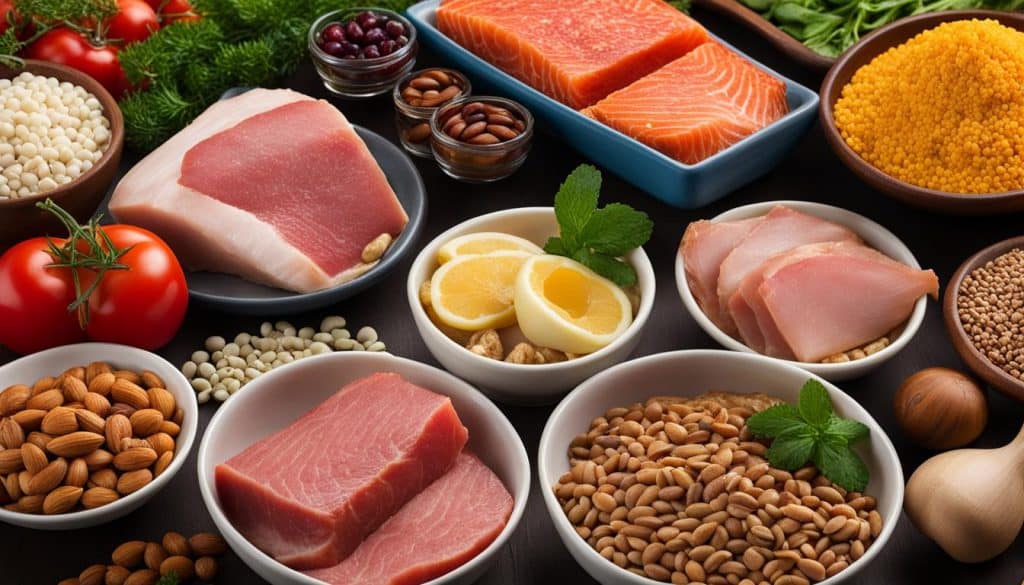
By incorporating fish, poultry, beans, and nuts into your diet, you not only obtain the necessary protein your body needs but also reap the benefits of their nutritional value. These protein sources are rich in vitamins, minerals, and healthy fats, which contribute to heart health, weight management, and disease prevention. On the contrary, the consumption of red meat and processed meat, as advised against by the Healthy Eating Plate, has been associated with an increased risk of heart disease, diabetes, colon cancer, and weight gain.
While the U.S. Department of Agriculture’s MyPlate offers a less specific recommendation for protein sources, allowing a wider range of options including burgers and hot dogs, the Healthy Eating Plate takes a more comprehensive approach by guiding individuals towards beneficial and nutritious choices.
The Benefits of Healthy Protein Sources
“Choosing healthy protein sources like fish, poultry, beans, and nuts provides not only essential nutrients but also additional health benefits, contributing to overall well-being.”
With the inclusion of these healthy protein sources in your diet, you can nourish your body with the necessary protein while enjoying the numerous health benefits they offer. By prioritizing the consumption of fish, poultry, beans, and nuts and limiting red meat and processed meat, you can make a positive impact on your heart health, weight management, and overall longevity.
The Importance of Abundant Vegetables
When it comes to eating a healthy diet, incorporating abundant vegetables into our meals is crucial. Vegetables are packed with essential vitamins, minerals, and fiber that support our overall health and well-being. By including a variety of vegetables in our daily diet, we can reap numerous benefits.
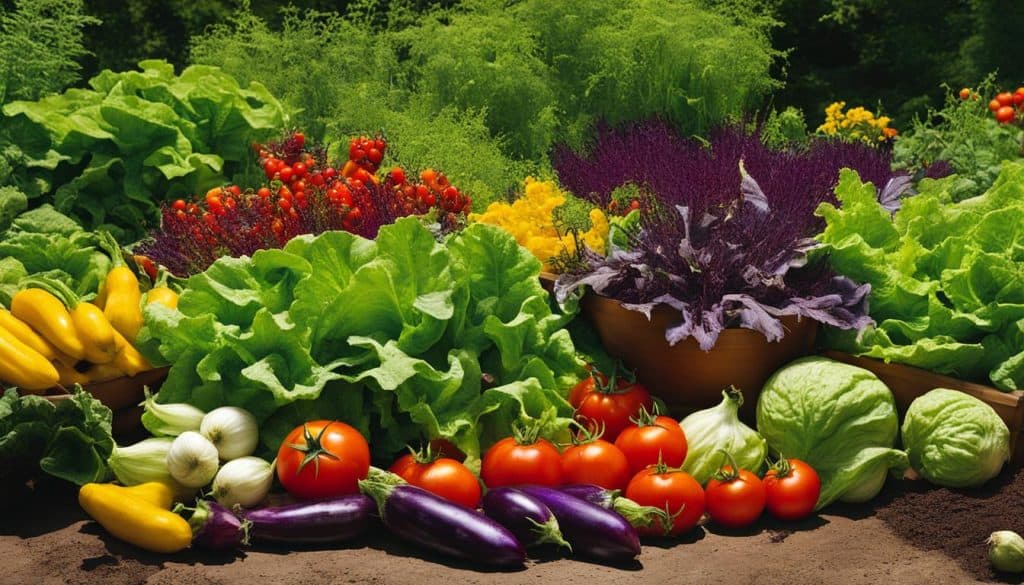
First and foremost, vegetables are low in calories and high in volume, making them an excellent choice for weight management. They provide a satisfying and filling effect, helping to control hunger and prevent overeating. Additionally, their high fiber content aids in digestion and promotes a healthy gut, reducing the risk of constipation and other digestive issues.
Furthermore, vegetables are rich in antioxidants, which help protect our cells from damage caused by free radicals. These antioxidants can help reduce the risk of chronic diseases, such as heart disease and certain types of cancer. Additionally, the diverse range of nutrients found in vegetables supports a strong immune system and promotes optimal health.
To make the most of the benefits of vegetables, it’s important to consume a variety of colors and types. Each color group offers unique nutrients and health benefits. Consider adding leafy greens like spinach and kale, brightly colored peppers and tomatoes, and cruciferous vegetables like broccoli and cauliflower to your meals. Experiment with different cooking methods and recipes to keep things interesting and enjoyable.
| Key Benefits of Vegetables | Examples of Vegetables |
|---|---|
| Weight management | Spinach, kale, bell peppers, cauliflower |
| Antioxidant protection | Tomatoes, carrots, sweet potatoes, broccoli |
| Digestive health | Cabbage, Brussels sprouts, asparagus, celery |
| Immune support | Garlic, onions, mushrooms, beets |
By prioritizing vegetables in our diet, we can enhance our overall well-being and enjoy the numerous benefits they offer. So let’s embrace the abundance of vegetables and make them a delicious and vibrant part of our daily meals.
The Role of Colorful Fruits
When it comes to maintaining a healthy diet, incorporating a variety of colorful fruits is key. Fruits are not only delicious, but they also offer numerous health benefits. They are packed with essential vitamins, minerals, and antioxidants that promote overall well-being. Let’s explore some of the benefits of including colorful fruits in your diet.
Firstly, colorful fruits are rich in vitamins and minerals that support a strong immune system. Fruits like oranges, strawberries, and kiwis are excellent sources of vitamin C, which helps to boost immunity and protect against common illnesses. Additionally, fruits like bananas and avocados are high in potassium, which plays a crucial role in maintaining healthy blood pressure levels.
Moreover, the antioxidants found in colorful fruits help to combat oxidative stress and reduce the risk of chronic diseases. For example, berries such as blueberries, raspberries, and blackberries are packed with antioxidants that promote brain health and reduce the risk of age-related cognitive decline. Other fruits like watermelon and tomatoes contain lycopene, an antioxidant known for its potential in reducing the risk of certain cancers.
When it comes to weight management, incorporating colorful fruits into your diet can be beneficial. Fruits are naturally low in calories and high in fiber, which helps to keep you feeling full and satisfied. They also provide a satisfying sweetness, making them a healthier alternative to sugary snacks and desserts. Including a variety of colorful fruits in your meals and snacks can contribute to a well-balanced diet and support your weight management goals.
Table: Health Benefits of Colorful Fruits
| Fruit | Vitamins and Minerals | Health Benefits |
|---|---|---|
| Oranges | Vitamin C, potassium | Boosts immunity, supports heart health |
| Berries | Vitamin C, antioxidants | Improves brain health, reduces the risk of chronic diseases |
| Bananas | Potassium | Maintains healthy blood pressure levels |
| Watermelon | Vitamin C, lycopene | Reduces the risk of certain cancers |
Incorporating a variety of colorful fruits into your diet is an excellent way to support your health and well-being. Whether you enjoy them as a refreshing snack, add them to smoothies, or use them to create delicious fruit salads, the benefits of colorful fruits are undeniable. So, next time you’re at the grocery store, make sure to fill your cart with a rainbow of fruits and experience the many advantages they offer.
The Benefits of Healthy Oils
When it comes to maintaining a healthy diet, incorporating the right types of fats and oils is crucial. Healthy oils, such as olive oil and canola oil, offer numerous benefits for our overall well-being. These oils are rich in heart-healthy monounsaturated fats and help to reduce the risk of cardiovascular diseases and inflammation.
Studies have shown that consuming healthy oils in moderation can also improve cholesterol levels and promote better blood sugar control. The monounsaturated fats found in these oils can help to lower bad cholesterol (LDL) levels, while increasing good cholesterol (HDL) levels. This can have a positive impact on heart health and reduce the risk of heart disease.
Furthermore, healthy oils provide essential nutrients and antioxidants that support brain health and reduce the risk of cognitive decline. They also aid in the absorption of fat-soluble vitamins, such as vitamins A, D, E, and K. Including healthy oils in our daily diet can contribute to a well-rounded and nutritious eating plan.
| Benefits of Healthy Oils |
|---|
| Reduces the risk of cardiovascular diseases |
| Improves cholesterol levels |
| Promotes better blood sugar control |
| Supports brain health and reduces the risk of cognitive decline |
| Aids in the absorption of fat-soluble vitamins |
It’s important to note that while healthy oils offer numerous benefits, they should still be consumed in moderation due to their high calorie content. One tablespoon of oil contains approximately 120 calories, so it’s essential to use them wisely in cooking and dressings.
Next time you’re in the kitchen, consider reaching for a bottle of olive oil or canola oil to add a healthy dose of monounsaturated fats to your meals. Your heart and overall health will thank you!
The Importance of Water and Limiting Dairy
When it comes to maintaining a healthy lifestyle, the benefits of water and the role of dairy in our diet play a crucial role. Not only is water essential for our overall well-being, but it also aids in weight management and supports various bodily functions. On the other hand, while dairy products are a good source of calcium and nutrients, it’s important to consume them in moderation to avoid potential health risks.
Water is a fundamental component of our bodies, making up a significant portion of our cells, tissues, and organs. Staying hydrated helps regulate body temperature, lubricate joints, and transport nutrients and waste throughout the body. Moreover, studies have shown that drinking water can promote weight loss by increasing metabolism and reducing calorie intake, as it provides a feeling of fullness. So, if you’re looking to shed a few pounds, increasing your water intake is a simple and effective strategy.
On the other hand, while dairy products like milk, cheese, and yogurt are widely consumed for their calcium content and other essential nutrients, it’s important to be mindful of the quantity. High dairy consumption has been associated with increased risk of certain health conditions, such as heart disease and prostate cancer. Therefore, it’s recommended to limit dairy intake to one to two servings per day, opting for low-fat or non-dairy alternatives when possible. By doing so, you can still enjoy the benefits of dairy without the potential health risks.
| Dairy Products | Serving Size |
|---|---|
| Milk (1% or skim) | 1 cup |
| Cheese | 1.5 ounces |
| Yogurt | 1 cup |
Remember, maintaining a balanced diet is all about moderation and making informed choices. So, make sure to prioritize water as an essential part of your daily routine and be mindful of your dairy consumption to support a healthy lifestyle. By doing so, you’ll be taking active steps towards optimal well-being and overall health.
The Importance of Staying Active
Staying active is not only crucial for maintaining a healthy weight, but it also offers a myriad of other benefits for our overall well-being. Regular physical activity can boost our mood, increase energy levels, improve cardiovascular health, strengthen muscles and bones, and reduce the risk of chronic diseases such as heart disease, diabetes, and certain types of cancer. It is not surprising that the Healthy Eating Plate emphasizes the significance of combining a healthy diet with regular exercise to achieve optimal health.
Engaging in physical activities that we enjoy not only makes exercise more enjoyable, but it also increases the likelihood of sticking to a consistent routine. Incorporating activities such as walking, cycling, swimming, dancing, or playing a sport into our daily lives not only helps us burn calories but also improves our overall fitness levels. Findings from a study published in the Journal of Physical Activity and Health indicate that individuals who engage in regular physical activity are more likely to maintain a healthy weight and experience a lower risk of weight-related health issues.
To further highlight the importance of staying active, a comparative study published in the Journal of Sports Science and Medicine found that individuals who combined a healthy diet with regular physical activity were more successful in long-term weight management compared to those who focused solely on dieting. The study concluded that incorporating exercise into a weight loss regime not only increases the likelihood of achieving weight loss goals but also helps maintain the weight loss over time.
Benefits of Staying Active:
- Weight management
- Improved mood and mental well-being
- Increased energy levels
- Enhanced cardiovascular health
- Stronger muscles and bones
- Reduced risk of chronic diseases
| Healthy Eating Plate | MyPlate | |
|---|---|---|
| Emphasizes the importance of physical activity | Yes | No |
| Provides guidance on exercise recommendations | No | No |
| Recognizes the role of exercise in weight management | Yes | No |
Guidelines for Supersizing Salads
When it comes to managing portion sizes while enjoying a hearty salad, there are a few tips to keep in mind. Supersizing salads can be a healthy option, but it’s essential to be mindful of calorie-dense extras that can sneakily increase your overall caloric intake. By following these guidelines, you can maintain portion control and still enjoy a satisfying salad.
The first step is to pay attention to the toppings you choose. While ingredients like cheese, croutons, and dressings add flavor to your salad, they can also pack on extra calories. To manage portion sizes effectively, measure out these extras or opt for dressings on the side. This way, you can control the amount you consume without sacrificing taste.
Additionally, it’s crucial to be aware of the types of dressings you use. Creamy dressings, such as ranch or blue cheese, tend to be higher in calories compared to vinaigrettes or lemon juice. Opting for lighter dressings or using them sparingly can help you keep your salad’s calorie content in check.
“When it comes to portion control, measuring out the extras and opting for light dressings can make a significant difference in the overall caloric intake of your salad.”
Finally, consider the size of your salad bowl or plate. Using a larger bowl might tempt you to pile on more ingredients, which can lead to larger portion sizes. Instead, choose a smaller bowl or plate to help control your portion sizes naturally.
Using Veggies for Portion Control
Incorporating vegetables into your meals can be a clever way to control portion sizes and manage your caloric intake. Research suggests that having abundant servings of low-calorie vegetables on the table can help reduce overall calorie consumption. By making vegetables a focal point of your meal, you can trick your brain into feeling satisfied while consuming fewer high-calorie foods like starches and proteins.
One effective technique is to include vegetable side dishes that complement your main course. For example, if you’re serving a hearty pasta dish, consider adding a vibrant salad or steamed vegetables as a side. By having a variety of colorful vegetables easily accessible, you’re more likely to reach for them and consume a larger portion without increasing your overall calorie intake.
Another strategy is to incorporate chopped fresh spinach into your recipes. Adding a handful of this nutritious green to dishes like rice or stir-fries can increase the volume of your meal without significantly adding to its calorie content. This simple trick allows you to enjoy a larger portion size without compromising your weight management goals. Plus, you’ll be benefiting from the extra nutrients provided by the leafy green.
Benefits of Using Vegetables for Portion Control:
- Low-calorie option: Vegetables are naturally low in calories, making them ideal for portion control.
- Nutrient-dense: Vegetables are packed with essential vitamins, minerals, and fiber, providing numerous health benefits.
- Variety and flavors: Incorporating a variety of vegetables into your meals adds depth of flavor and keeps your plate visually appealing.
- Satiety: The high fiber content of vegetables helps you feel fuller for longer, reducing the likelihood of overeating.
- Flexibility: Vegetables can be cooked in various ways, allowing you to experiment with different flavors and cooking techniques.
By using vegetables as a tool for portion control, you can create satisfying meals that are both delicious and nutritious. Whether you’re looking to maintain a healthy weight or simply adopt healthier eating habits, incorporating more vegetables into your meals is a smart and effective strategy.
Increasing Portions with Produce
When it comes to portion control, incorporating more vegetables into meals can be a smart and effective strategy. Not only do vegetables add nutritional value to your dishes, but they can also help increase the portion size without adding excessive calories. One simple technique is to add chopped fresh spinach to dishes like rice or pasta. By doing so, you can create a bulked-up dish with extra servings of nutrient-packed veggies.
Adding vegetables to your meals not only provides a satisfying volume of food but also helps you feel more satiated. Research has shown that adding low-calorie vegetables to your plate can help reduce overall caloric intake. By filling up on veggies, you can naturally decrease your consumption of higher-calorie foods like starches and proteins.
Here’s a quick and easy recipe idea to help you incorporate more vegetables into your meals:
Veggie-Packed Stir-Fry
- Ingredients:
- 1 cup chopped broccoli
- 1 cup sliced bell peppers
- 1 cup snap peas
- 1 cup sliced mushrooms
- 1 cup sliced carrots
- 2 cloves of garlic, minced
- 1 tablespoon olive oil
- 2 tablespoons low-sodium soy sauce
- 1 teaspoon sesame oil
- Optional: protein of your choice (e.g., tofu, chicken, shrimp)
Directions:
- Heat olive oil in a large skillet or wok over medium heat.
- Add minced garlic and cook for 1-2 minutes until fragrant.
- Add all the vegetables (and protein if desired) to the skillet and cook until tender-crisp.
- In a small bowl, whisk together soy sauce and sesame oil.
- Pour the sauce over the vegetables and stir to coat evenly.
- Continue cooking for an additional 2-3 minutes to allow the flavors to meld.
- Serve the stir-fry over cooked rice or noodles for a complete meal.
By including a variety of colorful vegetables in your stir-fry, you’ll not only be increasing your portion sizes but also benefiting from the array of vitamins, minerals, and antioxidants they offer. This flavorful and satisfying dish is just one example of how you can boost your portions and your nutrition with the help of vegetables.
Conclusion
After exploring the benefits of portion control and the recommendations of the Healthy Eating Plate, it is evident that portion control plates can be a helpful tool for weight loss and maintaining a healthy lifestyle. In a study, participants found these plates to be educational, easy to use, and potentially effective in controlling portion sizes.
Portion control plates provide valuable guidance, raising awareness about appropriate portions and helping individuals make informed choices. They can be particularly useful in weight management interventions when used alongside other strategies.
However, it is important to note that while portion control plates can be effective, they do have some limitations. Some individuals may find the markings or instructions on these plates unclear, and using them may be inconvenient when eating away from home.
In conclusion, portion control plates have the potential to assist in weight loss and portion management. When used correctly, they can be a valuable tool in controlling portion sizes and promoting a healthier lifestyle. So, if you’re looking for a practical way to manage your portions, consider giving portion control plates a try.
FAQ
Do diet plates work for weight loss?
The use of portion control plates, like those recommended by the Healthy Eating Plate, can be an effective strategy for weight control and learning appropriate portion sizes.
What are the health benefits of whole grains?
Choosing whole grains over refined grains like white bread and white rice can help with weight control, heart health, and diabetes prevention.
What are the benefits of healthy protein sources?
The Healthy Eating Plate recommends fish, poultry, beans, and nuts as protein sources for their additional health benefits. It advises against the consumption of red meat and processed meat, which are linked to various health risks.
Why are abundant vegetables important?
The Healthy Eating Plate encourages the consumption of a variety of vegetables, as Americans are often deficient in their vegetable intake. Including vegetable side dishes on the table can help control portion sizes and reduce overall caloric intake.
What are the benefits of eating colorful fruits?
Consuming a colorful variety of fruits provides numerous health benefits such as vitamins, antioxidants, and fiber.
What are the benefits of healthy oils?
The Healthy Eating Plate promotes the use of healthy oils like olive and canola oil for their heart-healthy properties. These oils have numerous health benefits and can be used in cooking, on salads, and at the table.
How important is water and why should dairy be limited?
The Healthy Eating Plate advises drinking water or unsweetened beverages and limiting sugary drinks. It also suggests limiting milk and dairy to one to two servings per day due to certain health risks associated with excessive dairy intake.
Why is staying active important?
The figure on the Healthy Eating Plate reminds individuals that staying active is half of the secret to weight control. Combining a healthy diet with regular physical activity is crucial for overall health and weight management.
What are some tips for portion control when eating salads?
Supersizing salads can be a healthy option, but it’s important to be mindful of calorie-dense extras like cheese, croutons, and dressings. Measuring out the extras and opting for dressings on the side can help control portion sizes and caloric intake.
How can vegetables help with portion control?
Including vegetable side dishes on the table can help control portion sizes of higher-calorie foods like starches and proteins. Research suggests that people eat more of foods that are right in front of them, so having abundant servings of low-calorie vegetables can help reduce overall caloric intake.
How can vegetables be used to increase portions without adding excessive calories?
Adding chopped fresh spinach to dishes like rice can increase the portion size without adding excessive calories. This technique helps create a bulked-up dish with extra servings of nutrient-packed veggies.
Do portion control plates actually work for weight loss?
The use of portion control plates, like those recommended by the Healthy Eating Plate, have been shown to be effective in weight management interventions when used alongside other strategies. Participants in a study reported the educational benefits, ease of use, and potential effectiveness of portion control tools.