
Greetings! I’m here to share with you the best tips for healthy eating and provide you with a comprehensive guide to maintaining wellness through nutrition. When it comes to good nutrition, it’s all about consistently making wise choices when it comes to the foods and beverages we consume.
Healthy eating is all about emphasizing fruits, vegetables, whole grains, dairy, and protein. By adjusting our eating patterns, we can increase our intake of dietary fiber, calcium, vitamin D, and potassium, while reducing our consumption of added sugars, saturated fat, and sodium.
Key Takeaways – Best Tips for Healthy Eating
- Consistently choosing healthy foods and beverages is essential for overall well-being.
- Emphasize fruits, vegetables, whole grains, dairy, and protein in your diet.
- Increase your intake of dietary fiber, calcium, vitamin D, and potassium.
- Reduce your consumption of added sugars, saturated fat, and sodium.
- By making small changes over time, you can achieve long-term success in your wellness journey.
Bump Up Fiber for Digestive Health and Satiety
Fiber plays a crucial role in maintaining digestive health, controlling blood sugar levels, and lowering cholesterol. By increasing your fiber intake, you can improve digestion and feel fuller longer, which can support weight management and overall well-being.
There are many fiber-rich foods that you can incorporate into your diet. These include:
- Fresh fruits: Such as apples, berries, pears, and oranges.
- Vegetables: Including broccoli, carrots, spinach, and Brussels sprouts.
- Whole grains: Such as oats, brown rice, quinoa, and whole wheat bread.
- Legumes: Including lentils, chickpeas, black beans, and kidney beans.
- Nuts and seeds: Such as almonds, chia seeds, flaxseeds, and sunflower seeds.
Here are some simple ways to increase fiber intake:
- Snack on raw vegetables: Keep a variety of cut-up vegetables, like carrots, celery, and bell peppers, on hand for a quick and fiber-rich snack.
- Start the day with whole grain cereals: Opt for whole grain cereals or oatmeal topped with fruits and nuts for a fiber-packed breakfast.
- Add beans or lentils to salads: Boost the fiber content of your salads by adding beans, lentils, or chickpeas.
- Enjoy whole fruits: Instead of drinking fruit juice, opt for whole fruits like apples, bananas, or oranges, which are rich in fiber.
Incorporating these fiber-rich foods and making small changes to your daily routine can help you increase fiber intake, improve digestion, and feel fuller longer. Remember, consistency is key, so aim to gradually include more fiber in your meals and snacks for maximum health benefits.
Increase Calcium and Vitamin D for Optimal Bone Health
When it comes to maintaining strong and healthy bones, increasing your calcium and vitamin D intake is essential. These nutrients play a crucial role in promoting optimal bone health and preventing conditions such as osteoporosis. By including calcium-rich foods and vitamin D sources in your diet, you can give your bones the support they need.
Boost Calcium Intake: Calcium is a key mineral that strengthens bones and teeth. It is important to incorporate calcium-rich foods into your meals and snacks. Some excellent sources of calcium include:
- Dairy products such as milk, cheese, and yogurt
- Fortified dairy alternatives like almond milk or soy milk
- Leafy greens including kale, spinach, and collard greens
- Fortified foods like breakfast cereals and orange juice
Vitamin D Sources: Vitamin D aids in the absorption of calcium and helps maintain proper bone density. While sunlight is a natural source of vitamin D, certain foods also contain it. Here are some vitamin D sources to include in your diet:
- Fortified milk and other dairy products
- Fatty fish like salmon, trout, and mackerel
In addition to these food sources, you can also speak with your doctor about vitamin D supplements to ensure you’re getting enough of this important nutrient.
By making a conscious effort to boost your calcium intake and incorporate vitamin D sources into your diet, you can strengthen your bones and reduce the risk of osteoporosis and other bone-related health issues.
Add More Potassium for Healthy Kidney and Heart Function
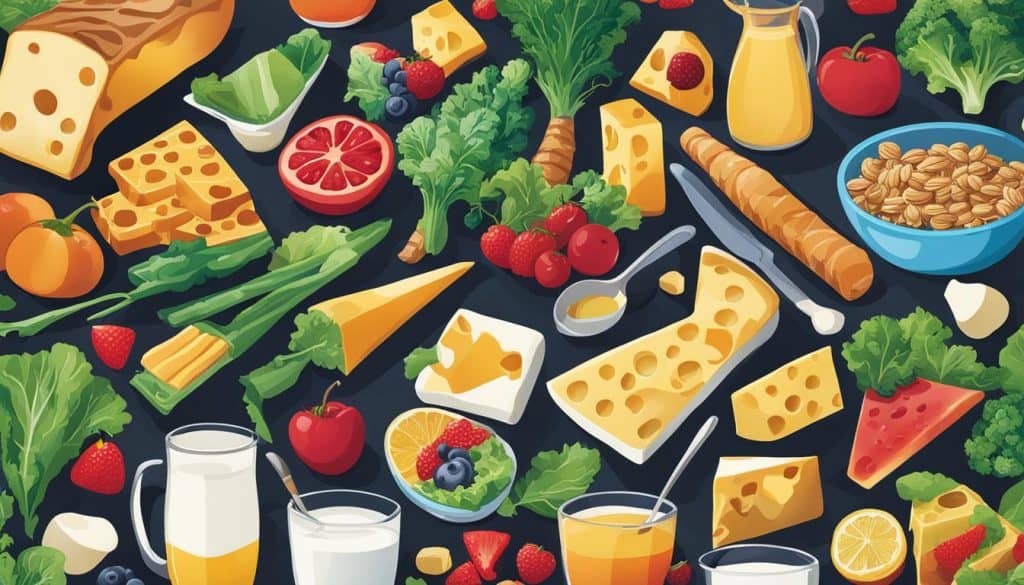
When it comes to maintaining proper kidney and heart function, increasing your potassium intake is essential. Potassium is a vital mineral that supports the health of your muscles, nerves, and kidneys. It also plays a crucial role in regulating blood pressure.
To ensure you’re getting enough potassium, incorporate foods that are rich in this essential mineral into your daily diet. Here are some potassium-rich options:
- Beet greens
- Lima beans
- Swiss chard
- Prune juice
- Pomegranate juice
- Bananas
- Orange juice
Consuming these foods on a regular basis can help maintain the proper mineral balance in your body, reduce blood pressure levels, and prevent the formation of kidney stones.
Did You Know?
Potassium is found in a wide range of plant-based foods, making it easy to incorporate this essential mineral into a balanced diet.
| Food | Potassium Content (per 100g) |
|---|---|
| Beet greens | 909mg |
| Lima beans | 436mg |
| Swiss chard | 379mg |
| Prune juice | Antioxidant-rich |
| Pomegranate juice | Ubiquitous |
| Bananas | 358mg |
| Orange juice | 200mg |
Incorporating these potassium-rich foods into your daily meals can not only enhance the flavor but also contribute to your overall well-being by supporting healthy kidney and heart function.
Limit Added Sugars for Weight Management and Heart Health
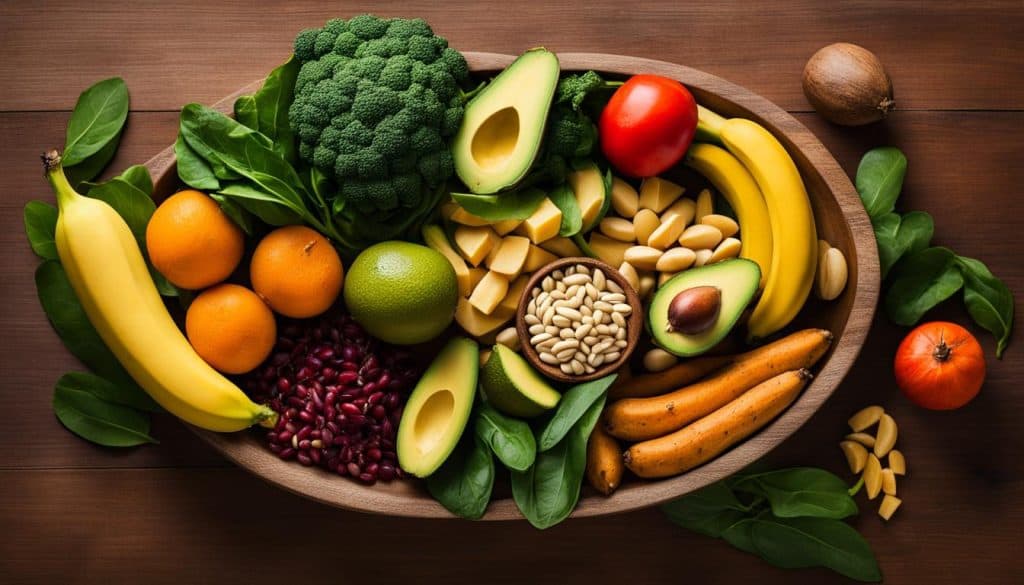
Consuming too much added sugar poses several health risks, including weight gain, obesity, type 2 diabetes, and heart disease. To promote weight management and maintain a healthy heart, it is crucial to reduce added sugar consumption and make mindful choices in our daily diets.
Avoid Sugary Drinks
One of the easiest ways to cut down on added sugars is to avoid sugary drinks. Instead of reaching for soda, sports drinks, or flavored beverages, opt for water or unsweetened drinks. If you crave a fruity flavor, try infusing water with fruits like lemon, lime, or berries for a refreshing and tasty alternative.
READ FOOD LABELS
Reading food labels is essential in identifying and avoiding hidden sources of added sugars. Take the time to check the ingredients list and look for names such as sucrose, high fructose corn syrup, corn syrup, dextrose, or any other sugar derivatives. By being aware of the sugar content in packaged foods, you can make informed choices and select products with lower sugar content.
“Reducing added sugar intake is a powerful strategy for managing weight and protecting heart health. By making simple swaps and reading food labels, we can significantly lower our sugar intake and improve overall well-being.”
Opt for Natural Sweeteners
To satisfy your sweet tooth without relying on added sugars, consider using natural sweeteners such as fruits or spices. Adding sliced fruits like berries, apples, or bananas to cereals or yogurt adds natural sweetness and nutrition. Sprinkling cinnamon or vanilla extract onto oatmeal or desserts can also enhance the flavor without the need for excess sugar.
Be Mindful of Snacks
Avoiding sugary snacks is another important step in reducing added sugar consumption. Instead of reaching for candy bars or cookies, choose healthier alternatives like fresh fruits, unsalted nuts, or Greek yogurt with a drizzle of honey. These options provide essential nutrients and can help curb cravings while reducing sugar intake.
| Foods to Replace | Healthier Alternatives |
|---|---|
| Sugary Breakfast Cereal | Whole grain cereal with fresh berries |
| Soda or Sweetened Iced Tea | Infused water with lemon or cucumber slices |
| Candy Bars | Unsalted nuts or trail mix |
| Flavored Yogurt | Plain Greek yogurt with sliced fruits |
By making simple swaps like these, you can reduce your added sugar intake and support your overall health and well-being.
Replace Saturated Fats for Better Heart Health
When it comes to promoting heart health, making smart choices about the fats we consume is crucial. By choosing healthier fats, reducing saturated fat intake, and replacing them with unsaturated fats, we can protect our hearts and support overall wellness.
Saturated fats, found in foods like red meat, full-fat dairy products, and baked goods, can increase cholesterol levels and contribute to heart disease. However, we don’t have to sacrifice flavor to make healthier choices. There are plenty of delicious alternatives that are rich in unsaturated fats.
Some excellent sources of healthier fats include:
- Avocados
- Nuts
- Seeds
- Beans
- Seafood
Incorporating these foods into our diet can provide our bodies with essential nutrients and protect our hearts. Additionally, using cooking oils like canola, olive, or sunflower oil instead of butter or lard can further reduce saturated fat intake.
To help visualize the difference between saturated and unsaturated fats, here’s a table:
| Type of Fat | Sources | Health Impact |
|---|---|---|
| Saturated Fat | Red meat, full-fat dairy products, baked goods | Elevates cholesterol levels and increases the risk of heart disease |
| Unsaturated Fat | Avocados, nuts, seeds, beans, seafood | Supports heart health and provides essential nutrients |
As the table demonstrates, replacing saturated fats with healthier alternatives can significantly benefit our heart health. So let’s make conscious choices and prioritize unsaturated fats in our daily meals.
“Choosing healthier fats is not only good for your heart but also helps your overall well-being.”
Now that we understand the importance of replacing saturated fats, let’s move on to the next section and learn about another essential aspect of a healthy eating plan.
Cut Back on Sodium for Blood Pressure Management
Consuming too much sodium can have a negative impact on our health. It can raise blood pressure and contribute to heart disease. To ensure optimal blood pressure management, it is important to lower sodium intake and choose low-sodium options in our diet.
One way to reduce sodium consumption is to season our foods with lemon juice or herbs instead of salt. This adds flavor without the extra sodium. Additionally, avoiding high-sodium processed foods can make a significant difference. These foods often have hidden sodium, so reading nutrition labels is crucial in identifying and selecting low-sodium alternatives.
When it comes to vegetables, choosing fresh or frozen options without added salt is a healthier choice. img alt=”low-sodium options” src=”https://seowriting.ai/32_6.png”> Incorporating more of these vegetables into our meals not only provides essential nutrients, but it also helps in reducing our sodium intake.
By making these small changes to our eating habits, we can effectively cut back on sodium and promote better blood pressure management. It’s about making conscious choices and creating a healthier lifestyle for ourselves.
Aim for a Variety of Colors for Optimal Nutrition
Eating a variety of colorful fruits and vegetables is crucial for maintaining optimal nutrition. Different colors in fruits and vegetables indicate the presence of specific nutrients, so consuming a diverse range ensures that you get a wide spectrum of essential vitamins, minerals, and antioxidants.
One way to incorporate diverse fruits and vegetables into your diet is by adding fresh herbs to your salads. Not only do herbs bring flavor and aroma to your dishes, but they also provide additional health benefits. For example, cilantro is rich in vitamin K and antioxidants, while basil is a good source of vitamin A.
Another great tip is to make red sauces using tomatoes and spices. Tomatoes are rich in lycopene, a powerful antioxidant that has been linked to a reduced risk of chronic diseases. By choosing red sauces instead of cream-based options, you’re not only adding flavor but also boosting your nutrient intake.
Adding vegetables to your everyday dishes is a simple yet effective way to increase dietary diversity. Whether it’s tossing some bell peppers into stir-fries, adding spinach to your omelets, or sneaking grated carrots into meatloaf, these small additions make a big difference in terms of the nutrients you’re consuming.
For a colorful and nutritious snack or dessert, try topping your yogurt with a variety of fruits. Whether it’s sliced strawberries, blueberries, or diced mangoes, the vibrant colors and different flavors will make your yogurt more visually appealing and enjoyable.
Remember, incorporating a variety of colors in your diet not only adds visual appeal to your meals but also ensures that you’re providing your body with different nutrients it needs for optimal health.
| Color | Fruits | Vegetables |
|---|---|---|
| Red | Strawberries | Tomatoes |
| Orange | Oranges | Carrots |
| Yellow | Bananas | Bell peppers |
| Green | Kiwi | Spinach |
| Purple | Grapes | Eggplant |
| Blue | Blueberries | Blue potatoes |
Conclusion
Adopting healthy eating habits is crucial for maintaining overall well-being. By following these tips, such as increasing your intake of fiber, calcium, and potassium, while limiting added sugars and saturated fats, reducing sodium, and striving for a variety of colorful foods, you can provide your body with the balanced nutrition it needs to thrive.
Remember, incorporating small changes over time is key to long-term success. Start by adding more fruits and vegetables to your meals, choosing whole grain options, and opting for lean sources of protein. Gradually, these habits will become second nature, leading to improved energy levels, better digestion, and a strengthened immune system.
Healthy eating is a journey, and it’s important to be patient with yourself. Celebrate your progress and don’t beat yourself up over occasional indulgences. The key is to maintain a balanced approach and listen to your body’s cues. By prioritizing healthy eating habits, you are prioritizing your overall well-being. Your body will thank you for it with increased vitality and a greater sense of vitality.
FAQ
What are some tips for healthy eating?
To eat healthily, you can increase your intake of fiber, calcium, and potassium while reducing added sugars, saturated fats, and sodium. Additionally, aim to have a diverse diet rich in colorful fruits and vegetables.
How can I increase my fiber intake?
You can boost your fiber intake by snacking on raw vegetables, starting your day with whole grain cereals, adding beans or lentils to salads, and enjoying whole fruits.
What are good sources of calcium and vitamin D?
Good sources of calcium include dairy products, fortified dairy alternatives, leafy greens, and fortified foods. Vitamin D can be obtained from sunlight and certain foods such as fortified milk and fish.
How can I increase my potassium intake?
Foods rich in potassium include beet greens, lima beans, Swiss chard, prune juice, pomegranate juice, bananas, and orange juice.
How can I limit my consumption of added sugars?
You can choose water over sugary drinks, add fruit to cereals or yogurt instead of sugar, avoid sugary snacks, and read nutrition labels to choose low-sugar options.
What are some healthier fat options?
Choose avocados, nuts, seeds, beans, seafood, and cooking oils like canola, olive, or sunflower oil to replace saturated fats with unsaturated fats.
How can I cut back on sodium?
Season foods with lemon juice or herbs instead of salt, avoid high-sodium processed foods, read nutrition labels, and choose fresh or frozen vegetables without added salt.
Why is it important to eat a variety of colorful fruits and vegetables?
Eating a variety of colorful fruits and vegetables ensures a range of essential nutrients necessary for optimal health.
How can I adopt healthy eating habits?
By following these tips, such as increasing fiber, calcium, and potassium intake, limiting added sugars and saturated fats, reducing sodium, and striving for a variety of colorful foods, you can support your body’s nutritional needs and enhance your wellness journey.