
When it comes to maintaining a healthy lifestyle, following a nutritious diet is key. Eating a balanced diet is not only good for your physical health but also for your overall well-being. In this article, I will share the top best advice for healthy eating that can help you make better food choices and achieve your wellness goals.
Key Takeaways:
- Eat a balanced diet to ensure you consume the right amount of calories for your activity level.
- Base your meals on higher fiber starchy carbohydrates like whole grains.
- Include plenty of fruits and vegetables in your daily diet.
- Incorporate fish into your meals, particularly oily fish high in omega-3 fats.
- Limit your intake of saturated fats and added sugars.
Base Your Meals on Higher Fiber Starchy Carbohydrates
When it comes to maintaining a balanced diet, it’s important to base your meals on higher fiber starchy carbohydrates. These carbohydrates should make up just over a third of the food you eat, providing you with a good source of energy. They include potatoes, bread, rice, pasta, and cereals.
To make healthier food choices, opt for higher fiber or wholegrain varieties of these starchy carbohydrates. Wholewheat pasta, brown rice, and potatoes with their skins on are excellent options. These choices contain more fiber than white or refined starchy carbohydrates, which can help you feel full for longer and support healthy digestion.
Try to include at least one serving of starchy food with each main meal. Some people mistakenly believe that starchy foods are fattening, but in reality, gram for gram, the carbohydrates they contain provide fewer than half the calories of fat. However, it’s important to keep an eye on the fats you add when cooking or serving these types of foods, as these additions can increase the calorie content. For example, be mindful of the amount of oil you use when preparing chips, butter on bread, or creamy sauces on pasta.
| Higher Fiber Starchy Carbohydrates | Calories per 100g | Fat per 100g | Fiber per 100g |
|---|---|---|---|
| Wholewheat Pasta | 124 | 1.5g | 6g |
| Brown Rice | 111 | 0.9g | 2.8g |
| Potatoes (with skin) | 77 | 0.1g | 1.8g |
By choosing higher fiber starchy carbohydrates, you can enjoy delicious and filling meals while supporting your overall health and well-being. Remember to combine these foods with other nutritious ingredients to create a well-rounded and satisfying meal.
Eat Lots of Fruit and Vegetables
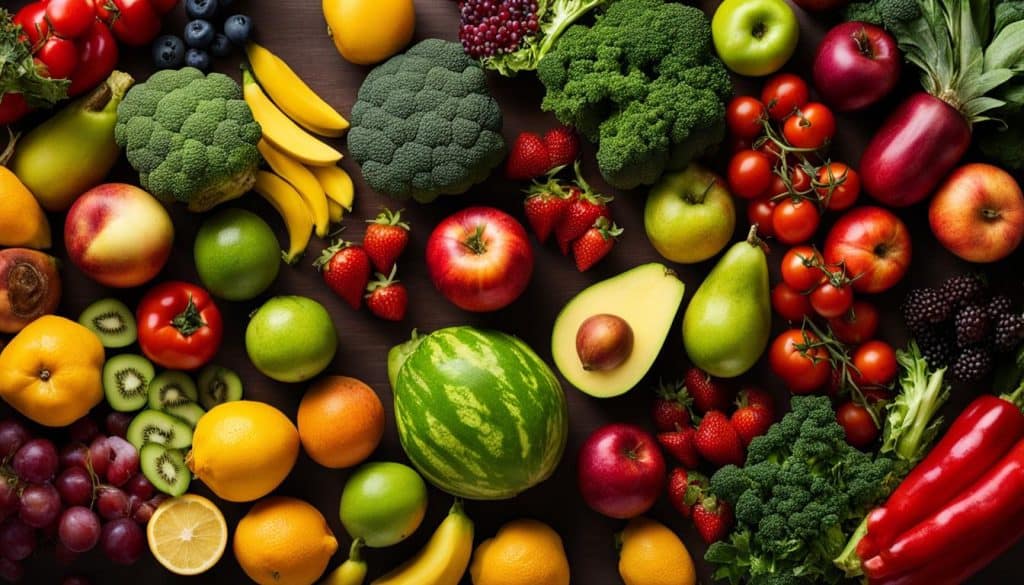
When it comes to maintaining a balanced diet and living a healthy lifestyle, one of the most important habits to develop is eating plenty of fruits and vegetables. They are packed with essential vitamins, minerals, and fiber that play a crucial role in keeping our bodies functioning optimally.
Experts recommend consuming at least 5 portions of a variety of fruit and vegetables every day. The great news is that these can be enjoyed in various forms, including fresh, frozen, canned, dried, or juiced. So, getting your daily quota of fruits and veggies is easier than you might think.
It’s important to incorporate a variety of colors and types of fruit and vegetables into your diet. Each different color represents a unique set of beneficial nutrients, so aim to have a rainbow of choices on your plate. For example, enjoy a juicy orange, vibrant green spinach, or a crunchy bell pepper.
Here are some practical ways to include more fruit and vegetables in your daily meals:
- Chop a banana over your breakfast cereal to start your day with a burst of energy and essential nutrients
- Swap your usual mid-morning snack for a piece of fresh fruit like an apple or a handful of berries
- Add sliced tomatoes, cucumbers, or lettuce to your sandwiches or wraps for an extra crunch and a boost of antioxidants
- Experiment with adding vegetables like peppers, mushrooms, or spinach to your omelets or scrambled eggs
A portion of fresh, canned, or frozen fruit and vegetables is around 80g, while a portion of dried fruit (preferably eaten with meals) is around 30g. Additionally, a 150ml glass of fruit juice, vegetable juice, or smoothie also counts as 1 portion. However, it’s important to limit the amount of these sugary drinks to no more than 1 glass a day to protect your teeth from damage.
Overall, by making a conscious effort to include a variety of fruits and vegetables in your diet, you’ll not only be nourishing your body with essential nutrients but also promoting overall health and well-being. So, go ahead and embrace the vibrant colors and delicious flavors nature has to offer!
| Fruit | Vegetable | Portion Size (80g) |
|---|---|---|
| Apple | Broccoli | 1 medium-sized |
| Banana | Carrots | 1 medium-sized |
| Orange | Cucumber | 1 medium-sized |
| Grapes | Spinach | A handful |
| Strawberries | Tomatoes | A handful |
Eat More Fish, Including a Portion of Oily Fish
Fish is a good source of protein and contains many vitamins and minerals. It is an essential part of a balanced diet. Including fish in your regular meals can provide numerous health benefits. Aim to eat at least 2 portions of fish a week, as recommended by nutrition experts.
One of the portions should consist of oily fish, which is particularly beneficial for heart health. Oily fish is rich in omega-3 fatty acids, which have been shown to help prevent heart disease.
Examples of oily fish include:
- Salmon
- Trout
- Herring
- Sardines
- Pilchards
- Mackerel
Non-oily fish, while still nutritious, does not contain the same high levels of omega-3 fatty acids as oily fish. Examples of non-oily fish that you can include in your diet are:
- Haddock
- Plaice
- Coley
- Cod
- Tuna
- Skate
- Hake
Eating fish can be flexible and convenient. You can choose from fresh, frozen, or canned fish based on your preference and availability. However, it’s important to note that canned and smoked fish may have higher sodium levels, so it’s advisable to check the labels for their salt content.
Health Benefits of Oily Fish:
“Including oily fish in your diet can have a positive impact on heart health. The omega-3 fatty acids found in oily fish help reduce inflammation, lower blood pressure, and reduce the risk of heart disease.” – Dr. Emily Johnson, Cardiologist
Most people should be eating more fish as part of a healthy diet. However, it is important to be aware of recommended limits for certain types of fish due to potential mercury or other contaminants. By incorporating fish, especially oily fish, into your meals, you can enjoy their nutritional benefits and take a step towards maintaining a healthy lifestyle.
| Type of Fish | Omega-3 Fatty Acid Content |
|---|---|
| Salmon | 2,260 mg per 100g |
| Trout | 1,400 mg per 100g |
| Herring | 1,000 mg per 100g |
| Sardines | 1,480 mg per 100g |
| Pilchards | 1,480 mg per 100g |
| Mackerel | 3,306 mg per 100g |
Cut Down on Saturated Fat and Sugar
To maintain a healthy lifestyle and prevent the risk of heart disease, it’s important to limit your intake of saturated fat and sugar. Saturated fat can increase the amount of cholesterol in your blood, which can lead to heart problems. To reduce your consumption of saturated fat, opt for lean cuts of meat and low-fat dairy products. Avoid foods that are high in saturated fat, such as sausages, butter, and cream.
Sugar, on the other hand, can contribute to weight gain, obesity, and tooth decay. It’s crucial to limit your intake of sugary foods and drinks. Instead of reaching for sugary snacks, choose foods with less added sugar. You can also substitute healthier sweeteners like fruit, honey, or stevia to satisfy your sweet tooth. Reading food labels can help you identify products with lower amounts of added sugars, allowing you to make informed choices.
The Impact of Saturated Fat and Added Sugars
Consuming excessive amounts of saturated fat can raise your cholesterol levels, leading to an increased risk of heart disease. On the other hand, added sugars, commonly found in processed foods and sugary drinks, can contribute to weight gain and other health issues. By cutting down on saturated fat and added sugars, you can promote heart health and maintain a healthy weight.
Healthy Substitutes for Saturated Fat and Sugar
When it comes to fats, opt for healthier alternatives like unsaturated fats found in avocados, nuts, and olive oil. These fats are beneficial for the body and can help lower cholesterol levels. For sweetening your food and beverages, choose natural options like fresh fruits, which provide both sweetness and nutritional benefits. Honey and stevia are also excellent choices as they offer sweetness without the negative effects of refined sugars.
| Saturated Fat | Healthy Alternatives |
|---|---|
| Sausages | Grilled chicken breast |
| Butter | Avocado spread |
| Cream | Low-fat yogurt or Greek yogurt |
| Added Sugars | Healthy Substitutes |
|---|---|
| Sugary drinks | Infused water with fruits or herbs |
| Candies and sweets | Fresh fruit or fruit salad |
| Cakes and pastries | Oatmeal cookies sweetened with honey or dates |
Eat Less Salt
I want to emphasize the importance of reducing our salt intake to lower the risk of high blood pressure and prevent heart disease. Consuming high levels of sodium can significantly raise blood pressure, putting strain on the cardiovascular system and increasing the likelihood of heart-related issues.
Many people may not be aware that the majority of salt in our diets comes from processed and packaged foods. These convenient food options often contain high levels of hidden salt, contributing to our excessive sodium intake.
To reduce salt consumption, we should make a conscious effort to use less salt when cooking and at the table. Instead, try incorporating a variety of herbs, spices, and other flavorful ingredients to enhance the taste of your meals.
“Reducing our salt intake can have a significant impact on cardiovascular health and help prevent heart disease.”
When grocery shopping, it’s essential to read food labels and check the sodium content of products. Opt for lower-sodium alternatives and be mindful of foods that are naturally low in sodium, such as fresh fruits and vegetables.
As a general guideline, the recommended daily limit for salt intake is no more than 6 grams for adults. By keeping our salt consumption within this range, we can maintain a healthy sodium balance in our bodies.
Let’s promote heart health by making conscious choices to eat less salt and focus on flavorful alternatives that can enhance the taste of our meals without compromising our well-being.
Benefits of Reducing Salt Intake:
- Lowering risk of high blood pressure
- Reducing strain on the cardiovascular system
- Decreasing the likelihood of heart disease
Foods High in Sodium
| Food Item | Sodium Content (per 100g) |
|---|---|
| Canned Soup (chicken noodle) | 301mg |
| Processed Cheese | 920mg |
| Cured Meats (salami) | 1,037mg |
| Fast Food Fries | 280mg (small) – 800mg (large) |
| Instant Ramen Noodles | 1,561mg |
Let’s choose our food wisely and take control of our salt intake to safeguard our cardiovascular health.
Get Active and Maintain a Healthy Weight
In addition to maintaining a balanced and nutritious diet, engaging in regular physical activity is crucial to promoting a healthy lifestyle and managing weight effectively. Exercise not only reduces the risk of chronic diseases but also contributes to overall well-being and mental health.
Find physical activities that you enjoy to make exercising a fun and sustainable part of your routine. Whether it’s walking, cycling, swimming, dancing, or playing a sport, choose activities that bring you joy and keep you motivated.
Aim to incorporate at least 150 minutes of moderate-intensity aerobic activity into your weekly routine. Alternatively, you can opt for 75 minutes of vigorous-intensity activity. These exercises can include brisk walking, running, cycling, or even dancing to get your heart rate up and build endurance.
Regular physical activity not only helps with weight management but also assists in reducing the risk of obesity-related conditions such as type 2 diabetes and heart disease. By combining a balanced diet with exercise, you can maintain a healthy weight and optimize your overall health.
Remember, finding an activity you enjoy makes it easier to stay active and motivated. Get moving, have fun, and reap the rewards of a physically active lifestyle!
Benefits of Regular Physical Activity:
- Helps control weight by burning calories and increasing metabolism
- Reduces the risk of chronic diseases such as heart disease, high blood pressure, and type 2 diabetes
- Strengthens bones and muscles, improving overall physical fitness
- Enhances mental health by reducing symptoms of anxiety and depression
- Improves sleep quality and promotes restful sleep
- Boosts energy levels and increases productivity
- Improves cognitive function and memory
Example Workout Routine:
| Day | Activity | Duration |
|---|---|---|
| Monday | Brisk Walking | 30 minutes |
| Tuesday | Cycling | 45 minutes |
| Wednesday | Strength Training | 30 minutes |
| Thursday | Yoga | 1 hour |
| Friday | Swimming | 45 minutes |
| Saturday | Hiking | 2 hours |
| Sunday | Rest Day | – |
Regular physical activity helps maintain a healthy weight and provides numerous benefits for both physical and mental health. So, put on your sneakers and get moving!
Stay Hydrated
Hydration plays a vital role in maintaining a healthy lifestyle. To prevent dehydration, it is important to drink plenty of fluids throughout the day. The recommended amount is 6 to 8 glasses of water per day, but all non-alcoholic drinks contribute to your hydration level. However, water, lower-fat milk, and lower-sugar drinks are healthier choices compared to sugary soft drinks.
It is important to limit your intake of fruit juices and smoothies as they can be high in sugar. While they may seem refreshing, they can add unnecessary calories to your diet. Instead, opt for whole fruits which are not only hydrating but also provide essential nutrients and fiber.
“Water is the driving force of all nature.” – Leonardo da Vinci
Keep a bottle of water with you throughout the day, especially in hot weather or during exercise. When we sweat, our bodies lose water, so it’s crucial to replenish it to maintain optimal hydration levels. Staying hydrated can help maintain energy levels, support digestion, and keep your body functioning properly.
Remember, thirst is not always an accurate indicator of your hydration status. By the time you feel thirsty, your body may already be dehydrated. So, make it a habit to drink water regularly, even if you don’t feel thirsty.
Don’t Skip Breakfast
Breakfast is an important meal that provides energy and essential nutrients to start your day. A healthy breakfast that includes protein, whole grains, and fresh fruit can help you feel fuller for longer and prevent overeating later in the day.
When it comes to a nutritious breakfast, opt for options that promote weight management and provide a good intake of essential nutrients. Consider incorporating whole grain cereal, oatmeal, or eggs with whole grain toast into your morning routine. These choices offer a balance of protein and complex carbohydrates, which can contribute to sustained energy levels throughout the day.
Avoid sugary cereals, pastries, and other high-calorie, low-nutrient options that may lead to a spike in blood sugar levels and subsequently cause energy crashes. Instead, prioritize nutrient-dense foods to kick-start your day.
Remember, breakfast sets the tone for the day ahead, so make it count by selecting wholesome options that support your overall well-being.

Sample Nutrient-Rich Breakfast Ideas
| Breakfast Idea | Components |
|---|---|
| Classic Oatmeal | Whole grain oats, skim milk, sliced banana, and a sprinkle of cinnamon |
| Veggie Scramble | Scrambled eggs or tofu, sautéed vegetables (such as spinach, mushrooms, and bell peppers), and whole grain toast |
| Yogurt Parfait | Low-fat Greek yogurt, mixed berries, and a handful of granola or nuts |
| Smoothie Bowl | Blended mixture of frozen fruit, spinach or kale, almond milk, and topped with chia seeds, sliced almonds, and fresh berries |
Enjoying a wholesome breakfast not only fuels your body for the day ahead but also helps you optimize your nutrient intake and maintain a healthy weight management routine.
Conclusion
Incorporating these 8 tips into your daily life can help you make healthier food choices and improve your overall well-being. By basing your meals on higher fiber starchy carbohydrates, such as whole grains, and eating plenty of fruits and vegetables, you can ensure you’re getting essential nutrients and promoting digestive health. Including fish in your diet, especially oily fish rich in omega-3 fats, can support heart health and reduce the risk of chronic diseases.
To further enhance your diet, it’s important to cut down on saturated fat and added sugars, as they can contribute to weight gain and increase the risk of heart disease. Additionally, reducing your salt intake can help maintain healthy blood pressure levels. Staying active and maintaining a healthy weight is crucial for overall wellness, and staying hydrated throughout the day supports optimal bodily functions.
Lastly, don’t skip breakfast, as it sets the tone for the day and provides essential energy and nutrients. A balanced and nutritious diet, along with lifestyle changes like regular physical activity, can help you achieve your health and wellness goals. Remember to consult with a healthcare professional or registered dietitian for personalized advice and guidance on healthy eating.
FAQ
What is the best advice for healthy eating?
The best advice for healthy eating is to follow a nutritious, balanced diet. This involves making food choices that provide the right amount of calories for your activity level, consuming a variety of foods from different food groups, and incorporating nutrient-rich options into your meals.
How can I base my meals on higher fiber starchy carbohydrates?
You can base your meals on higher fiber starchy carbohydrates by including foods like potatoes, bread, rice, pasta, and cereals in your diet. Opt for whole grain or whole wheat varieties, as they contain more fiber and can help you feel fuller for longer.
How can I eat lots of fruit and vegetables?
You can eat lots of fruit and vegetables by including at least 5 portions in your daily diet. These can be fresh, frozen, canned, dried, or juiced. Aim for a variety of colors and types to get a range of essential nutrients.
How can I incorporate fish into my diet?
You can incorporate fish into your diet by aiming to eat at least 2 portions of fish a week, including at least 1 portion of oily fish. Oily fish, such as salmon, trout, and mackerel, are high in omega-3 fats, which are beneficial for heart health.
How can I cut down on saturated fat and sugar?
You can cut down on saturated fat and sugar by choosing lean cuts of meat, low-fat dairy products, and avoiding foods high in saturated fat, such as sausages, butter, and cream. Limit your intake of sugary foods and drinks and opt for healthier sweeteners, like fruit, honey, or stevia.
How can I eat less salt?
You can eat less salt by reducing the amount you add when cooking or serving foods and checking food labels for sodium content. Use herbs, spices, and other flavorings to enhance the taste of your meals and choose fresh fruits and vegetables, which are naturally low in sodium.
How can I get active and maintain a healthy weight?
You can get active and maintain a healthy weight by engaging in regular exercise, such as walking, cycling, swimming, or dancing. Aim for at least 150 minutes of moderate-intensity aerobic activity per week or 75 minutes of vigorous-intensity activity. Combine this with a balanced diet to achieve your weight management goals.
How can I stay hydrated?
You can stay hydrated by drinking plenty of fluids, ideally 6 to 8 glasses of water per day. Opt for water, lower-fat milk, or lower-sugar drinks as healthier choices. Carry a water bottle with you and consume more fluids in hot weather or during exercise.
Why is breakfast important?
Breakfast is important because it provides energy and essential nutrients to kickstart your day. A healthy breakfast that includes protein, whole grains, and fresh fruit can help you feel fuller for longer and prevent overeating later in the day.
What are the key takeaways for healthy eating?
The key takeaways for healthy eating are to base your meals on higher fiber starchy carbohydrates, eat plenty of fruits and vegetables, include fish in your diet, cut down on saturated fat and sugar, eat less salt, stay active and maintain a healthy weight, stay hydrated, and don’t skip breakfast. These lifestyle changes can help you make healthier food choices and improve your overall well-being.