
Hello there, fish enthusiasts! Today, I want to talk about the best fish to eat for healthy diet. As a lover of seafood myself, I understand the importance of choosing the right fish to optimize our health. Not all fish are created equal when it comes to nutritional value, so let’s dive in and discover the top fish choices for a healthy lifestyle.
Key Takeaways:
- Salmon, herring, anchovies, sardines, and trout are rich in omega-3 fatty acids, which promote heart health and reduce the risk of diseases like heart disease, stroke, and Alzheimer’s.
- Lean seafood options like tilapia, cod, flounder, and sole are low in calories and high in protein, making them excellent choices for a healthy diet.
- Shrimp and prawns are low in calories and high in protein, but they have higher cholesterol levels and lower omega-3 content.
- Avoid fish with high levels of mercury, such as swordfish, marlin, shark, and tilefish.
- Limit consumption of certain types of tuna, like bluefin and bigeye, due to their mercury content.
Now that we know the key fish choices for a healthy diet, it’s time to incorporate them into our meals and reap the numerous benefits they offer. Let’s take a closer look at each of these fish options and explore their nutritional profiles, as well as their impact on heart health, overall well-being, and sustainability.
Top Fish for Heart Health
Certain types of fish are known to be excellent choices for maintaining a healthy heart. These fish are rich in omega-3 fatty acids, which have been shown to reduce the risk of heart disease and provide numerous other health benefits. Including these heart-healthy fish options in your diet can help support cardiovascular health and overall well-being.
Here are some top fish choices for heart health:
- Salmon: A popular and delicious fish, salmon is packed with omega-3 fatty acids, making it an excellent choice for heart health.
- Herring: Herring is another fish that is rich in omega-3 fatty acids and can help reduce the risk of heart disease.
- Anchovies: These small fish are often used as a topping or ingredient in various dishes and provide a good source of omega-3s.
- Sardines: Sardines are not only a great source of omega-3s but also provide calcium and vitamin D, which are important for bone health.
- Trout: Trout is a freshwater fish that is rich in omega-3 fatty acids and is a great option for heart-healthy meals.
The omega-3 fatty acids found in these fish have been shown to reduce overall mortality from heart disease, lower blood pressure, and decrease triglyceride levels. Additionally, these fish have anti-inflammatory properties, which can be beneficial for conditions like arthritis.
Including these heart-healthy fish options in your diet can help reduce the risk of heart disease and support cardiovascular health. Whether grilled, baked, or sautéed, these fish provide a delicious and nutritious addition to any meal.
Nutrient-Dense Fish Options
Fish is a nutrient-dense food that provides a variety of essential vitamins and minerals. When it comes to choosing fish with high nutritional value, there are several options to consider. Here are some fish packed with nutrients:
- Norwegian Salmon:
- Heart-healthy omega-3 fatty acids
- Vitamins A, D, B12, and riboflavin
- Canned Skipjack Tuna:
- Economical and accessible choice
- Lower mercury compared to other tuna varieties, like albacore
- Cod:
- Protein-packed fish
- Rich in iodine, which supports thyroid health
| Fish | Nutritional Benefits |
|---|---|
| Pacific Halibut | Rich in omega-3 fatty acids and high-quality protein |
| Striped Bass | Excellent source of lean protein, vitamins, and minerals |
| Arctic Char | High in omega-3 fatty acids, vitamins, and minerals |
| Grouper | Good source of protein, vitamins, and minerals |
| Flounder | Low in calories and high in protein |
| Wild Alaska Pollock | Rich in omega-3 fatty acids and low in mercury |
These fish choices offer a wide range of nutrients, ensuring that you can enjoy a well-rounded and healthy diet.
Sustainable Fish Choices
When it comes to choosing fish, sustainability and environmental impact should be top priorities. By opting for fish options that are harvested using sustainable practices, we can protect our oceans and ensure the long-term health of fish populations.
One excellent choice for sustainable fish is Norwegian salmon. This fish is farm-raised using strict sustainability standards and practices that prioritize the well-being of the oceans. By opting for Norwegian salmon, you can enjoy a delicious and nutritious meal while supporting environmentally responsible fishing practices.
Oysters are another environmentally friendly choice. They are not only high in omega-3 fatty acids and iron, but they also play an important role in maintaining healthy ocean ecosystems. Oyster farming actually has a positive impact on water quality as these filter feeders help to remove pollutants and excess nutrients from the water.
Sardines are packed with omega-3s, calcium, and vitamin D, making them a sustainable and nutritious choice. These small fish reproduce quickly and are less susceptible to overfishing, making them an environmentally friendly option that does not compromise on health benefits.
Halibut, red snapper, and wild Alaska pollock are other sustainable fish choices. These species are managed carefully to ensure their populations remain stable and their impact on the environment is minimized.
Choosing sustainable fish options not only supports responsible fishing practices, but it also allows us to enjoy delicious and nutritious meals while contributing to the conservation of marine ecosystems.
Sustainable Fish Options
| Fish | Sustainability | Health Benefits |
|---|---|---|
| Norwegian Salmon | Farm-raised using strict sustainability standards | Rich in omega-3 fatty acids and vitamins |
| Oysters | Help maintain healthy ocean ecosystems, filtering water | High in omega-3s and iron |
| Sardines | Reproduce quickly, less susceptible to overfishing | Rich in omega-3s, calcium, and vitamin D |
| Halibut | Managed carefully to ensure sustainable population | High-quality protein source |
| Red Snapper | Managed to minimize environmental impact | Rich in omega-3s and essential minerals |
| Wild Alaska Pollock | Well-managed fishery, sustainably harvested | Good source of lean protein |
By choosing sustainable fish options, we can make a positive impact on the health of our oceans and our own well-being. Let’s prioritize sustainability and enjoy the benefits of environmentally friendly fish choices.
Fish to Avoid
When it comes to maintaining a healthy diet, it is important to be aware of certain types of fish that should be avoided or consumed in moderation. These fish can have high levels of mercury, contaminants, and negative health effects. Let’s take a closer look at some of the fish to avoid:
Sole
Sole is a type of fish that should be approached with caution. While it may be low in calories, it is also low in heart-healthy nutrients like omega-3 fatty acids, potassium, and magnesium. On top of that, sole is high in sodium, which can have negative effects on blood pressure and cardiovascular health.
Farmed Tilapia
Tilapia is a popular choice for many fish lovers, but farmed tilapia should be consumed with caution. It has been found to contain contaminants, antibiotics, and pro-inflammatory omega-6 fatty acids. These factors can contribute to inflammation and may have negative effects on overall health.
Orange Roughy
Orange roughy is a deep-sea fish known for its bright orange appearance and delicious flavor. However, it has a long lifespan, which allows it to accumulate high levels of mercury. Consuming orange roughy regularly may lead to excessive mercury intake, which can be detrimental to your health.
Shark
Shark is a type of fish that should be avoided, especially by pregnant women and children. It is known for its high mercury content, which can have negative effects on the developing nervous systems of unborn babies and young children. Opt for safer alternatives instead.
Tuna, especially Bluefin
Tuna is a popular choice for many seafood lovers, but its mercury content varies across different species. Bluefin tuna, in particular, has been found to have high levels of mercury. While tuna can still be enjoyed in moderation, it is important to be aware of its mercury content and limit consumption to minimize potential risks.
Eel
Eel is a delicacy enjoyed by many, but it may not be the best choice for frequent consumption. Eel tends to have higher mercury levels compared to other fish and is also considered an endangered species. For the sake of both your health and the environment, it is best to enjoy eel in moderation or choose alternative fish options.
By being aware of these fish to avoid, you can make informed choices that prioritize your health and well-being. There are plenty of other fish options available that offer both delicious flavors and nutritional benefits without the associated risks. Stay mindful of your fish choices and enjoy a healthy diet that supports optimal well-being.
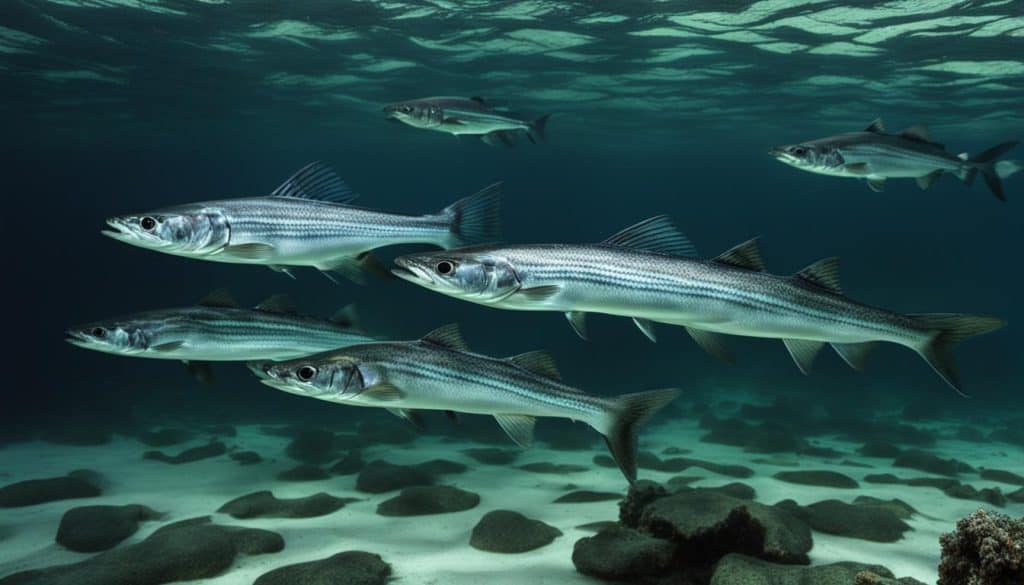
Health Benefits of Fish
Fish offers a range of health benefits due to its nutritional profile. Eating fish regularly can contribute to various aspects of your health, including brain function, immune system, and hormonal balance.
“Let food be thy medicine, and medicine be thy food.” – Hippocrates
Brain Health
When it comes to brain health, certain types of fish are especially beneficial. Salmon, herring, and sardines are rich in omega-3 fatty acids, which are essential for a healthy brain. Omega-3s help support cognitive function, improve memory, and reduce the risk of mental decline as you age.
Immune Health
Your immune system plays a critical role in protecting your body against infections and diseases. Including fish in your diet can help boost your immune health. The omega-3 fatty acids found in fish, particularly salmon, herring, and sardines, have anti-inflammatory properties that promote a healthy immune response.
Hormonal Health
Proper hormonal balance is crucial for overall well-being. Consuming fish like salmon, herring, and sardines can support hormonal health due to their omega-3 fatty acids content. Omega-3s help regulate hormone production and promote optimal hormonal balance in the body.
If you’re looking to enhance these aspects of your health, consider incorporating fish into your diet regularly. Let’s explore some specific health benefits of different types of fish:
| Fish | Health Benefit |
|---|---|
| Salmon | – Supports brain health – Boosts immune system – Promotes hormonal balance |
| Herring | – Enhances brain function – Strengthens immune system – Regulates hormones |
| Sardines | – Improves cognitive function – Supports immune health – Helps maintain hormonal balance |
Cooking Tips for Healthy Fish Meals
The way you prepare your fish can greatly impact its healthiness. While deep frying and using excessive amounts of butter or creamy sauces can add unhealthy fats and calories to your fish meal, there are healthier alternatives that can still be flavorful and satisfying.
To cook fish for optimal health, consider these healthy fish cooking techniques:
- Grilling: Grilling fish can add a smoky flavor and allow excess fat to drip away, resulting in a healthier option.
- Baking: Baking fish in the oven helps retain its natural juices and flavors without the need for additional fats.
- Sautéing: Sautéing fish in a small amount of oil or broth can help preserve its moisture while adding a delicious crispy texture.
Pairing fish with vegetables and healthy carbohydrates can create a balanced and nutritious meal. Consider adding:
- Assorted colorful vegetables: Including a variety of vegetables, such as broccoli, carrots, and bell peppers, provides essential vitamins and minerals.
- Healthy carbohydrates: Opt for nutrient-rich options like quinoa or baked potatoes to complement your fish dish.
Here are some healthy fish meal ideas to inspire your culinary creativity:
- Sardine Cracker Delight: Top a whole grain cracker with sardines and a dollop of zesty mustard for a quick and satisfying snack.
- Sautéed Sardines with Garlic and Onions: In a skillet, sauté sardines in olive oil, garlic, and onions for a flavorful and nutritious main course.
- Sardine Bagel Swap: Substitute lox with sardines for a unique twist on the classic bagel and cream cheese combo.

By using these healthy fish cooking techniques and incorporating nutritious ingredients, you can enjoy delicious and nourishing fish meals that promote optimal health.
The Importance of Sustainable Fishing Practices
Sustainable fishing practices play a crucial role in maintaining the health of fish populations and preserving the environment. Overfishing, combined with disease and pollution, poses significant risks to fish populations and increases the likelihood of extinction. By adopting sustainable fishing methods, we can protect fish populations and ensure the availability of seafood for future generations.
Choosing sustainably sourced fish is key to preventing overfishing and protecting fish populations. It involves supporting fishing practices that prioritize the long-term health of fish stocks and ecosystems. Sustainable fishing methods aim to maintain a balance between catching fish and allowing them to reproduce and replenish their populations. This ensures the sustainability of fish stocks and the overall health of marine ecosystems.
To make sustainable choices, consumers should look for labels that indicate sustainable fishing practices. These labels often certify that the fish has been caught using methods that minimize bycatch, protect sensitive habitats, and adhere to sustainable catch limits. Supporting organizations and initiatives that promote sustainable seafood can also contribute to the preservation of fish populations and the reduction of overfishing.
“Sustainable fishing practices are essential for the long-term health of fish populations and the preservation of our oceans. By choosing sustainably sourced fish, we can play a part in protecting fish stocks and ensuring a sustainable future for seafood.”
The Benefits of Sustainable Fishing Practices
Sustainable fishing practices offer numerous advantages beyond protecting fish populations and preventing overfishing. They also contribute to the overall health and well-being of marine ecosystems. Here are some key benefits:
- Promotes biodiversity: Sustainable fishing practices help preserve marine environments and maintain balanced ecosystems. By targeting specific fish species and avoiding harmful methods, such as bottom trawling, sustainable fishing minimizes the negative impact on other marine species and their habitats.
- Preserves food security: Sustainable fishing ensures a steady and reliable supply of fish for human consumption. By safeguarding fish populations, we can help address food insecurity and maintain the livelihoods of fishing communities that depend on sustainable fisheries.
- Reduces environmental impact: Sustainable fishing methods prioritize minimizing bycatch, which refers to the unintentional capture and discarding of non-targeted fish species, sea turtles, marine mammals, and seabirds. This helps protect delicate marine ecosystems and conserve vulnerable species.
- Supports local economies: Sustainable fishing practices often prioritize small-scale and artisanal fishing operations. These methods can provide economic opportunities for local communities and promote the social and economic well-being of coastal regions.
Embracing sustainable fishing practices is crucial for the long-term health and sustainability of our oceans. Through responsible choices and support for sustainable seafood, we can protect fish populations, prevent overfishing, and preserve the beauty and diversity of marine ecosystems.
Conclusion
In conclusion, incorporating fish into a healthy diet is a wise choice for optimal health. Fish varieties like salmon, herring, anchovies, sardines, and trout stand out due to their rich omega-3 fatty acid content, offering benefits for heart health and brain function. Additionally, nutrient-dense options such as cod, halibut, red snapper, and wild Alaska pollock provide a wide range of essential vitamins and minerals to support overall well-being.
It is crucial to be mindful of the fish we consume, avoiding those with high mercury levels like swordfish, marlin, shark, and tilefish. By making informed choices, we can protect ourselves from potential health risks associated with mercury. Furthermore, sustainability plays a vital role in our seafood choices. By supporting sustainable fishing practices, we can not only enjoy the health benefits of fish but also protect our marine ecosystems for future generations.
In summary, when it comes to selecting fish for a healthy diet, prioritizing varieties rich in omega-3s, exploring nutrient-dense options, and considering sustainability are key. By following these guidelines, we can optimize our health while being environmentally conscious. So let’s make conscious decisions when it comes to our fish consumption and enjoy the many advantages it provides for our well-being.
FAQ
What are the best fish to eat for a healthy diet?
The best fish to eat for a healthy diet include salmon, herring, anchovies, sardines, trout, tilapia, cod, flounder, sole, shrimp, and prawns.
Which fish are the healthiest to eat?
The healthiest fish to eat are salmon, herring, anchovies, sardines, trout, tilapia, cod, flounder, sole, shrimp, and prawns, as they are low in calories and high in protein and omega-3 fatty acids.
What are the top fish choices for a healthy diet?
The top fish choices for a healthy diet are salmon, herring, anchovies, sardines, trout, tilapia, cod, flounder, sole, shrimp, and prawns, as they provide a range of essential nutrients and omega-3 fatty acids.
Which fish have high nutritional value?
Fish with high nutritional value include salmon, herring, anchovies, sardines, trout, tilapia, cod, flounder, sole, shrimp, and prawns, as they are packed with essential vitamins and minerals.
What are the best fish choices for a healthy lifestyle?
The best fish choices for a healthy lifestyle include salmon, herring, anchovies, sardines, trout, tilapia, cod, flounder, sole, shrimp, and prawns, as they offer a range of health benefits and nutrients.
Which fish are rich in omega-3 fatty acids?
Fish that are rich in omega-3 fatty acids include salmon, herring, anchovies, sardines, and trout.
What fish are good for heart health?
Fish that are good for heart health include salmon, herring, anchovies, sardines, and trout, as they are rich in omega-3 fatty acids, which can lower the risk of heart disease.
Which fish are nutrient-dense?
Nutrient-dense fish options include salmon, herring, anchovies, sardines, trout, tilapia, cod, flounder, sole, shrimp, and prawns, as they are packed with essential vitamins and minerals.
What are sustainable fish choices?
Sustainable fish choices include Norwegian salmon, oysters, sardines, halibut, red snapper, and wild Alaska pollock, as they are environmentally friendly and follow strict sustainability standards.
Which fish should be avoided?
Fish that should be avoided or consumed in moderation include swordfish, marlin, shark, tilefish, certain types of tuna (bluefin and bigeye), sole, farmed tilapia, orange roughy, and eel.
What are the health benefits of fish?
The health benefits of fish include supporting brain health, immune function, hormonal balance, providing essential vitamins and minerals, reducing inflammation, and promoting heart health.
How should I cook fish for a healthy meal?
It is recommended to grill, bake, or sauté fish with minimal added fats. Pairing fish with vegetables and healthy carbohydrates like quinoa or baked potatoes can create a balanced and nutritious meal.
Why is sustainable fishing important?
Sustainable fishing is important for maintaining healthy fish populations and protecting the environment from overfishing, disease, and pollution.