
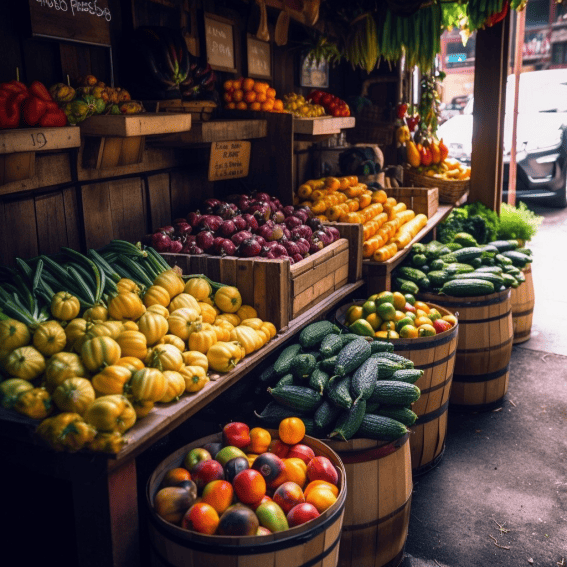
Are you ready to take control of your health and eat healthy for beginners? As a nutritionist expert, I know firsthand how overwhelming it can be to try and make sense of all the conflicting information out there.
But don’t worry! I’m here to guide you through the process.
Whether you’re a complete beginner or just looking to refresh your healthy eating habits, I’ve got you covered.
Over the years, I’ve helped countless people transform their lives by making simple, yet powerful changes to their diet.
And I’m excited to share my knowledge with you today!
KEY TAKEAWAY
How to eat healthy for beginners?
Eating healthy doesn’t have to be complicated. (1)
Start small by incorporating more fruits and vegetables, choosing whole grains, and limiting processed foods.
Practice portion control and experiment with adding healthy fats to your meals.
Cook at home as often as you can and practice mindful eating.
How can I incorporate more fruits and vegetables into my diet?
Are you tired of feeling sluggish and lacking energy throughout the day? Incorporating more fruits and vegetables into your diet can be the answer you’re looking for.
As a nutritionist expert, I recommend aiming for 5-7 servings of fruits and vegetables each day.
But how do you do that if you’re not a big fan of produce?
One simple tip is to start your day with a smoothie.
Blend together your favorite fruits and vegetables, add some almond milk or yogurt, and have a delicious and nutritious meal to start your day.
Another tip is to swap out your regular snacks for fruits and veggies.
Keep a bowl of cut-up carrots, celery, and bell peppers in the fridge, or grab a piece of fruit like an apple or a banana when you’re feeling hungry.
It’s also important to make sure you’re incorporating a variety of colors into your diet.
Each color of fruit and vegetable provides different nutrients and benefits.
For example, orange fruits and veggies like carrots and sweet potatoes are high in vitamin A, while leafy greens like spinach and kale are high in iron and calcium.
Don’t be afraid to try new things and experiment with different recipes.
You might be surprised at what you end up liking!
Lastly, consider incorporating fruits and vegetables into your favorite meals.
Add some spinach or kale to your scrambled eggs or omelet, or top your pizza with some sliced bell peppers and mushrooms.
Get creative and have fun with it! Your body will thank you for the added nutrients and you’ll feel more energized and healthy in no time.
What are some examples of whole grain foods?
Whole grains are an essential part of a healthy diet.
They are a good source of fiber, vitamins, minerals, and other nutrients that are important for our overall health.
Whole grains are made up of the entire grain kernel, including the bran, germ, and endosperm.
Some examples of whole grain foods include whole wheat bread, brown rice, quinoa, barley, bulgur, popcorn, and oatmeal.
These foods are a great way to add variety and nutrition to your diet.
When choosing whole grain foods, it’s important to read the label carefully.
Look for products that list whole grains as the first ingredient.
This ensures that the product contains a significant amount of whole grains.
Avoid products that contain refined grains, such as white flour or white rice.
These grains have been stripped of their nutrients and fiber, and can lead to spikes in blood sugar levels.
How can I limit my intake of processed foods?
Processed foods are often high in added sugars, salt, and unhealthy fats.
These foods can contribute to weight gain, high blood pressure, and other health problems.
To limit your intake of processed foods, try the following tips:
1. Cook at home: Cooking at home allows you to control the ingredients you use, and can help you avoid processed foods. Try to cook from scratch as much as possible, using fresh ingredients.
2. Read labels: When buying packaged foods, read the label carefully. Look for products that are low in added sugars, salt, and unhealthy fats. Avoid products that contain artificial ingredients or preservatives.
3. Choose whole foods: Whole foods, such as fruits, vegetables, whole grains, and lean proteins, are minimally processed and are a great way to get the nutrients your body needs.
4. Plan ahead: Plan your meals and snacks ahead of time, so you can avoid relying on processed foods when you’re in a rush.
5. Be mindful: Pay attention to your eating habits. Try to eat slowly, and savor the flavors and textures of your food. This can help you avoid overeating and make healthier choices over time.
Remember, small changes can add up over time.
By incorporating whole grain foods and limiting your intake of processed foods, you can improve your overall health and well-being.
More on clean eat guide.
Practicing Portion Control
Portion control is an effective way to stay healthy and achieve your weight loss goals.
Imagine your plate as a clock, with the biggest portion being vegetables, followed by carbohydrates and then proteins.
Always try to use smaller plates, bowls, and cups to avoid overeating.
Additionally, try to avoid eating in front of the TV or while on your phone because this can lead to mindless eating.
Instead, sit down at a table and focus on enjoying your meal.
Another helpful tip is to drink a glass of water before and during your meal.
This can help you feel full and prevent overeating.
Examples of Healthy Fats
Healthy fats are an essential part of a balanced diet and can help keep you feeling full and satisfied.
Some examples of healthy fats include avocados, nuts, seeds, olive oil, and salmon.
Avocados are an excellent source of healthy fats and can be used in a variety of dishes, such as guacamole, or as a substitute for mayonnaise.
Nuts and seeds are also a great source of healthy fats and can be added to salads or eaten as a snack.
Olive oil is a healthy alternative to vegetable oil and can be used in cooking or as a salad dressing.
Salmon is rich in omega-3 fatty acids, which are essential for brain health, and can be baked, grilled, or added to salads.
Incorporating healthy fats into your diet can be easy and delicious.
Try adding sliced avocado to your morning toast or mixing nuts and seeds into your yogurt.
When cooking, swap out vegetable oil for olive oil, or add a serving of salmon to your dinner plate.
Remember, moderation is key, so try to incorporate healthy fats in small portions throughout the day.
Overall, portion control and incorporating healthy fats into your diet are essential for maintaining a healthy lifestyle.
With these tips, you can make small changes that can lead to big results.
Remember to always consult with your healthcare provider or a registered dietitian to determine the best plan for your individual needs.
Conclusion
Remember, eating healthy for beginners doesn’t have to be complicated. (2)
With a little bit of planning and a lot of delicious, nutrient-rich foods, you’ll be well on your way to looking and feeling your best in no time.
So start small, focus on making one healthy choice at a time, and before you know it, you’ll have created a lifestyle that supports your health and happiness.
Cheers to a healthier you!
More on how to start eating clean for beginners.
Frequently Asked Questions
How do I know if a food is considered healthy?
When it comes to determining whether a food is healthy or not, it’s important to consider its nutritional value.
A food is considered healthy if it provides important vitamins and minerals, is low in saturated and trans fats, and is low in added sugars and sodium.
Reading food labels can help you to determine if food is healthy or not.
Look for foods that are high in fiber, vitamins, and minerals, and low in fats and sugars.
Another way to determine if a food is healthy is to consider its calorie content.
Foods that are high in calories but low in nutritional value should be consumed in moderation, while foods that are low in calories but high in nutritional value can be eaten more freely.
For example, fruits and vegetables are low in calories but high in vitamins and minerals, making them a healthy choice.
Can I still eat my favorite foods while eating healthy?
It is possible to eat your favorite foods while still eating healthy.
The key is to practice moderation and balance.
Instead of completely cutting out your favorite foods, try to enjoy them in moderation and balance them out with healthier options.
For example, if you love pizza, try making a homemade version with whole wheat crust, fresh veggies, and lean meats.
This way, you can still enjoy your favorite food while also getting important nutrients.
Another tip is to practice portion control.
Eating smaller portions of your favorite foods can help you to reduce your calorie intake while still satisfying your cravings.
You can also try to find healthier alternatives to your favorite foods.
For example, instead of potato chips, you can try air-popped popcorn or veggie chips.
More on how to begin clean eating.
How long does it take to see the benefits of eating healthy?
The benefits of eating healthy can be seen in as little as a few days or weeks.
Eating a healthy diet can help you to feel more energized, improve your mood, and help you to maintain a healthy weight.
Over time, eating a healthy diet can also help to reduce your risk of chronic diseases such as heart disease, diabetes, and cancer.
To see the benefits of healthy eating, it’s important to make it a lifestyle change rather than a temporary fix.
Incorporate healthy foods into your daily routine and make it a habit.
Gradually replace unhealthy foods with healthier options and practice moderation.
Remember, healthy eating is not about deprivation, but rather balance and moderation.
References
- https://cleananddelicious.com/how-to-start-eating-healthy-for-beginners-10-tips/
- https://www.insider.com/guides/health/diet-nutrition/how-to-start-eating-healthy