If you’re on a quest to eat healthier, it may seem daunting, but simplicity is key. Our guide cuts through the complications with 10 easy strategies to improve your eating habits. Learn to blend nutritious foods into your meals, choose wholesome cooking methods, and embrace mindful eating without turning your life upside down. Start nourishing your body with smarter choices today.
Key Takeaways
Spice up your diet by trying a variety of fruits and vegetables, and sneak them into your favorite dishes to boost nutritional value and discover new flavors.
Incorporate whole grains and lean proteins into your meals for long-lasting energy and support muscle repair, while also embracing healthier cooking methods to enhance food’s nutritional profile.
Plan your meals, including a balanced breakfast, and minimize the consumption of processed foods, added sugars, and unhealthy fats to maintain a healthy weight and reduce the risk of chronic diseases.
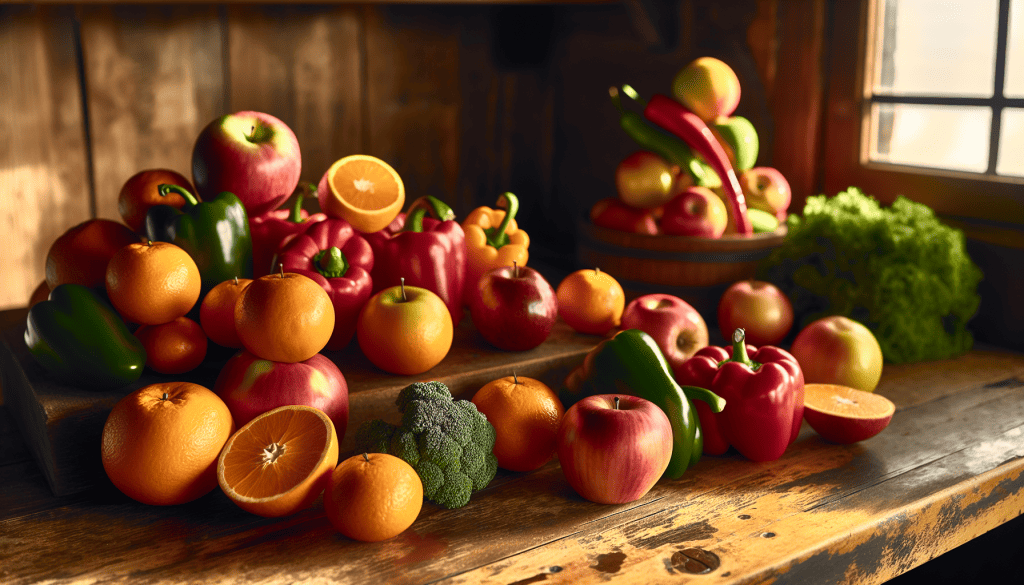
Variety of colorful fruits and vegetables on a kitchen counter
Consider your body as a fortress. The most effective way to fortify it and maintain a healthy weight? Fruits and vegetables! These power-packed healthy foods are nature’s gift to us, packed with essential nutrients that help shield us against chronic diseases, manage our body weight, and contribute to creating healthy meals. To lose weight effectively, incorporate these fruits and vegetables into your daily diet.
However, don’t limit yourself to your favorite fruits and veggies. Variety enriches life and is essential for optimizing your meal’s nutritional content. Why not explore some unfamiliar fresh fruit and vegetables? The produce aisle is an adventure waiting to be explored, each fruit and vegetable a treasure trove of vitamins, minerals, and dietary fiber. Some examples of unfamiliar fruits and vegetables you can try include:
Dragon fruit
Jicama
Kohlrabi
Star fruit
Romanesco broccoli
Expand your palate and reap the benefits of a diverse diet!
Experiment with new fruits and veggies
Adding thrill to your diet isn’t always about fancy recipes; occasionally, it’s as straightforward as experimenting with new fruits and vegetables. This not only diversifies your meals but also guarantees you’re reaping diverse health benefits. After all, it’s the variety that makes fruits and vegetables the ultimate fuel for a vibrant and thriving life, helping to prevent heart disease and cancer, promote a healthy gut microbiome, and reduce the risk of food allergies and intolerances.
So, ready to take your taste buds on an adventure? From cherries, grapes, and grapefruit to spinach, peas, and sweet potatoes, there is an incredible variety of fruits and vegetables waiting for you to explore. Don’t forget, the real champions of vitamins and minerals are spinach and kale – nutritionally dense yet low in saturated fat.
Sneak veggies into favorite dishes
We all have those favorite dishes that we just can’t get enough of. But what if we told you that you could make these dishes even more exciting and healthy with a simple trick? Indeed, the trick is to incorporate veggies stealthily! Infusing vegetables into your favorite dishes not only boosts their nutritional contents but also brings in unique flavors and textures, thereby elevating your dining experience.
For instance, if pasta dishes are your thing, try adding onions, garlic, capsicum, basil, zucchini, and parsley. Or if you love a good stir fry, why not mix in asparagus, bean sprouts, celery, zucchini, cauliflower, onions, tomatoes, and bell peppers? These small additions can make a big difference in your diet, helping you consume fewer calories while still enjoying your favorite meals.
Embrace Whole Grains
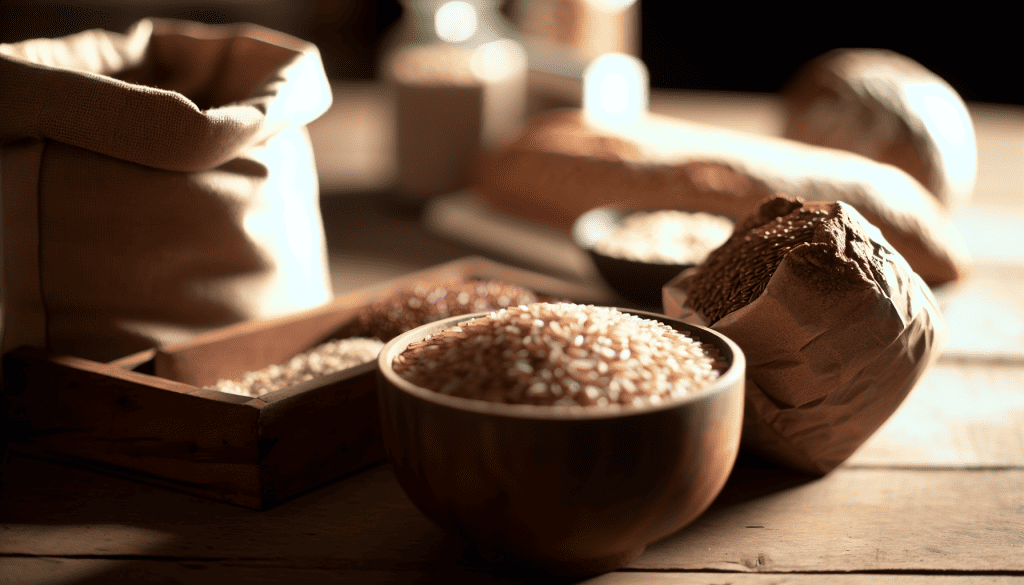
Whole grain products on a wooden table
Whole grains go beyond being a dietary essential – they’re a nutrition dynamo! Unlike refined grains, which have had their nutrient-rich bran and germ removed, whole grains retain these vital components. This means they’re packed with essential nutrients and dietary fiber, helping to regulate blood sugar levels and keep you full for longer.
Whole grains, such as millet, buckwheat, oats, quinoa, brown rice, barley, and whole wheat, also contain resistant starch. This wonder nutrient is known for lowering blood pressure and inflammation, promoting longevity, and reducing diabetes risk. Plus, they provide essential vitamins and complex carbohydrates for overall health and well-being.
Keep in mind, a standard serving size of whole grains approximately equates to 16 grams or about one and a half tablespoons. Understanding this measurement can empower you to take control of your portions and maintain a balanced diet.
Make Healthier Cooking Choices
Healthy cooking methods – vegetables being roasted in the oven
The method you choose to cook your food can significantly alter its nutritional profile. Healthier cooking methods include:
Steaming
Baking
Grilling
Braising
Boiling
Microwaving
These methods can add to the nutrient value of your meals without loading them with unhealthy fats or sugars.
For instance, baking might affect some nutrient levels, but the right techniques and ingredients can ensure your baked goods are still packed with nutritional value. Or take roasting, which, despite potentially leading to a loss of some nutrients, can significantly enhance the sensory quality and nutritional value of foods, making it a healthier option than many other cooking methods.
Mindful Eating Practices
Have you come across the concept of mindful eating? It’s an approach where you consume food with a purpose and attentiveness, relishing every morsel, and heeding your body’s hunger and satiety signals. This allows you to:
Truly appreciate your food
Improve control over your eating patterns
Support your weight management goals
Help overcome binge eating tendencies
So how do you practice mindful eating? It’s about:
Being fully attentive to your food
Eating slowly
Chewing thoroughly
Eliminating distractions
Increasing periods of mindful eating
You can even engage in mindful eating exercises! By focusing on your meal, you’re more likely to eat mindfully and avoid overeating, unlike when distractions lead you to consume more than necessary.
Reduce Processed Foods
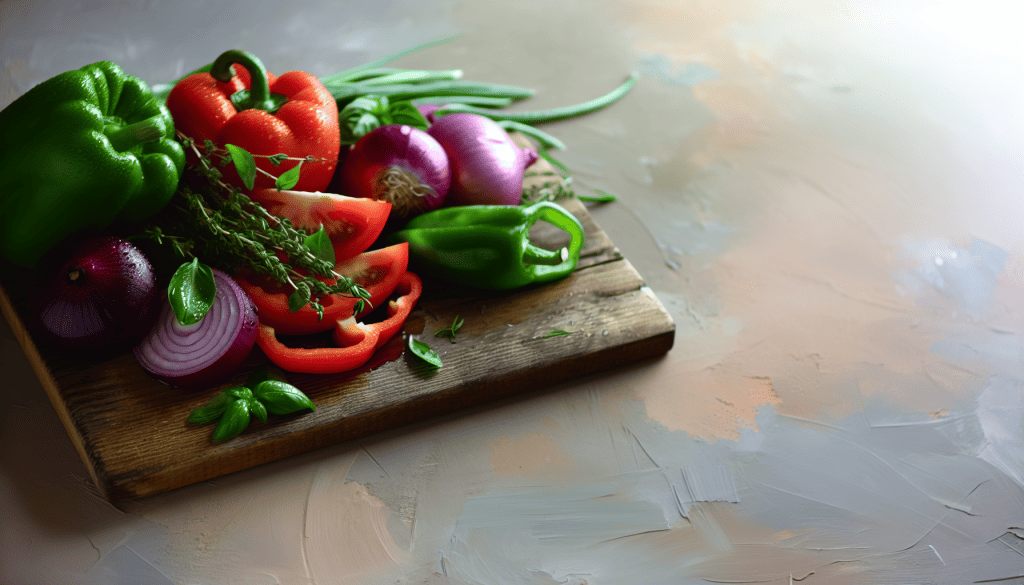
Fresh ingredients for cooking – vegetables and herbs on a cutting board
Although processed foods offer convenience, they typically contain high levels of added sugars and unhealthy fats, which can contribute to health issues like:
weight gain
obesity
type 2 diabetes
heart disease
chronic inflammation
But don’t fret – reducing the consumption of processed foods isn’t as hard as it sounds, and it can even help you eat fewer calories!
One way to do this is by reading food labels. Look for:
long ingredient lists
ingredients you wouldn’t use at home
artificial additives
refined ingredients
These are often signs of processed foods. By being aware of these foods and consciously choosing healthier alternatives, you can make a significant difference in your diet and overall well-being.
Stay Hydrated
Maintaining hydration holds equal importance as adhering to a healthy diet. After all, our bodies are about 60% water! The National Academy of Medicine suggests an adequate intake of daily fluids of about 13 cups for healthy men and 9 cups for healthy women.
But hydration doesn’t just quench your thirst. Drinking water aids your digestive system by supporting digestion and absorption of nutrients, eliminating waste products, and preventing constipation. So, why not grab a glass of water right now? Your body will thank you.
Opt for Lean Protein Sources
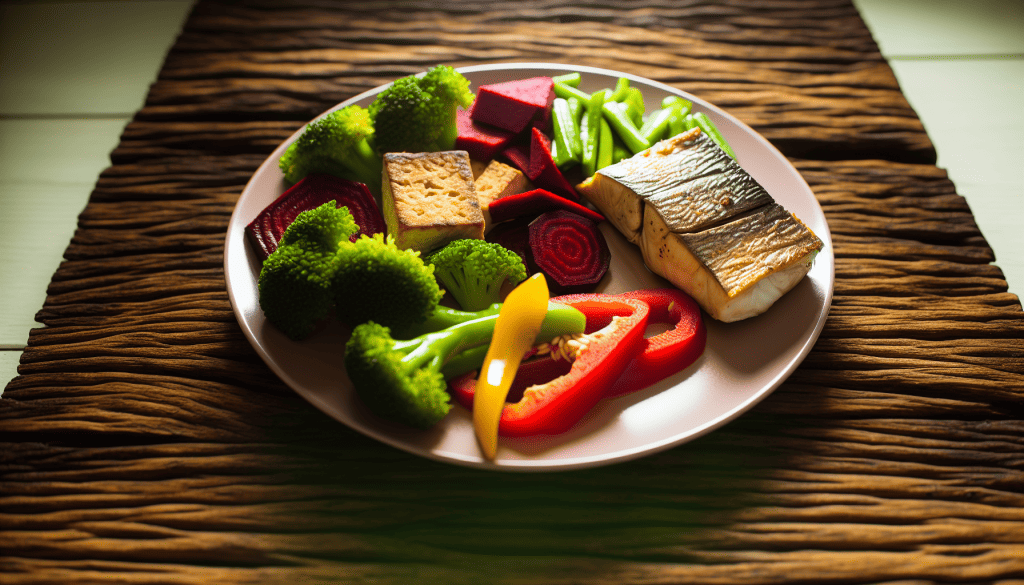
Lean protein sources – grilled fish and tofu with vegetables
Protein has a vital function in our body, facilitating muscle development, cell repair, and energy provision. But not all proteins are created equal. Lean proteins, such as:
white-fleshed fish
skinless poultry
lean red meats
low-fat dairy products like cottage cheese
turkey
chicken
lean ground beef
beans
lentils
are a healthier choice. These options can help you stay strong and energized.
Plant-based proteins are also a great option. Some examples include:
Soybean products
Seitan
Beans
Lentils
Nuts
Whole grains
These foods offer lean protein and other valuable nutrients. In fact, the Recommended Dietary Allowance (RDA) for protein is 0.8 grams per kilogram of body weight, or 0.36 grams per pound. Aim to get at least 10% of your daily calories from protein to fuel your body and achieve your goals.
Limit Added Sugars and Unhealthy Fats
Admittedly, we all have a soft spot for sweet indulgences like sugary drinks or rich, fatty meals. However, added sugars and unhealthy fats can contribute to health issues like:
weight gain
obesity
type 2 diabetes
heart disease
That’s why it’s crucial to limit these in our diet.
When you read food labels for added sugars, focus on the number of grams and the percent Daily Value (%DV) for added sugars on the nutrition facts label. Aim to limit your daily intake of added sugars to no more than 6 teaspoons (25g). Also, beware of foods high in added sugars and unhealthy fats, such as:
low-fat yogurt
barbecue sauce
fruit juice
candy
fatty meats
butter
Plan Meals and Snacks Ahead of Time
Preplanning your meals and snacks can significantly enhance your diet. It can lead to healthier food choices, improved diet quality and variety, saved money and time, and better weight control.
To create a meal plan for a balanced and nutritious diet, try filling half of your plate with vegetables and fruits, include lean proteins like poultry, fish, or beans, choose whole grains, add healthy fats, and plan ahead. By following these guidelines, you can establish healthy eating patterns that will help you stay on track with your healthy eating goals. You can also prepare a variety of healthy snacks in advance, such as Peanut Butter Energy Balls, Hummus, Trail Mix, Green Smoothies, and more. These options will have delicious snacks ready whenever you need them.
Establish a Balanced Breakfast Routine
As often emphasized, breakfast is the most crucial meal of the day, and for good reasons! Initiating your day with a balanced breakfast can energize your body and lay the foundation for healthy eating for the rest of the day.
A balanced breakfast typically includes whole, unprocessed foods from each of the five food groups:
Fruits
Vegetables
Grains
Protein
You can supercharge your breakfast with fruits and vegetables by adding them to omelettes, smoothies, or sandwiches.
Lean protein options like cottage cheese, Greek yogurt, smoked salmon, chicken, poached eggs, and protein powder can also help fuel your day.
Summary
In the journey to a healthier lifestyle, every small step counts. From incorporating more fruits and vegetables, whole grains, and lean proteins into our meals, to staying hydrated, practicing mindful eating, reducing processed foods, planning meals in advance, and starting our day with a balanced breakfast – these steps can all work together to supercharge our health and well-being. Remember, it’s not about perfection, but progress. So let’s take it one meal at a time, and before we know it, we’ll be living our healthiest, happiest lives!
Frequently Asked Questions
How do I start eating healthier?
Start by incorporating whole grains, healthy fats, and a variety of fruits and vegetables into your diet. Consider adding plant protein sources, fish, poultry, dairy, and eggs in moderation to ensure a balanced and nutritious diet. Cut down on alcohol, snack on fruits, and plan your meals to stay on track with healthy eating.
What does it mean to you to eat healthier?
Eating healthier means consuming a variety of foods that provide essential nutrients for maintaining your health, feeling good, and having energy. It includes proteins, carbohydrates, fats, water, vitamins, and minerals. Embrace a balanced and nourishing diet to support your overall well-being.
What is healthier to eat?
Choose fish, poultry, beans, and nuts; limit red meat and cheese; avoid processed meats. Eat whole grains and include a variety of fruits and vegetables. This will help you maintain a healthy diet and reduce the risk of health issues.
Is Eat healthy Grammatically correct?
Yes, “eat healthy” is grammatically correct. It is an imperative phrase meaning to consume food that is good for one’s health, and it is commonly used as a command or instruction, for example, “Eat healthy!”
What are the 7 steps to having healthy eating habits?
Master healthy eating habits by cooking in batches and planning ahead, making swaps and substitutions, and being intentional with your choices. Remember to be kind to yourself and get support when needed. Start implementing these steps for a healthier lifestyle today!